|
|
|
RĀRANGI TAKE
AGENDA
Te Komiti Rautaki, Whakahaere, me te Ahumoni |
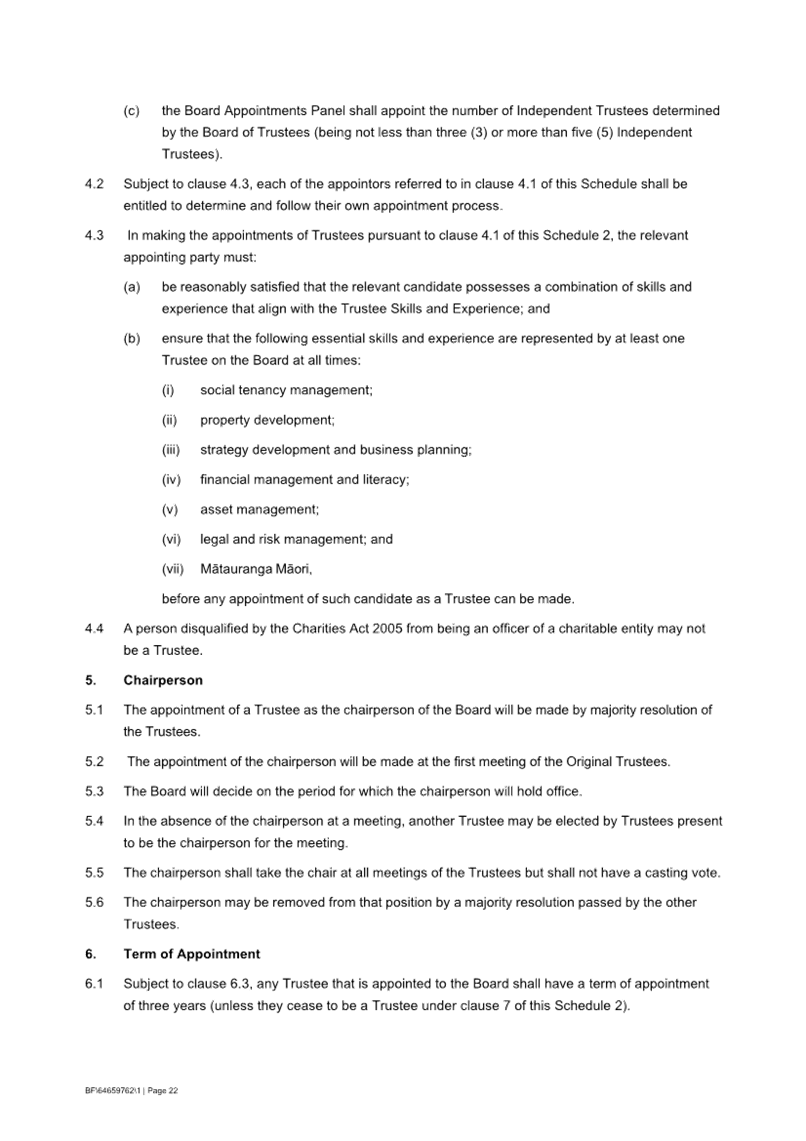
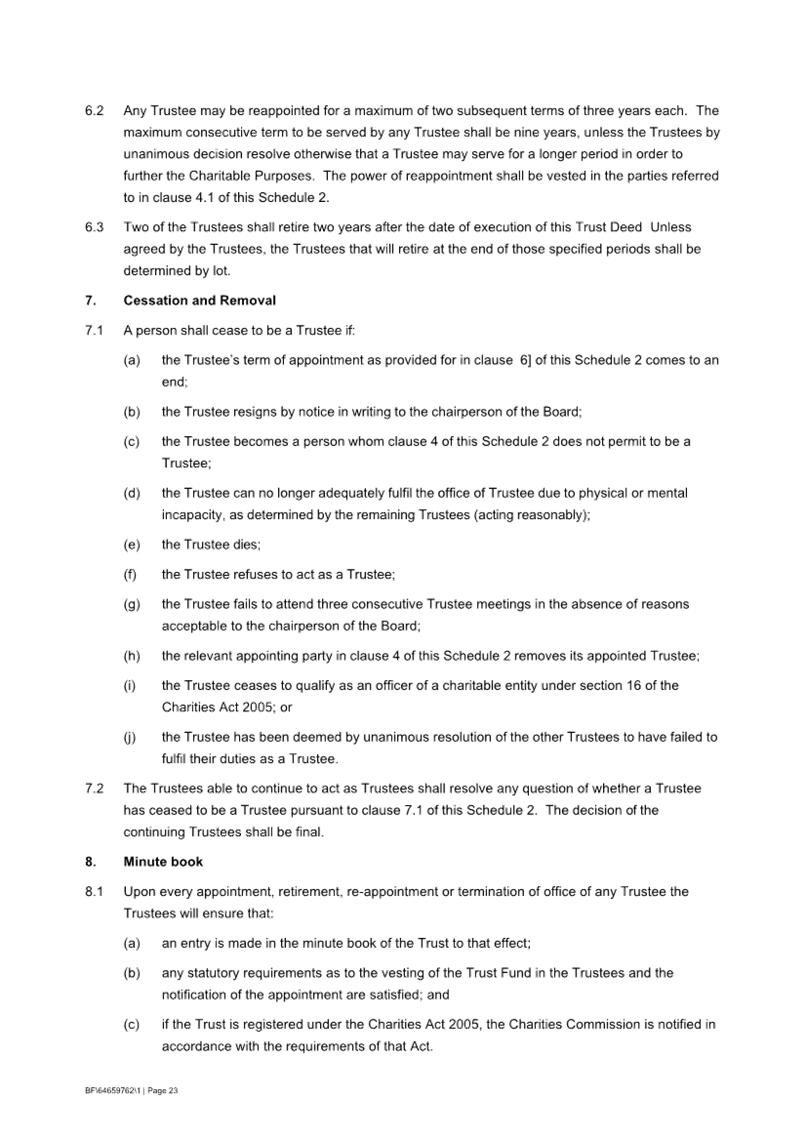
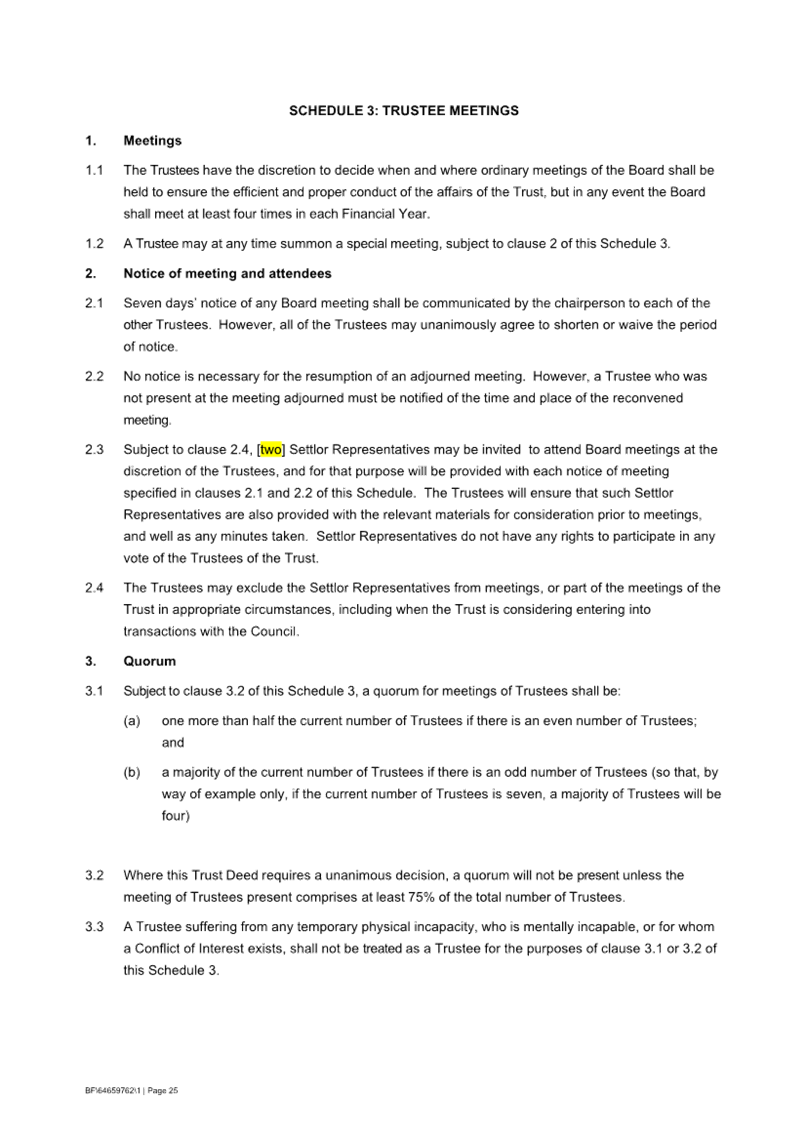
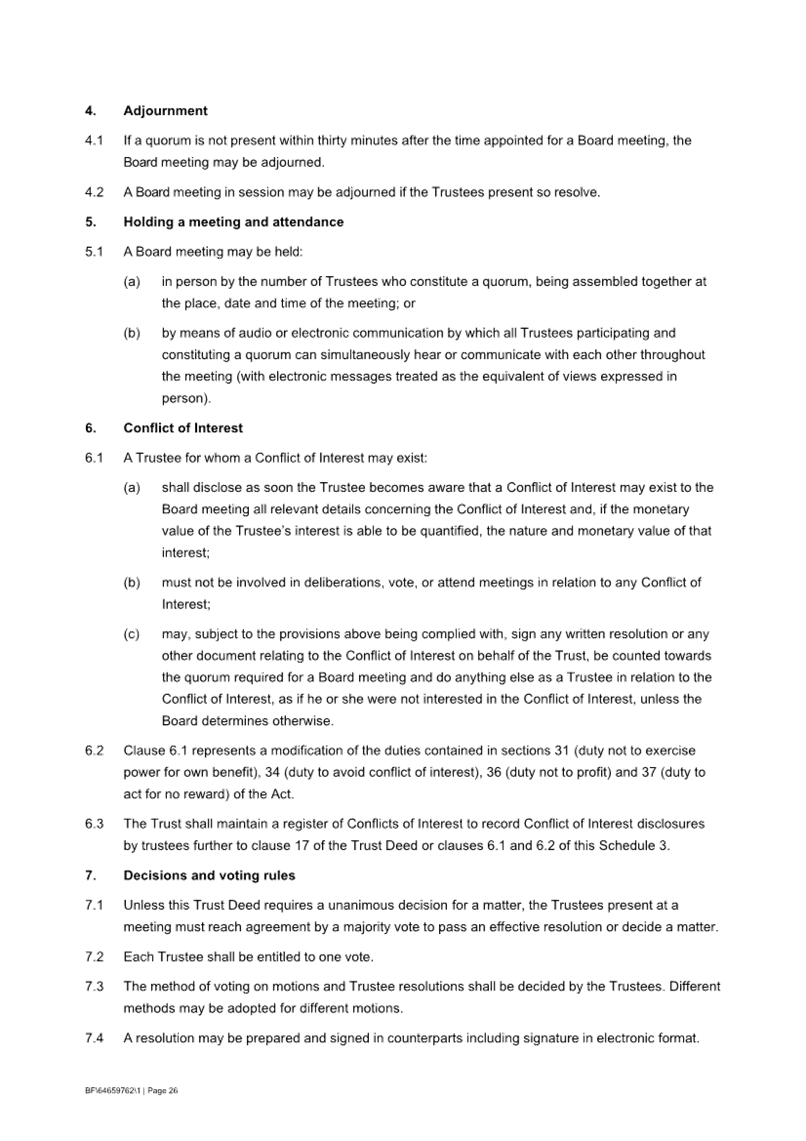
Strategy, Operations and Finance Committee Meeting
|
|
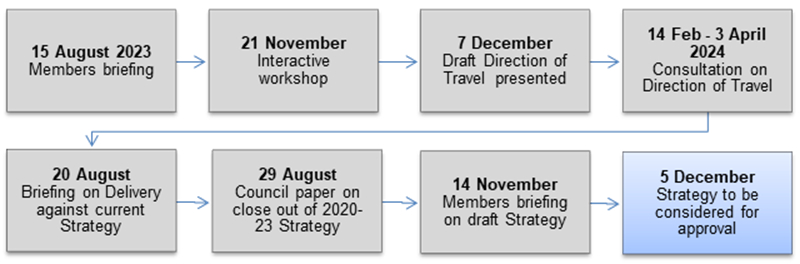
I hereby give notice that a Meeting of Te Komiti Rautaki, Whakahaere, me te Ahumoni | Strategy,
Operations and Finance Committee will
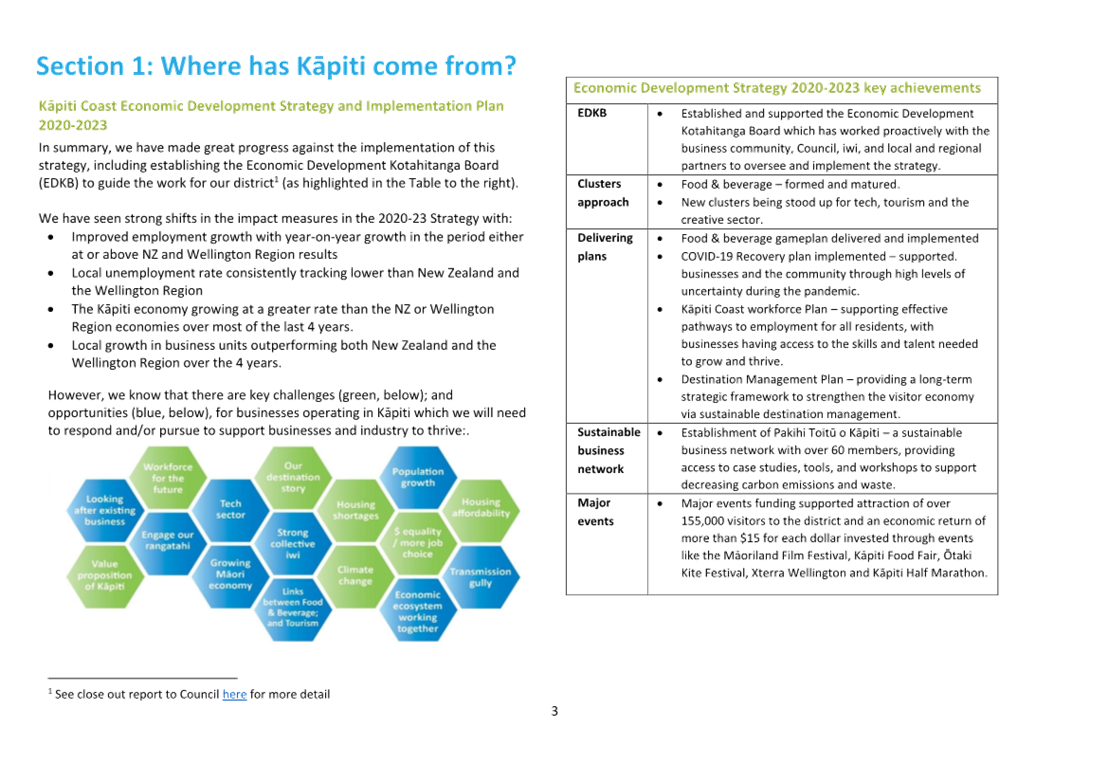
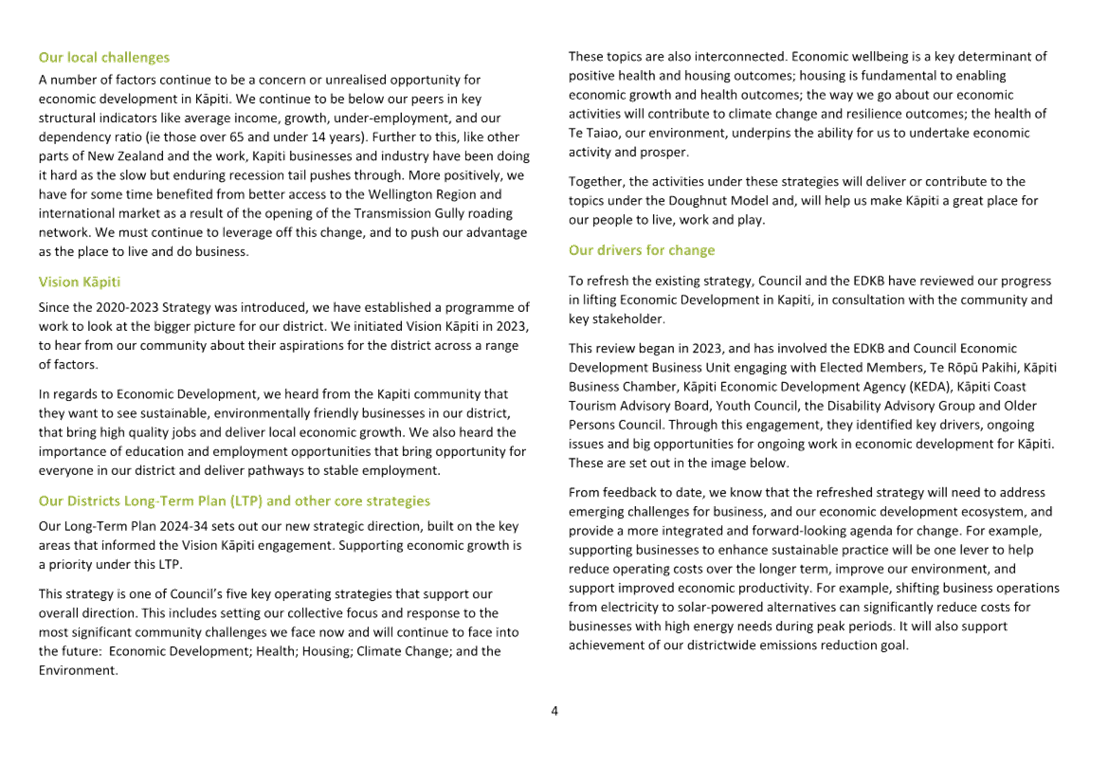
be held on:
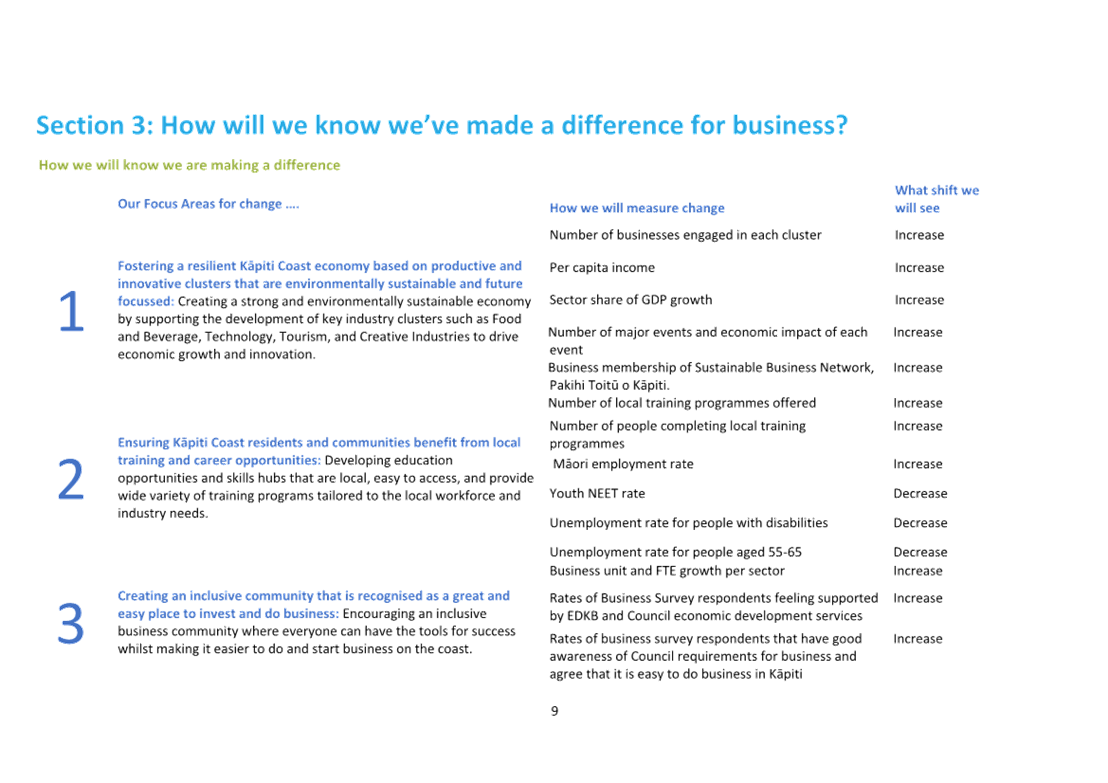
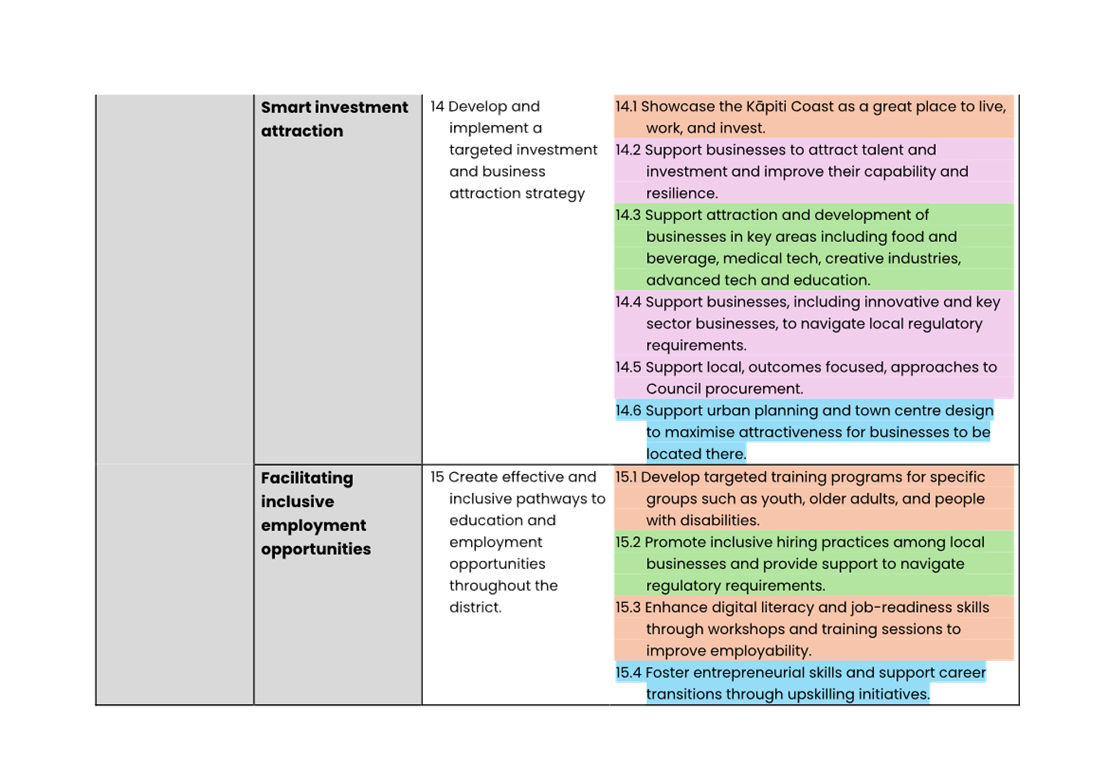
|
|
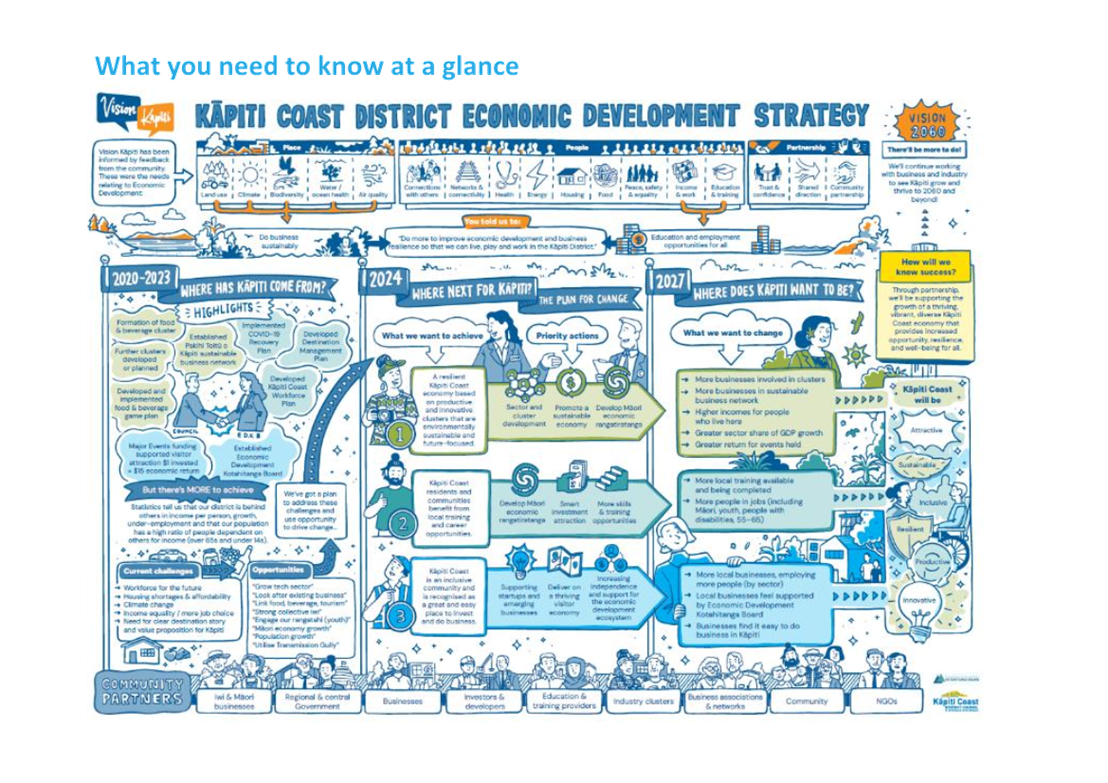
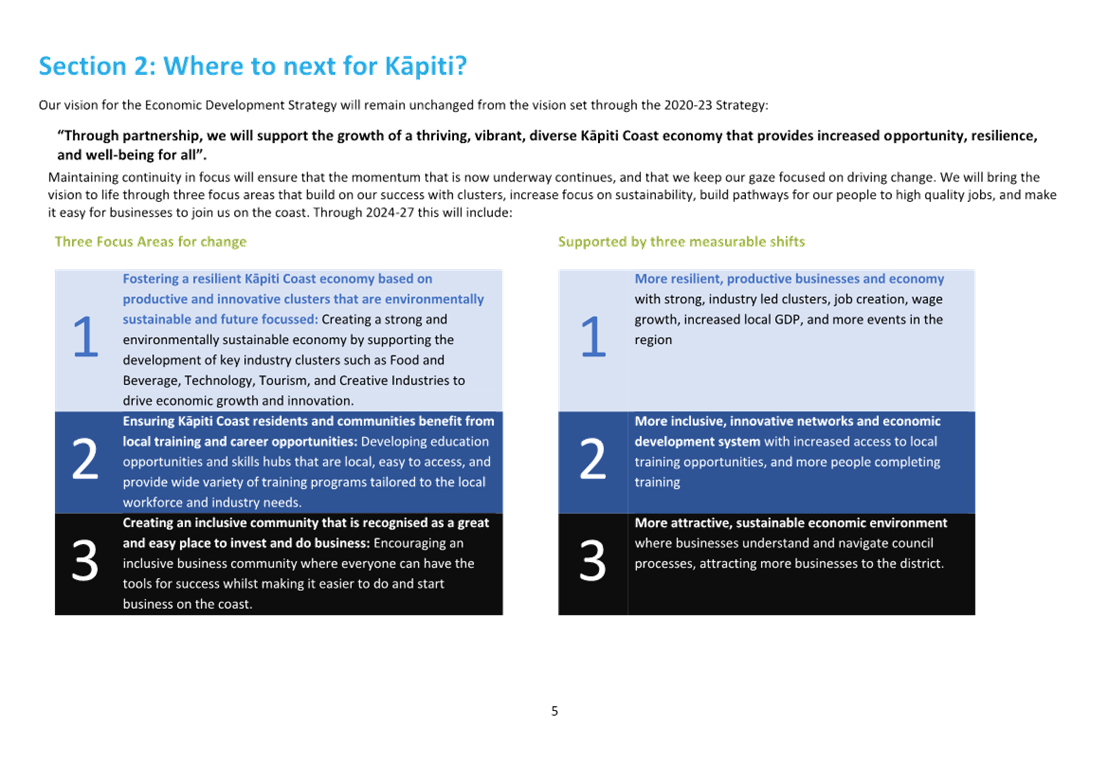
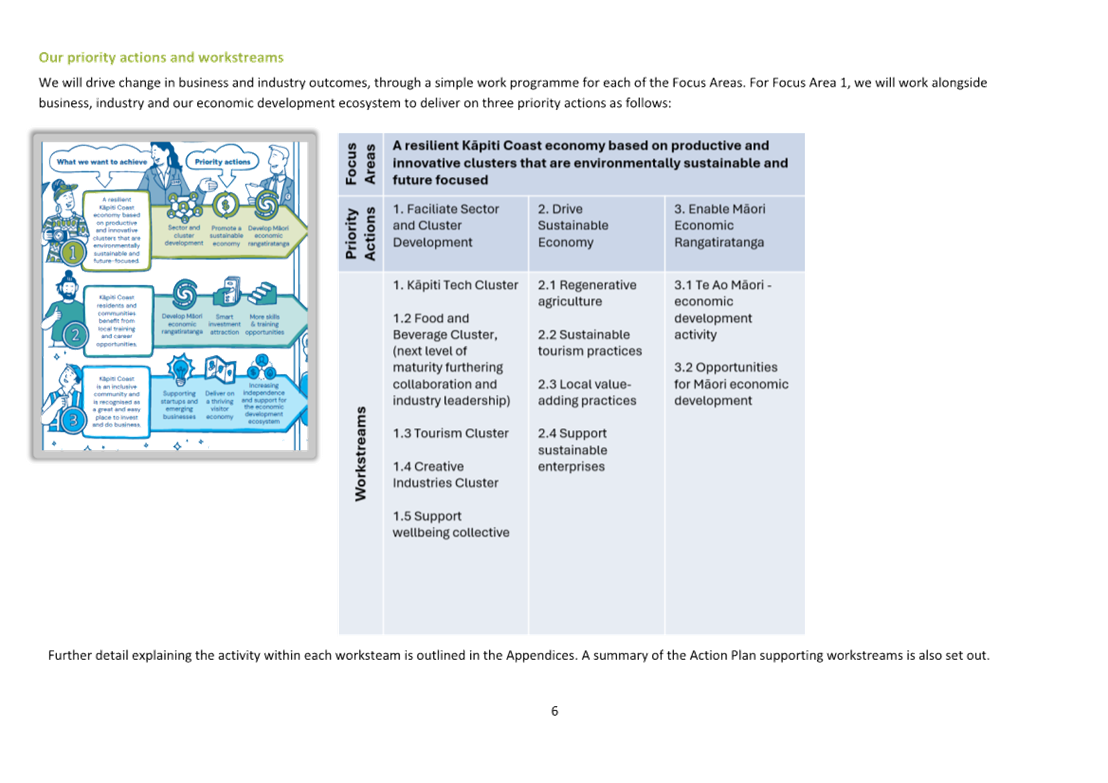
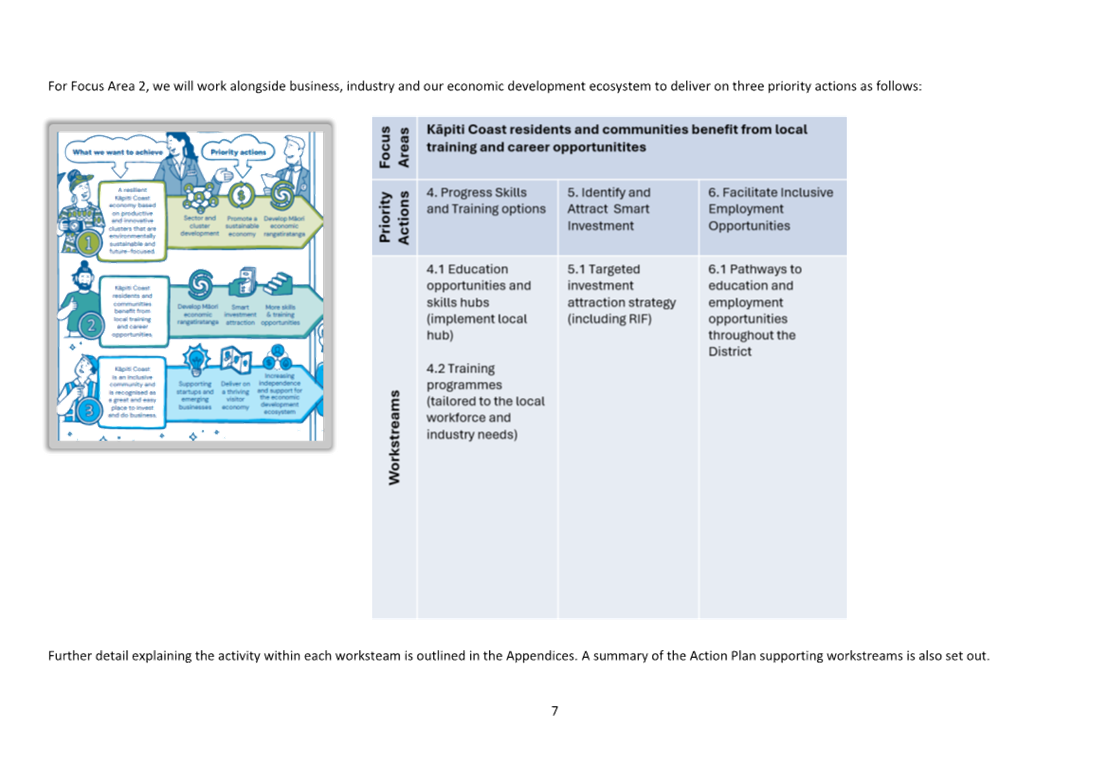
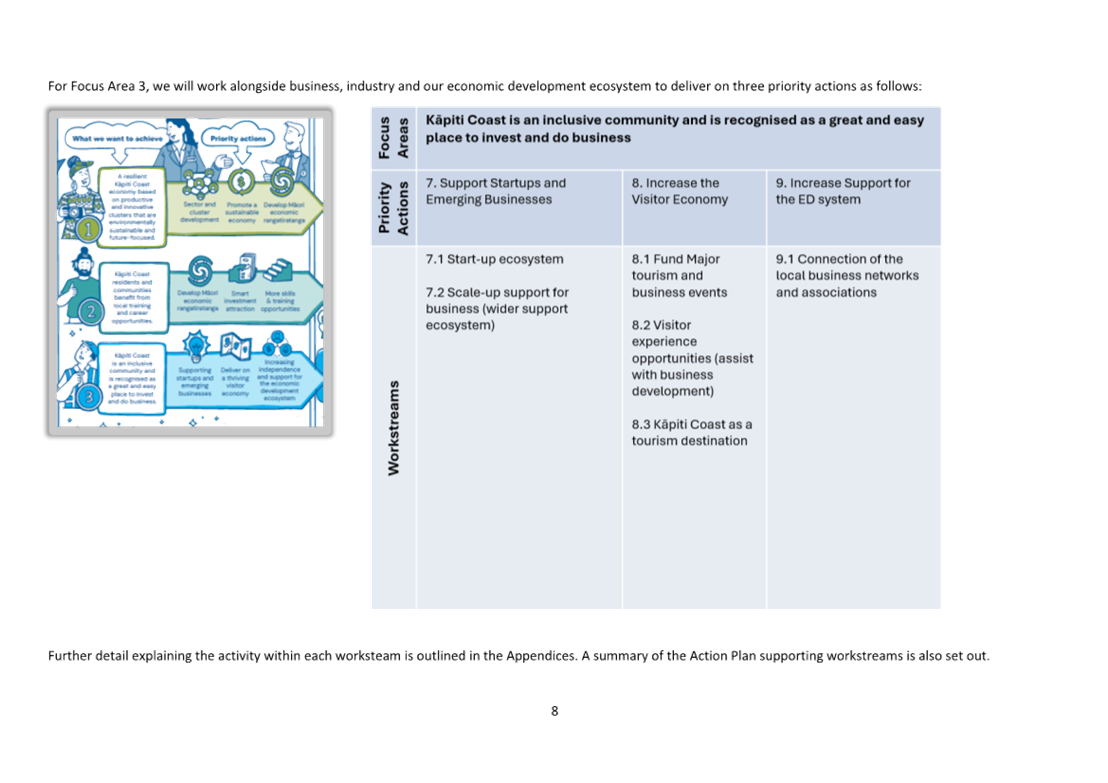
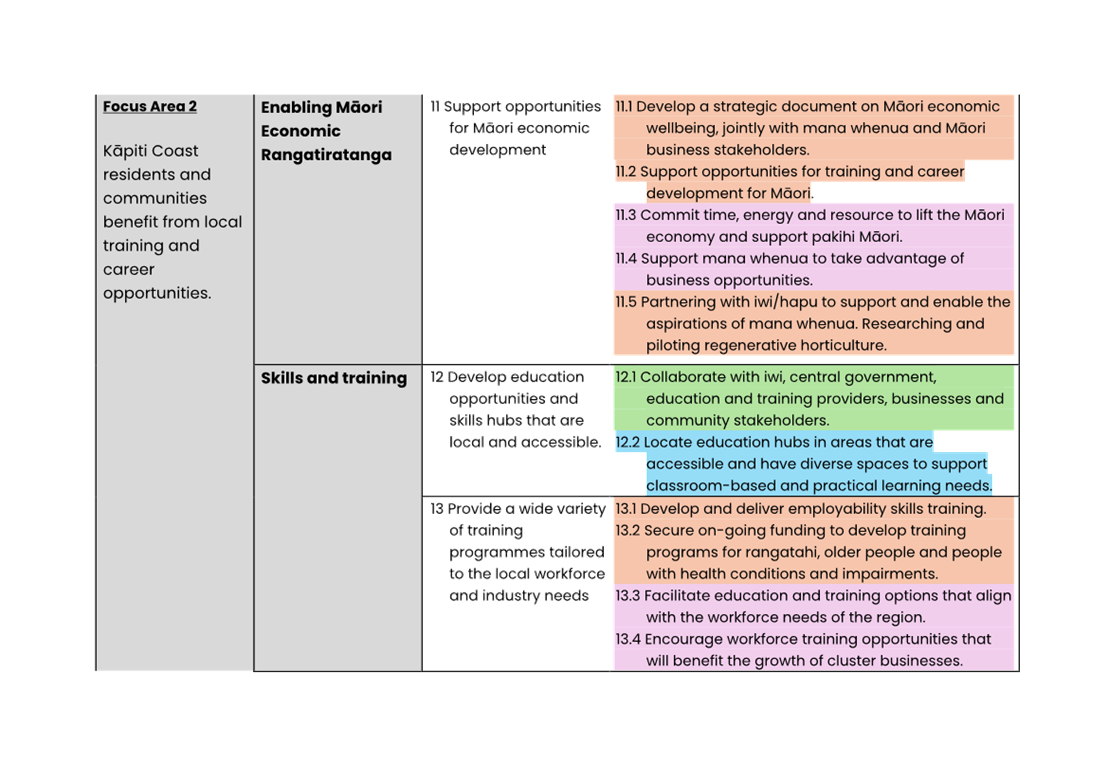
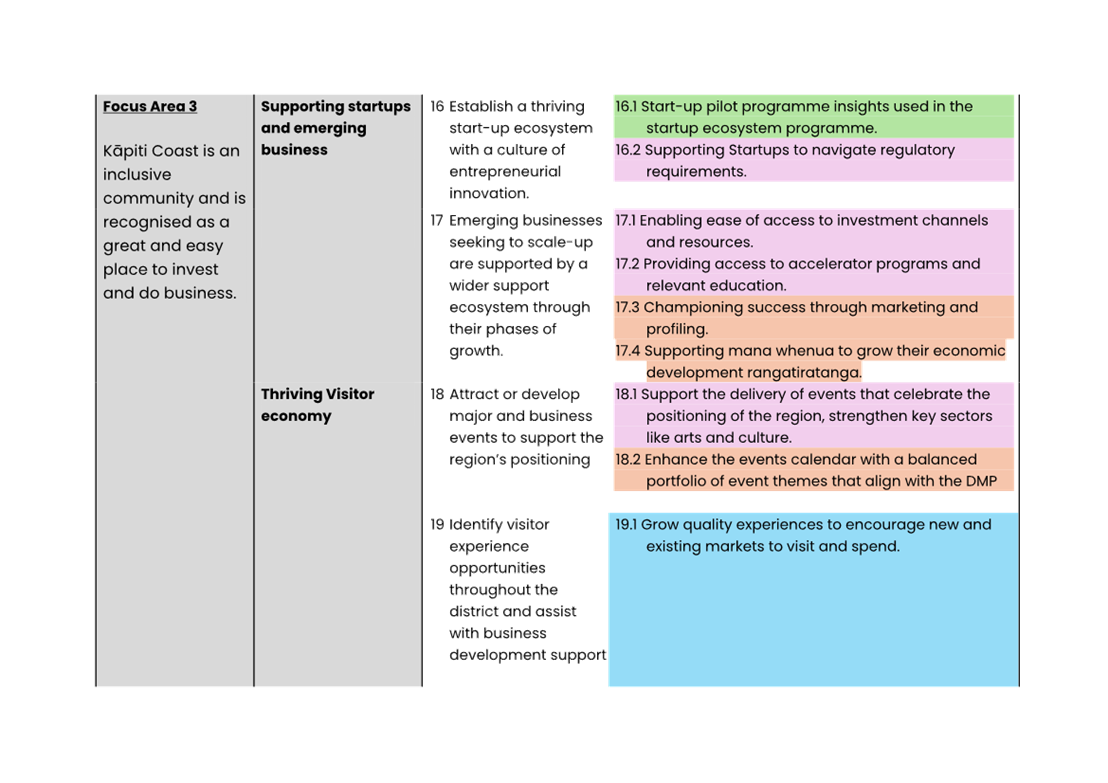
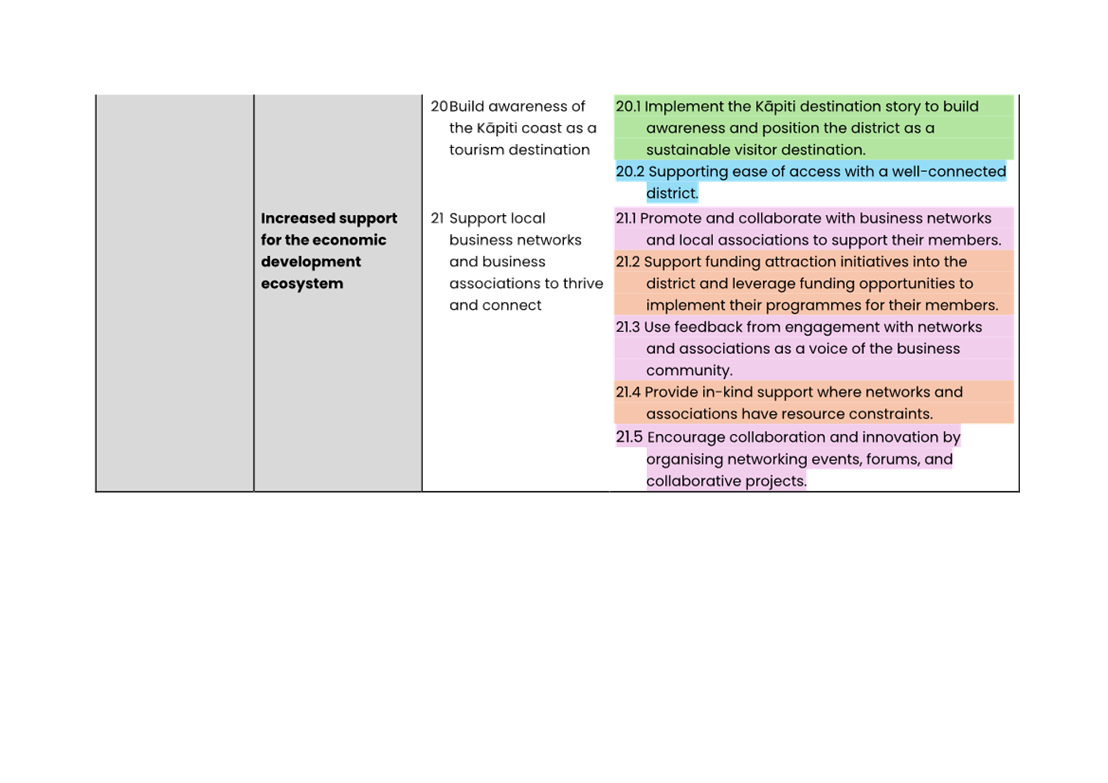
Te Rā | Date:
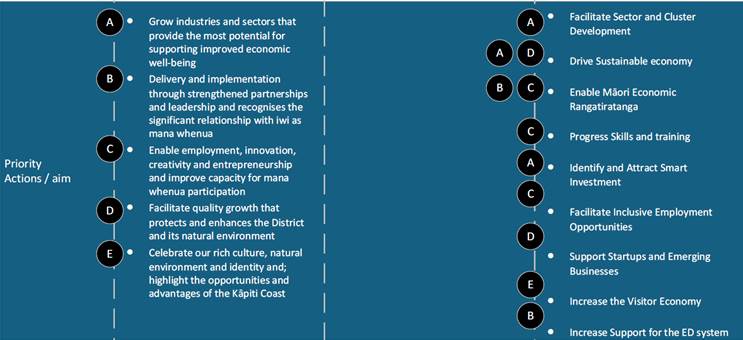
|
Thursday, 5 December
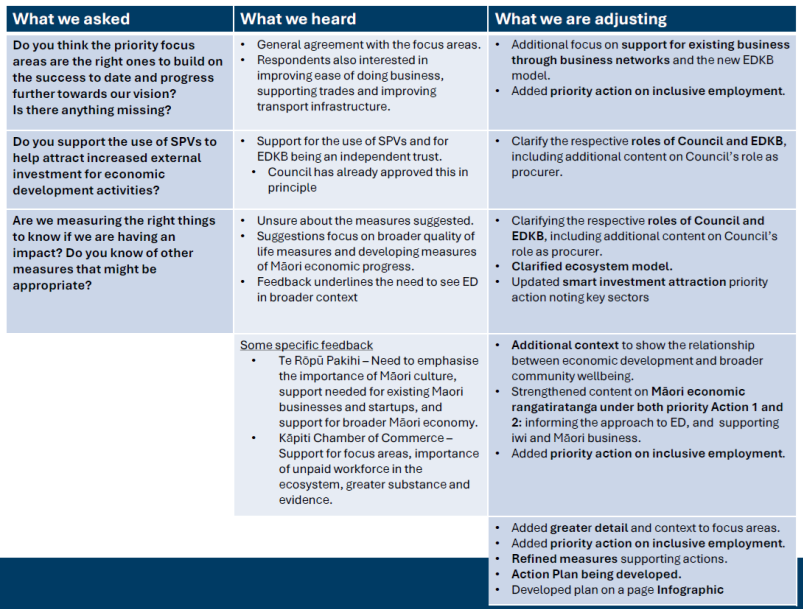
2024
|
|
Te Wā | Time:
|
9.30am
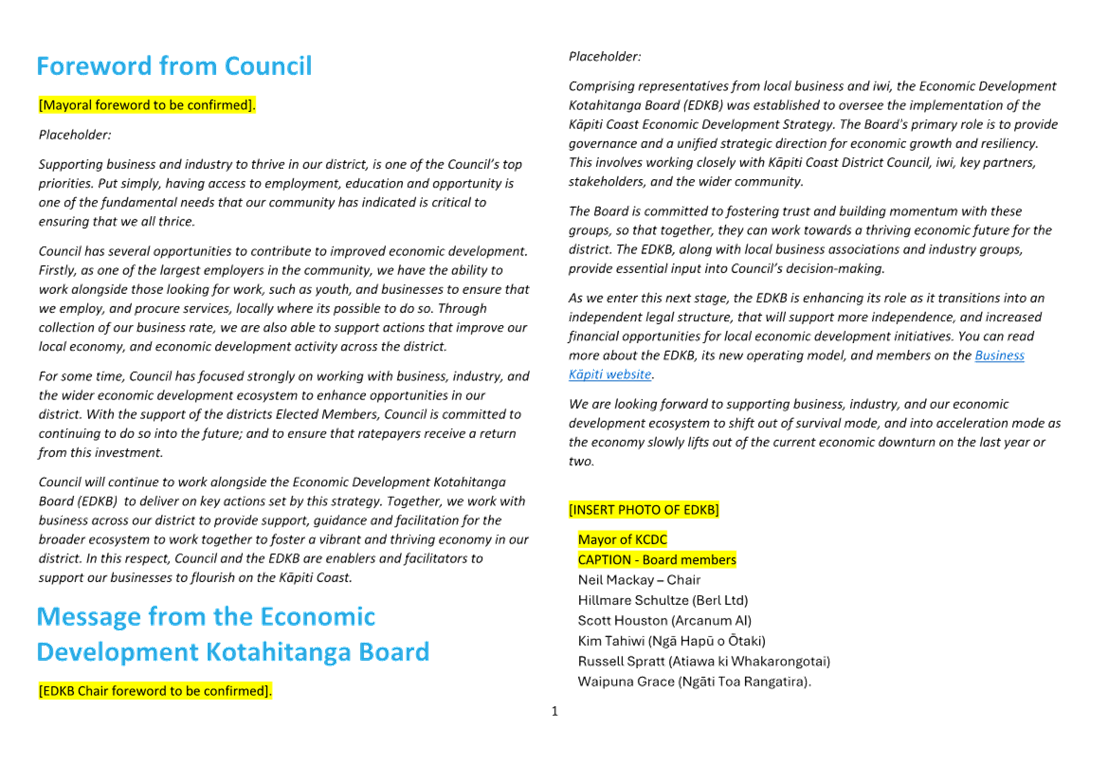
|
|
Te Wāhi | Location:
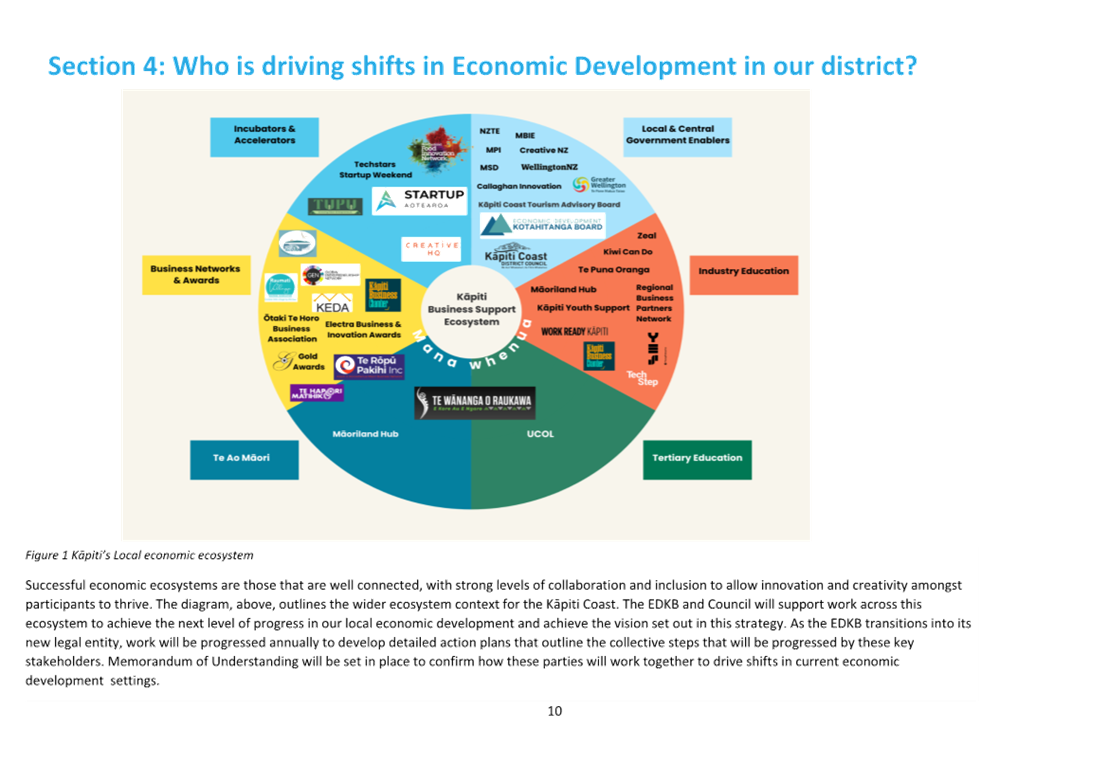
|
Council
Chamber
Ground
Floor, 175 Rimu Road
Paraparaumu
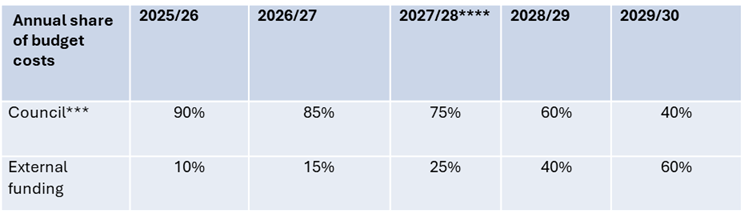
|
|
Kris Pervan
Group Manager Strategy & Growth
|
|
Strategy, Operations and Finance Committee
Meeting Agenda
|
5 December 2024
|
Kāpiti Coast District Council
Notice is hereby given
that a meeting of Te Komiti Rautaki,
Whakahaere, me te Ahumoni | Strategy, Operations and Finance Committee will be held in the Council Chamber, Ground Floor, 175 Rimu Road,
Paraparaumu, on Thursday 5 December 2024, 9.30am.
Rautaki, Whakahaere,
me te Ahumoni | Strategy, Operations and Finance Committee Members
|
Cr
Sophie Handford
|
Chair
|
|
Cr
Liz Koh
|
Deputy
|
|
Mayor
Janet Holborow
|
Member
|
|
Deputy
Mayor Lawrence Kirby
|
Member
|
|
Cr
Glen Cooper
|
Member
|
|
Cr
Martin Halliday
|
Member
|
|
Cr
Rob Kofoed
|
Member
|
|
Cr
Jocelyn Prvanov
|
Member
|
|
Cr
Kathy Spiers
|
Member
|
|
Cr
Shelly Warwick
|
Member
|
|
Cr
Nigel Wilson
|
Member
|
|
Ms
Kim Tahiwi
|
Member
|
|
Mr
Huriwai Paki
|
Member
|
|
Ātiawa
ki Whakarongotai Representative
|
Member
|
|
Strategy, Operations and Finance Committee
Meeting Agenda
|
5 December 2024
|
1 Nau Mai
| Welcome
2 Karakia
a te Kaunihera | Council Blessing
|
I
a mātou e whiriwhiri ana i ngā take kei mua i ō mātou
aroaro
E pono ana mātou ka kaha tonu ki te whakapau mahara
huapai mō ngā hapori e mahi nei mātou.
Me kaha hoki mātou katoa kia whaihua, kia
tōtika tā mātou mahi,
Ā, mā te māia, te tiro whakamua me te
hihiri
Ka taea te arahi i roto i te kotahitanga me te aroha.
|
As we deliberate on the issues before us,
We trust that we will reflect positively on the
communities we serve.
Let us all seek to be effective and just,
So that with courage, vision and energy,
We provide positive leadership in a
spirit of harmony and compassion.
|
3 Whakapāha
| Apologies
4 Te
Tauākī o Te Whaitake ki ngā Mea o te Rārangi Take |
Declarations of Interest Relating to Items on the Agenda
Notification from Elected
Members of:
4.1 – any interests that
may create a conflict with their role as an elected member relating to the
items of business for this meeting, and
4.2 – any interests in
items in which they have a direct or indirect pecuniary interest as provided
for in the Local Authorities (Members’ Interests) Act 1968
5 He
Wā Kōrero ki te Marea mō ngā Mea e Hāngai ana ki te
Rārangi Take | Public Speaking Time for Items Relating to the Agenda
6 Ngā
Teputeihana | Deputations
Nil
7 Ngā
Take a Ngā Mema | Members’ Business
(a)
Leave of Absence
(b)
Matters of an Urgent Nature (advice to be provided to the Chair prior to
the commencement of the meeting)
8 He
Kōrero Hou | Updates
Nil
9 Pūrongo
| Reports
9.1 Economic
Development Strategy 2024-2027
Kaituhi |
Author: Gina
Anderson-Lister, Strategy Manager
Kaiwhakamana
| Authoriser: Kris Pervan, Group Manager Strategy & Growth
Te pūtake |
Purpose
1 This
paper seeks your endorsement of the Economic Development Strategy 2024-27 and
outlines proposed engagement with key stakeholders on the updated document in
the new year.
He
whakarāpopoto | EXecutive summary
2 An
executive summary is not required for this paper.
Te tuku haepapa
| Delegation
3 The
Strategy, Operations and Finance Committee (SO&F) has delegated authority
to consider this matter under section B.1 of the Governance Structure and
Delegations (2022-25 Triennium).
Taunakitanga | RECOMMENDATIONS
That the
Strategy, Operations and Finance Committee:
A. Note
that the refresh of the Economic Development Strategy 2024-27 has been led by
the Economic Development Kotahitanga Board, in line with its terms of
reference.
B. Note
that the refresh of the Economic Development Strategy is informed by community
and sector feedback gathered on the Direction of Travel in early 2024.
C. Endorse
the contents of the refreshed Economic Development Strategy 2024-27 which sets
a simple, focused direction for collective action to improve economic
opportunity in Kāpiti.
D. Note
the following steps will be progressed in early 2025 to finalise the strategy
in preparation for its release in March 2025:
D.1 Economic
Development Kotahitanga Board engage with key stakeholders in December 2024 and
January 2025 on the refreshed Strategy.
D.2 A
supporting webpage is developed in January and February 2025 to create an
interactive space for people to engage in the substantive detail of the final Economic
Development Strategy 2024-27.
D.3 Economic
Development Kotahitanga Board and Strategy, Operations and Finance Committee approve
release of the final Economic Development Strategy, via website, in March 2025.
E. Note
that implementation of the final Economic Development Strategy 2024-27 will
be driven by the Economic Development Kotahitanga Board, under its new
operating structure, with support from Council’s Economic Development
team and the wider economic development ecosystem.
F. Note
that progress against the final Economic Development Strategy 2024-27 will be
reported to the Committee every six months.
Tūāpapa | Background
4 Promoting
economic wellbeing is an important purpose of local government.[1] It is also one of the Top-10
Priorities for the Kāpiti Coast District Council, with the refresh of the
current Strategy listed as an action for progress from 2024/25.
Economic
Development Strategy 2020-23
5 Council’s
current Economic Development (ED) Strategy was adopted in 2020. Significant
progress has been made against this strategy with Councillors briefed on this
on 20 August 2024, and receiving a close out report at the Council meeting of
29 August 2024. The briefing showed the Kāpiti economy’s strong
performance against the national average and demonstrated several successful
initiatives delivered through the Strategy.
6 Some
activity set by the ED Strategy 2020-23 was expected to be completed by 2023,
and has ended; whilst other activity has a longer life and continues to
progress today. New activity will be identified as important to add to the ED
Strategy 2024-2027, this will sit alongside the existing activity underway.
7 One
of the major successes of the current Strategy has been the development of the
Economic Development Kotahitanga Board (EDKB). The EDKB was established to
oversee the implementation of the Strategy. The EDKB has steadily expanded its
influence and has recently been working with Council to establish itself as an
independent trust, with finalisation of the establishment due to be considered
by Council on 28 November 2024.
Strategy
review process
8 The
current ED Strategy was written for a three-year period and has been under
review since mid-2023. This review has been led by the EDKB with support from
Council staff. The review has sought to focus on:
8.1 Addressing
areas where our local economy lags behind.
8.2 Enhancing
Kāpiti Coast’s competitive advantage.
8.3 Embedding
economic development in the broader context of community values.
8.4 Integrating
findings from Vision Kāpiti and Long-Term Plan 2024-34 engagement, as
these recent engagements provided substantial insight into what our community
values and aspires to for local economic development.
9 Elected
members have been engaged at key points through the development of drafting the
refreshed Strategy, as illustrated in Figure 1 (below). Several workshops and
briefings were run while the Direction of Travel was being drafted and Elected
Members were briefed on the draft Strategy and Action Plan on 14 November 2024.
Feedback from Elected Members was positive, particularly regarding the proposed
‘plan on a page’ infographic of the strategy. Elected Members also
noted positively the change in legal form of the EDKB, the new opportunities
this provided for attracting funding, and were keen that work under the new
strategy seek to enhance engagement with key iwi groups and the Kāpiti
Business Chamber.
Figure
1: Strategy review key milestones
10 Community
and sector views were gathered through the development of the Direction of
Travel. This occurred through both direct engagement facilitated by the EDKB
and a public survey. The main findings from this engagement are discussed at
paragraph 20.
He
kōrerorero | Discussion
Draft,
refreshed, Economic Development (ED) Strategy 2024-27 (refreshed Strategy)
11 The
refreshed Strategy is attached in Appendix 1 (with supporting material attached
in Appendices 2 and 3) for your consideration and endorsement. This includes:
11.1 The
refreshed Strategy itself which will be a 10-page, simple to engage document
that explains where we have come from; where we are heading’ and what
actions we will take to get there.
11.2 Appendices,
which include more detailed information on elements of the ED Strategy. These
will not be reported as part of the refreshed Strategy itself but will be part
of the online material available through interaction on our website. Key
elements include descriptions of the workstream areas, case studies across the
priority areas, and a year-on-year work programme of actions to be progressed.
11.3 On
this basis, we are seeking endorsement of the substantive material itself
rather than the look-and-feel of the document which will be refined through
January to March 2025.
12 The
refreshed Strategy is closely aligned to the Direction of Travel, which you
considered earlier in 2024. It has retained the high-level elements, however,
some changes have been made because of feedback received. This includes:
12.1 Additional
detail and context to show the relationship between economic development, the
focus areas, and broader community wellbeing.
12.2 Additional
focus on support for existing business through business networks and the new
EDKB model.
12.3 Clarifying
the respective roles of Council and the EDKB.
12.4 Additional
content related to Māori economic rangatiratanga.
12.5 Refined
the smart investment attraction priority action and added a priority action on
inclusive employment.
12.6 Refined
success measures and further developed supporting actions.
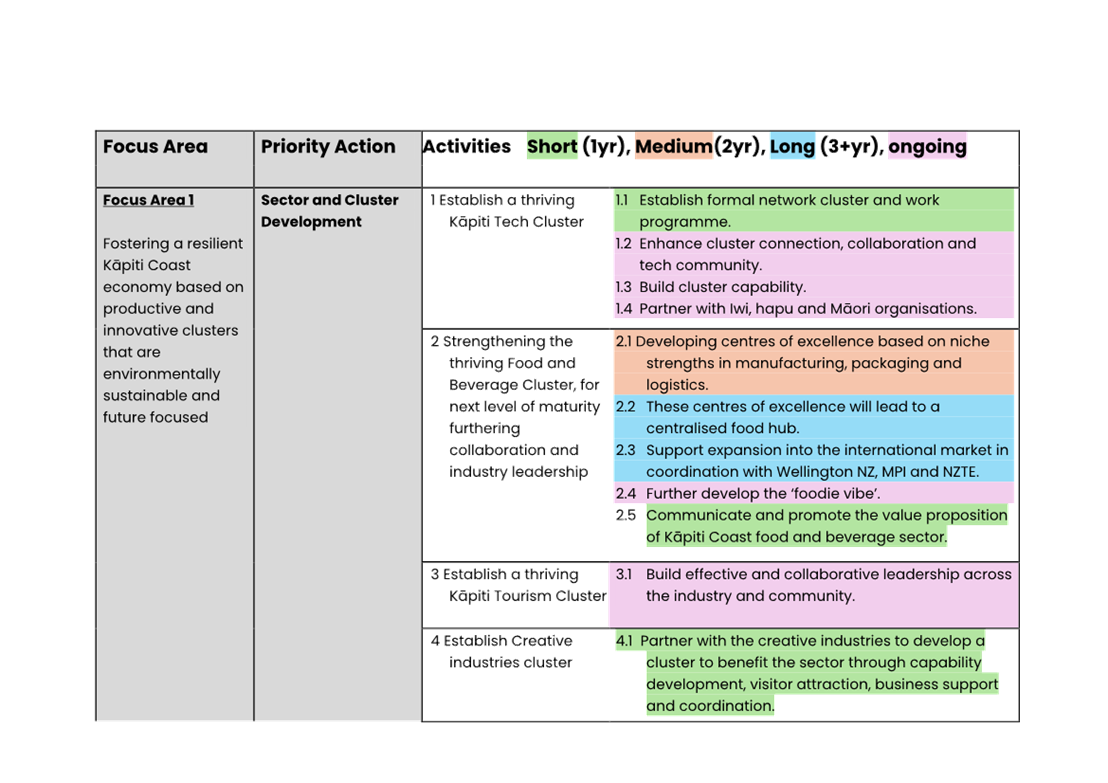
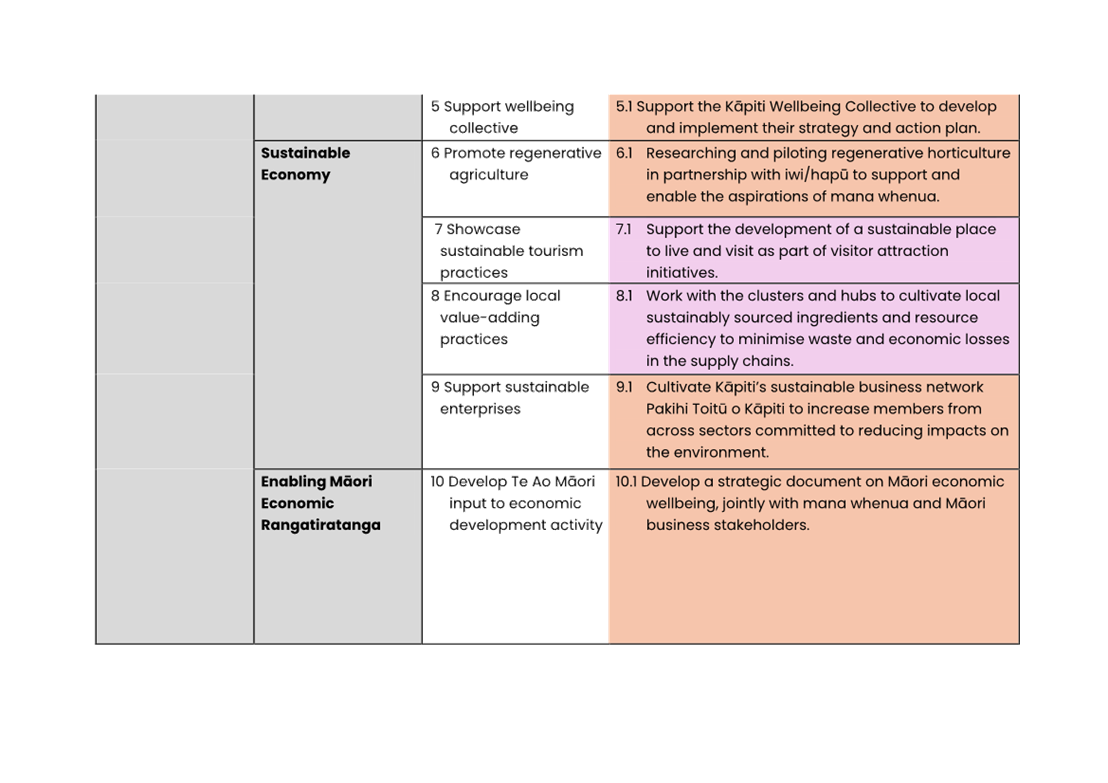
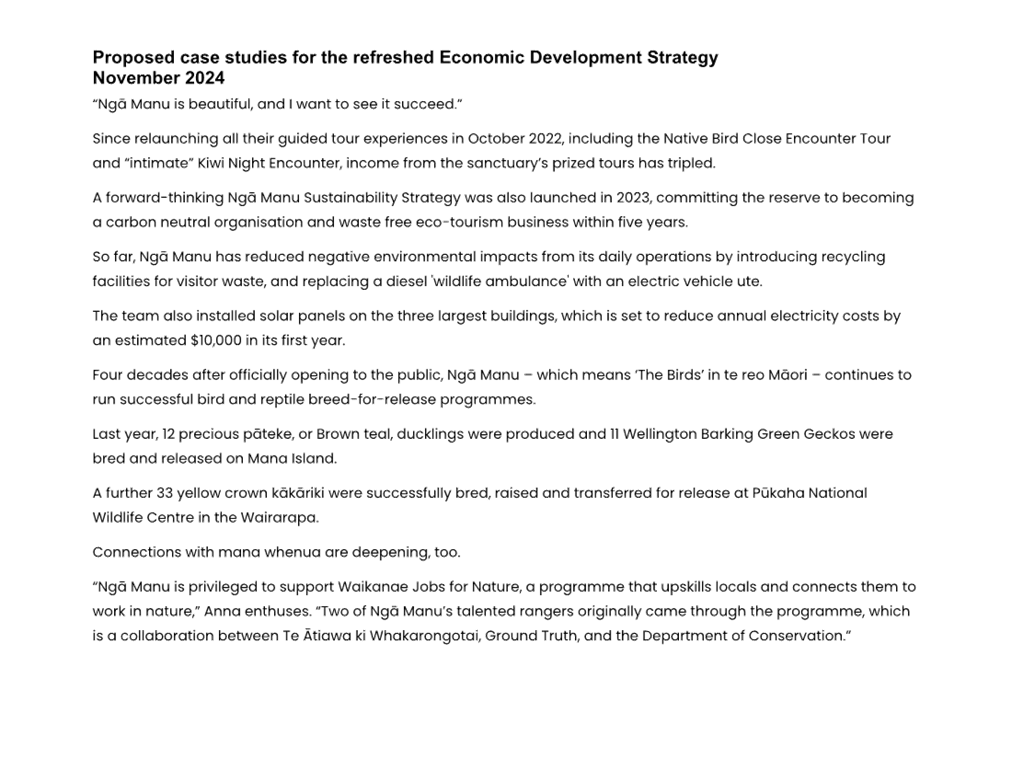
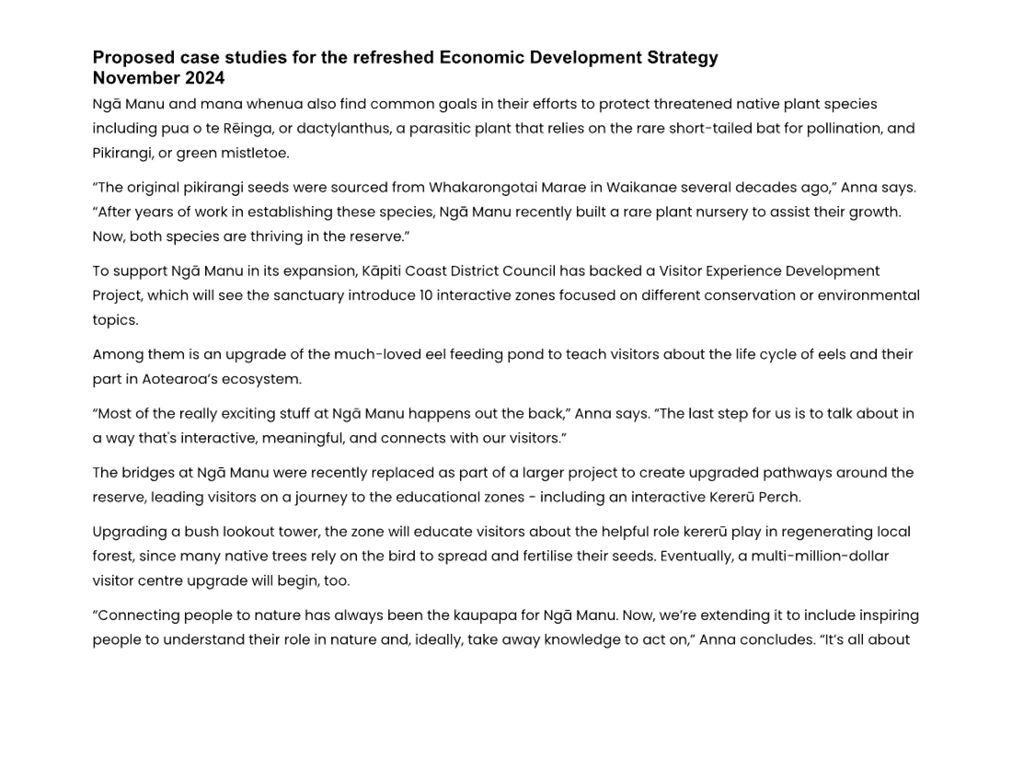
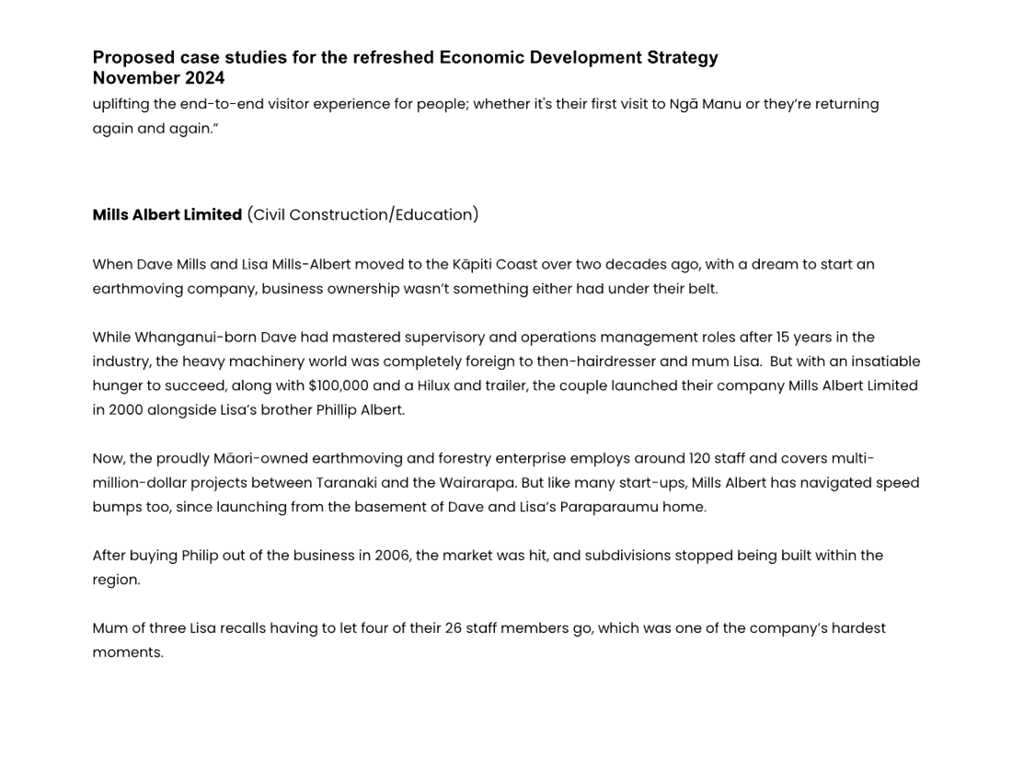
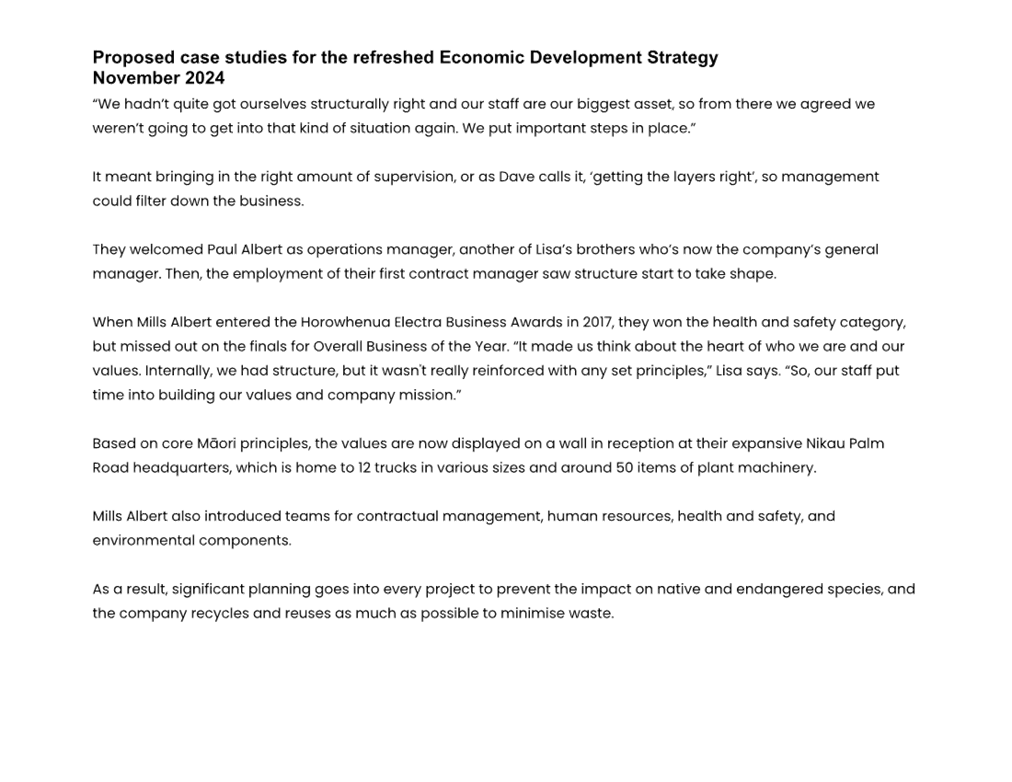
13 An
Action Plan has also been drafted to be a supporting document appended to the
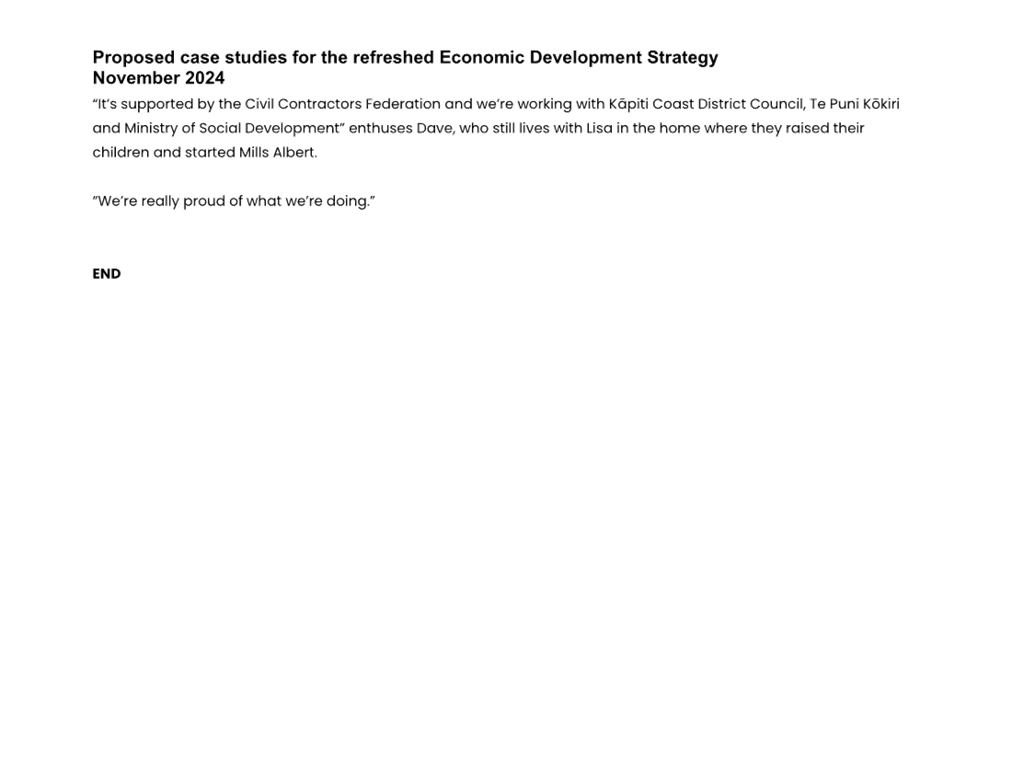
refreshed Strategy (refer to Appendix 2), along with case studies of existing
and planned activity (refer to Appendix 3). This approach ensures that we
continue to build and expand on our successes to date, and also leaves
opportunity to introduce new initiatives over the next three to five years.
Our
strategic approach
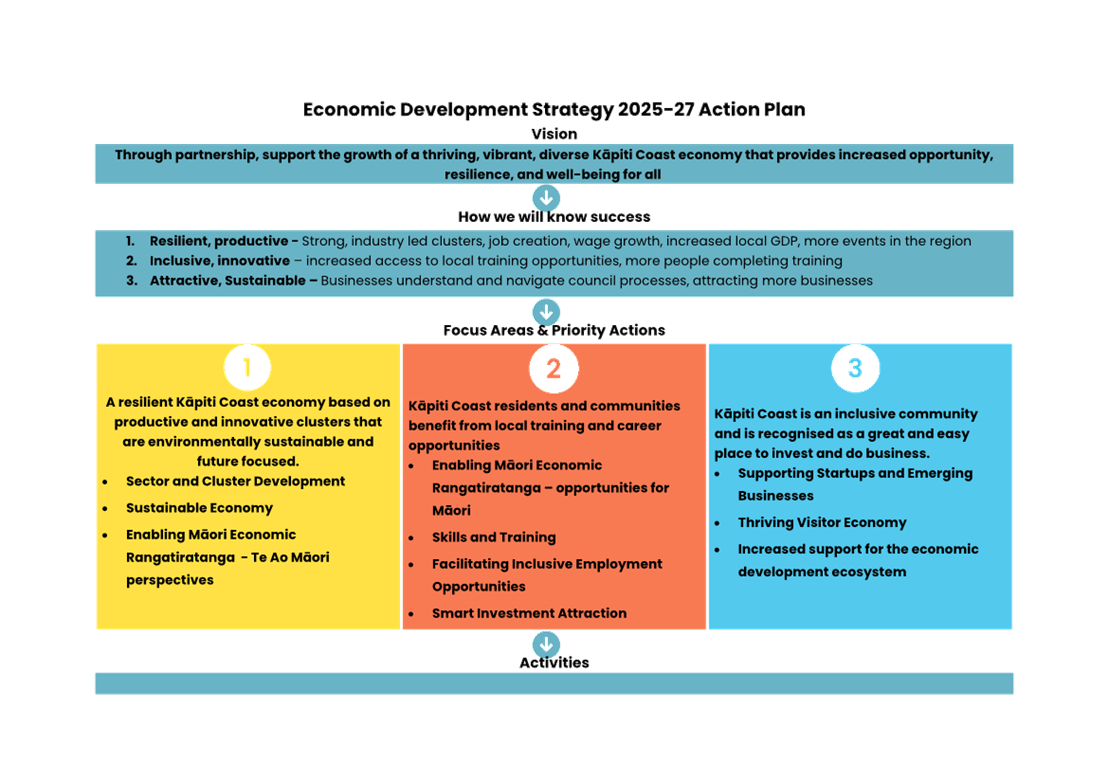
14 The
refreshed Strategy sets out a simple, focused direction for collective action
to improve our economic opportunity in Kāpiti. The overarching vision is
retained and updated, centred on three Focus Areas that align to the economic
doughnut model. These are:
14.1 A
resilient Kāpiti Coast economy based on productive and innovative clusters
that are environmentally sustainable and future focused.
14.2 Kāpiti
Coast residents and communities benefit from local training and career
opportunities.
14.3 Kāpiti
Coast is an inclusive community and is recognised as a great and easy place to
invest and do business.
15 Aims
have been refined to priority actions that capitalise on the momentum of the
past three years. Figure 2 below shows how the new priorities relate to the
previous strategy’s aims.
Figure
2 – refreshed strategy mapping of priority actions to previous aims
16 The
most significant change is in the associated actions and activities to put the
strategy into action, included in the associated action plan (refer to Appendix
2).
Direction
of Travel
17 The
Focus Areas were tested through engagement on the Direction of Travel (DoT),
which was released for feedback in February 2024. The DoT provided a suggested
approach for our community and stakeholders to engage with, and sought feedback
on three questions:
17.1 Do
you think the priority focus areas are the right ones to build on the success
to date and progress further towards our vision? Is there anything missing?
17.2 Do
you support the use of Special Purpose Vehicles (SPVs) to help attract
increased external investment for economic development activities?
17.3 Are
we measuring the right things to know if we are having an impact? Do you know
of other measures that might be appropriate?
18 A
range of feedback was received against these questions as well as some more
targeted feedback from groups such as Te Rōpū Pakihi and the
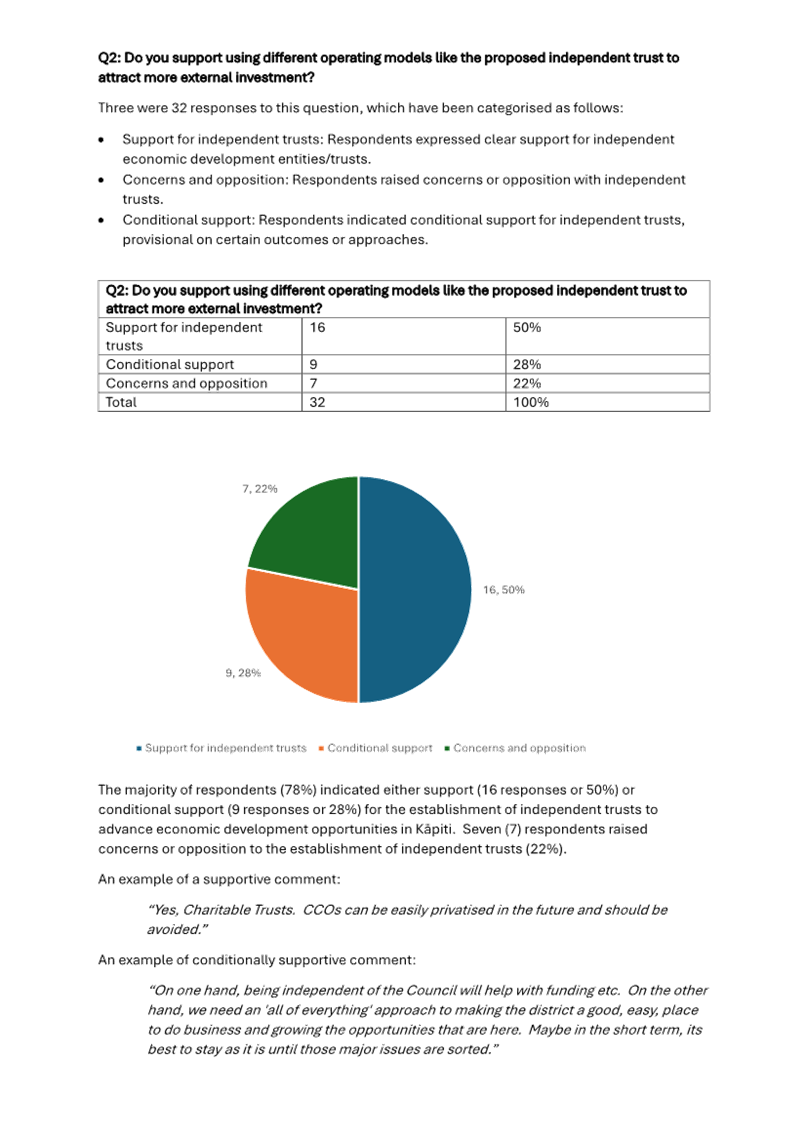
Kāpiti Business Chamber. A review of the feedback shows general agreement
with the focus areas and support for the EDKB to be an independent trust and
utilise Special Purpose Vehicles to enable economic development initiatives and
opportunities.
19 The
measures included in the refreshed Strategy were endorsed by BERL’s Chief
Economist, Hillmarè Schulze, who is a member of the EDKB. However, it
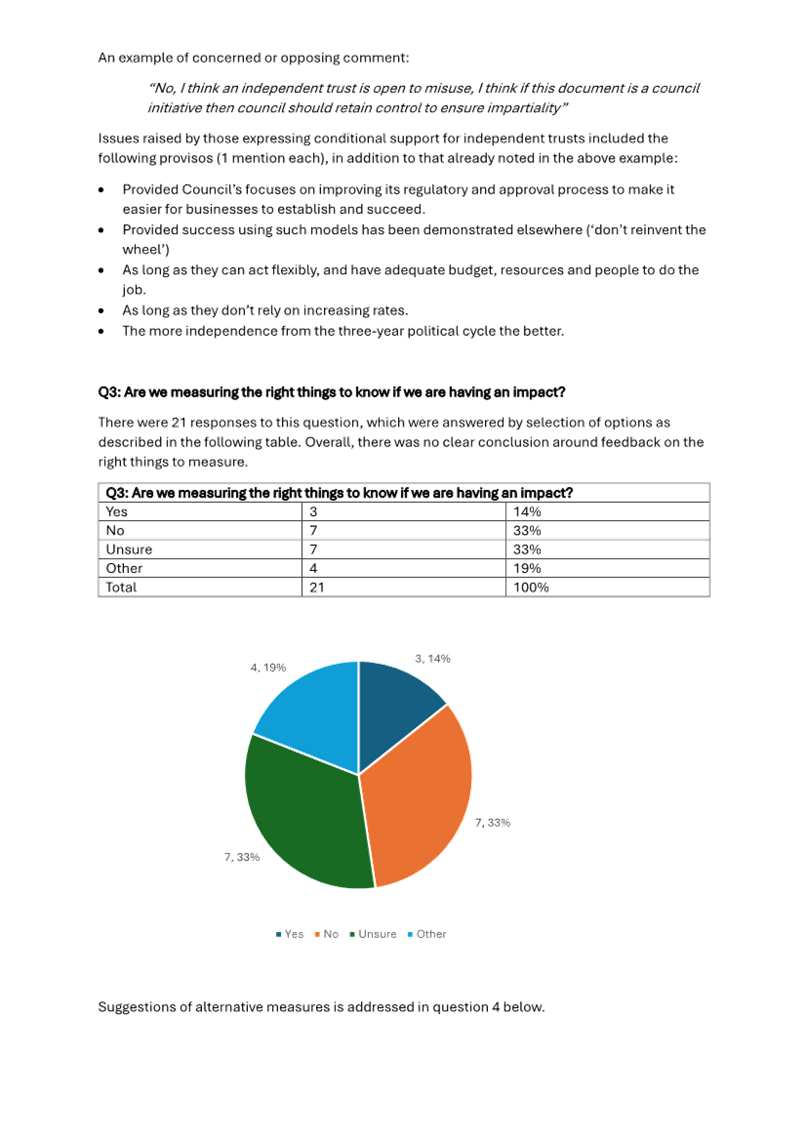
appeared that respondents were unsure about the proposed measures with comments
emphasising the need to evaluate success using broader quality of life
measures. Several additional focus areas were also suggested, as was a stronger
focus on Māori economic development and the contribution of Te Ao
Māori to the local economy.
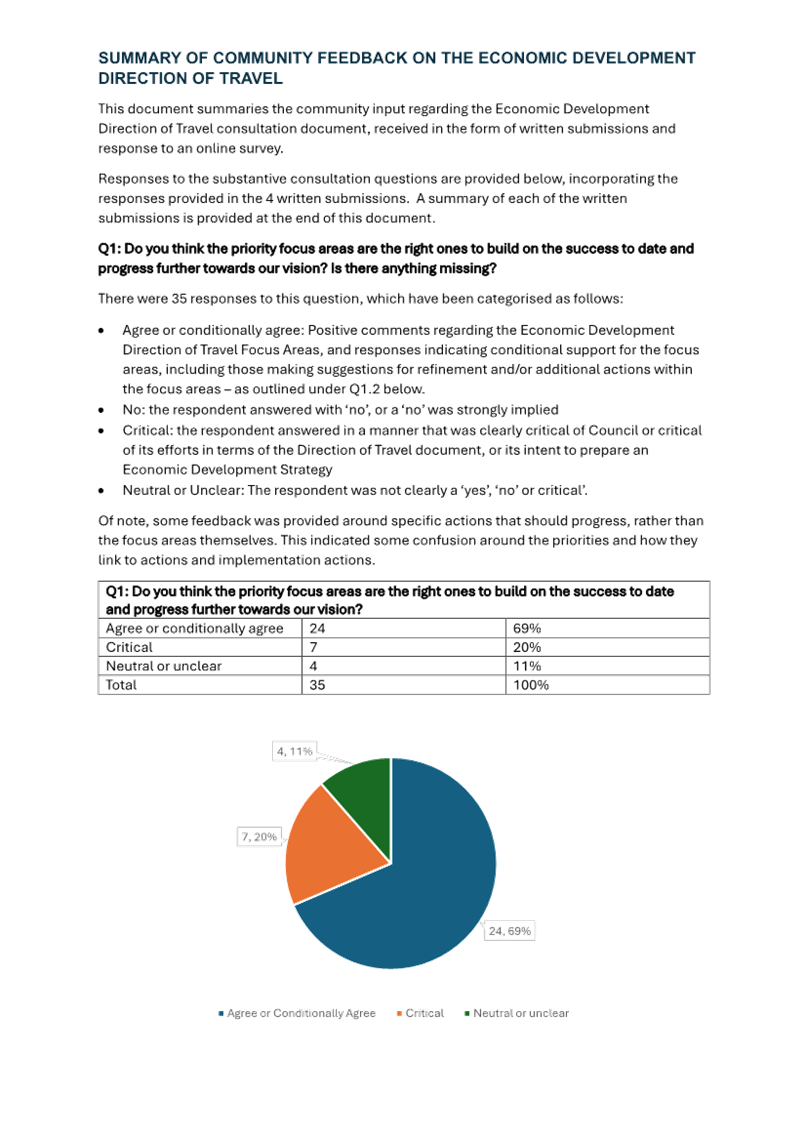
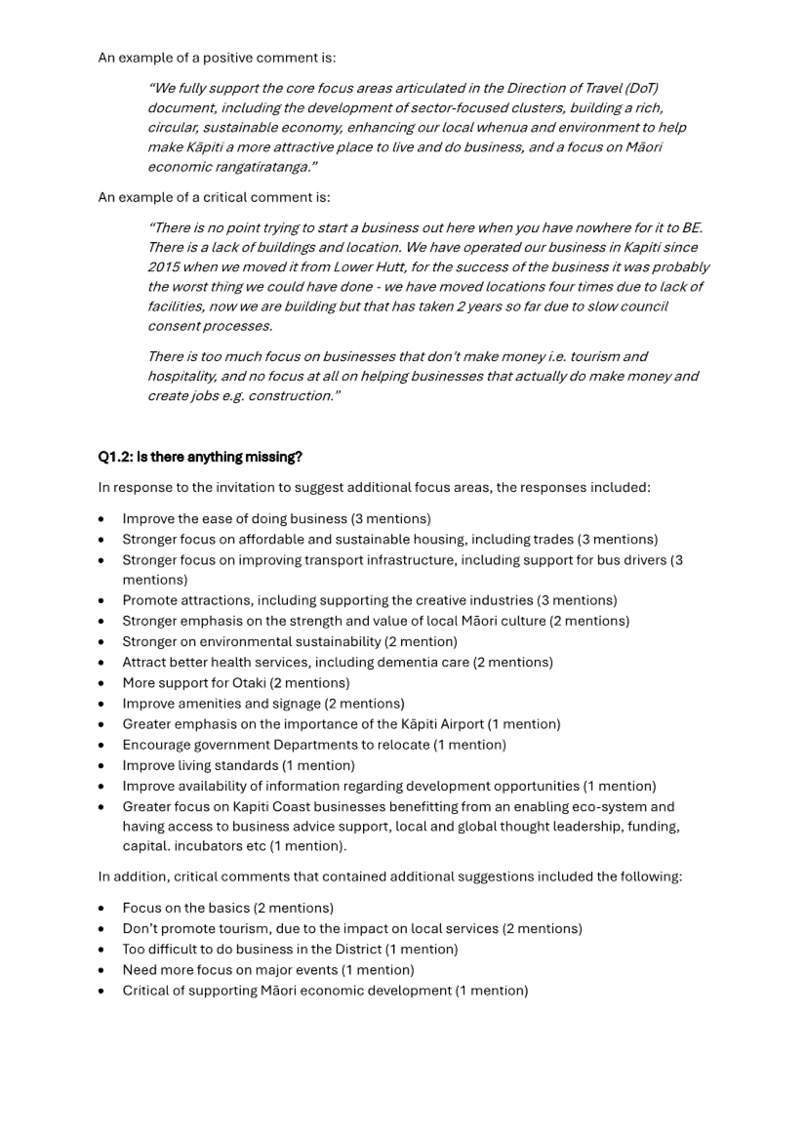
20 Figure
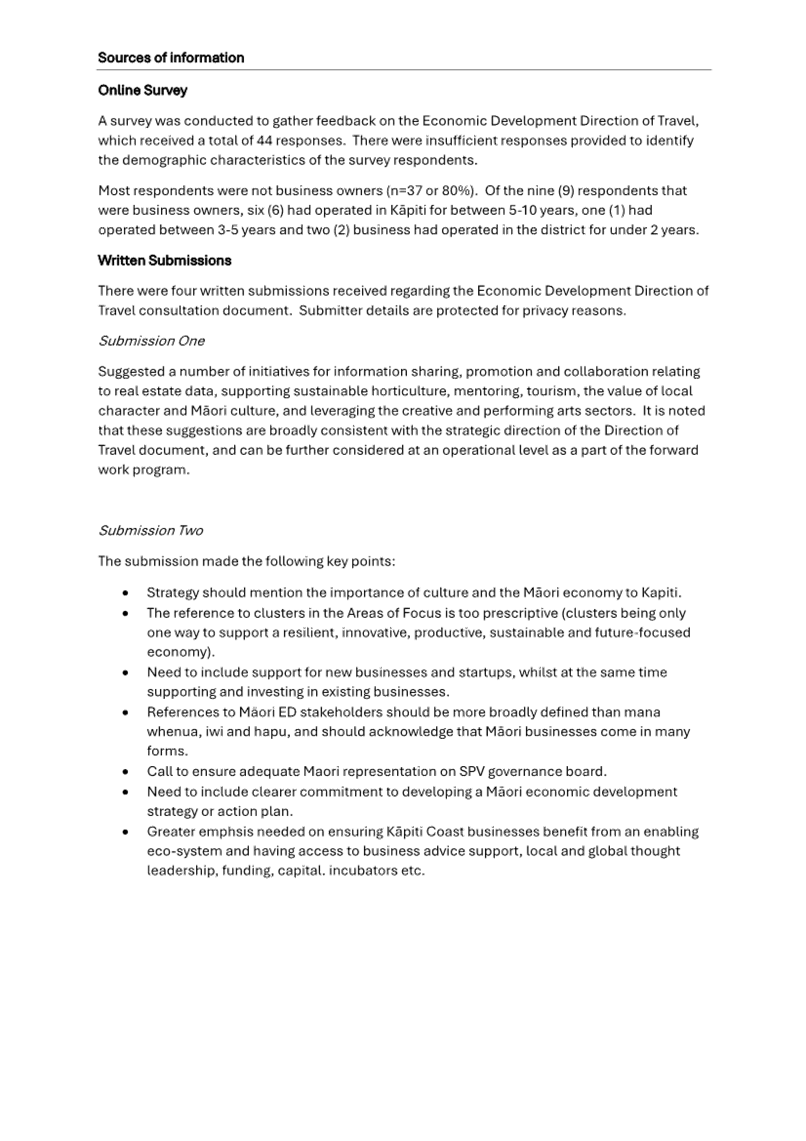
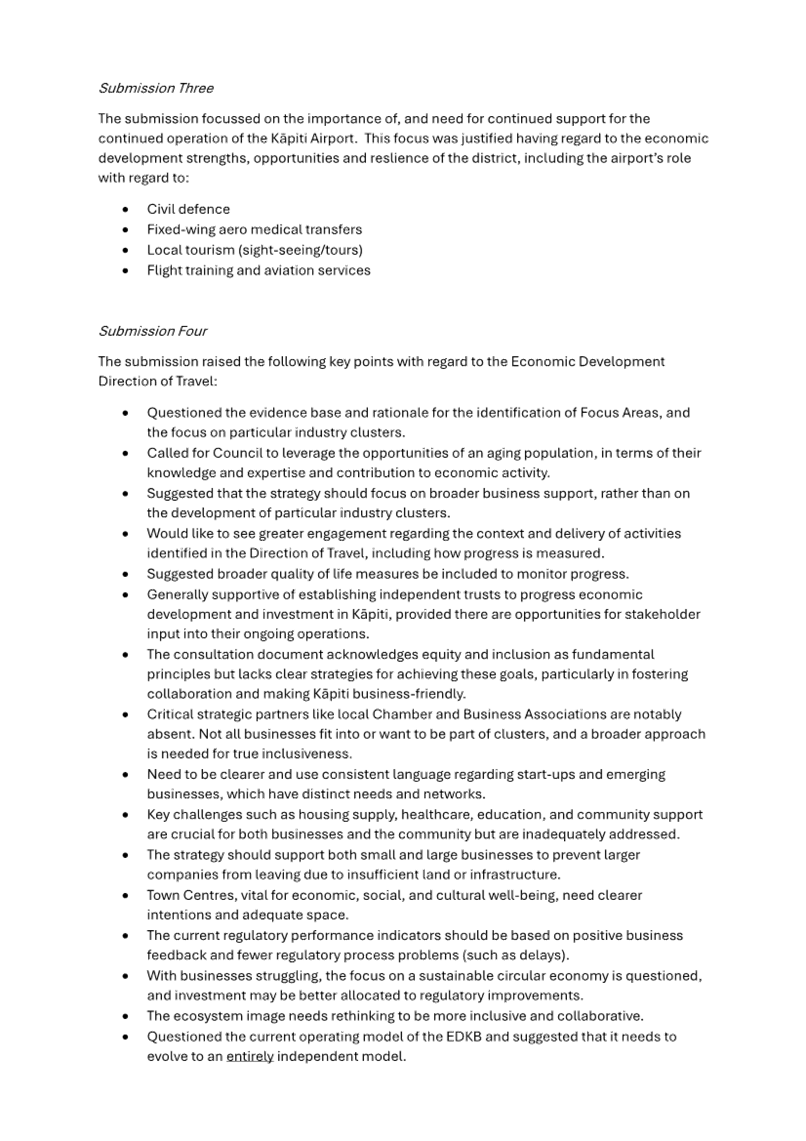
3 provides a summary of what we heard through engagement on the DOT, and what
has been adjusted. A full summary of the feedback received is in Appendix 4.
Figure
3 – summary of changes from DOT feedback
Next
steps
21 Over
December 2024 and January 2025 the EDKB will further engage with key
stakeholders to reflect the changes made in response to feedback on the DOT and
the actions that will deliver on the strategy.
22 A
supporting webpage will be developed in January and February 2025 to create an
interactive space for people to engage in the substantive detail of the
refreshed Strategy. We will come back to the EDKB and SO&F in March 2025 to
approve the release of the final Strategy, via this webpage.
He
take | Issues
23 The
Committee is asked to endorse the refreshed Strategy. It sets the focus for
activity, including that of the new Trust and Limited Liability Company which
Council endorsed, in principle, to establish earlier this year.
24 Ensuring
accountability for delivering against the refreshed Strategy will be of utmost
importance. Going forward, the new legal entities noted in paragraph 23 will
submit a plan for activity before the beginning of each year for Council
agreement, and report on their progress at regular quarterly intervals.
25 Further
to this, an annual Letter of Expectation between Council and the new entities
will set expectations around delivery of activity and funding allocated
from the business rate that Council collects annually.
26 The
EDKB, and new entities, will be expected to lead across and work with the
broader economic development ecosystem to ensure that business and industry is
supported to thrive in our district. Memorandums of Understanding will be
established between the EDKB, and new entities, and key stakeholders to ensure
common goals and understanding of roles and responsibility is maintained.
Ngā
kōwhiringa | Options
27 No
options are proposed. Elected Members are asked to endorse the refreshed
Strategy. Progressing a decision on the substantive material of the ED Strategy
aligns with the broad feedback from the community and key stakeholders, which
show support for improving our economy.
Mana whenua
28 Economic
development is a significant focus for mana whenua and local Māori
business. The refreshed Strategy has particular focus on enabling Māori
economic rangatiratanga. This will be supported through growing opportunities
for Māori economic development and creating a specific strategy to advance
economic opportunities for Māori alongside our iwi partners.
29 Iwi
Māori and Māori business representatives have been involved in the
development of this strategy. Mana whenua are represented on the EDKB and the
views of Māori business were captured through engagement with Te
Rōpū Pakihi.
Panonitanga Āhuarangi me te Taiao | Climate change
and Environment
30 The
decision to endorse the refreshed Strategy does not have any direct
implications for climate or the environment. However, the ED Strategy places a
strong focus on sustainability and resilience. For example, regenerative
agriculture and sustainable tourism are specific workstreams proposed in the
Action Plan. This reflects community values on economic development and is
linked to community aspirations for how the district should grow that Council
heard through Vision Kāpiti.
Ahumoni me ngā rawa | Financial
and resourcing
31 There
are no direct financial or resourcing implications arising from this decision
as the existing Budget for economic development will be used to fund the work
proposed. For 2025/26 and 2026/27, actions have been set through the Long-term
Plan process and are allocated in line with the annual plans proposed and
discussed with Council by the EDKB.
32 The
refreshed Strategy will guide the work of the new legal entities that are
stood-up. Through the establishment period of introducing these entities, it is
envisaged that Council / rate funding will gradually reduce as investment and
new funding revenues are accessed. It is proposed to shift incrementally over
time as follows[2]:
`
33 In
practice, the reduction in Council committed funding from the business rate
will be reflected by the return of an annual dividend/return to Council –
over time, this will be netted out and the rates collected from business will
reduce.
Tūraru ā-Ture me te Whakahaere
| Legal and Organisational Risk
34 No legal or organisational risks
have been identified.
Ngā pānga ki ngā kaupapa here | Policy impact
35 The
refreshed Strategy is intended to replace the existing Economic Development
Strategy 2020-23. The ED Strategy is one of Council’s five core operating
strategies in its strategic architecture. It will guide Council and EDKB
activities over the next three years.
36 Council
is also working on the development of an Outcomes Reporting Framework. Once
this is complete, we will check in on the Strategy to ensure alignment between
the two.
TE whakawhiti kōrero me te
tūhono | Communications &
engagement
Te mahere tūhono | Engagement
planning
37 Council
and the EDKB have engaged with the sector and public through the Direction of
Travel. This input was used to inform the draft Strategy. Given the level of
change made between the Direction of Travel and the draft Strategy is not
considered significant, further public engagement on the draft Strategy is not
recommended. However, the EDKB will follow up with key stakeholders to discuss
the final proposed product prior to publication in March 2025.
Whakatairanga |
Publicity
38 A
communications plan will be developed to support engagement on the Strategy,
and its release in March 2025. Council will use established communications
channels to inform the community of this decision and what it means. This will
include joint communications releases in partnership with the EDKB and a web
page.
Ngā āpitihanga | Attachments
1. Draft,
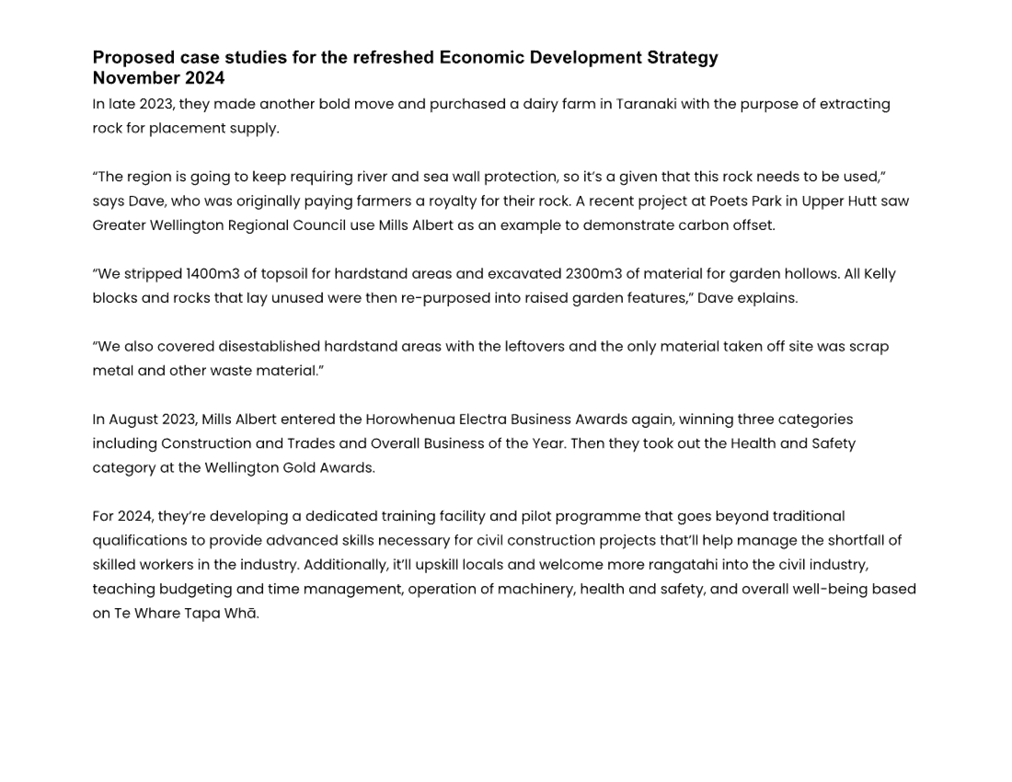
refreshed Economic Development Strategy 2024-27 (substantive content) ⇩ 
2. Economic
Development Strategy Appendix C - Action Plan ⇩
3. Economic
Development Strategy Appendix D - summary case studies ⇩
4. Economic
development Direction of Travel Survey Feedback ⇩
|
Strategy, Operations and Finance Committee
Meeting Agenda
|
5 December 2024
|

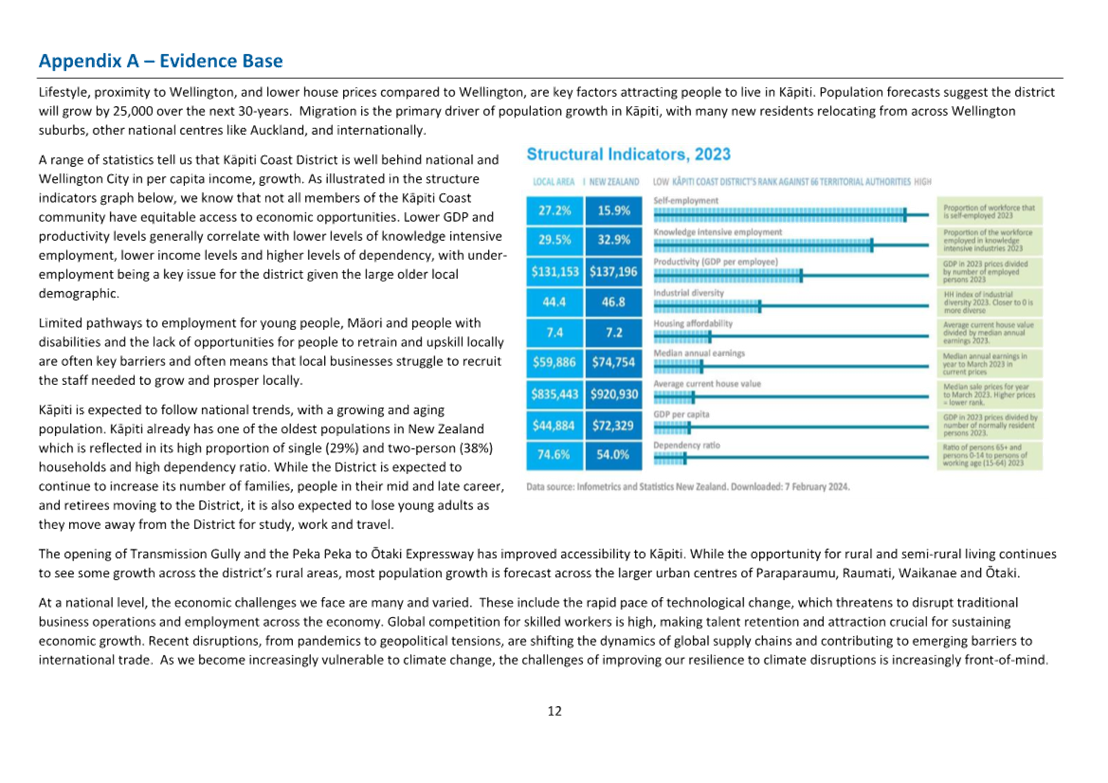
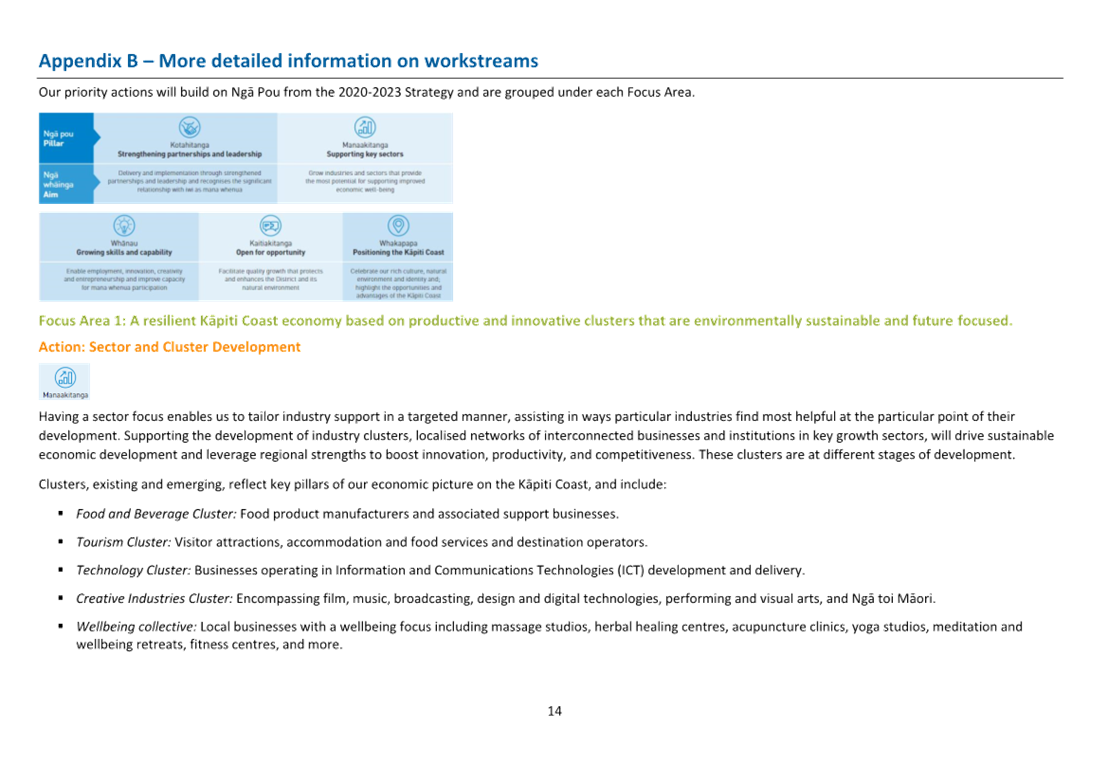
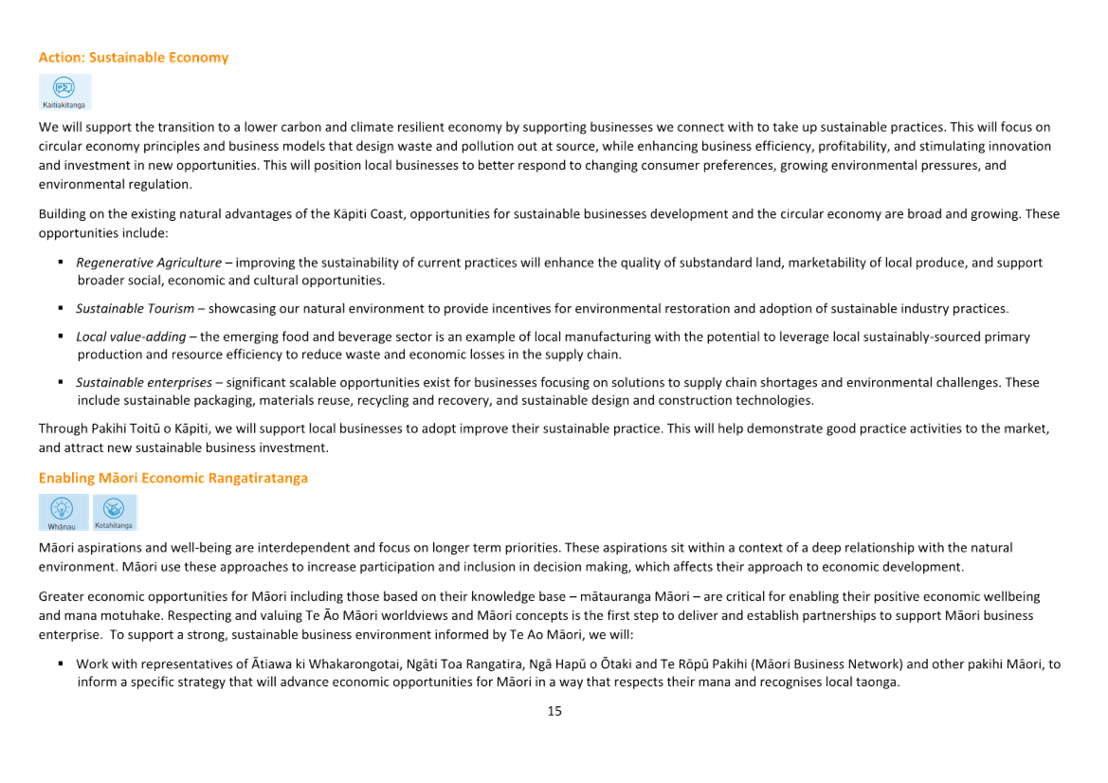


|
Strategy, Operations and Finance Committee
Meeting Agenda
|
5 December 2024
|
|
Strategy, Operations and Finance Committee
Meeting Agenda
|
5 December 2024
|
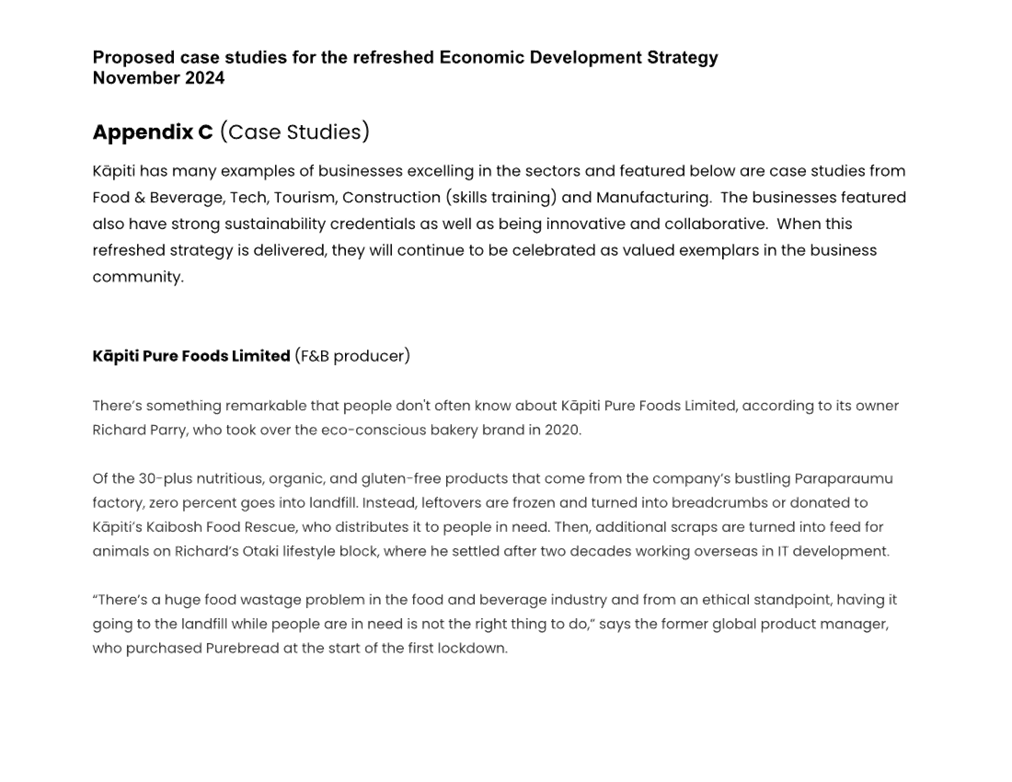
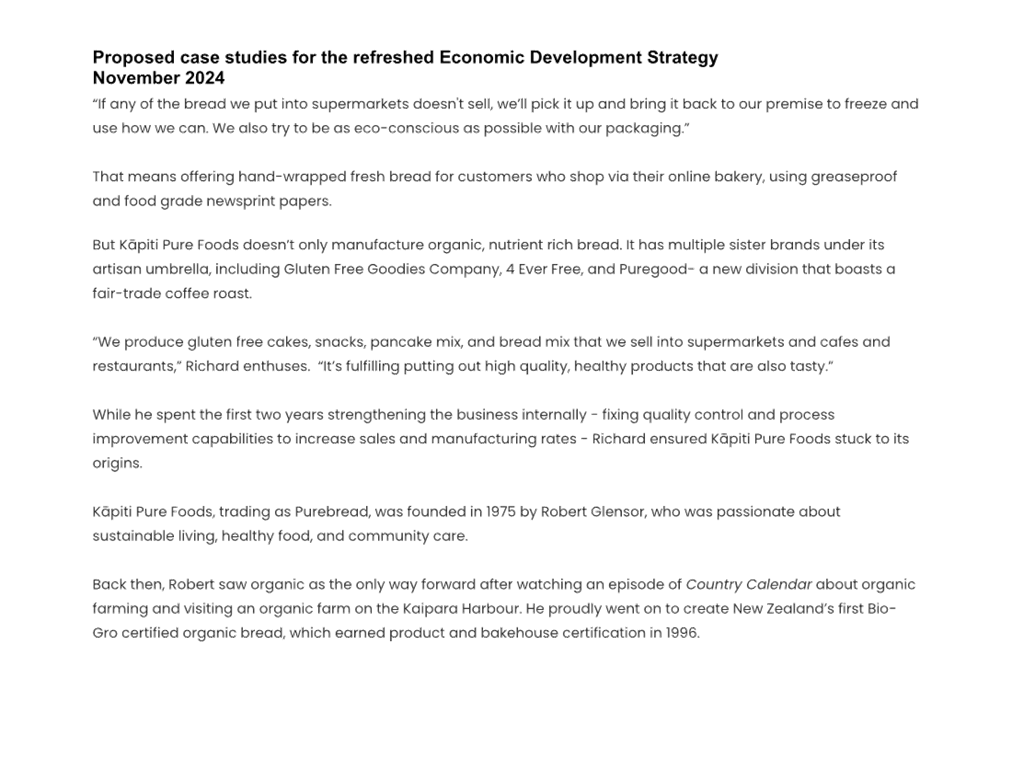
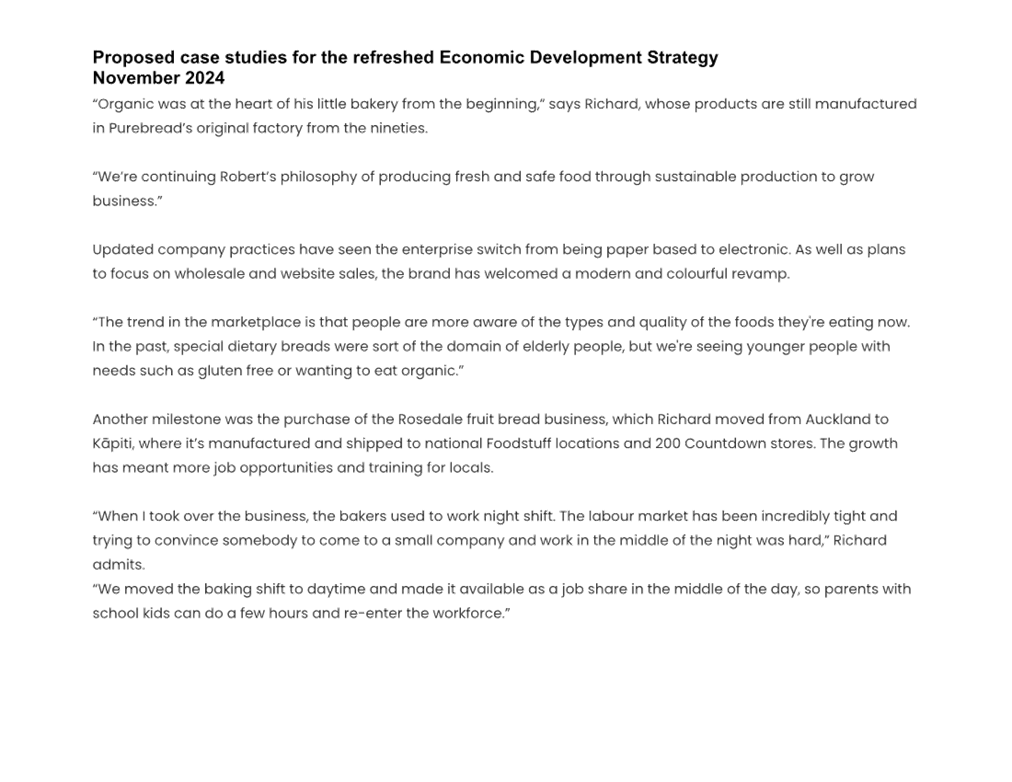
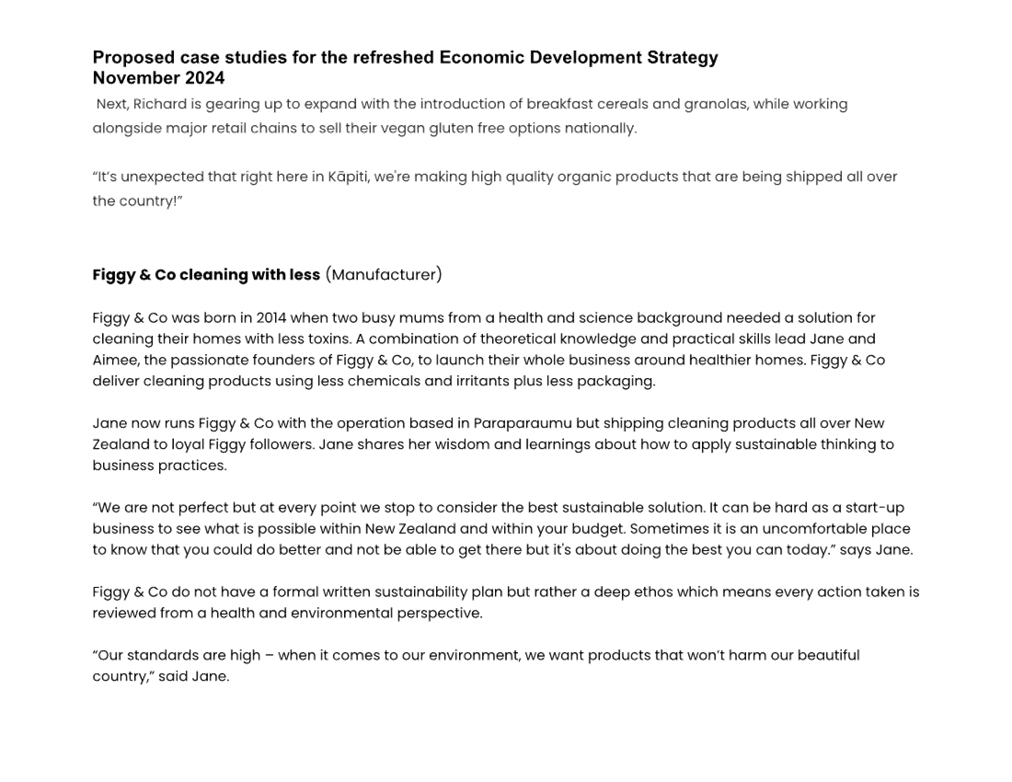
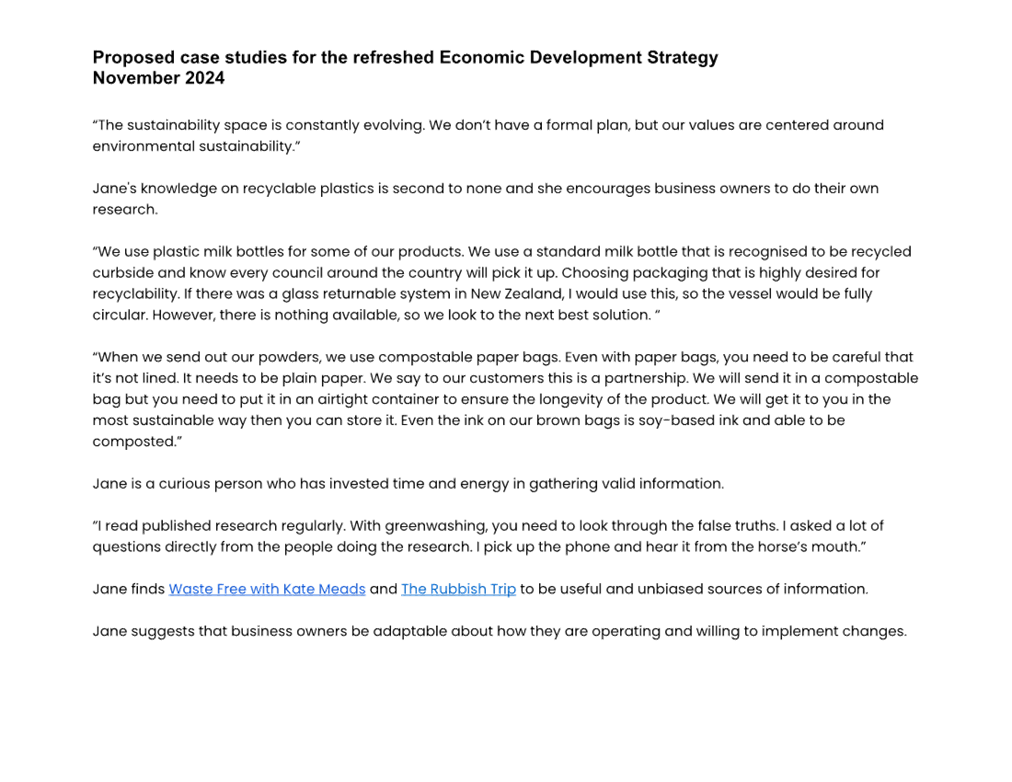
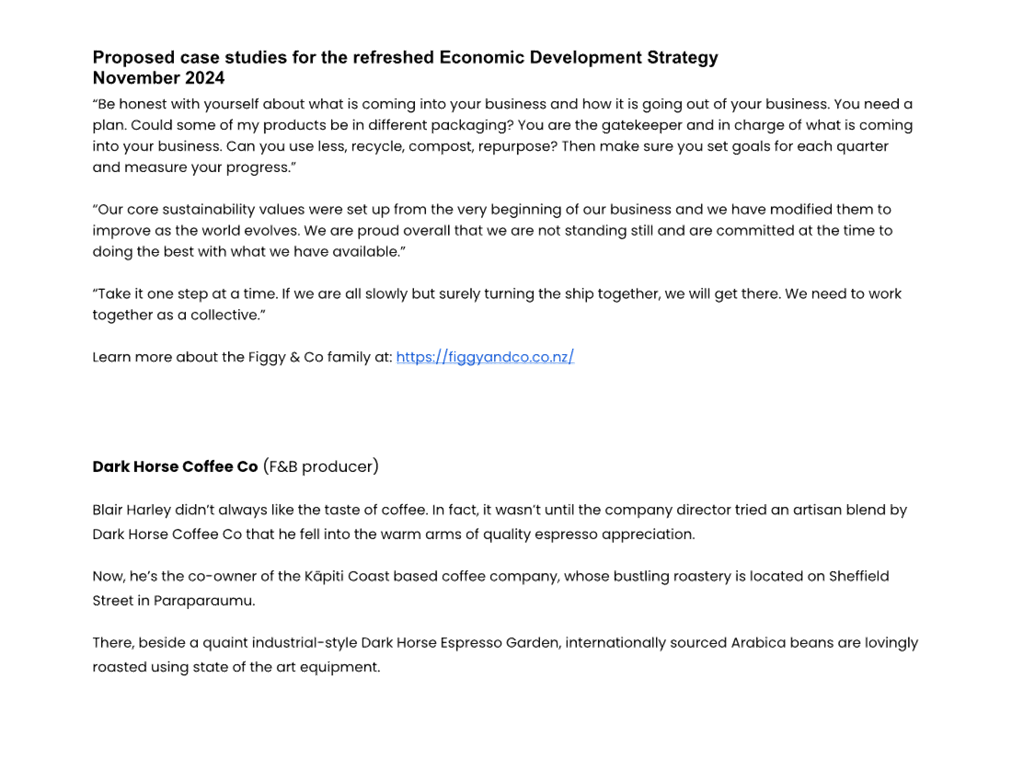
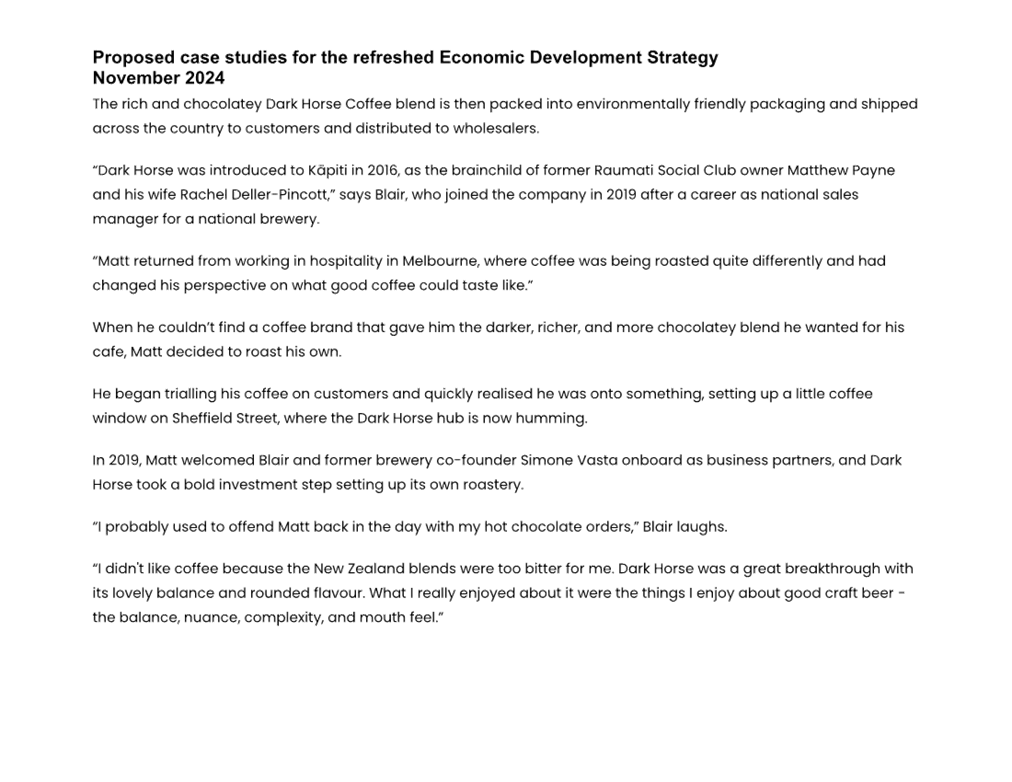
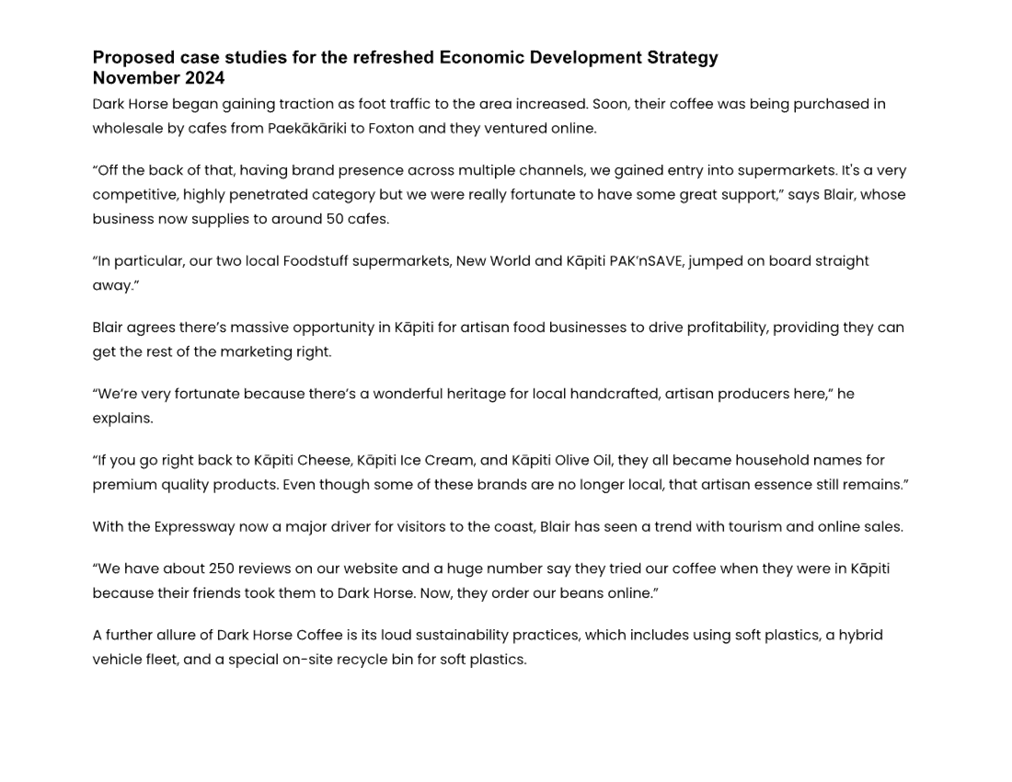
|
Strategy, Operations and Finance Committee
Meeting Agenda
|
5 December 2024
|

|
Strategy, Operations and Finance Committee
Meeting Agenda
|
5 December 2024
|
9.2 Affordable
Housing Trust: steps to settle the Trust
Kaituhi |
Author: Stephen
Cross, Housing Programme Manager
Kaiwhakamana
| Authoriser: Kris Pervan, Group Manager Strategy & Growth
Te pūtake |
Purpose
1 This
paper updates you on the establishment of the Affordable Housing Trust,
including:
1.1 Confirmation
of the appointment of Trustees
1.2 The
Trustees consideration of the Trust Deed and Relationship Framework Agreement,
and
1.3 Final
steps to settle the new Affordable Housing Trust.
He
whakarāpopoto | EXecutive summary
2 An
executive summary is not required for this report.
Te tuku haepapa
| Delegation
3 The
Strategy, Operations and Finance Committee has the authority to consider this
matter.
Taunakitanga | RECOMMENDATIONS
That the Strategy, Operations and Finance Committee:
A.
Note that the Independent Trustees have now been appointed to the
Affordable Housing Trust using the process approved by Council on 29 February
2024.
B.
Note the Trustees have considered the draft Trust Deed and
Relationship Framework Agreement (“RFA”) which were approved in
principle by Council on 29 February 2024 and have made suggested changes for
consideration.
C.
Note that Council has received legal advice on the changes and
that changes proposed by the Trustees to do not affect the fundaments of the
Trust Deed and in terms of the RFA are not substantive, therefore, subsequent
Council approval of the documents is not required.
D.
Note that further to the decision made by Council on 29 February
2024, the Mayor and Chief Executive have the delegation to finalise and agree
the documentation with the Trust, enabling the Trust to be settled.
E.
Note that the Trust will be settled on the 11 December 2024, and
that discussion of a potential first project for the Trust will be discussed in
February 2025.
That the Strategy, Operations and Finance
Committee:
Tūāpapa | Background
4 On
29 February 2024, Council:
4.1 Approved
in principle the Trust Deed and RFA, documentation required to establish the
Affordable Housing Trust. It was acknowledged that Trustees, once appointed to
the Trust would consider the documentation and may suggest changes before the
documents were finalised.
4.2 Resolved
to delegate the power to finalise and agree the Trust Deed and RFA to the Chief
Executive and Mayor. The documents were to be finalised following the receipt
of feedback from the Trustees and after a review of suggested changes was
undertaken by Council’s General Counsel to confirm that suggested changes
were not substantive.
4.3 Approved
the process for appointing Trustees.
He
kōrerorero | Discussion
5 Trustees
have now been appointed to the Trust, using the process approved by Council on
29 February 2024. Appointees to the Trust are as follows:
|
Trustee
|
Role
|
Biography
|
|
Murray Edridge
|
Council Appointed
Trustee
Interim Chair
|
Murray is the
Wellington City Missioner and is the Council appointee to the Trust.
Kāpiti based, he has held governance and leadership roles in business,
community, church, and sporting organisations and has worked with children
and families for many years, including as chief executive of Barnardo’s
New Zealand and deputy chief executive in the Ministry of Social Development.
He was ordained in 2023. Rev Edridge comes from a commercial background as a
chartered accountant. He lives in Kāpiti and has been appointed interim
chair of the trust.
|
|
Kim Tahiwi
|
Te Whakaminenga o
Kāpiti appointed Trustee
|
Kim is a kaiarahi (leader)
representing Ngā Hapū o Ōtaki on the Kāpiti Coast
District’s independent Economic Development Kotahitangi Board.
|
|
Alison Cadman
|
Independent Trustee
|
Alison has worked in the
community housing sector for 20 years. She is former chief executive of the
Dwell Housing Trust, board member of the Winston Churchill Memorial Trust,
and trustee of the Newtown Ethical Lending Trust.
|
|
Cindy Foote
|
Independent Trustee
|
Cindy brings 30
years of experience in property management to the Trust. She is the
director/owner of local business Jade Property Management and has extensive
networks in Kāpiti Coast District communities.
|
|
Greg Foster
|
Independent Trustee
|
Greg is territorial
director of property and social housing with the Salvation Army. He has 25
years of experience working in governance and operational roles including
Habitat for Humanity.
|
|
Waipuna Grace
|
Independent Trustee
|
Waipuna (Ngāti Toa,
Ngāti Raukawa and Te Ātiawa) is the kaiwhakahaere ratonga pakihi
business services and community manager of Ngāti Toa community housing
provider Te Āhuru Mōwai. She is also a member of the Kāpiti
Coast Economic Development Kotahitanga Board.
|
|
Alexandra Hare
|
Independent Trustee
|
Alexandra is an executive
adviser and governance professional with two decades of experience in the
energy, water, and environmental sectors. Alexandra currently serves in
multiple governance roles within the infrastructure, environmental
stewardship, and non-profit sectors in Aotearoa New Zealand. She is a member
of Engineering New Zealand and the New Zealand Institute of Directors.
|
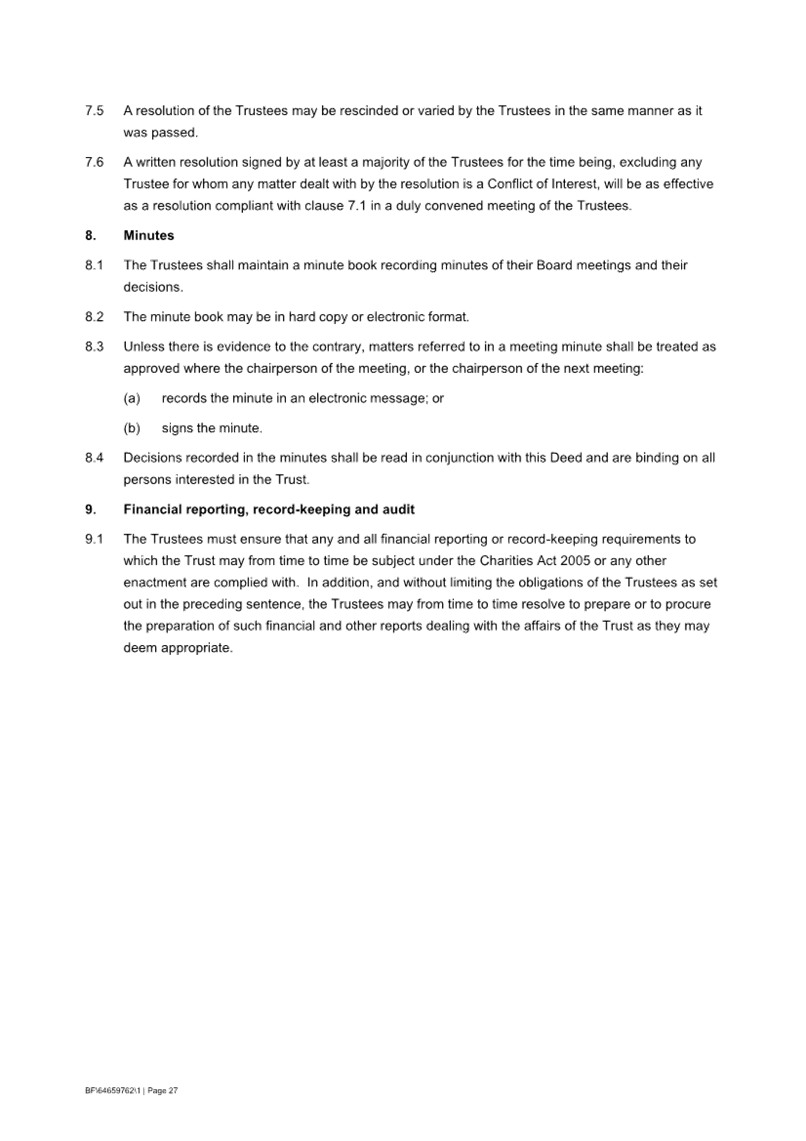
6 The
Trustees have now met and considered the draft Trust Deed and RFA
documents. Based on this review they have made some suggested changes for
noting by Council.
7 As
discussed with Elected Members on 29 October 2024, the key changes requested by
the Trustees are in relation to the draft Trust Deed are minor in nature, as
follows:
|
Clause / Section
|
Proposed amendment by Trustees
|
Council comments
|
|
Trust Name
|
Kāpiti Housing
Solutions
|
N/A
|
|
Interpretation / Trustee
Skills and Experience
|
Trustees will have one or
more of the following skills listed.
|
Changes proposed so it is
clear that the collective Trustees hold the requisite skills and experience,
rather than each individual. This has always been the intention for the
Trustees therefore is a minor change.
Agree to change.
|
|
Registration
and Status
Clause
5.2, 5.3 & 5.4.
|
Remove wording “to be
eligible for subsidies” and requirement to maintain status as a
provider.
|
Council agrees wording is
not required as the Trust will be required to maintain relevant requirements
as an outcome of registration. Council agrees that the Trust as an
independent entity should have the flexibility to decide to suspend or alter
their status as a Community Housing Provider in the future if required. The
intention has always been that registration as a Community Housing Provider
(and the maintenance of this registration) is a decision for the Trust to
make, rather than a critical requirement for the new entity. This is
therefore a minor change.
Agree to change.
|
|
Keeping Records
Clause 14.5 / Schedule 1.1
(q)
|
Remove requirement for the
Trust to arrange an audit and obtain approval to appoint a chartered
accountant
|
The
Trust will be independent of Council.
Council
has confirmed that as Council will not have a significant influence on Trust
activity there is no requirement to consolidate into Council accounts.
Council is able to agree to
the removal of the requirement for Trustees to consult with the Settler
before appointing a chartered accountant and for the requirement for a
financial audit to be replaced with ‘independent review’.
Council notes the Trust
will still need to comply with any requirements that result from registration
as a charity and Community Housing Provider, which could introduce a separate
requirement for audited accounts (the Charities Act requires this for medium-sized
charities as defined under the Act).
Agree to change.
|
|
Conflict Transaction
Clause 17 / Schedule 3
(Clause 6)
|
Replace “conflict
transaction” with “conflict of interest”.
|
Minor
changes have been made to language for clarity. This does not affect the
operation of these clauses.
Proposed change also
inserted at clause 6.3 of Schedule 3 to reflect Trust’s request to
maintain a conflict-of-interest register.
Agree to change.
|
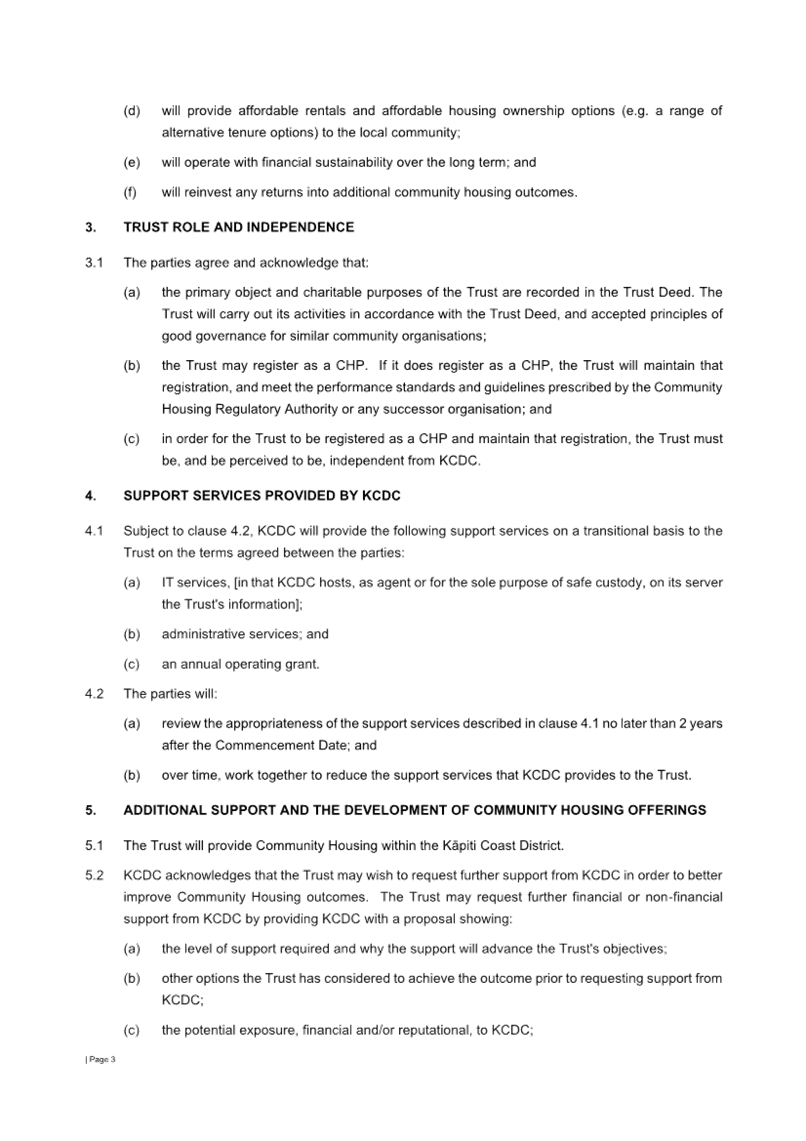
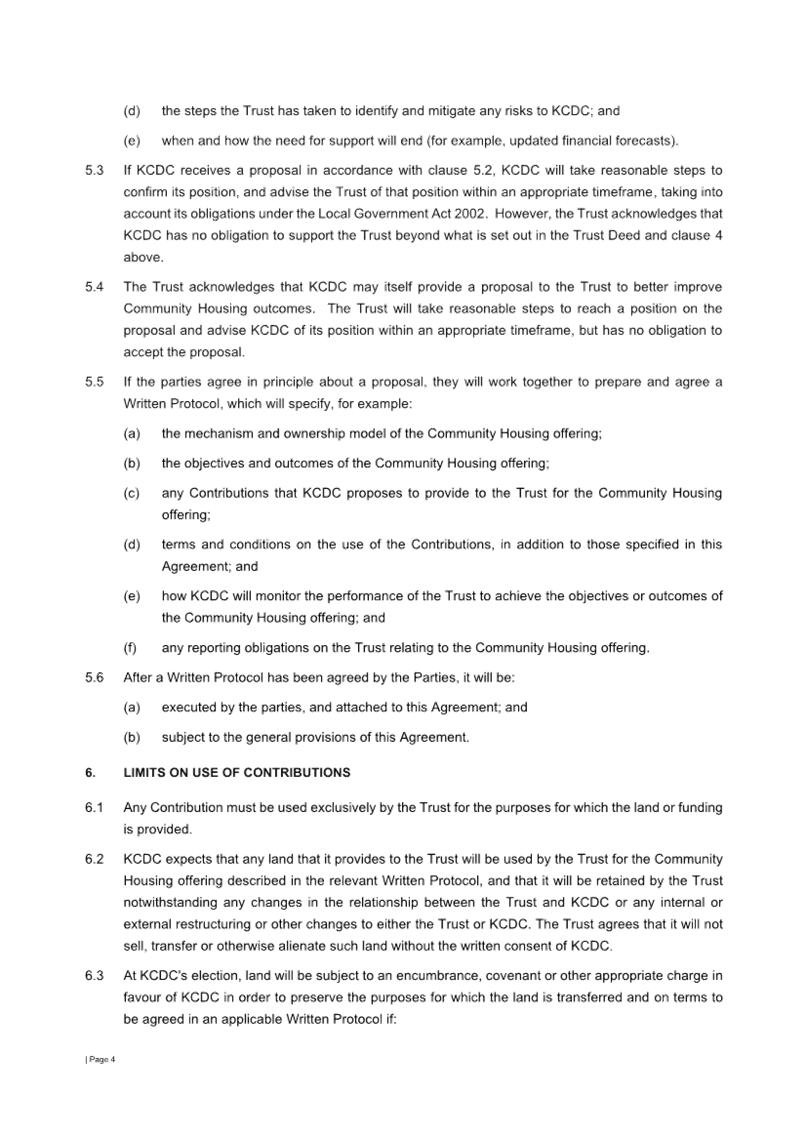
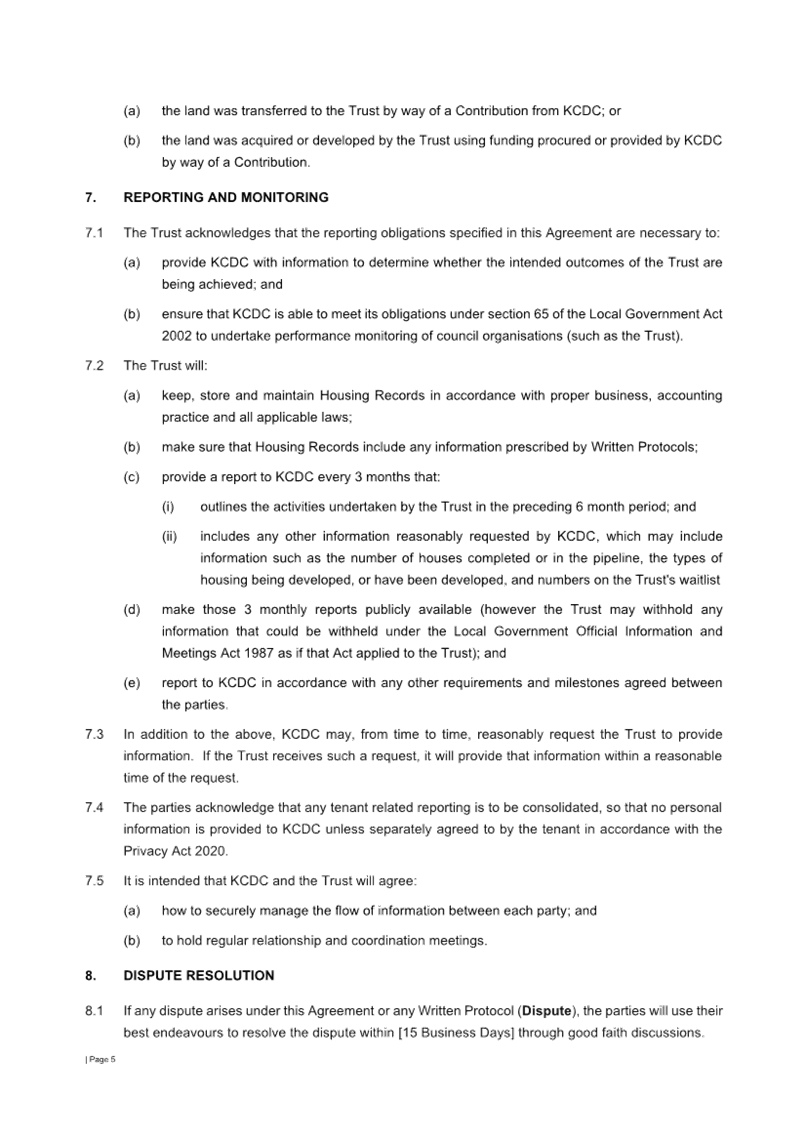
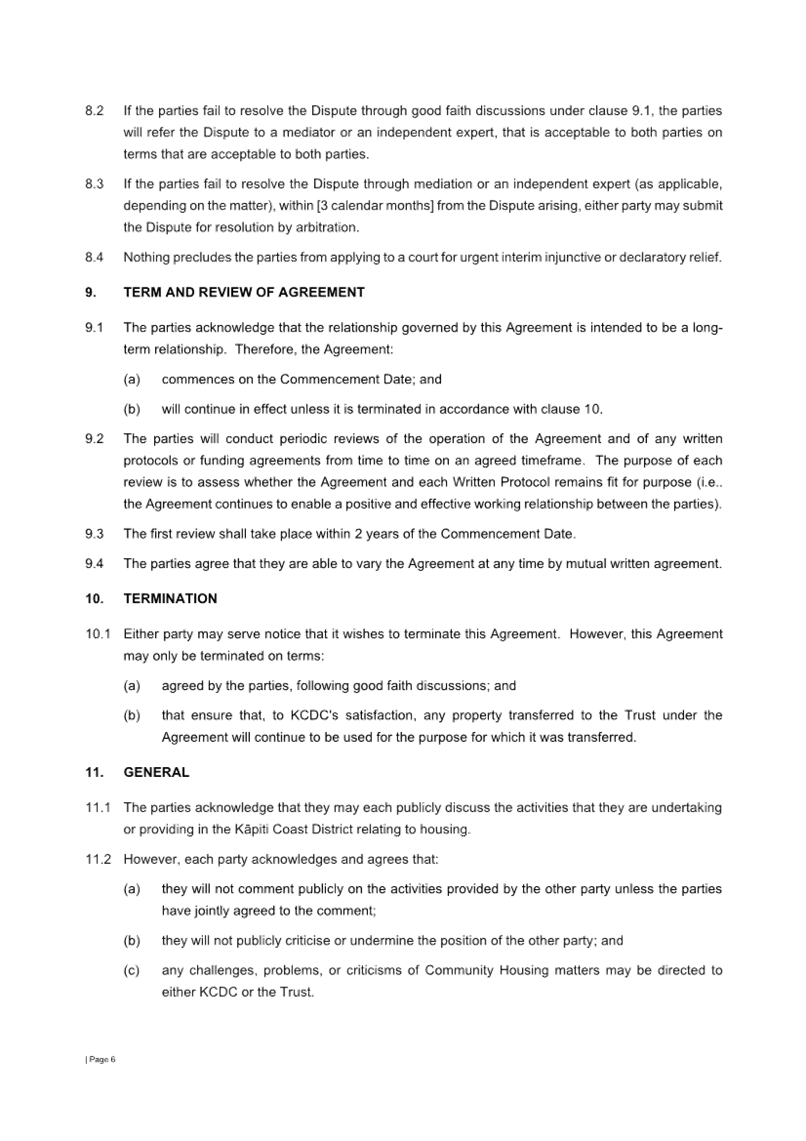
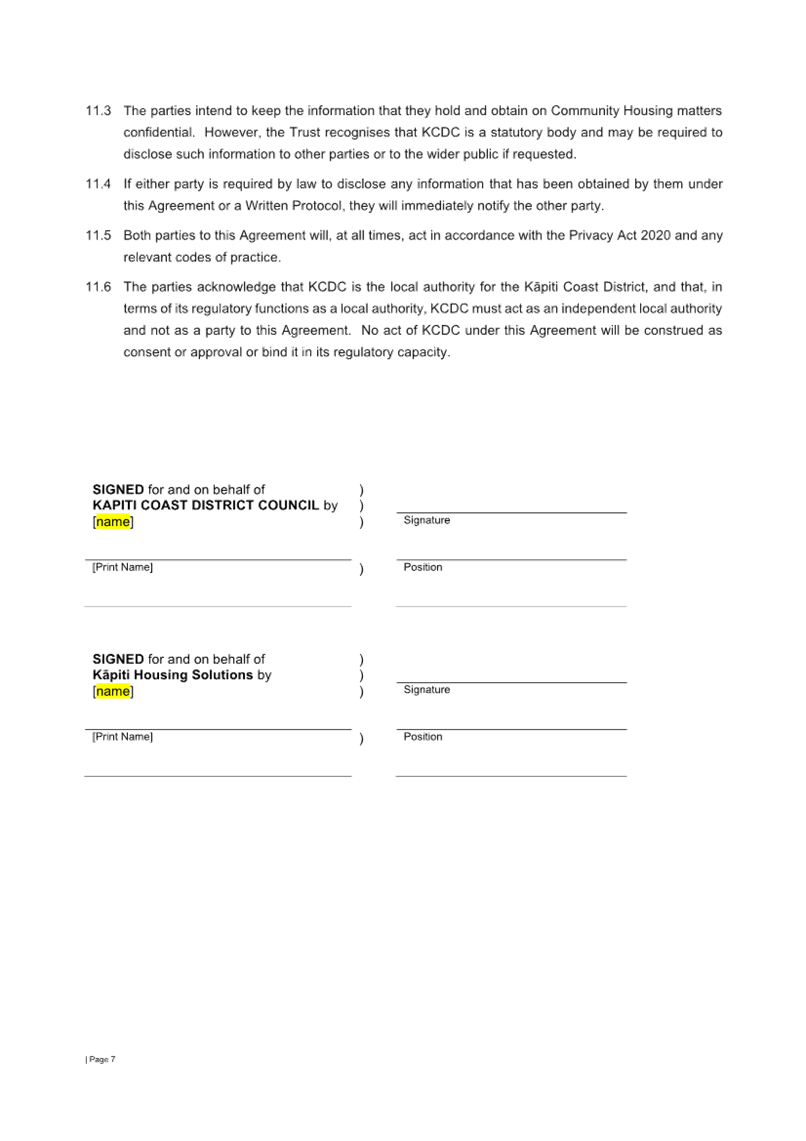
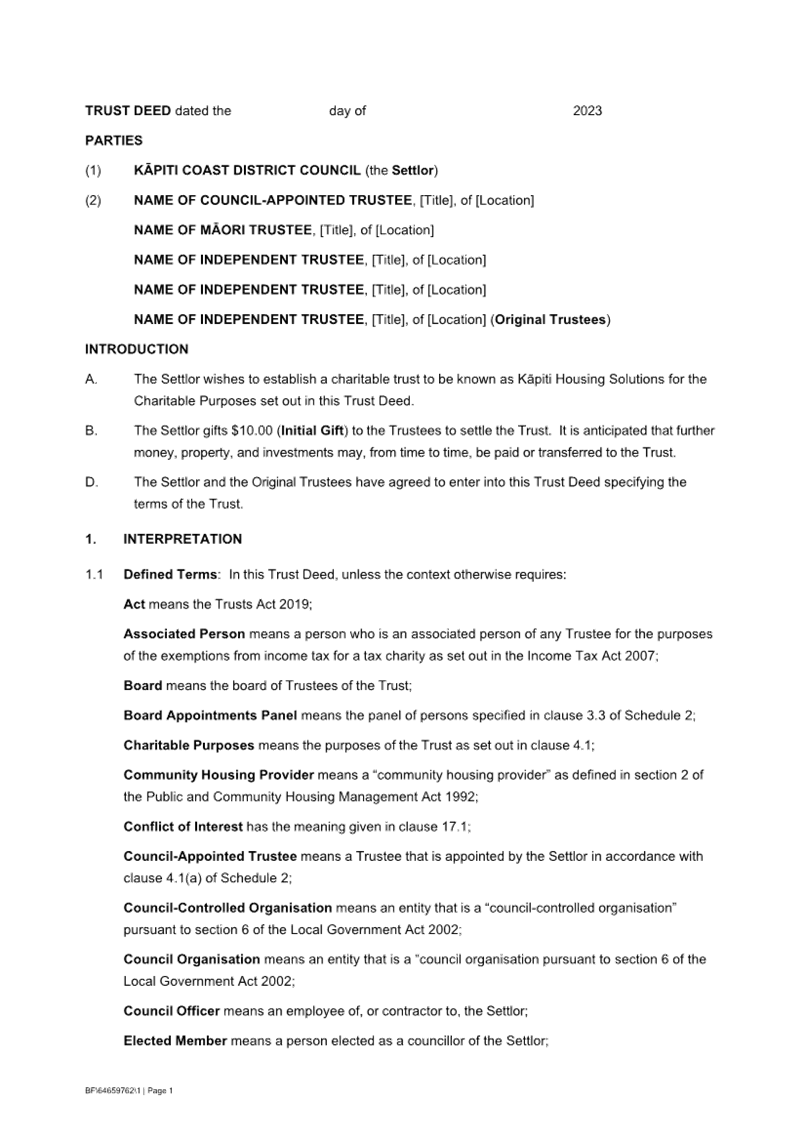
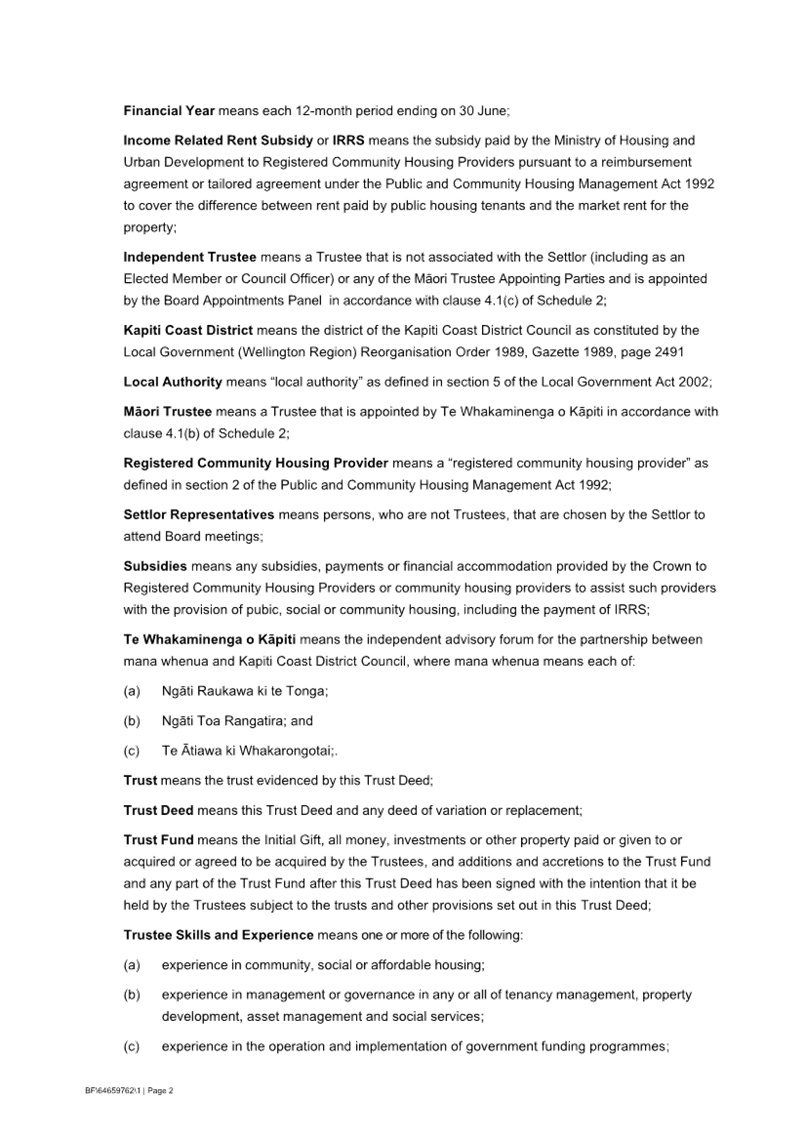
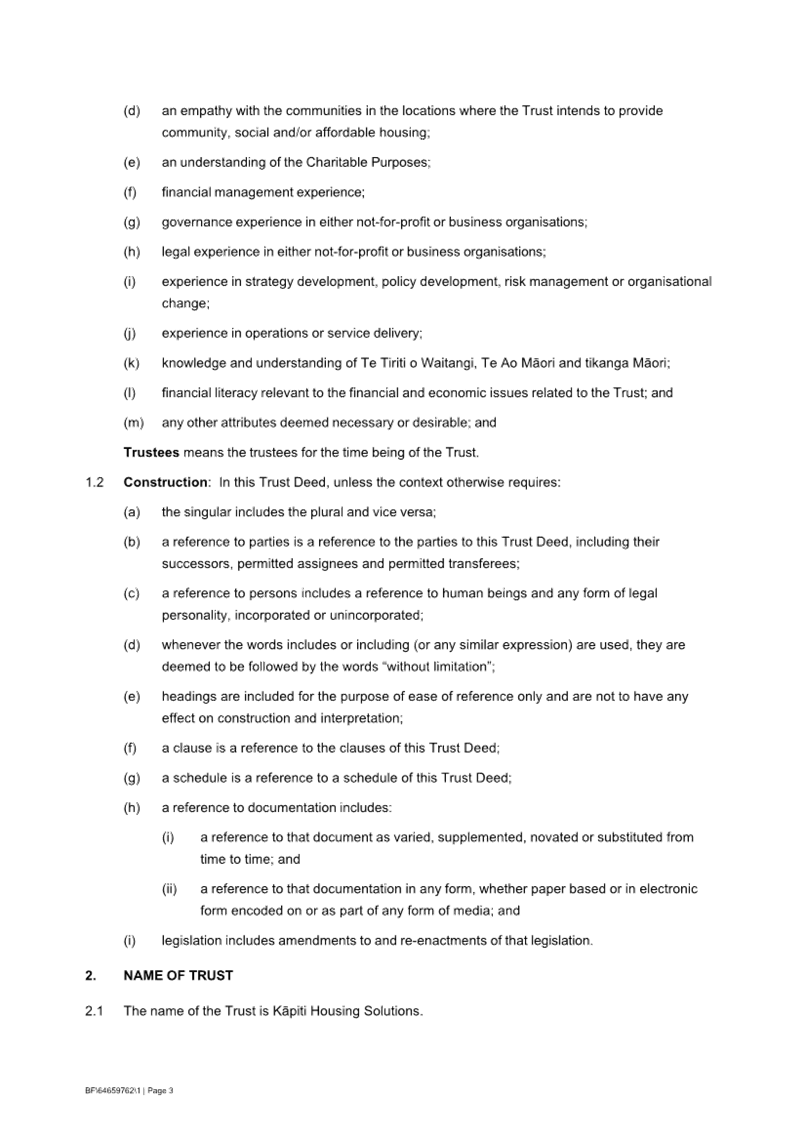
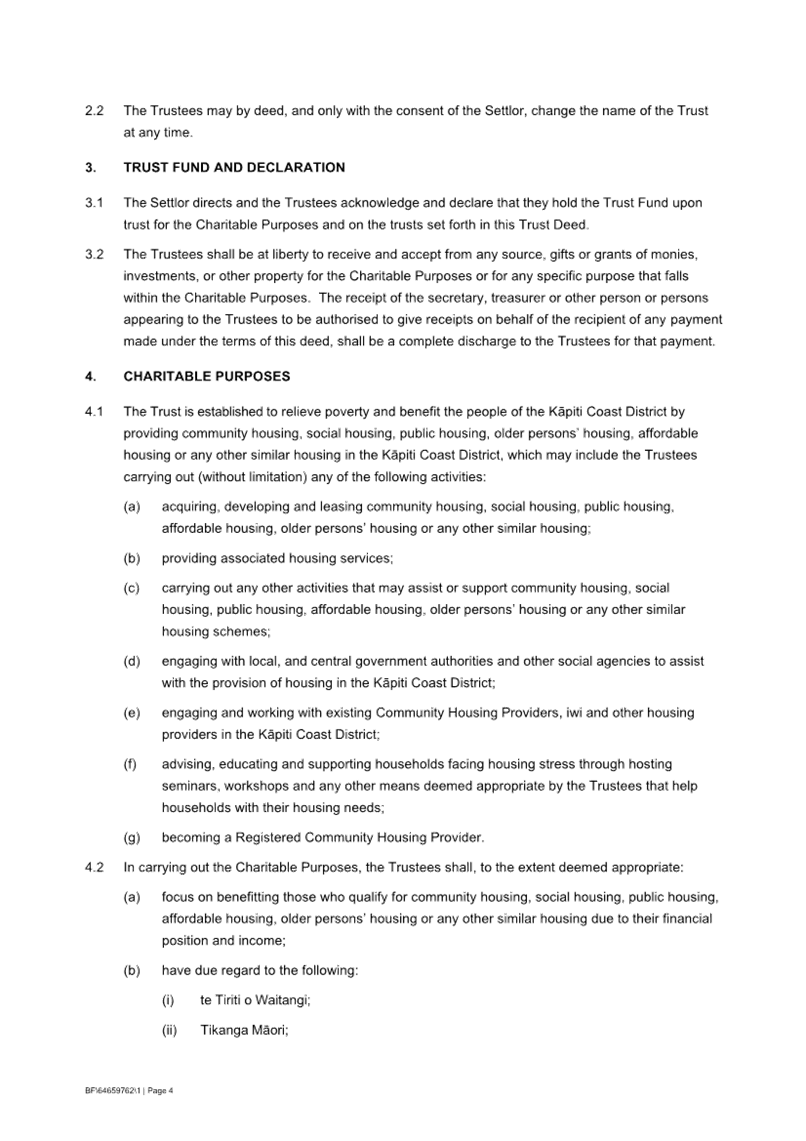
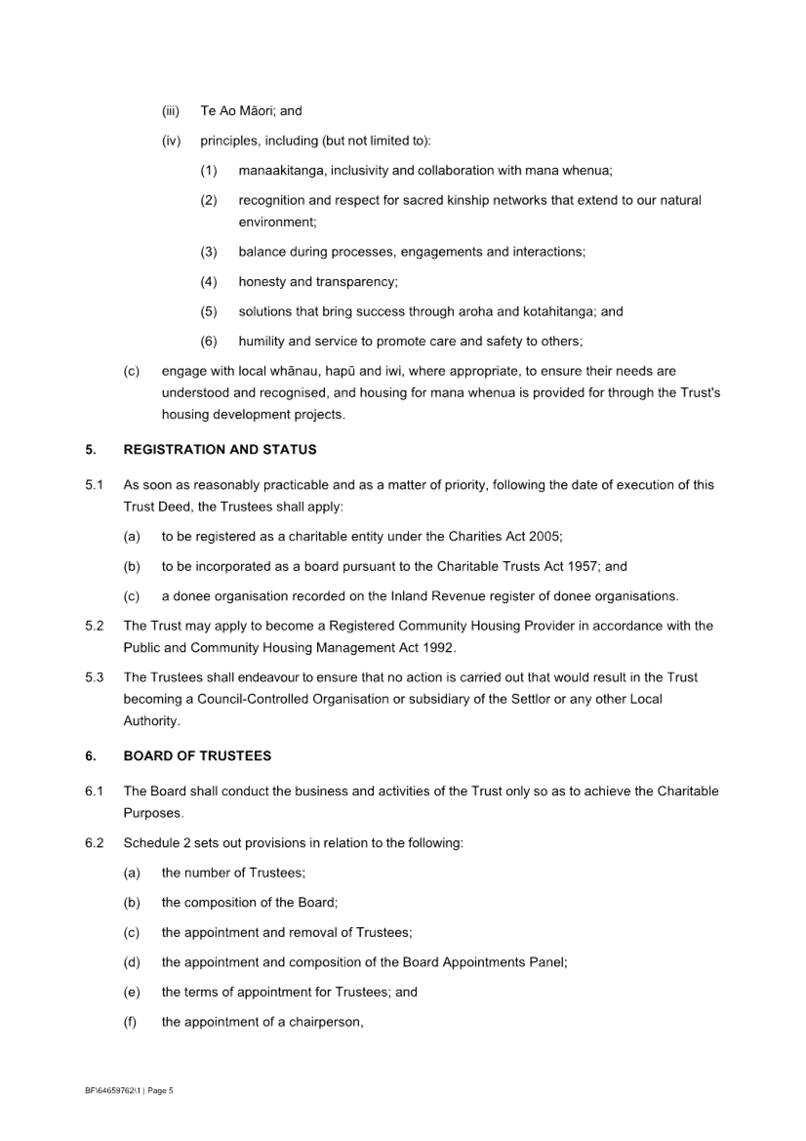
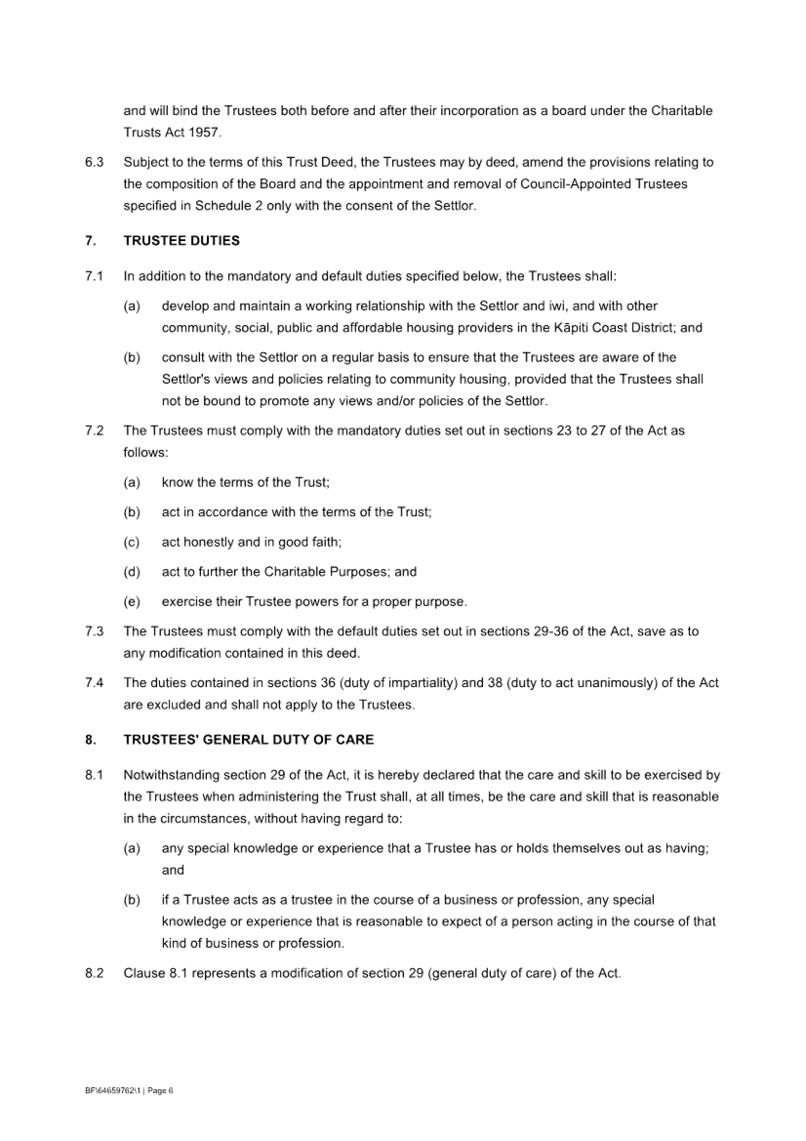
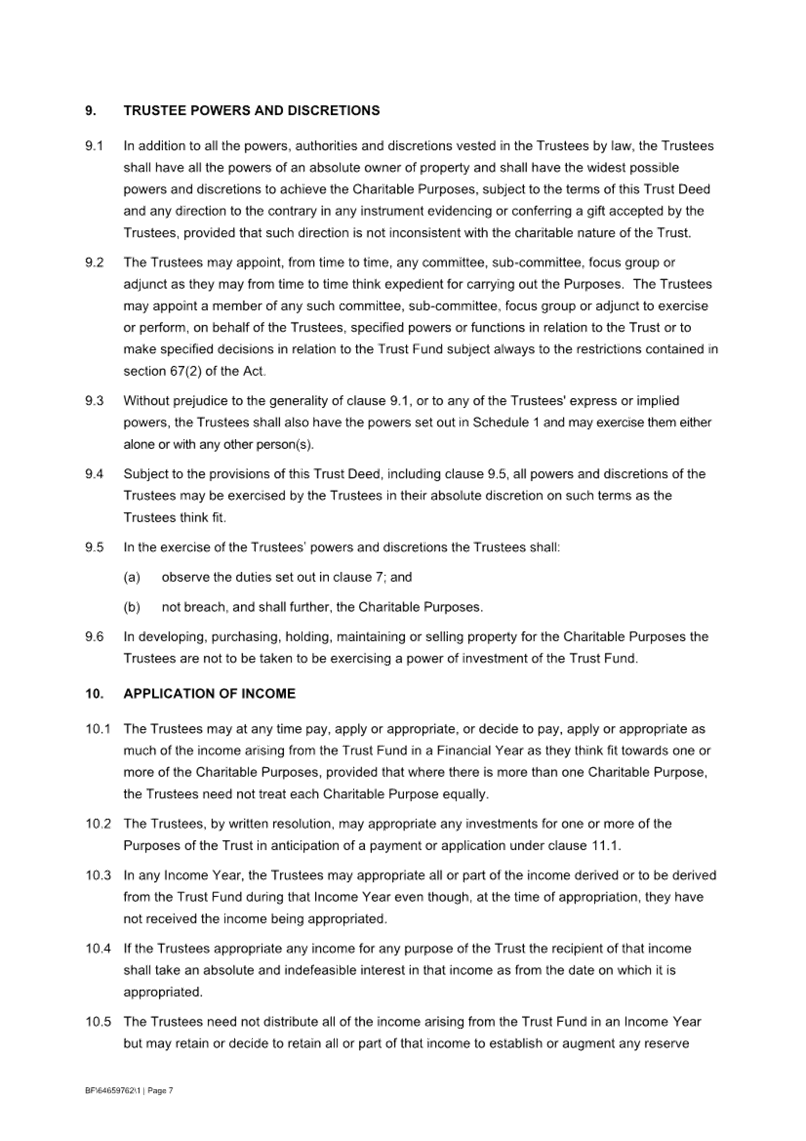
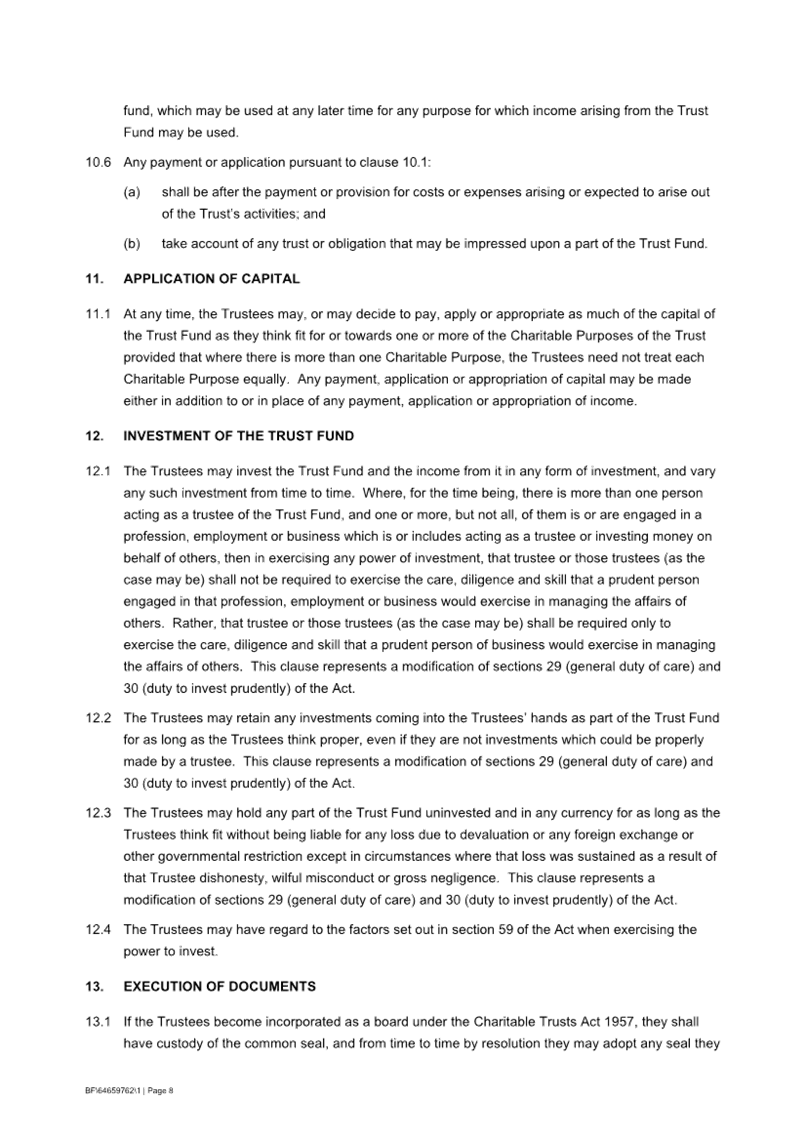
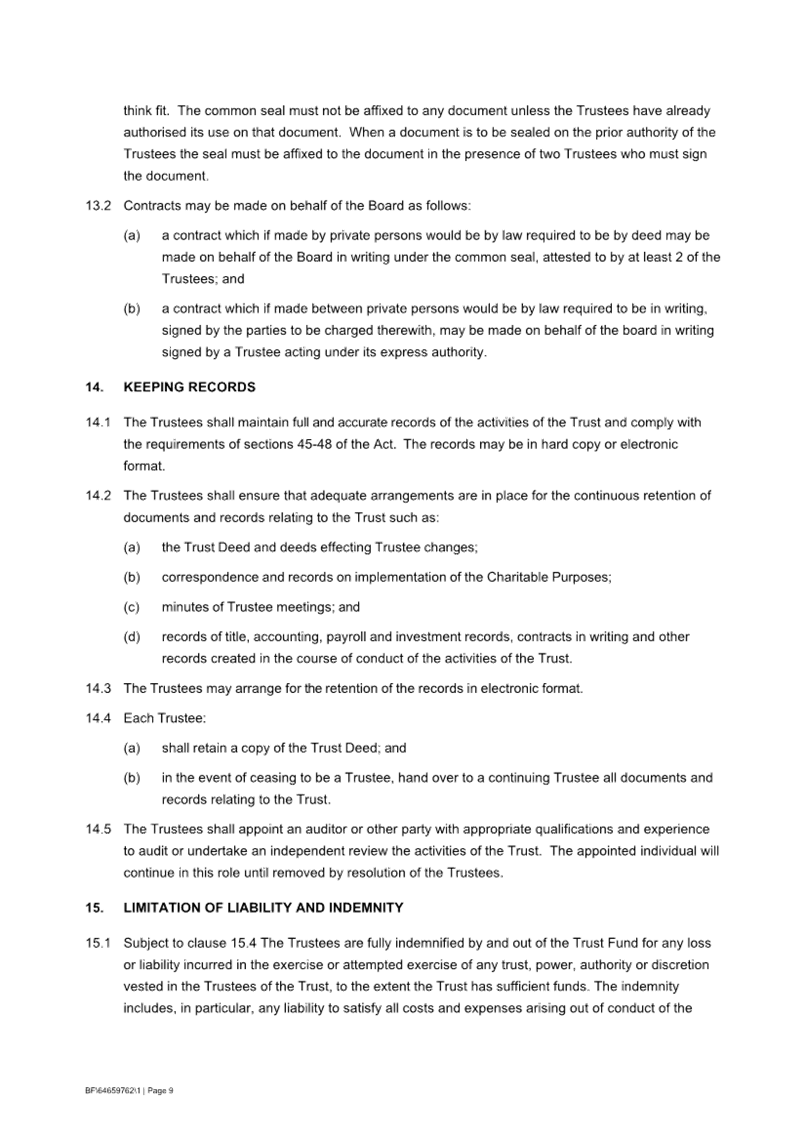
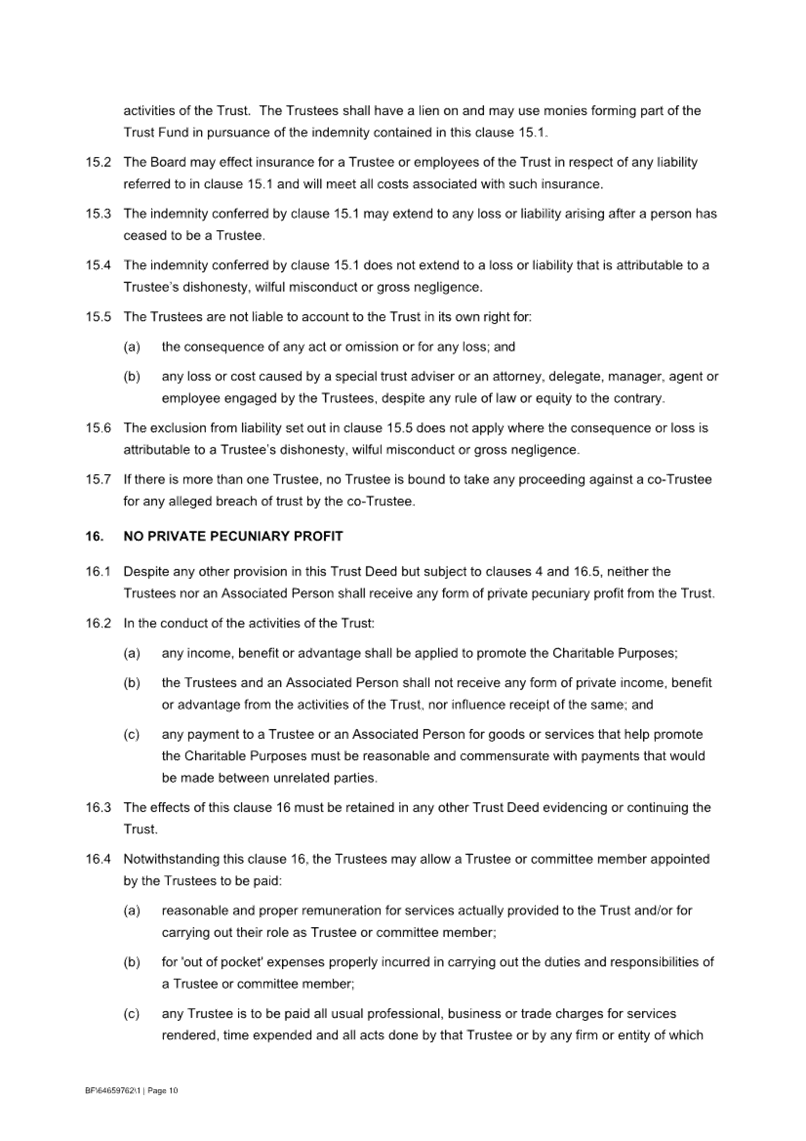
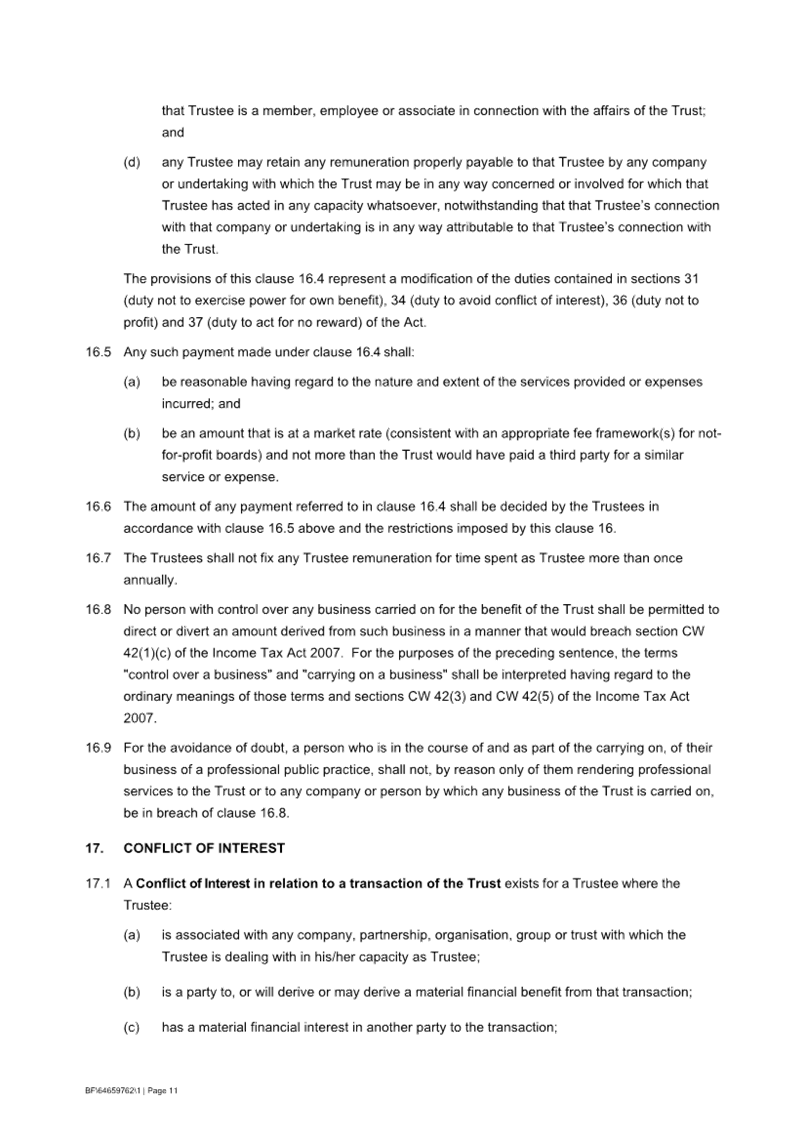
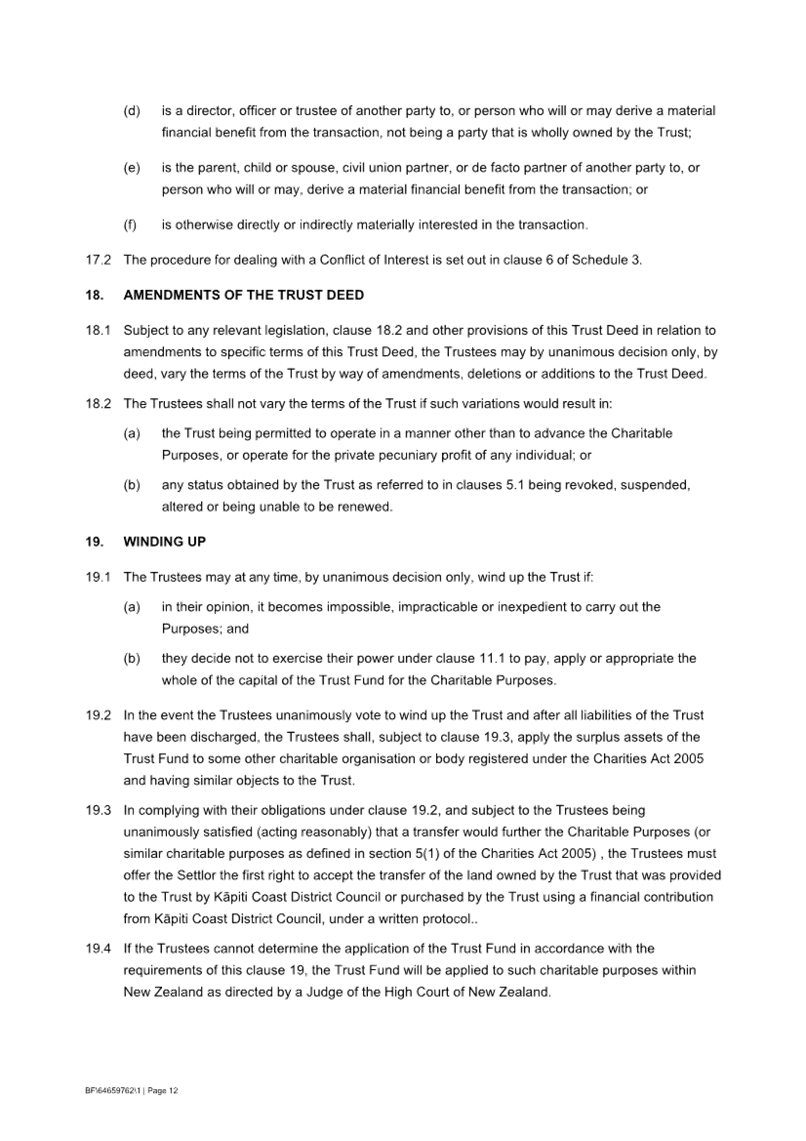
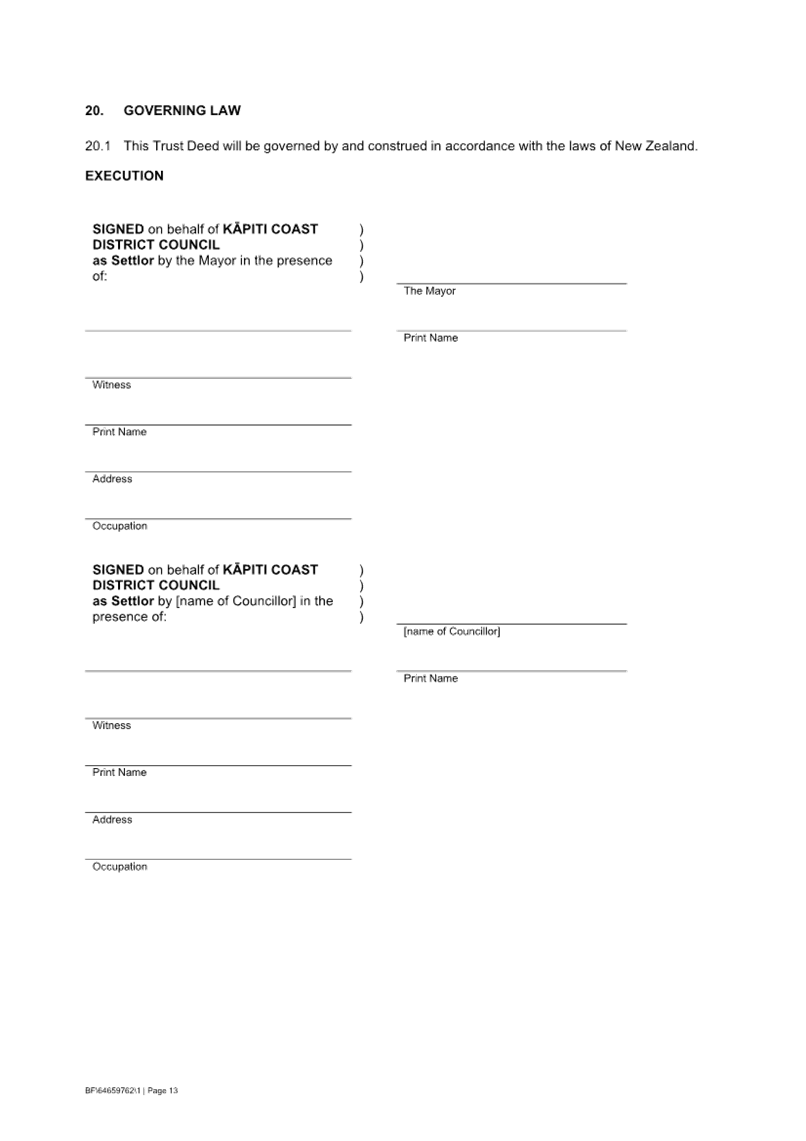
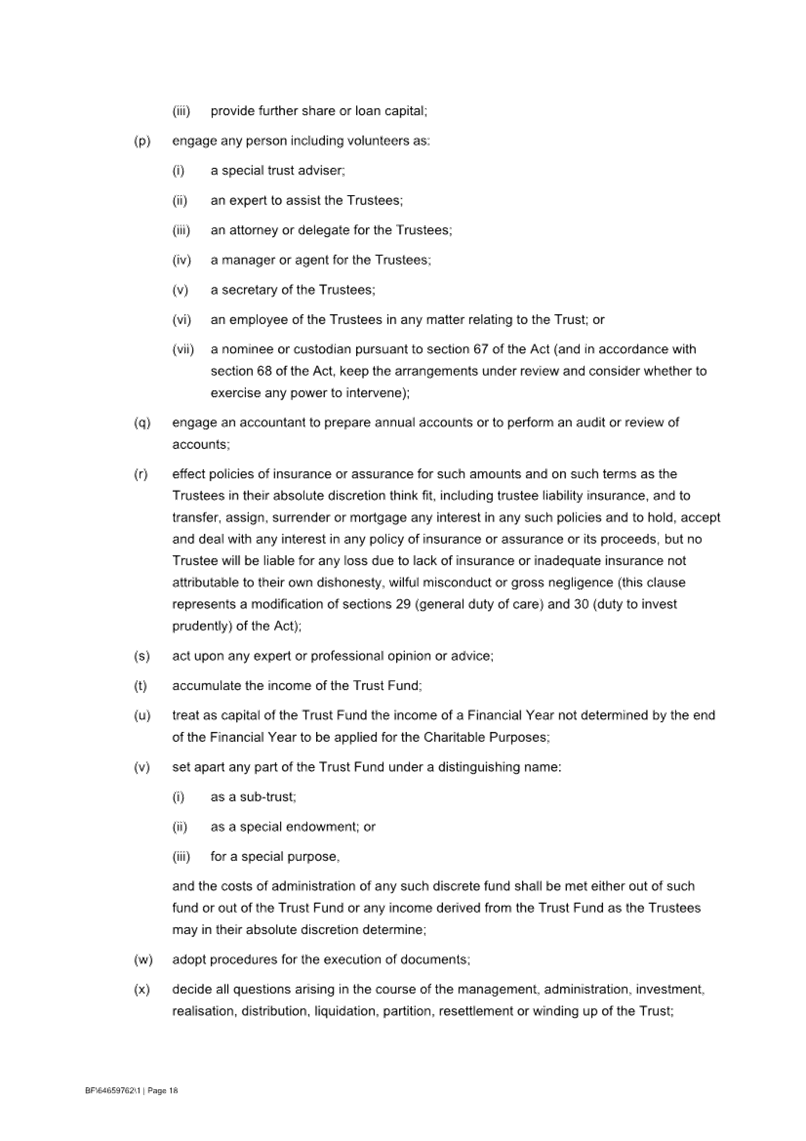
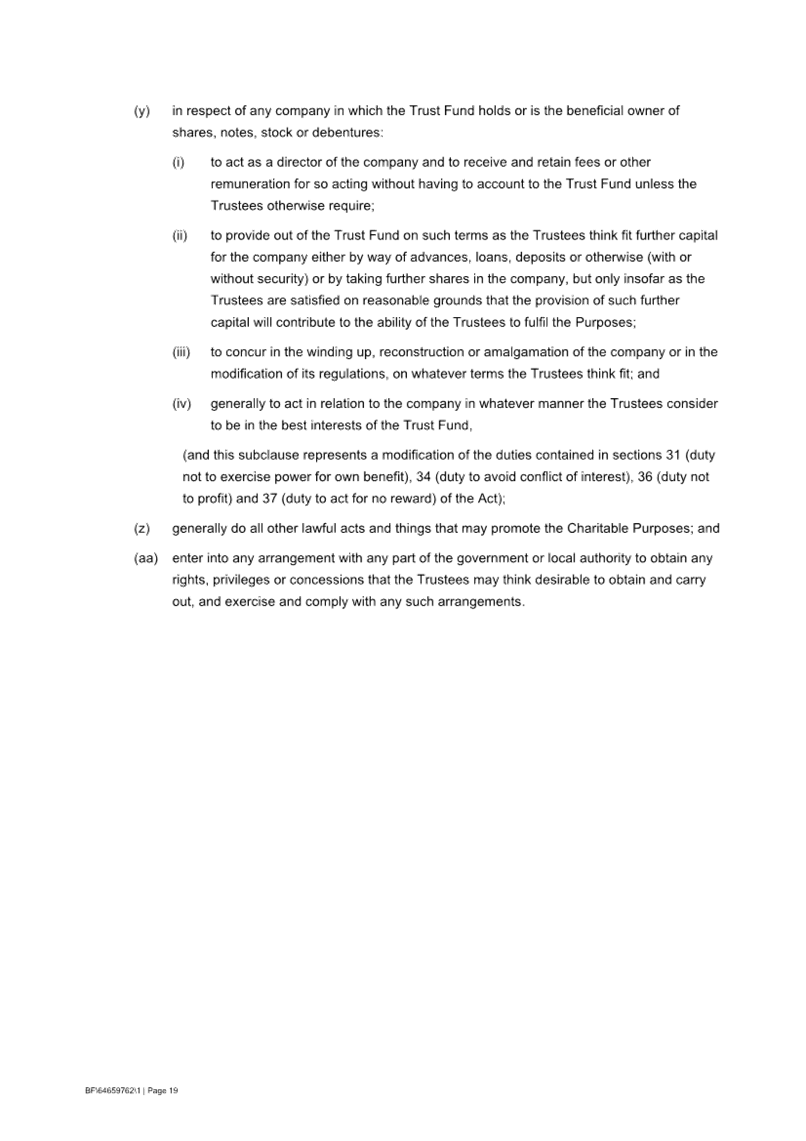
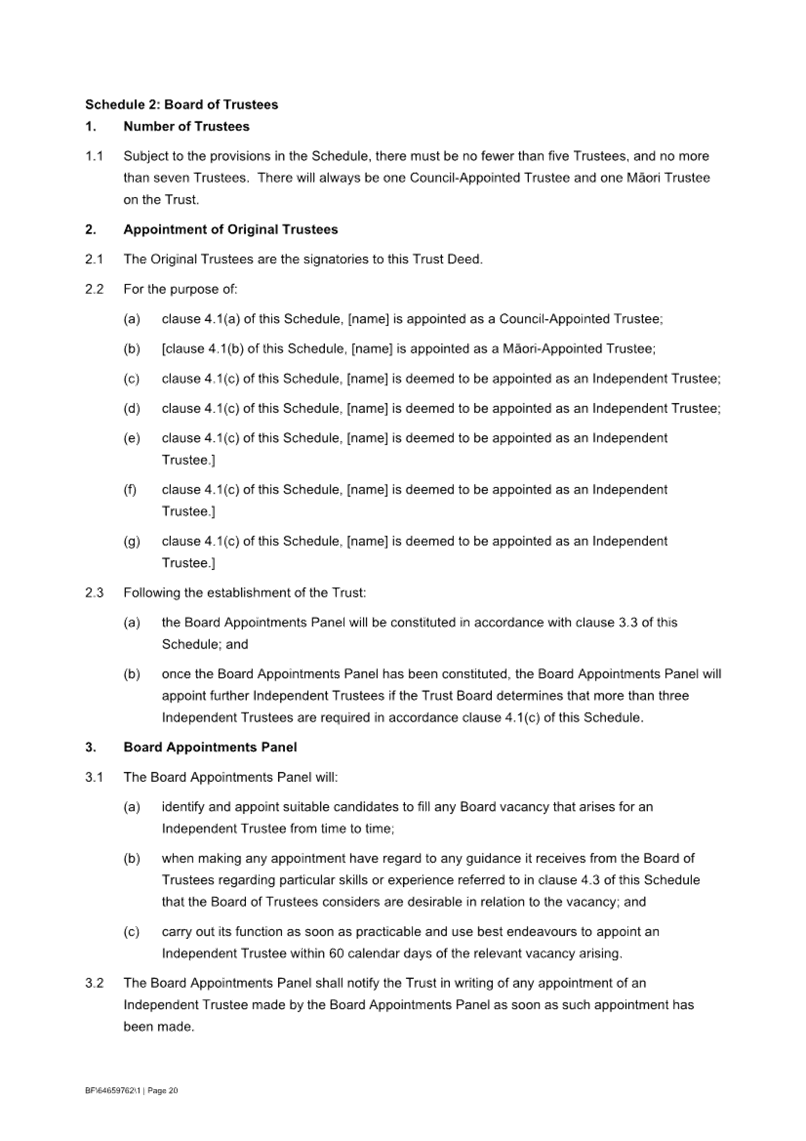
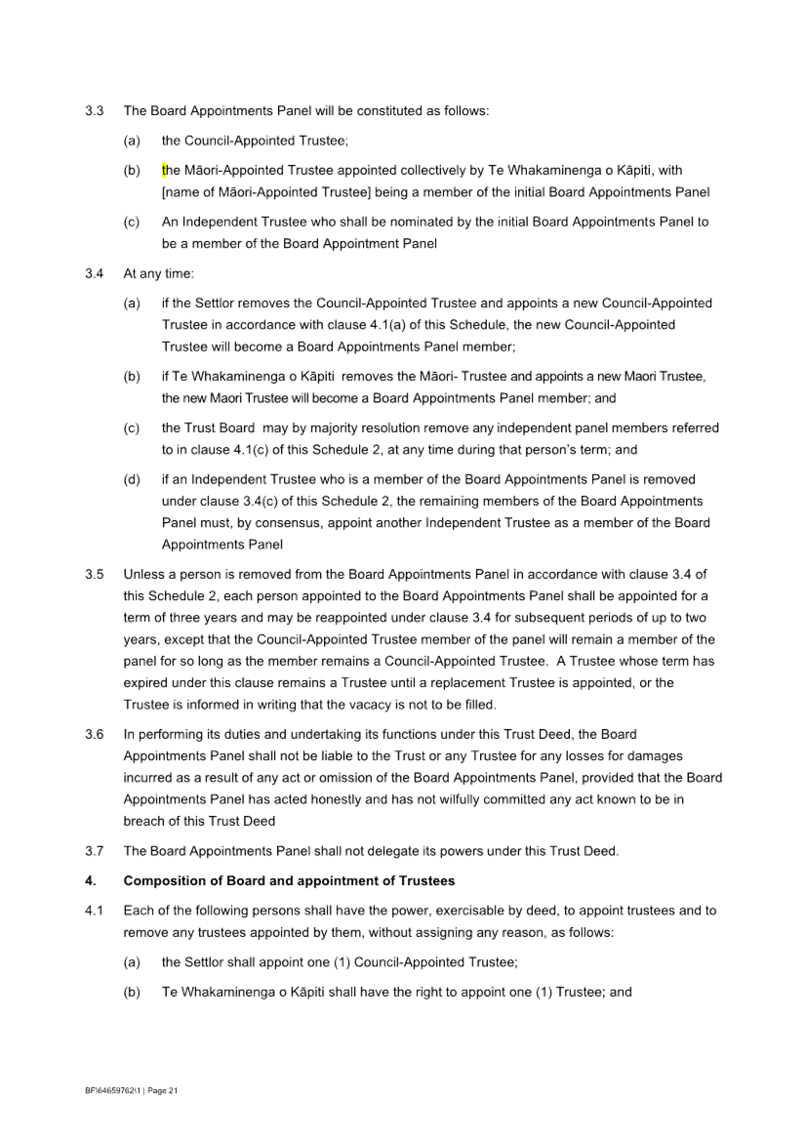
9 Copies
of the adjusted Trust Deed and RFA with the proposed amendments are attached to
this paper in Appendix 1 and 2 respectively. Changes to the Trust Deed are
tracked in the document.
He
take | Issues
10 The
changes to the Trust Deed and RFA from the Trustees have been reviewed by
Council’s Strategy and Growth Group, General Legal Counsel, and with
input from Council’s Chief Financial Officer. Following clarification of
intent and meaning not all changes suggested by the Trustees were progressed
for further consideration or were not supported. The documents were finalised
following these discussions.
11 Council
has obtained legal advice on the proposed changes to confirm that:
11.1 The
required amendments to the Trust Deed do not affect the fundamentals of the
Trust; and
11.2 The
required changes to the RFA, which are minimal, are non-substantive.
Ngā
kōwhiringa | Options
12 No
options are proposed, as the requested changes do not affect the substantive
fundaments of the Trust or RFA, meaning that further Council approval of the
amended documents is not required.
13 Further to this, following Council resolution
in August 2024, the Mayor and Chief Executive have delegation from Council to
approve the Trust Deed and RFA.
Mana whenua
14 The
inclusion of specific principles, an objective and actions related to
Māori housing within the Housing Strategy illustrate that Council
recognises it needs to take a supportive role in helping to deliver Māori
housing solutions. One of the key objectives for the affordable housing entity
is to be able to partner with iwi for delivery. This is aligned with the above
key guiding principle from the Housing Strategy and enables ongoing
partnership.
15 Initial
feedback on the preferred option for an affordable housing entity was sought
from our Ngā Hapū o Ōtaki, Te Ātiawa ki Whakarongotai, and
Ngāti Toa Rangitira and the establishment of a trust has continued to be
supported.
16 The importance of
Māori representation at a governance level within the Trust is recognised
by the appointment of Kim Tahiwi as Te Whakaminenga o Kāpiti appointed
Trustee.
Panonitanga Āhuarangi me te Taiao | Climate change
and Environment
17 Minimising
climate impact can be achieved through having compact and well-designed and
planned urban areas. Climate impact will be considered through greater housing
options, a variety of transport connections, and ensuring that development
considers natural hazard constraints. The resilience and sustainability
objective within the Housing Strategy considers that new homes meet or exceed
Climate/Carbon measurements and Healthy Homes benchmarks. This will be built
into the affordable housing trust approach when delivery of housing is
considered.
Ahumoni me ngā rawa | Financial
and resourcing
18 The
RFA outlines support services that Council will provide to the Trust. These
include an annual operating grant, and in-kind support such IT and
administrative services on a transitional basis.
19 There
is sufficient funding in Council’s Housing budget to support the
establishment of the Trust as agreed in the Long-Term Plan process. The funding
set aside in the Housing Budget to support the Trust is as follows:
|
Financial Year
|
Budget Allocation
|
|
2024/25
|
$100K
|
|
2025/26
|
$150K
|
|
2026/27
|
$150K
|
20 Should
additional funding / support be required from the Trust, Council would consider
this in accordance with the requirements of the RFA. This includes the
potential for partnering on project opportunities such as the development at
254 Rangiuru Road, Otaki, and Council ‘transferring’ this or any
other Council assets to the Trust.
Tūraru ā-Ture me te Whakahaere
| Legal and Organisational Risk
21 Legal
advice was sought for the preparation of the Trust Deed and RFA and to assess
the proposed changes to documentation. The RFA provides mechanisms for Council
to monitor and review the trust’s performance on a regular basis as
required for Council organisations under the Local Government Act 2002.
Ngā pānga ki ngā kaupapa here | Policy impact
27 The
community outcome ‘our people have access to suitable quality housing
in Kāpiti so that they can live and thrive’ was included in the
Long-Term Plan 2021-41 due to the strong concern about the growing local
housing issues and to guide Council’s response to the district’s
challenges and opportunities.
28 The
Kāpiti District Council Housing Strategy was approved by the Strategy and
Operations Committee on 12 May 2022. Housing Affordability is identified as a
key focus area in the Housing Strategy with a response to ‘explore how
alternative tenure and ownership models could be incentivised or delivered in
partnership with others (e.g., build to rent, community land trust or
leaseholder arrangements)’ (the Housing Strategy, page 28.
TE whakawhiti kōrero me te
tūhono | Communications &
engagement
Te mahere tūhono | Engagement
planning
29 A Communications Plan has been developed to support
communications with the community and key stakeholders about the establishment
of the housing trust.
Whakatairanga |
Publicity
30 Council
will use its established communications channels to inform the community of the
key stages of the establishment of the Trust and the rationale for the decision
to establish the Trust. Arrangements will be made for publicity associated with
the signing of the finalised Trust Deed and RFA by Council and the Trust.
Ngā āpitihanga | Attachments
1. Affordable
Housing Trust: Relationship Framework Agreement with changes ⇩
2. Affordable
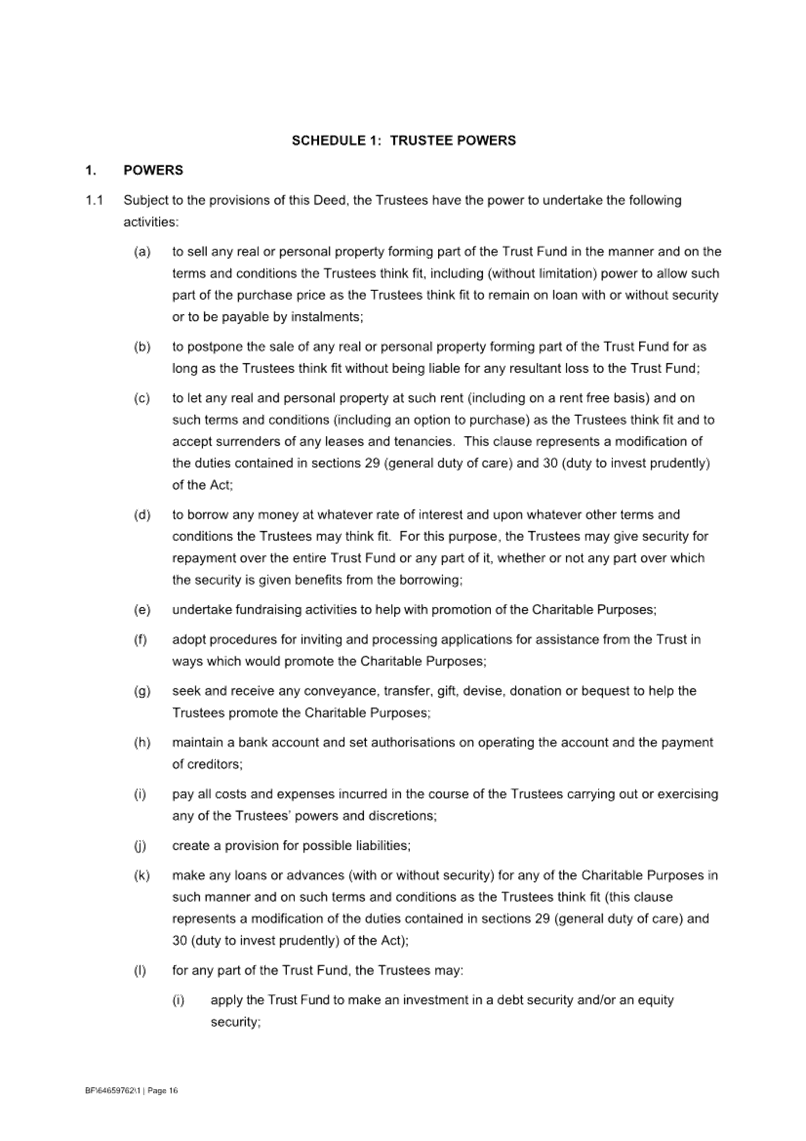
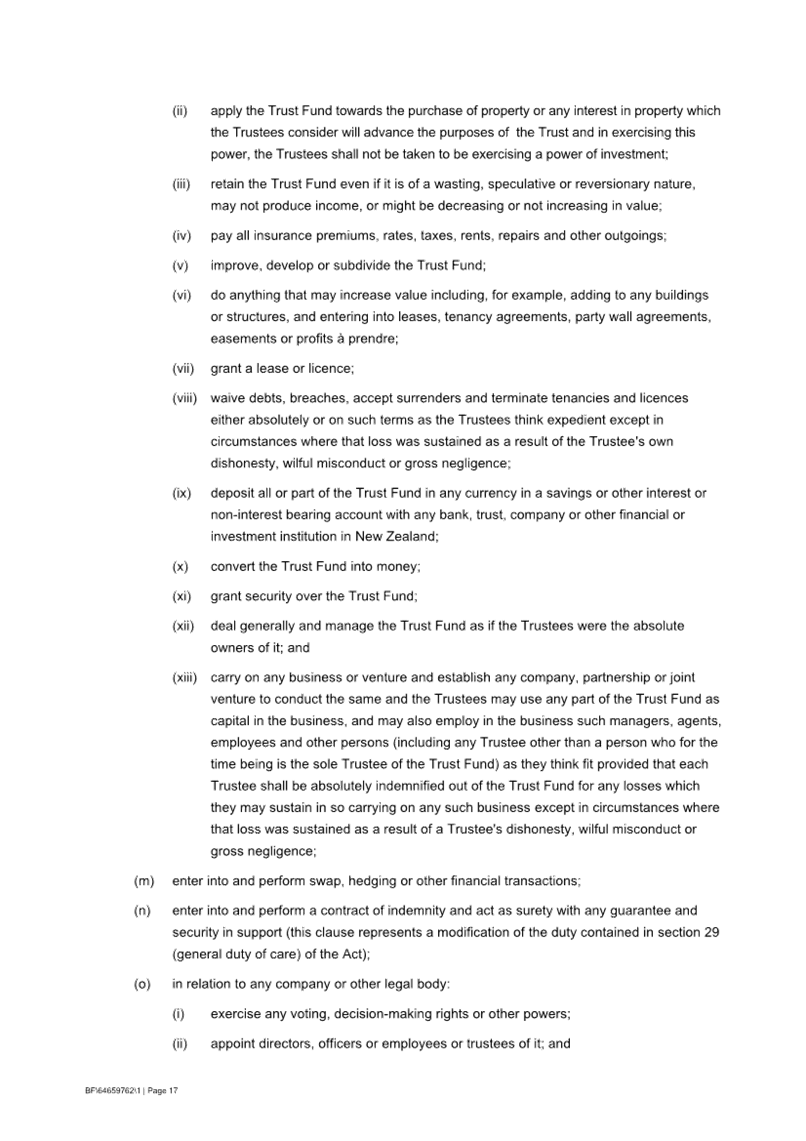
Housing Trust: Trust Deed with changes ⇩
|
Strategy, Operations and Finance Committee
Meeting Agenda
|
5 December 2024
|
|
Strategy, Operations and Finance Committee
Meeting Agenda
|
5 December 2024
|

|
Strategy, Operations and Finance Committee
Meeting Agenda
|
5 December 2024
|
9.3 Responding
to the Coastal Advisory Panel's Report
Kaituhi |
Author: Jason
Holland, District Planning Manager
Kaiwhakamana
| Authoriser: Kris Pervan, Group Manager Strategy & Growth
Te pūtake |
Purpose
1 This
paper seeks agreement to proposed implementation steps that respond to the
Coastal Advisory Panel’s Recommendations Report.
He
whakarāpopoto | EXecutive summary
2 An
Executive Summary is not required.
Te tuku haepapa
| Delegation
3 The
Strategy, Operations and Finance Committee (SO&F) has delegated authority
to consider this under section B.1 of the 2022-2025 Triennium Governance
Structure and Delegations ‘Overviewing strategic programmes’.
Taunakitanga | RECOMMENDATIONS
That the Strategy, Operations and Finance Committee:
A. Note the overview
and initial analysis for setting practical next steps, as outlined in this
paper, to respond to the Coastal Advisory Panel’s (Panel) Recommendation
Report.
B. Agree
to not undertake further work regarding the Coastal Advisory Panel’s
recommendations to:
B.1 Consult
further across all demographics on the Report itself.
B.2 Integrate
coastal adaptation work with overlapping work by the Greater Wellington
Regional Council (related to flood hazard risk assessment).
C. Approve
proceeding with the proposed investigation steps described in paragraph 9, and
Table 1, that will support Council to make future decisions regarding the
Panel’s Recommendation Report.
D. Note that a more
detailed programme of work to progress steps approved in Recommendation C, of
this paper, will be tabled with the Strategy, Operations and Finance Committee in
April 2025.
E. Agree
that the Climate Change and Resilience Strategy be progressed
through three sub-strategies, to enable activity related to adaptation (as
noted in Recommendation C of this paper) and mitigation to separately proceed,
through development of a:
E.1 Climate
Change: Mitigation sub-strategy – which will set out the direction,
levers for change, and focus of work related to Mitigation actions to support
our net zero emission reduction goal.
E.2 Climate
Change: Resilience and Recovery sub-strategy – which will set out the
direction, goals, and focus of work related to resilience and post-disaster
recovery work.
E.3 Climate
Change: Adaptation sub-strategy – which will set out the direction,
goals, and focus of work related to adaptation (including but not limited to
priorities for sand dunes planting and seawall management).
F. Note
that the Climate and Environment Committee, and the Strategy, Operations and
Finance Committee will receive updates on the three sub-strategies in the new
year, in line with the timeframes set in paragraph 17.
Tūāpapa | Background
4 The
Committee has previously been briefed on the Takutai Kāpiti project, and
the background to the Coastal Advisory Panel’s (Panel) work. Briefly, of
note:
4.1 In
2020, Council established the Takutai Kāpiti project to meet commitments
arising from Environment Court mediation in response to litigation on the
coastal hazard provisions of the Proposed District Plan that was publicly
notified in 2012, following the withdrawal of its coastal hazard provisions in
2014 and 2017.
4.2 The
Takutai Kāpiti project also aimed to support Council to respond to
legislative obligations, under the New Zealand Coastal Policy Statement 2010
and Resource Management Act 1991, that require Council’s to manage risks
from coastal hazards and the effects of climate change.
4.3 The
Panel was established to undertake work, endorsed by the Council via a Terms of
Reference, to recommend coastal adaptation options for Council’s
consideration and to respond to the terms set through the mediation agreement.
4.4 The
Panel convened meetings and workshops; considered advice from a Technical
Advisory Group and engaged with the community to raise awareness of the process
and to seek feedback.
4.5 The
Panel completed the Recommendation Report in May 2024, following which it
submitted the Recommendation Report to Council in June 2024.
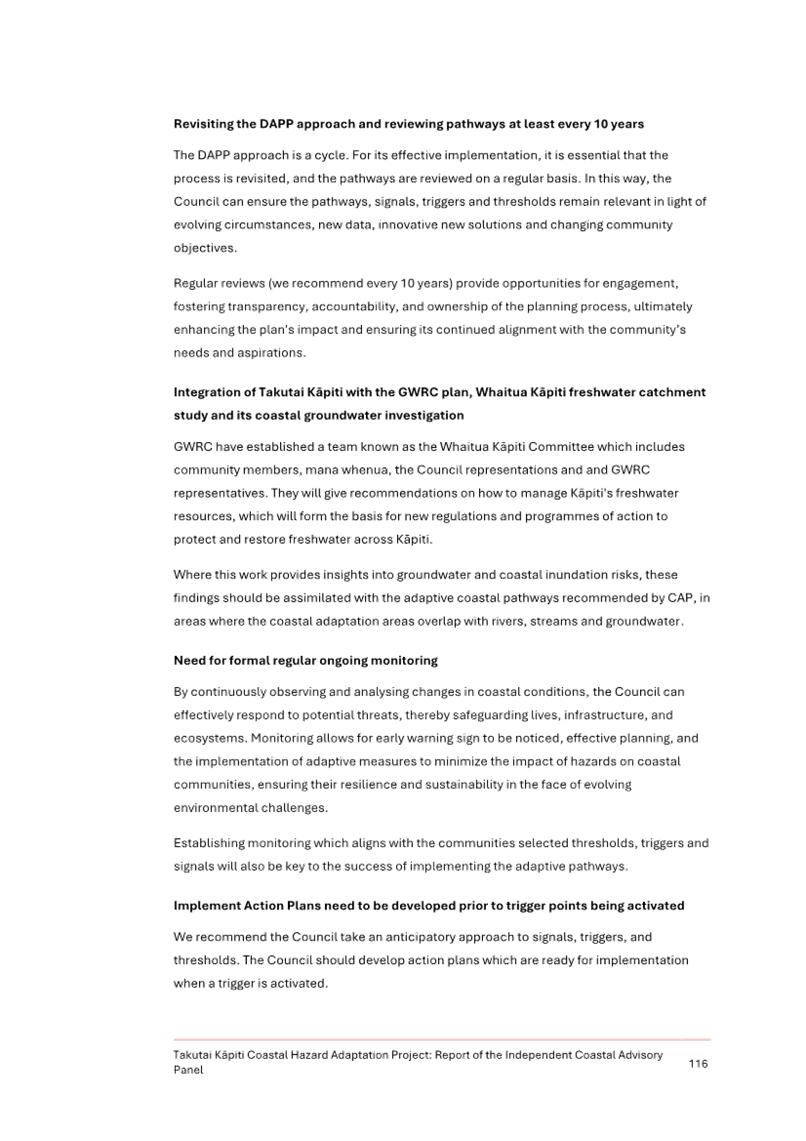
5 On 20 June 2024,[3] Council passed the following resolutions relating to
the Panel’s Recommendation Report:
That the Council:
A. Receives the
Coastal Advisory Panel’s Recommendation Report, provided in Appendix 1[4]
B. Acknowledges and thanks the Chair and Members of
the Coastal Advisory Panel for their
expertise, advice and steadfast work throughout the term of the Takutai
Kāpiti project.
C. Confirms that
with the tabling of the Recommendation Report and completion of its agreed work
programme, that the Coastal Advisory Panel’s role will now also end.
D. Seeks feedback
from:
D.1 The Insurance Council of New Zealand
regarding the Report’s findings.
D.2 The Department of Conservation regarding
Council’s obligations under the New Zealand
Coastal Policy Statement 2010 to “take a 100-year perspective”.
E. Given the significance of the matters addressed in the Report, it
is noted that further analysis will
be
carried out before Council makes any decisions regarding next steps including
recommendations.
6 The
Panel’s Recommendation Report included:
6.1 A
summary of recommendations, provided in Attachment 1, including to short-list
the dynamic adaptive pathways for 20 management units[5] along the Kāpiti Coast; and
ten additional recommendations to Council as follows:
6.1.1 Prepare
a Kāpiti Coastal Adaptation Plan.
6.1.2 Consult
further across all demographics on the Report’s findings.
6.1.3 Revisit
the DAPP[6] process and review pathways at
least every 10 years.
6.1.4 Integrate
coastal adaptation work with overlapping work by Greater Wellington Regional
Council (GWRC).
6.1.5 Establish
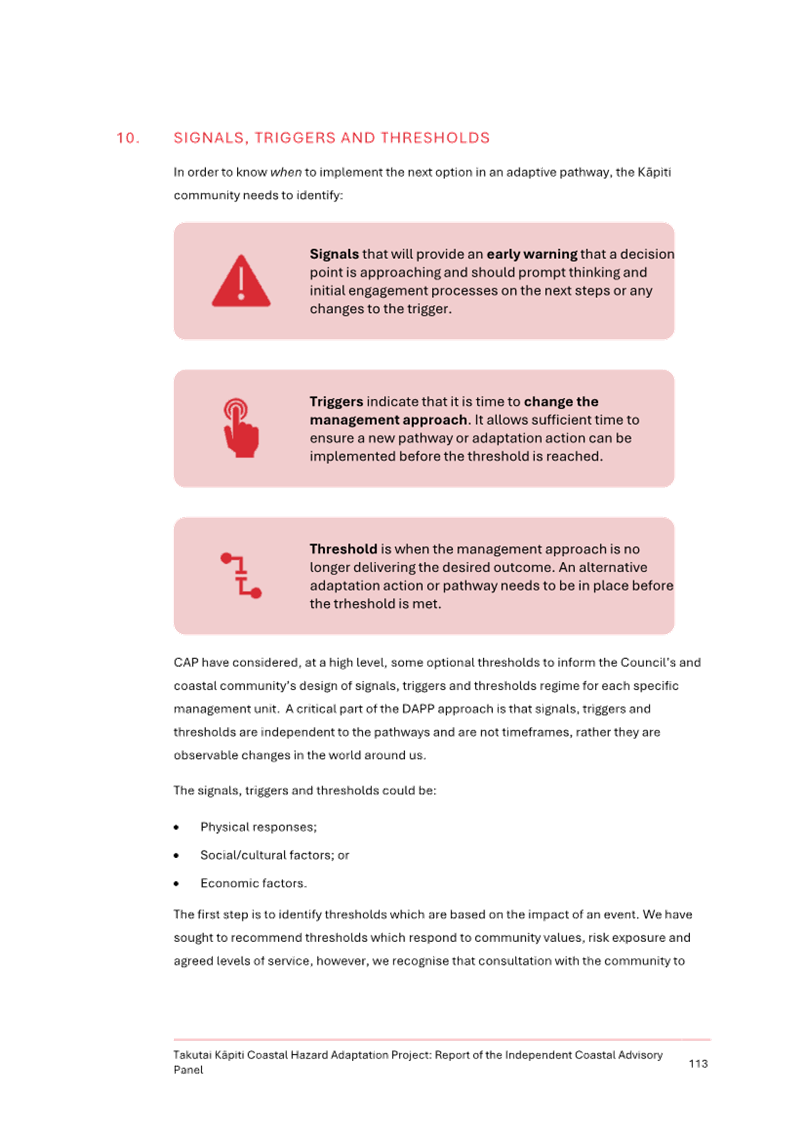
formal regular ongoing monitoring of coastal conditions in alignment with
community signals, triggers and thresholds.
6.1.6 Develop
Implementation Action Plans prior to trigger points being activated.
6.1.7 Work
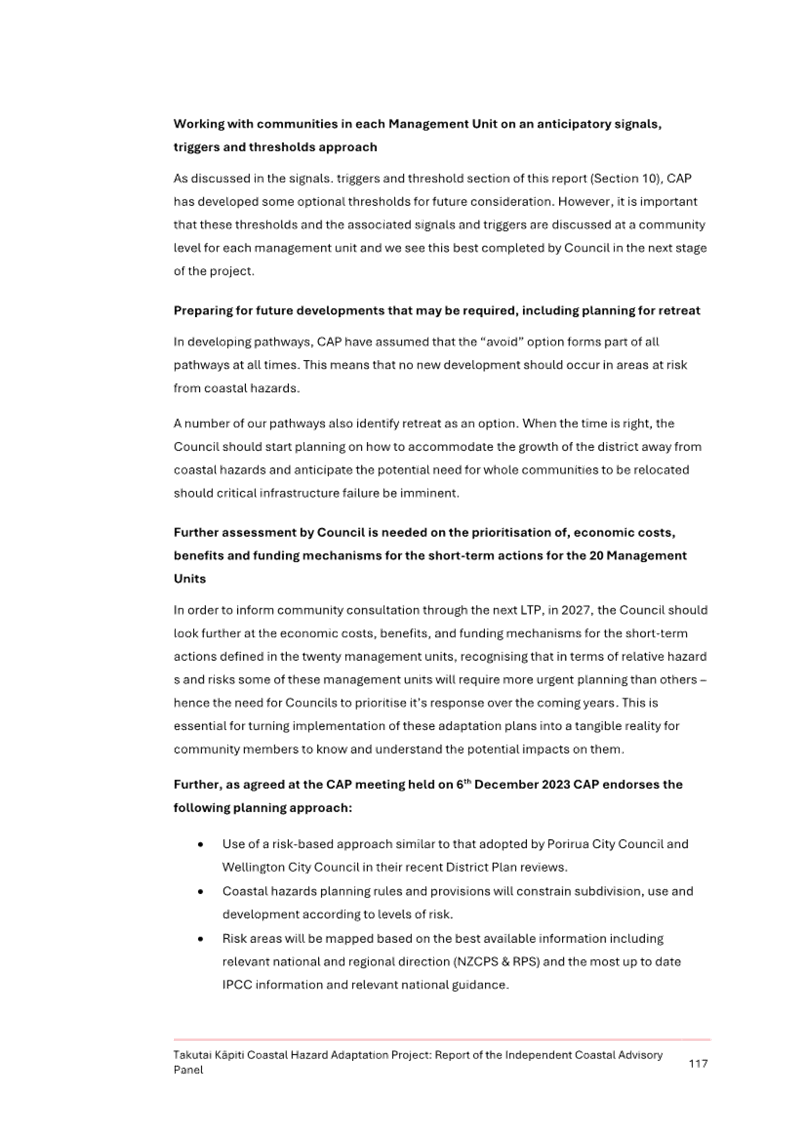
with communities in each Management Unit on an anticipatory signals, triggers,
and thresholds approach.
6.1.8 Prepare
for longer term developments that may be required, including planning for
retreat.
6.1.9 Undertake
further assessment by Council on the prioritisation of, economic costs,
benefits, and funding mechanisms for the short-term actions for the 20
management units.
6.1.10 Prepare
a coastal district plan change using a risk-based approach constraining
subdivision, use and development according to levels of risk, mapping risk
areas based on the best available information including relevant national and
regional direction (NZCPS and RPS) and the most up to date IPCC information and
relevant national guidance, in partnership with mana whenua and consultation
with the community.
7 This
paper acknowledges the proposed response to the two open Council resolutions,
outlined in paragraph 5 as follows:
7.1 Resolution
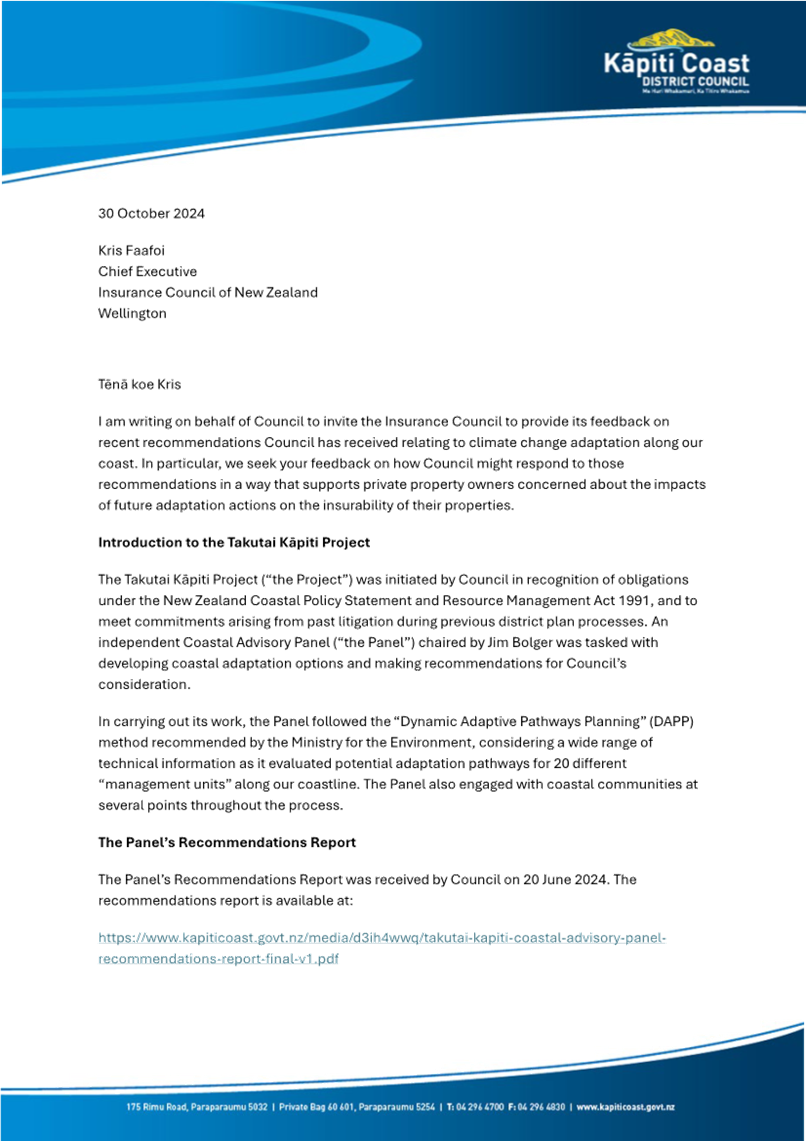
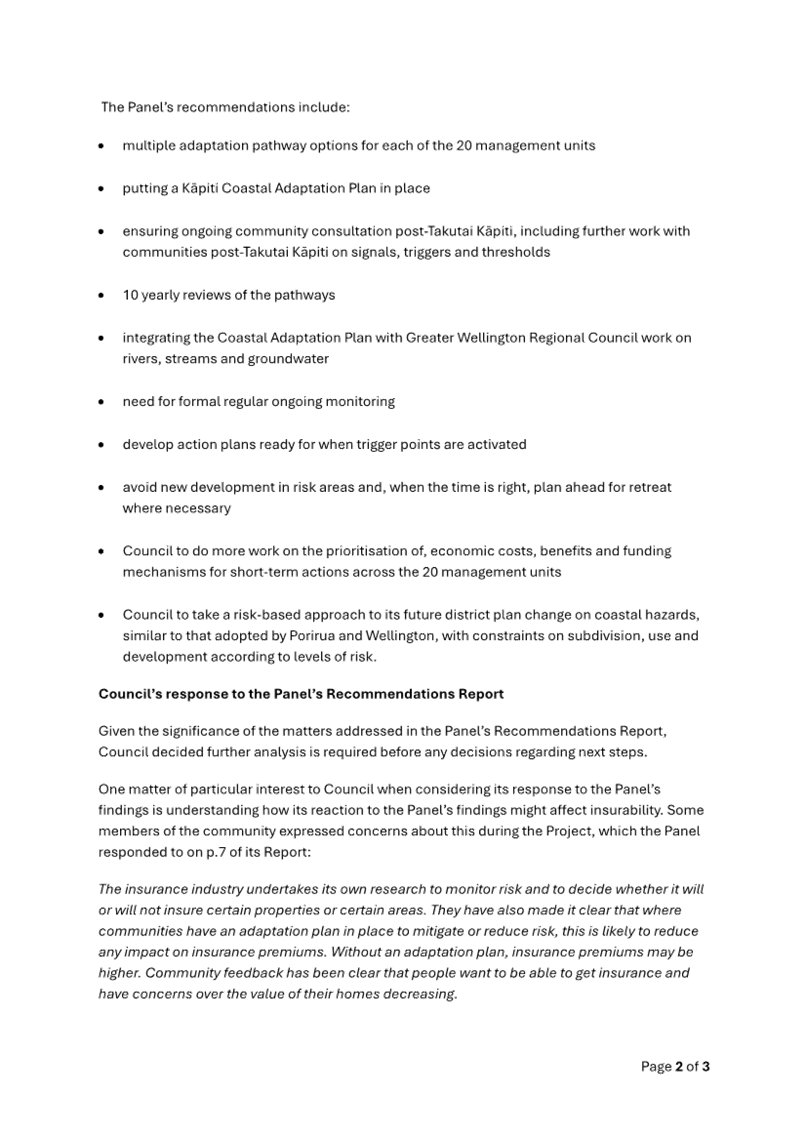
D: Council has now written to the Insurance Council and the Department of
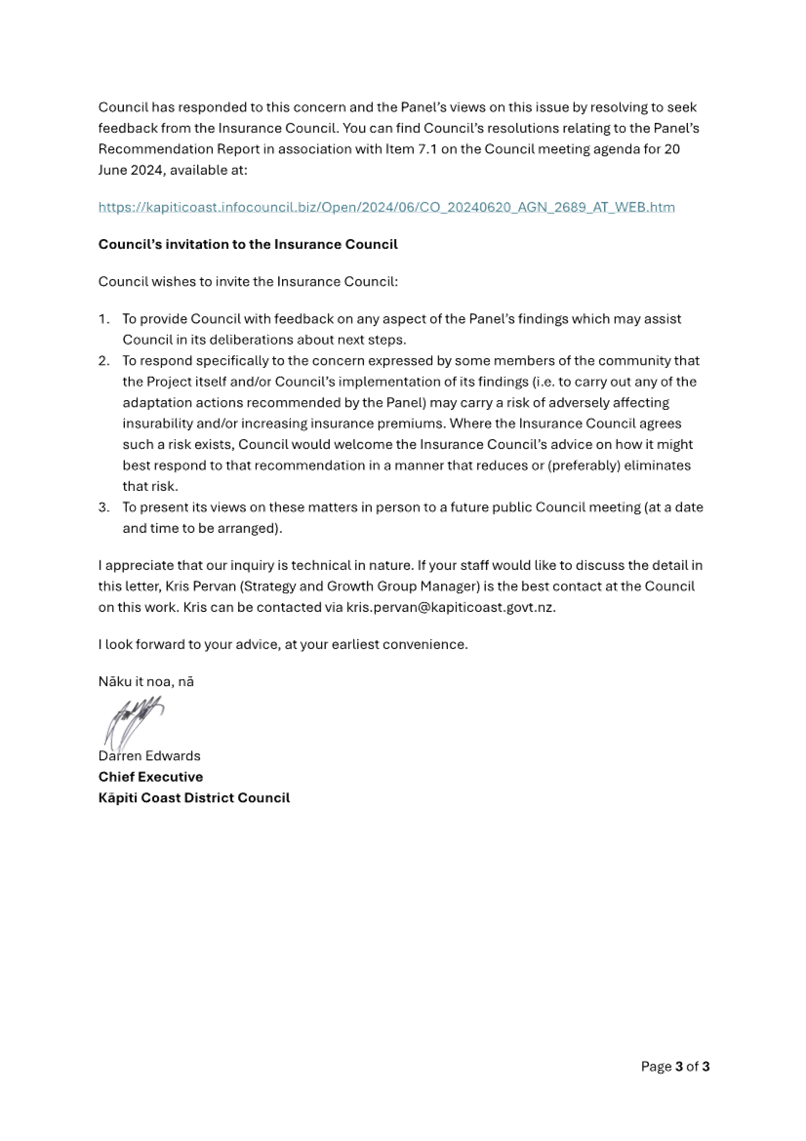
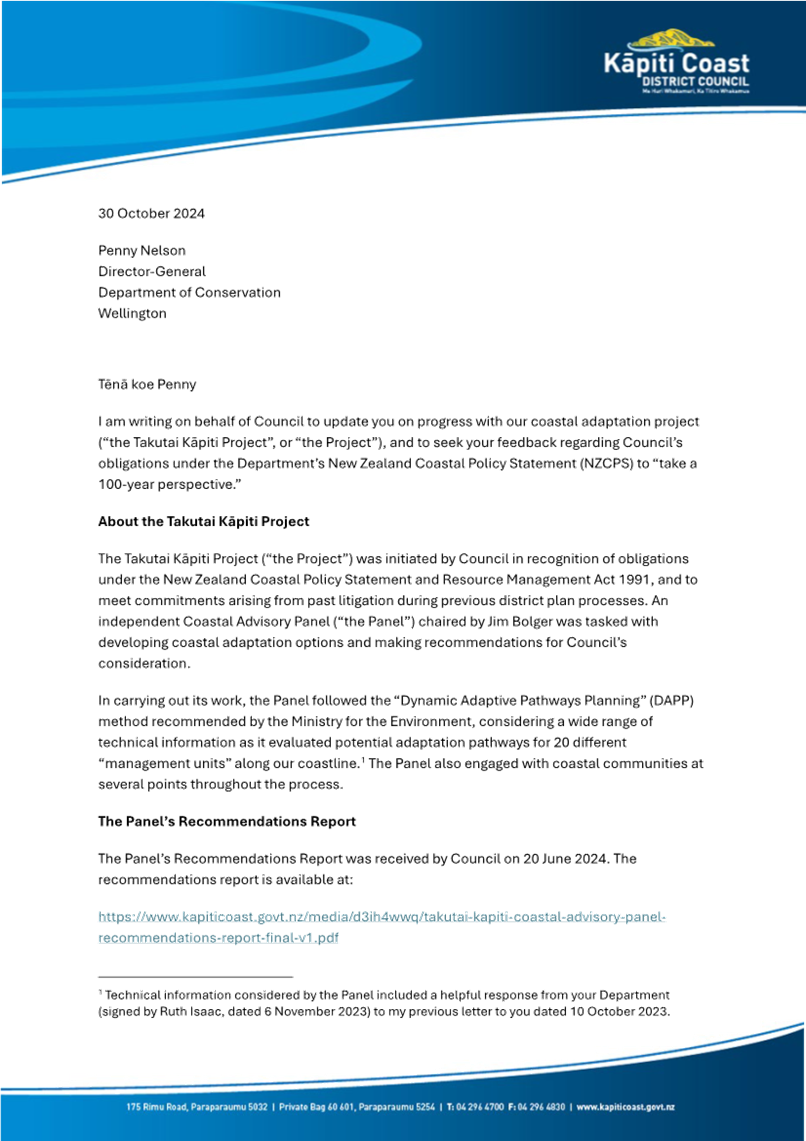
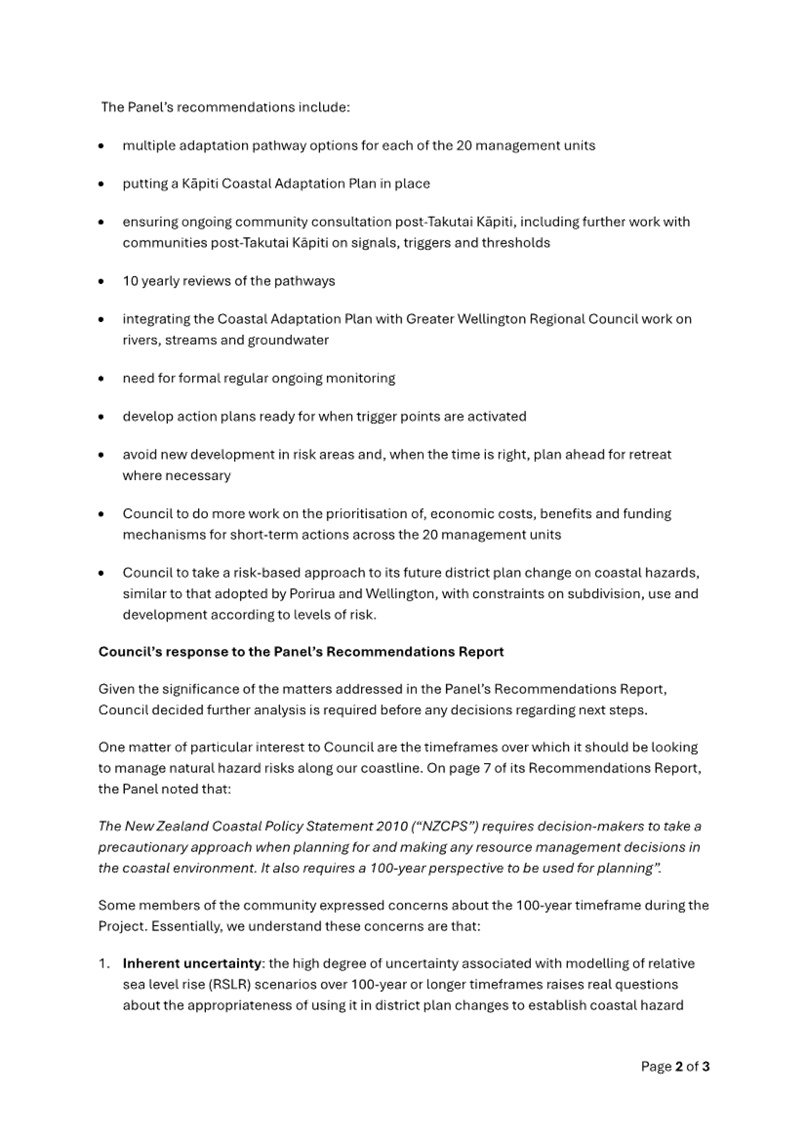
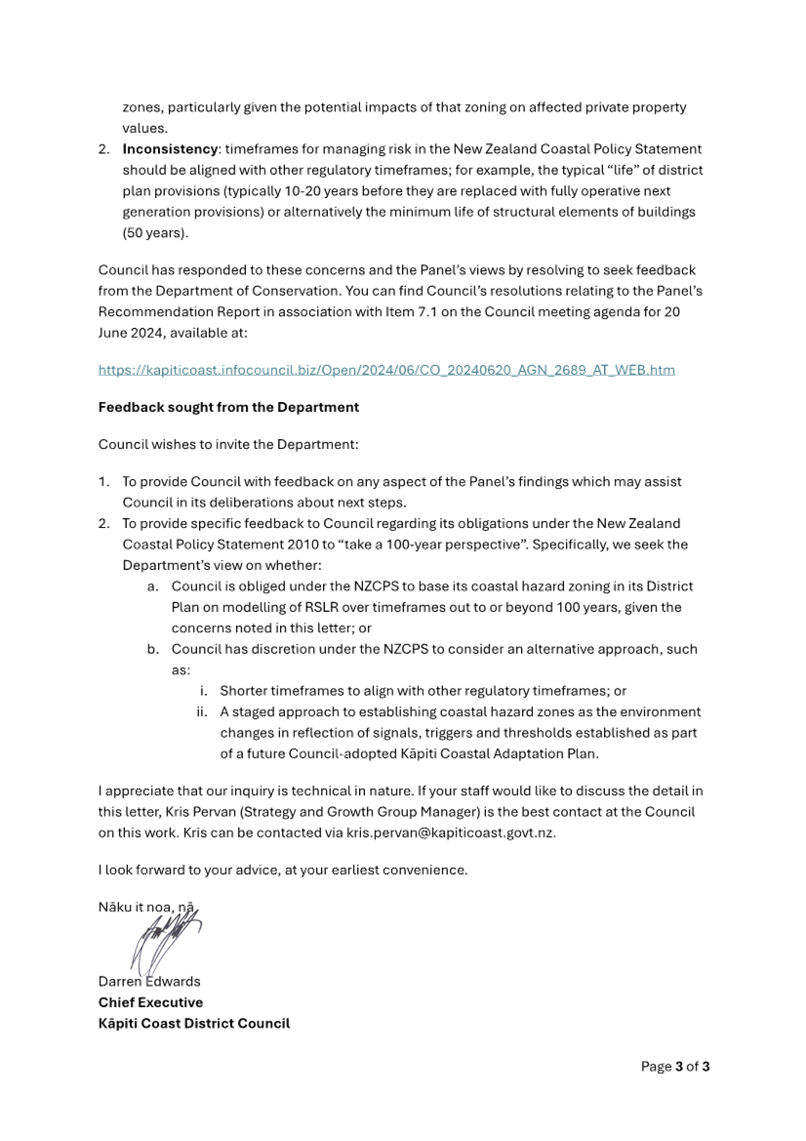
Conservation. These letters are provided as Attachment 2 and 3.[7]
7.2 Resolution
E: Council decision is sought today around next steps for each of the
Panel’s recommendations (as outlined in paragraph 6, above). Initial
analysis of the recommendations follows below.
He
kōrerorero | Discussion
8 Elected
members were briefed on the Panel’s recommendations and options to
progress proposed actions on 14 November 2024. A summary of the assessment
presented by Council officers on the priority and proposed approach for
responding to these recommendations is noted in paragraph 9, and Table 1
(below).
9 With
the exception of two recommendations which are not supported, no decisions are
sought on the individual recommendations now; however, a programme of
investigation, engagement and analysis is set out to support agreement on next
steps for each of the Panel’s recommendations. As outlined in Table 1,
this will include Elected Members receiving advice in tranches beginning from
2025/26 and substantive decisions around implementing actions will be
progressed through to 2035/36.
Table 1: Assessment of
practical next steps regarding the Panel’s recommendations
|
Package
|
Panel Recommendation
|
Council Officer
assessment and proposed approach
|
|
Further work on the
Report’s findings
|
Consult further across all demographics
on the Report’s findings (ie the Report itself).
|
Not supported
|
Continued engagement and
discussion on the Panel’s Report will not add value to progressing
practical action..
|
|
Integrate coastal
adaptation work with overlapping work by GWRC.
|
Not supported
|
Combining analysis and
engagement on coastal erosion and flooding hazards will add unnecessary cost
/ complexity.
|
|
Non-statutory Coastal
Adaptation Planning
|
Work with communities in
each Management Unit on an anticipatory signals, triggers, and thresholds
approach
|
Top-Priority
Progress from 2025/26
|
Introduce a practical
approach for adaptation planning to canvas with the community to determine
how we will identify the “signals, triggers and thresholds” for
when change has occurred and action is needed.
|
|
Develop Implementation
Action Plans prior to trigger points being activated
|
Top-Priority
Progress from 2025/26
Progress from 2026/27
|
Determine what
“Adaptation Planning” covers and agree on priorities with the
community.
Following this, develop a Climate Change: adaptation sub-strategy that includes these priorities, key approaches and
policies.
|
|
Prepare a Kāpiti
Coastal Adaptation Plan
|
Top-Priority
Progress from 2025/26
|
Develop an Adaptation Plan,
to support the implementation of the Climate
Change: adaptation sub-strategy.
|
|
Revisit the DAPP process
and review pathways at least every 10 years
|
Low-Priority
Progress in 2035/36
|
|
Non-statutory Coastal
Adaptation Actions
|
Undertake further
assessment by Council on the prioritisation of, economic costs, benefits, and
funding mechanisms for the short-term actions for the 20 management units.
|
Medium-Priority
Progress from 2026/27 or as
relevant for future Annual and Long-term Plans
|
Confirm the economic costs,
benefits, funding mechanisms, and prioritisation of adaptation actions for
each management unit to inform future community engagement and Annual and
Long-term Plans.
|
|
Establish formal regular
ongoing monitoring of coastal conditions in alignment with community signals,
triggers and thresholds
|
Top-Priority
Progress from 2025/26
Progress from 2026/27
|
Develop a suite of metrics
from signals, triggers, and thresholds to report regularly.
Introduce the community
agreed signals, triggers, and thresholds in the Climate Change: adaptation sub-strategy and set out a monitoring framework to identify when
change occurs.
|
|
Prepare for longer term
developments that may be required, including planning for retreat
|
Medium-Priority
Progress from 2026/27 or as
relevant for future Annual and Long-term Plans
|
Prioritise in
Council’s work programme options for investing in new land areas for
development, that are away from coastal hazard areas.
|
|
Statutory (RMA) Coastal
Adaptation Planning
|
Prepare a coastal district
plan change using a risk-based approach constraining subdivision, use and
development according to levels of risk, mapping risk areas based on the best
available information including relevant national and regional direction (NZCPS
and RPS) and the most up to date IPCC information and relevant national
guidance, in partnership with mana whenua and consultation with the
community.
|
Top-Priority
Progress in 2025/26
|
Take
a pragmatic approach to assessing coastal hazards through the District
Planning process that considers:
· Use of a risk-based approach similar to that adopted
by Porirua City Council and Wellington City Council in their recent District
Plan reviews.
· Coastal hazard planning rules and provisions will
constrain subdivision, use and development according to levels of risk.
|
10 Following
SO&F’s approval of this approach, a more detailed overview of timing
for the programme and engagement, and associated budget, will be discussed
before work begins. This will be tabled with SO&F in April 2025.
He
take | Issues
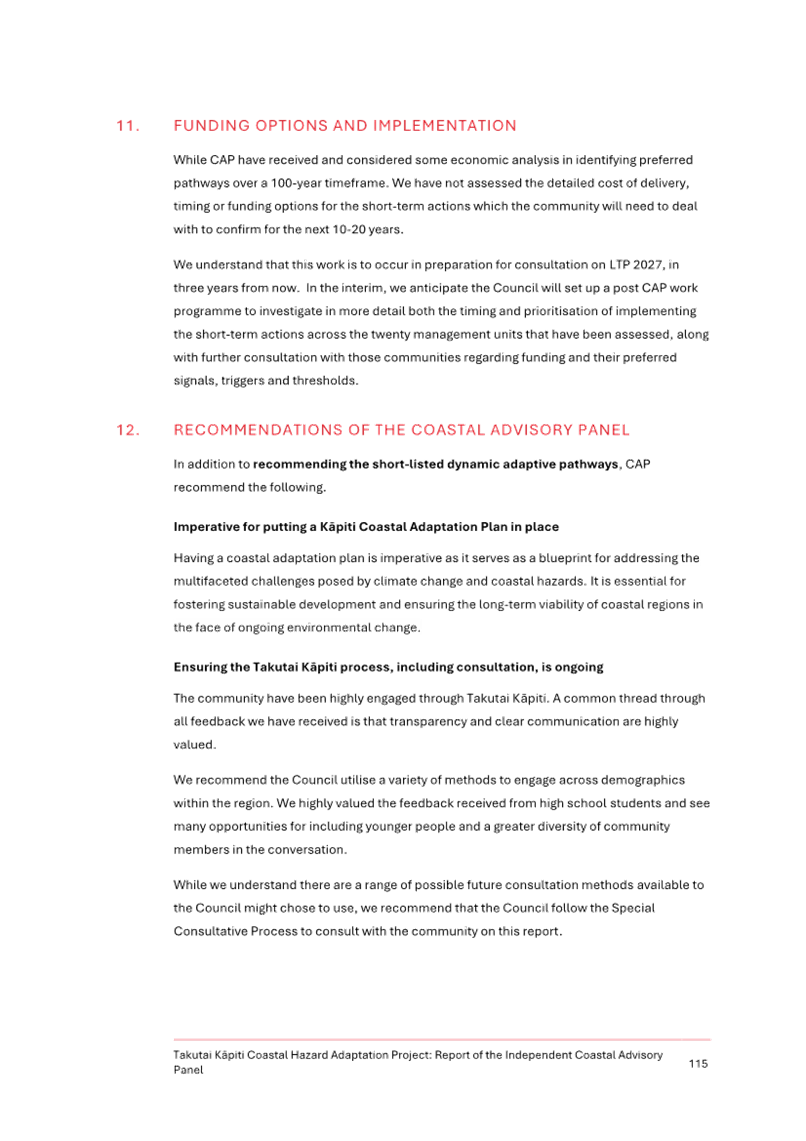
11 Community
engagement through the Takutai Kāpiti project highlighted the wide variety
of perspectives on coastal adaptation issues. While some support was expressed
for taking a proactive approach, others expressed concerns about Council doing
anything (except seawalls) as they were concerned about the impact to property
values and insurability. These concerns will need to be taken into account, as
potential next steps progress.
Ngā
kōwhiringa | Options
Table 2: Options to
respond to the Panel’s recommendations
|
Kōwhiringa |
Options
|
Hua | Benefits
|
Tūraru | Risks
|
|
Option A (recommended)
Proceed with
the proposed work programme as described in paragraphs 9, and Table 1, of
this paper
|
Likely to be supported by members of the community who
support taking a practical and proactive approach to coastal adaptation
issues.
The proposed work programme will provide Council with more
information to inform future substantive decisions on next steps.
|
Potential confusion may occur if the Council is engaging
communities on different coastal matters at the same time (for example, on
triggers, signals and thresholds at the same time as the coastal district
plan change).
|
|
Option B
Do not progress the proposed work programme as described
in paragraph 9, and Table 1, of this paper
|
May be supported by members of the community concerned
about potential impacts of doing anything (other than seawalls) on their
property values and insurability.
|
Partners and stakeholders who participated in the
Panel’s process could become frustrated and disengaged due to lack of
progress.
Reputational risk if Council is seen as not taking action.
An alternative approach to coastal hazard adaptation would
need to be developed, with additional cost and time.
|
Mana whenua
12 Mana
whenua have partnered with Council on this project through:
12.1 Membership
of the Co-design Working Group which established the Panel’s operating
design.
12.2 Membership
on the Panel, and inclusion of cultural experts on the Technical Advisory
Group.
13 The
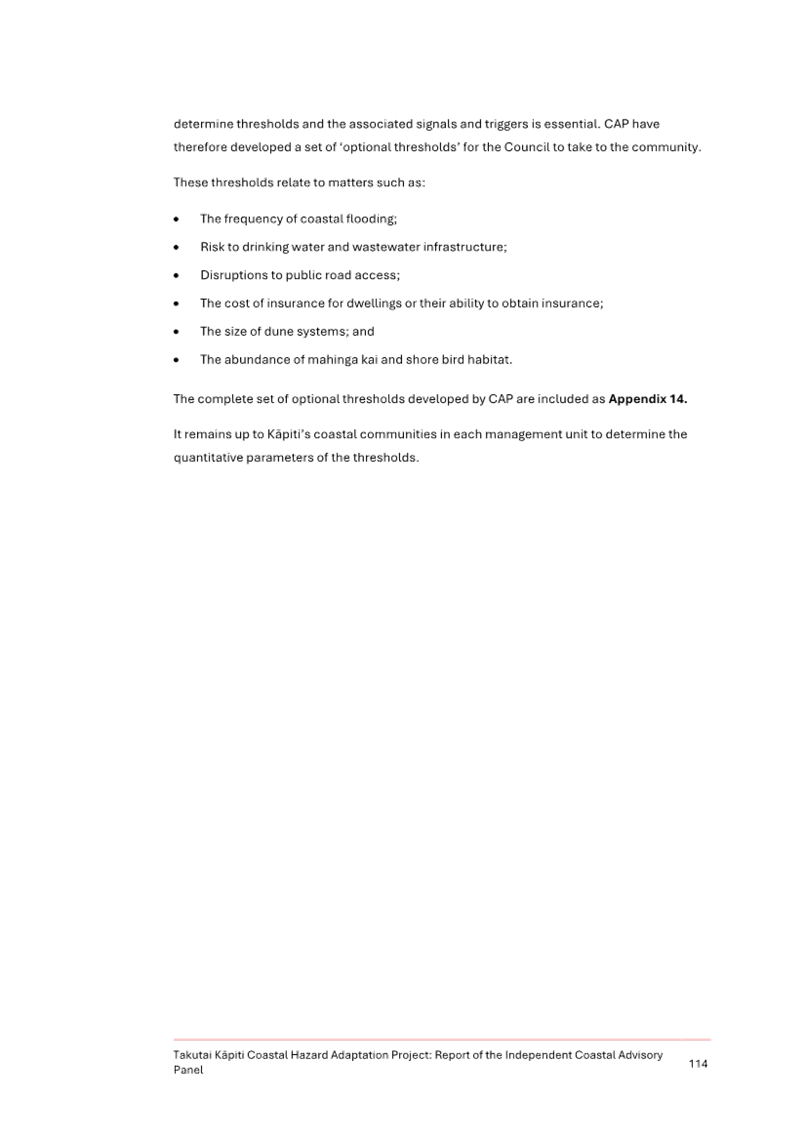
Panel’s “multi-criteria decision-making analysis” (MCDA) included
scoring adaptation options based on Te Ao Māori. Additionally, the Panel
benefitted from consideration of cultural reports produced specifically to
inform the project.
Panonitanga
Āhuarangi me te Taiao |
Climate change and Environment
14 The
purpose of this project was to inform Council’s future approach to
coastal adaptation. The Panel’s findings were prepared following a
comprehensive process, including consideration of technical information and
feedback from the community.
15 As noted in paragraph 5,
Council resolved to undertake further analysis before making any decisions
regarding next steps in relation to the Panel’s Recommendation Report.
This has had downstream effects on the development of the Climate Change and Resilience
Strategy, as adaptation is one of four components of focus in that strategy
which was expected to be informed by:
15.1 Reports
and other information generated as part of the Takutai Kāpiti project; and
15.2 The
Panel’s recommendations.
16 To
address this delay, including progressing further analysis on the
Panel’s recommendations before decisions are made, it is proposed that
the Climate Change and Resilience Strategy be progressed through three
sub-strategies, to enable activity related to adaptation (as noted in paragraph
9) and mitigation to separately proceed, through development of a:
16.1 Climate
Change: Mitigation sub-strategy – which will set out the direction ,
levers for change, and focus of work related to Mitigation actions to support
our net zero emission reduction goal. This sub-strategy will utilise key
information such as the cultural, social and ecological impacts of climate
change for mitigation.
16.2 Climate
Change: Resilience and Recovery sub-strategy – which will set out the
direction, goals, and focus of work related to resilience and post-disaster
recovery work.
16.3 Climate
Change: Adaptation sub-strategy – which will set out the direction,
goals, and focus of work related to adaptation (including but not limited to
priorities for sand dunes planting and seawall management). This sub-strategy
will utilise key information such as the cultural, social and ecological
impacts of climate change for adaptation.
17 Climate
and Environment Committee and SO&F will receive updates on the
sub-strategies in the new year but broad timeframes include:
17.1 Climate
Change: Mitigation sub-strategy – development progresses through early
2025, and approval sought in April 2025.
17.2 Climate
Change: Resilience and Recovery sub-strategy – development is already
underway, with oversight of the Risk and Assurance Committee, and approval of
the sub-strategy sought in 2025/26.
17.3 Climate
Change: Adaptation sub-strategy – progresses alongside actions noted in
this paper for further work, and approval sought in 2027.
Ahumoni me ngā rawa | Financial
and resourcing
18 The
Long-term Plan 2024-34 has committed to further technical work and engaging
with communities about coastal adaptation.
19 Determining
the financial and resourcing implications of the proposed next steps will be
worked through as part of reporting back on the work programme in April 2025.
Tūraru ā-Ture me te Whakahaere
| Legal and Organisational Risk
20 Any
legal risks regarding taking next steps to respond to the recommendations will
be addressed by seeking legal advice at the appropriate time to ensure any
risks are addressed.
Ngā pānga ki ngā kaupapa here | Policy impact
21 This
report notes there are connected pieces of work that need to inform, and be
informed by, the next steps that respond to the Panel’s recommendations
(including progressing the proposed Climate and Resilience Strategy).
TE whakawhiti kōrero me te
tūhono | Communications &
engagement
Te mahere tūhono | Engagement
planning
22 This
report seeks Council’s approval for officers (as part of the proposed
work programme) to develop a plan for engagement with the community on the
Coastal Advisory Panel’s Recommendation Report, which would be brought
back to Council for approval.
Whakatairanga |
Publicity
23 No
publicity is planned at this time.
Ngā āpitihanga | Attachments
1. Takutai
Kāpiti Coastal Advisory Panel Recommendations Report - Section C
(Recommendations) ⇩
2. 24.10.31
- Letter to Kris Faafoi Insurance Council ⇩
3. 24.10.31
- Letter to Penny Nelson Department of Conservation ⇩
|
Strategy, Operations and Finance Committee
Meeting Agenda
|
5 December 2024
|


|
Strategy, Operations and Finance Committee
Meeting Agenda
|
5 December 2024
|
|
Strategy, Operations and Finance Committee
Meeting Agenda
|
5 December 2024
|
|
Strategy, Operations and Finance Committee
Meeting Agenda
|
5 December 2024
|
9.4 Performance
Report for the period ending 31 October 2024
Kaituhi | Author: Sheryl
Gavin, Principal Advisor Corporate Services
Kaiwhakamana
| Authoriser: Mark de Haast, Group Manager Corporate Services
Te pūtake | Purpose
1 This
report details Council’s financial and non-financial performance for the
four months ended 31 October 2024.
He
whakarāpopoto | EXecutive summary
2 An
Executive Summary is not required for this report.
Te tuku
haepapa | Delegation
3 The
Strategy, Operations and Finance Committee has delegated authority to consider
this under section B.1. of the 2022-2025 Triennium Governance Structure and
Delegations including ‘overviewing strategic programmes’ and
‘financial management including risk mitigation’.
Taunakitanga | RECOMMENDATIONS
That the
Strategy, Operations and Finance Committee:
A Receives
this report; and
B Notes
the Council’s financial and non-financial performance for the four months
ended 31 October 2024, as attached in Appendix 1 to this report.
Tūāpapa |
Background
4 The
performance report for the four months ended 31 October 2024 details how we
have performed against operating and capital budgets, service levels, and our
top 10 priorities for the reporting period.
5 We
have changed to thirdly performance reporting for years one, two, and three of
our 2024-34 Long Term Plan and refreshed how we present our performance, taking
on board feedback for simpler, more transparent and relevant information.
6 The
new performance framework introduced in the 2024-34 Long Term Plan comes into
effect in 2024/25 with 44 strategic outcome measures (impact targets) and 73
operational level of service targets across 16 activities.
7 Impact
targets are measured annually. For level of service targets some are measured
thirdly and some are only measured annually. How Council has performed against
all 73 level of service and 44 impact targets will be included in
Council’s Annual Report for 2024/25.
He
kōrerorero | Discussion
He take | Issues
Performance
8 Ninety-four
(94) percent of the non-financial performance targets that were measured were
achieved.
9 Eighty-one
(81) percent of the Top-10 priority actions are on track for completion within
expected timeframes.
10 Year-to-date
operating results were $2.5 million below budget, namely due to
temporary timing differences of crown funding (NZTA Waka Kotahi and the
Infrastructure Acceleration Fund) and higher fixed costs (personnel, cleaning,
security, energy) than expected.
11 Full
year operating results anticipate an operating surplus of $8.2 million
at year end. This is $3.8 million below budget (due to higher fixed operating
costs than expected) and is not a permanent cash surplus but instead a
temporary timing difference of capital project funding received within the
2024/25 financial year.
12 Year-to-date
capital spend of $21.9 million (or 29% of full year budget) was mainly
in line with budget.
13 Capital
projects spend of $82.3 million is estimated at year end which would be an
overspend of $6.9 million against budget. The forecast overspend will continue
to be closely monitored, re-assessed and updated in subsequent performance
reports to ensure delivery remains within the three-year total LTP budget.
14 Net debt at 31 October 2024 was $272.3 million, 208
percent of total operating revenue (well within the limit of 280 percent).
15 Total
assets at 31 October 2024 were $2.4billion – the majority of this being
property plant and equipment ($2.31 billion).
Ngā
kōwhiringa | Options
16 There
are no options to consider with this report.
Tangata whenua
17 There
are no tāngata whenua matters in addition to those already outlined in
this report.
Panonitanga
āhuarangi | Climate
change
18 There
are no climate change matters in addition to those already outlined in this
report.
Ahumoni me
ngā rawa | Financial and resourcing
19 There
are no financial and resourcing matters in addition to those already outlined
in this report.
Ture me
ngā Tūraru | Legal and risk
20 There
are no legal and risk matters in addition to those already outlined in this
report.
Ngā pānga ki ngā
kaupapa here | Policy impact
21 There
are no policy impacts arising directly from this report.
TE whakawhiti kōrero me te tūhono | Communications & engagement
Te mahere tūhono | Engagement planning
22 There
is no engagement planning required for this report.
Whakatairanga | Publicity
23 Appendices
to this report will be made publicly available on the Council’s website.
Ngā
āpitihanga | Attachments
1. Performance
Report for the period ending 31 October 2024 (under separate cover)
|
Strategy, Operations and Finance Committee
Meeting Agenda
|
5 December 2024
|
10 Te Whakaū i
ngā Āmiki | Confirmation of Minutes
10.1 Confirmation
of Minutes
Author: Jessica
Mackman, Senior Advisor Governance
Authoriser: Kris
Pervan, Group Manager Strategy & Growth
|
Taunakitanga |
Recommendations
That the minutes of the
Strategy, Operations and Finance Committee meeting of 14 November 2024 be
accepted as a true and correct record.
|
Ngā
āpitihanga | Attachments
1. Strategy,
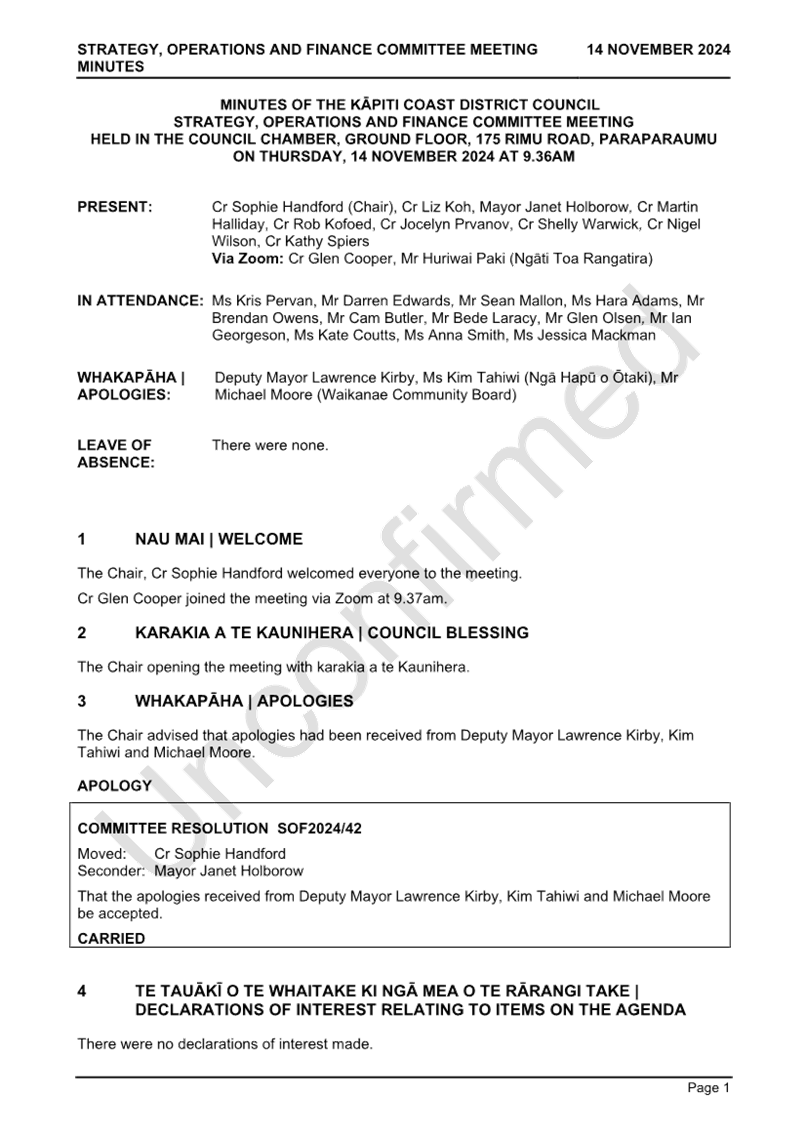
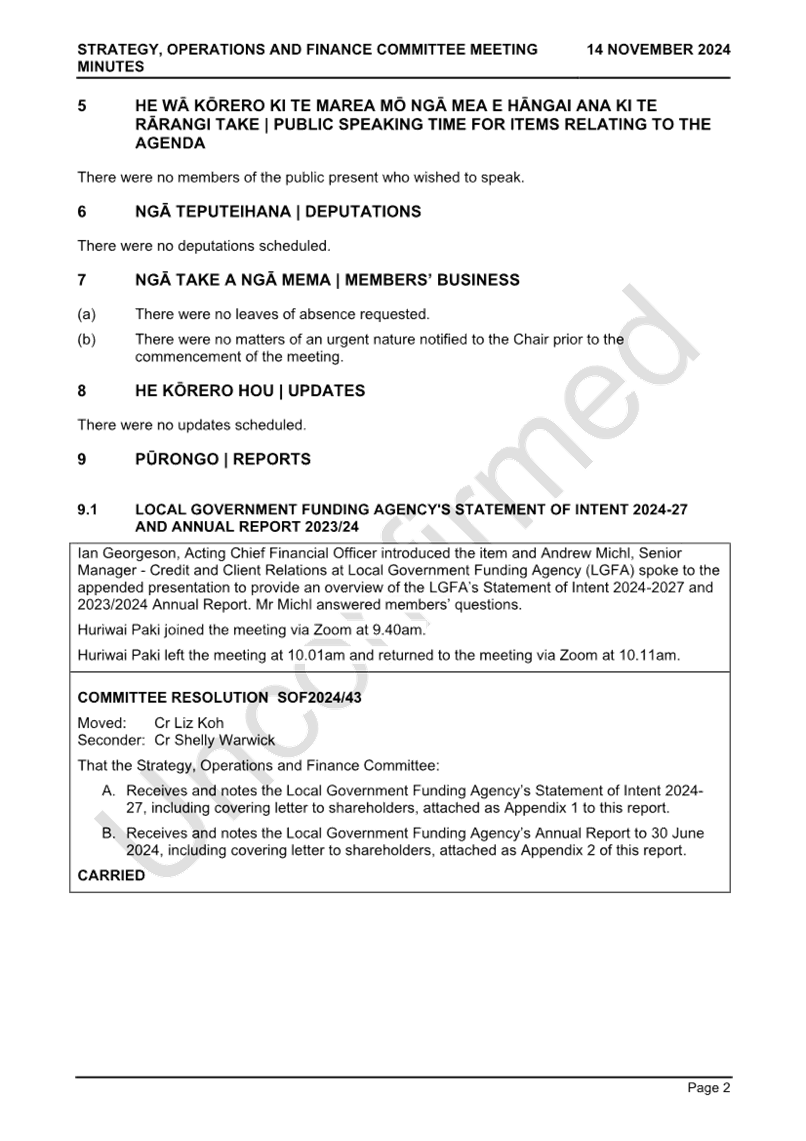
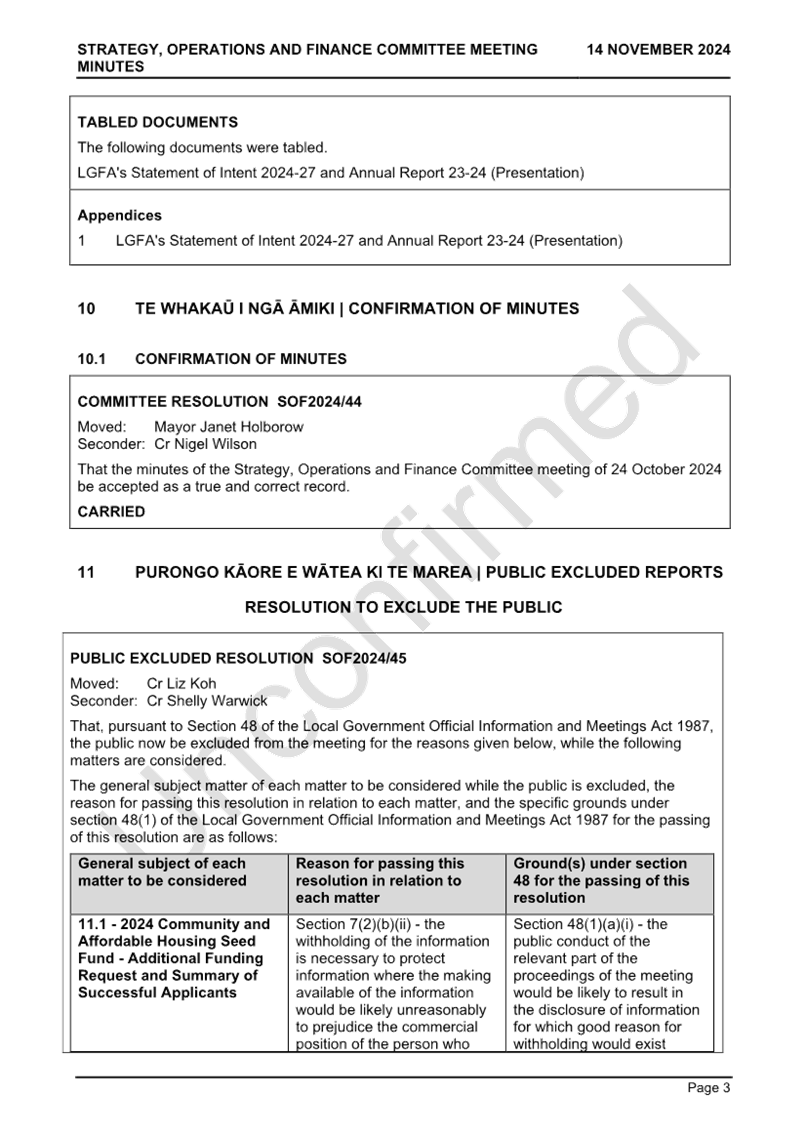
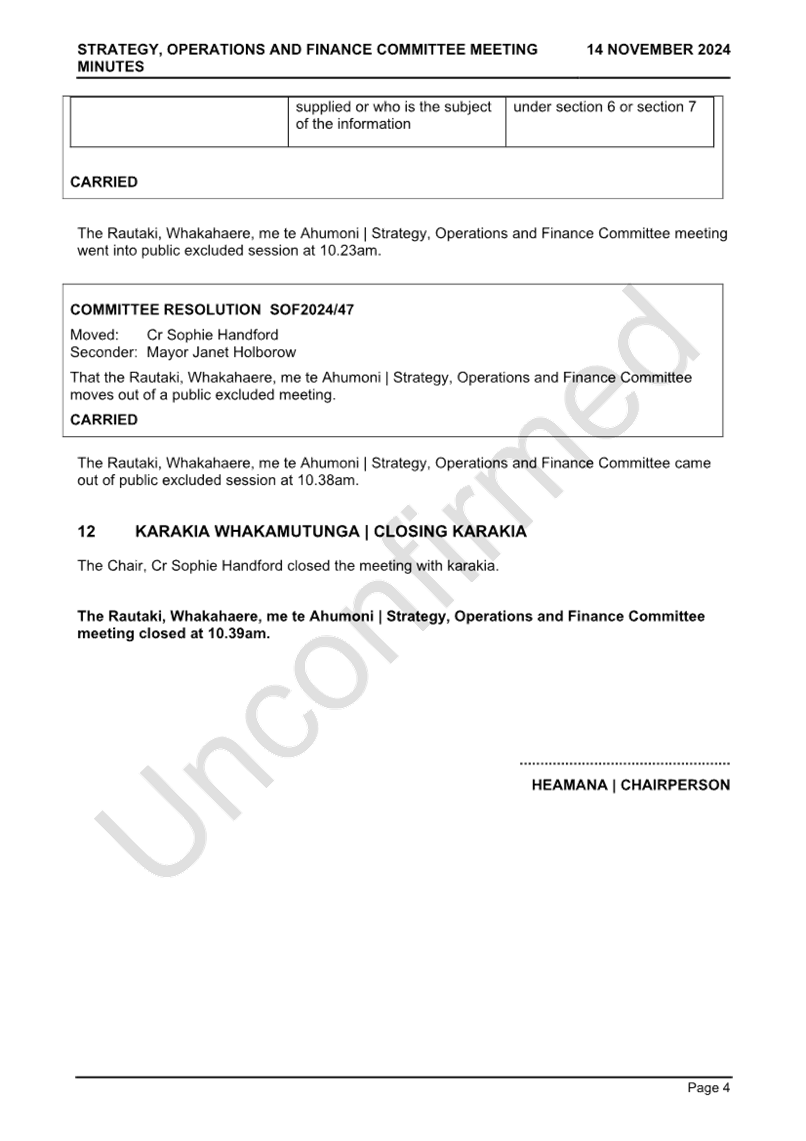
Operations and Finance Committee Meeting Minutes - 14 November 2024 ⇩
|
Strategy, Operations and Finance Committee
Meeting Agenda
|
5 December 2024
|
|
Strategy, Operations and Finance Committee
Meeting Agenda
|
5 December 2024
|
11 Te Whakaūnga
o Ngā Āmiki Kāore e Wātea ki te Marea | Confirmation of
Public Excluded Minutes
Resolution
to Exclude the Public
|
PUBLIC EXCLUDED ReSOLUtion
That, pursuant to Section 48 of the Local Government
Official Information and Meetings Act 1987, the public now be excluded from
the meeting for the reasons given below, while the following matters are
considered.
The general subject matter of each matter to be considered
while the public is excluded, the reason for passing this resolution in
relation to each matter, and the specific grounds under section 48(1) of the
Local Government Official Information and Meetings Act 1987 for the passing
of this resolution are as follows:
|
General subject of each
matter to be considered
|
Reason for passing this
resolution in relation to each matter
|
Ground(s) under section 48
for the passing of this resolution
|
|
11.1 - Confirmation of Minutes
|
Section 7(2)(b)(ii) - the withholding of the information
is necessary to protect information where the making available of the
information would be likely unreasonably to prejudice the commercial
position of the person who supplied or who is the subject of the
information
|
Section 48(1)(a)(i) - the public conduct of the relevant
part of the proceedings of the meeting would be likely to result in the
disclosure of information for which good reason for withholding would exist
under section 6 or section 7
|
|
12 Karakia
Whakamutunga | Closing Karakia
|
Kia tau ngā
manaakitanga ki runga i a tātou katoa,
Kia hua ai te
mākihikihi, e kī ana
Kia toi te kupu
Kia toi te reo
Kia toi te wairua
Kia tau te mauri
Ki roto i a mātou
mahi katoa i tēnei rā
Haumi e! Hui e!
Taiki e!
|
May blessings be upon us all,
And our business be
successful.
So that our words endure,
And our language endures,
May the spirit be strong,
May mauri be settled and in
balance,
Among the activities we will
do today
Join, gather, and unite! Forward
together!
|