|
|
|
AGENDA
Strategy and Operations Committee Meeting
|
|
I hereby give notice that a Meeting of the Strategy and Operations Committee will be held on:
|
|
Date:
|
Thursday, 12 May 2022
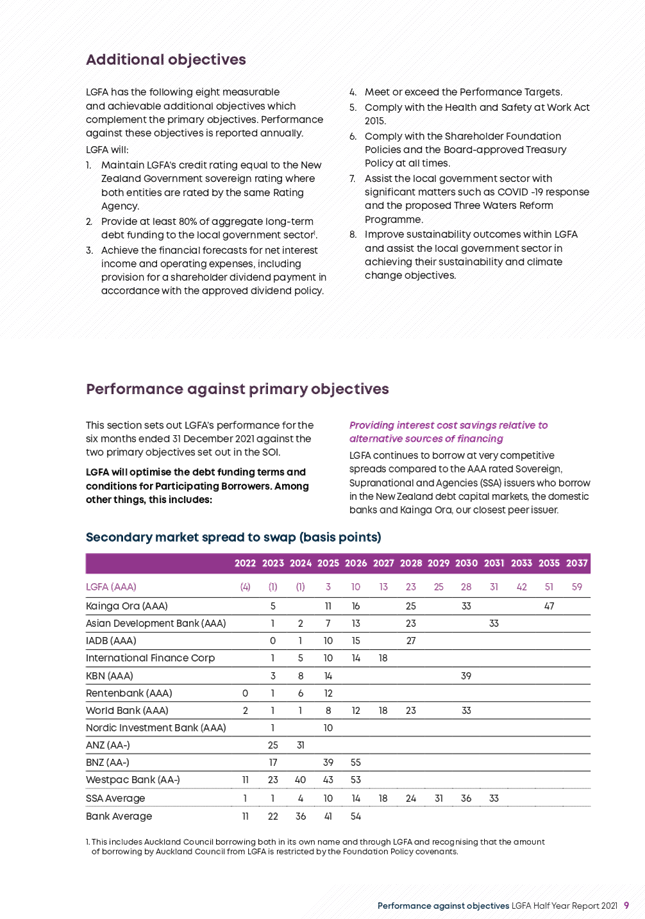
|
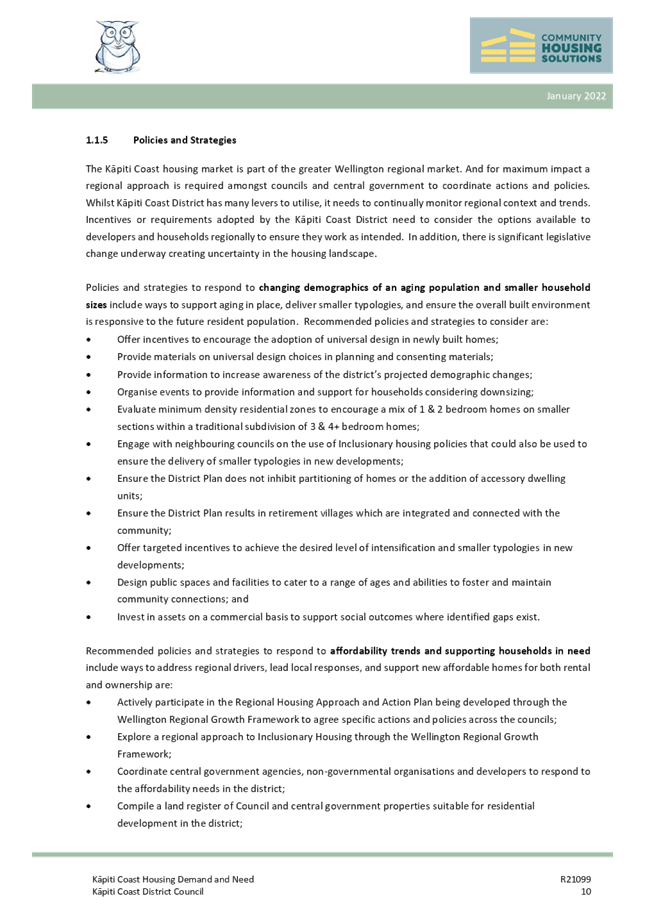
|
Time:
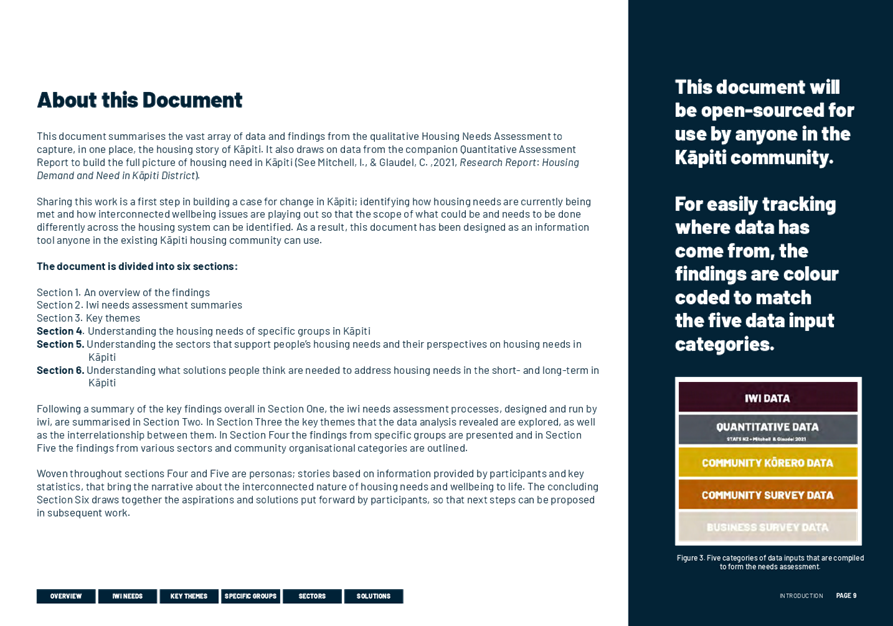
|
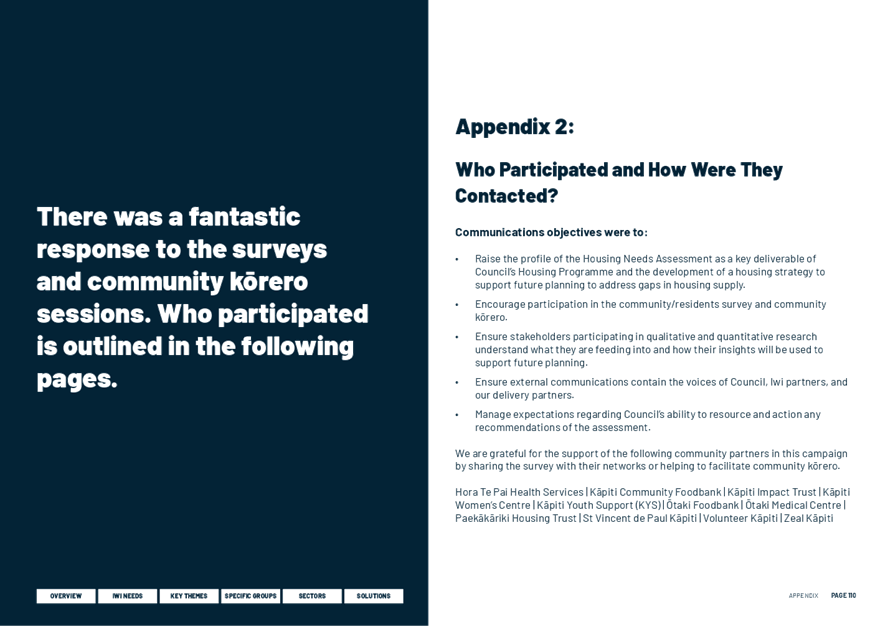
9.30am
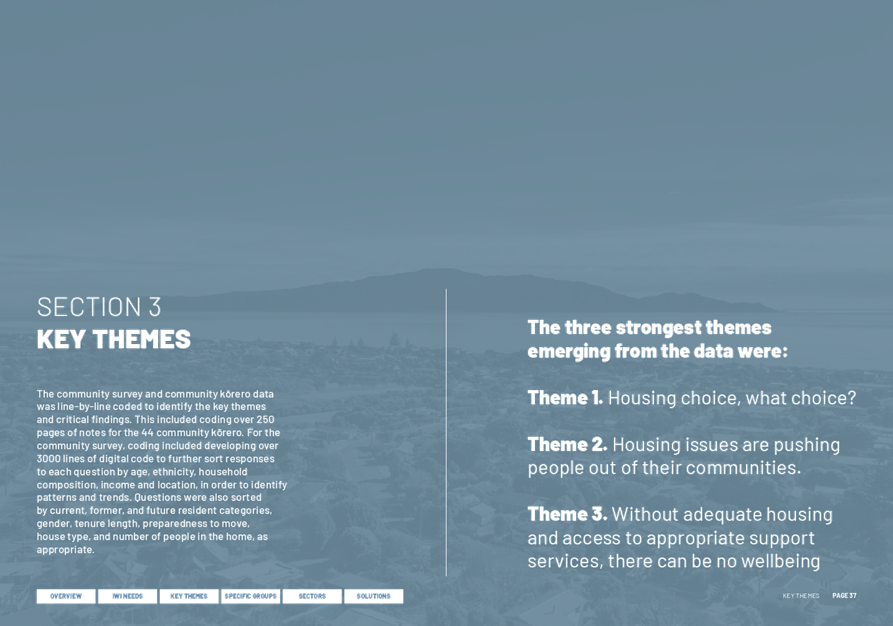
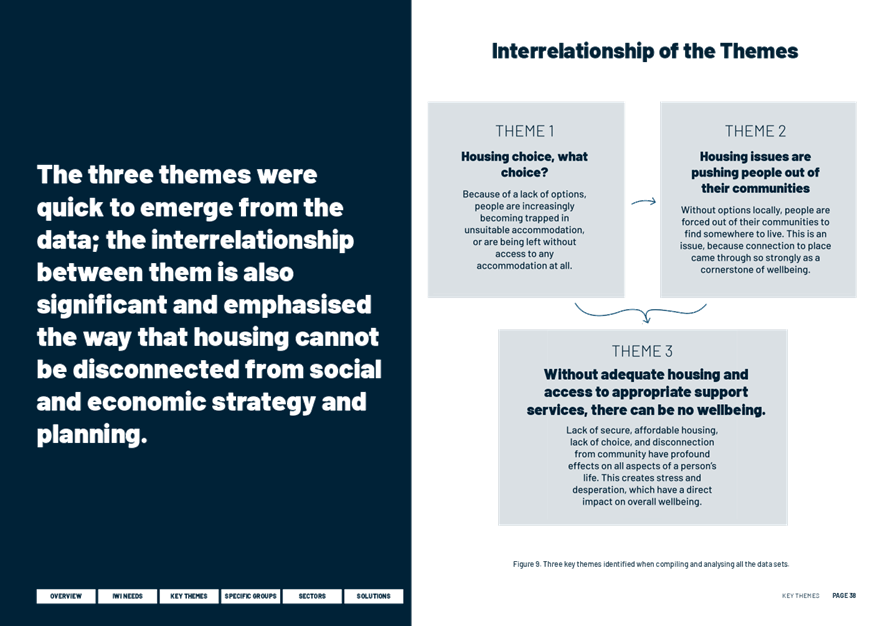
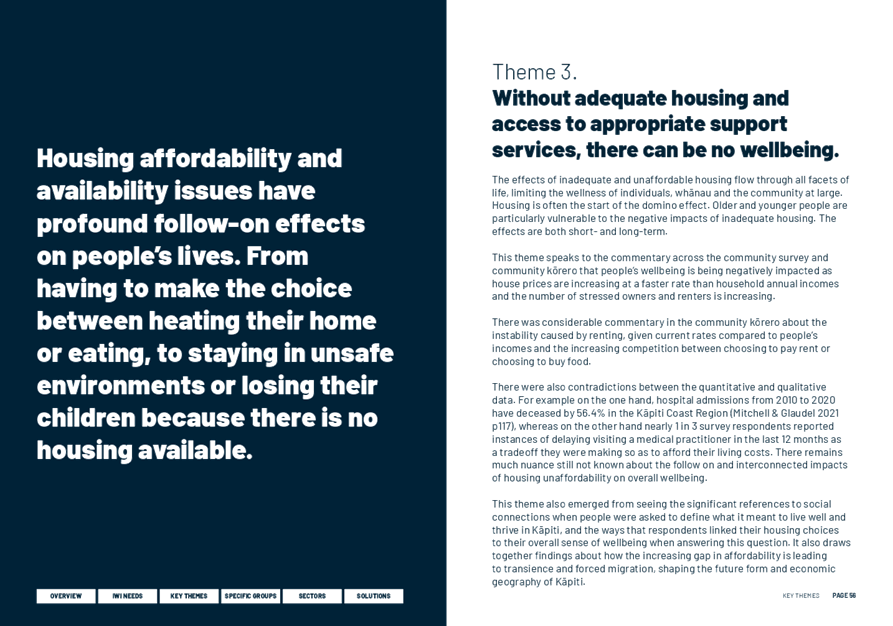
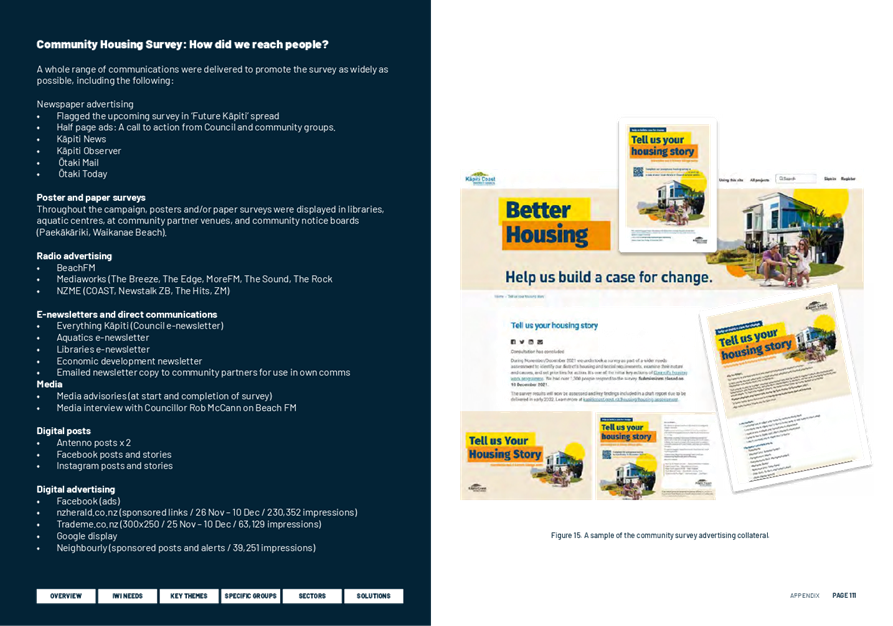
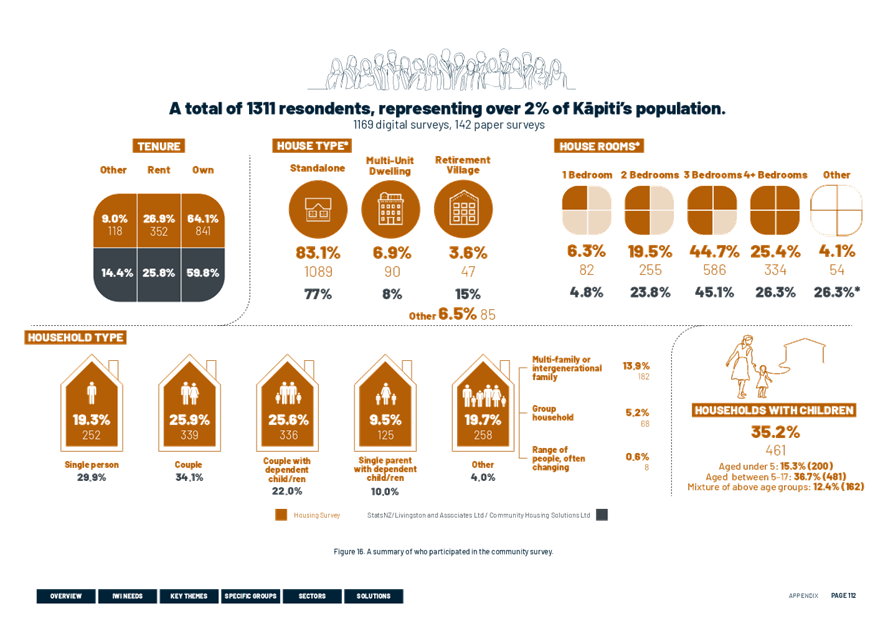
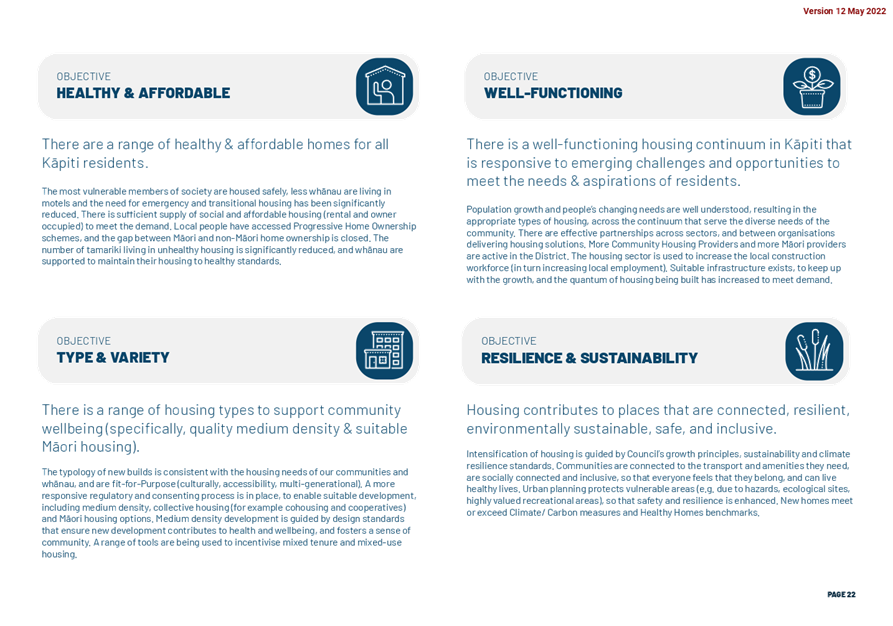
|
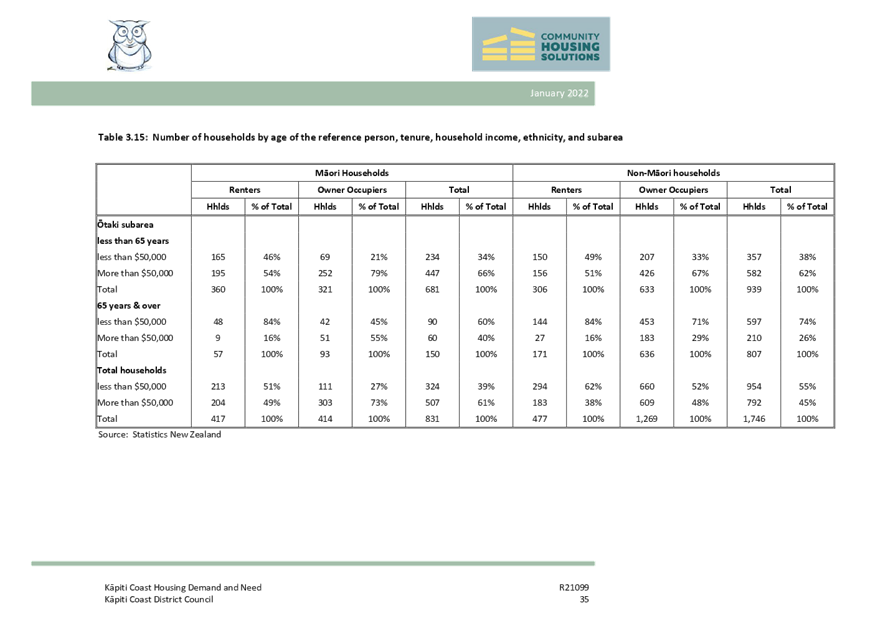
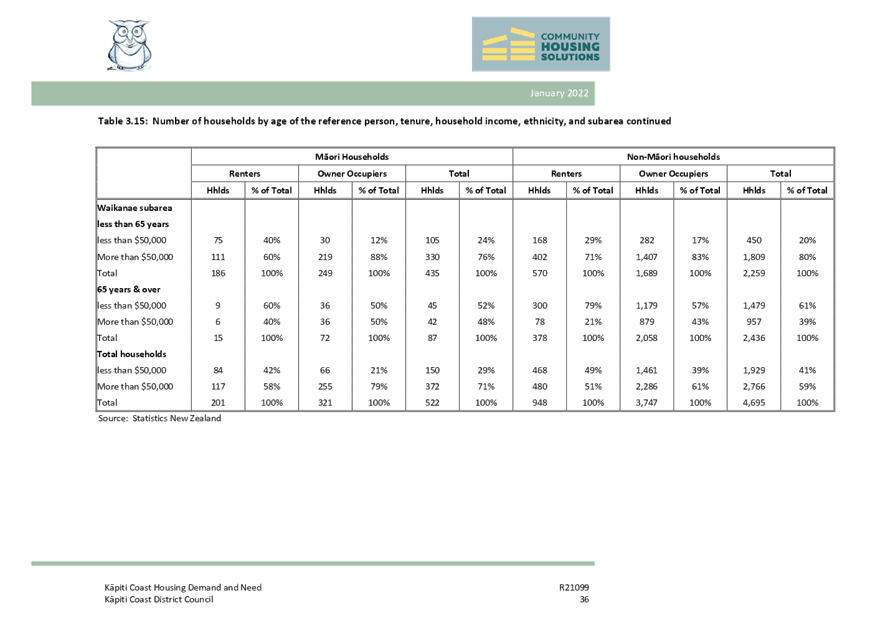
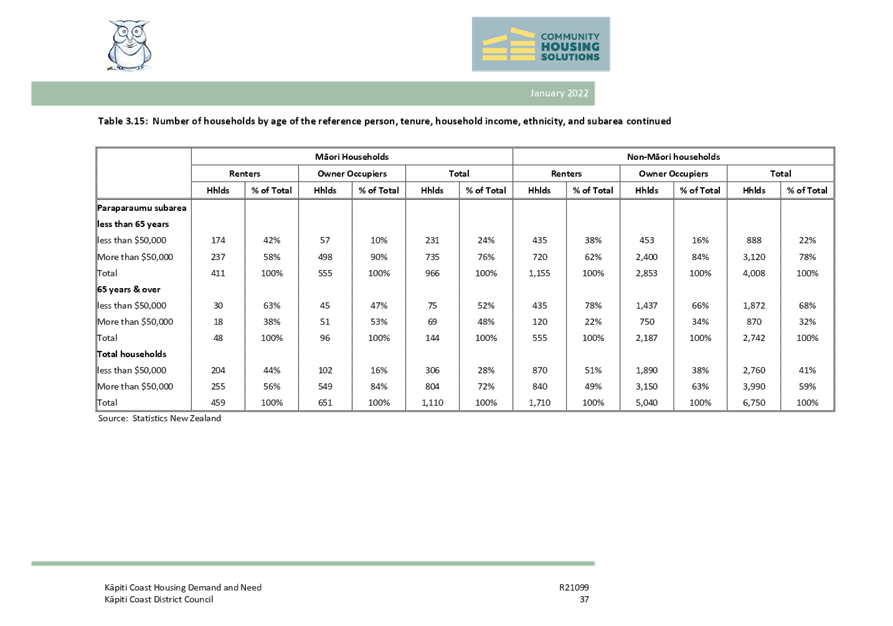
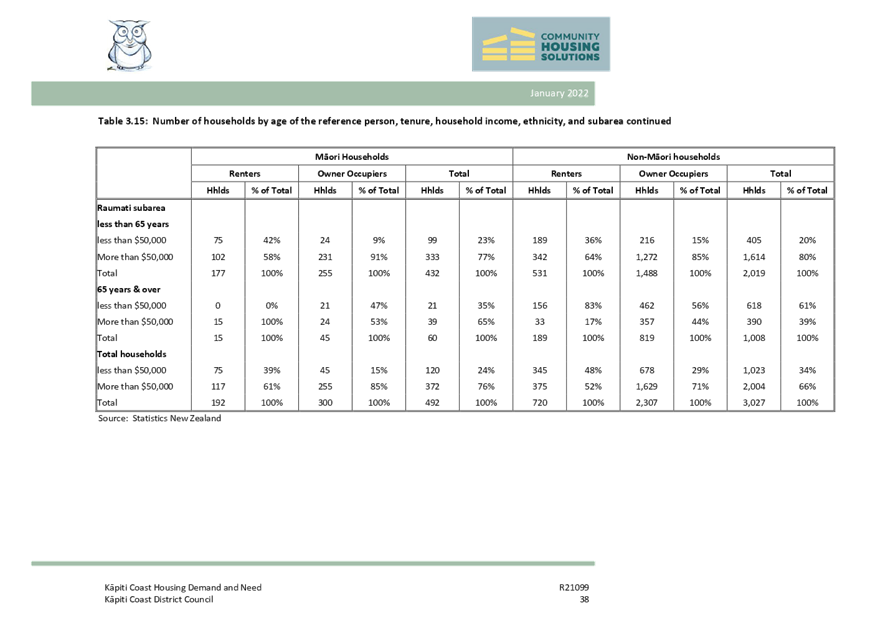
|
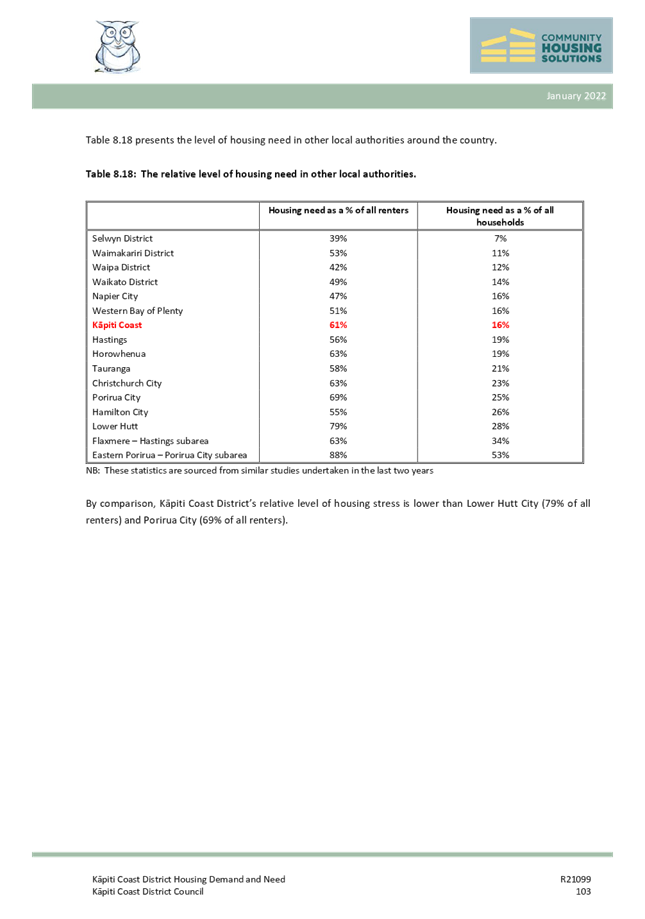
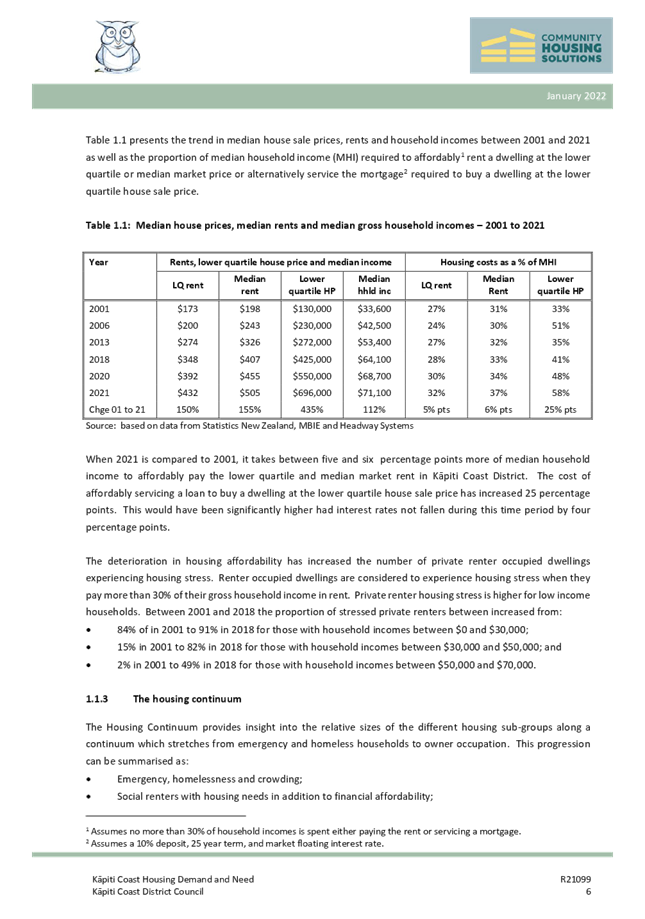
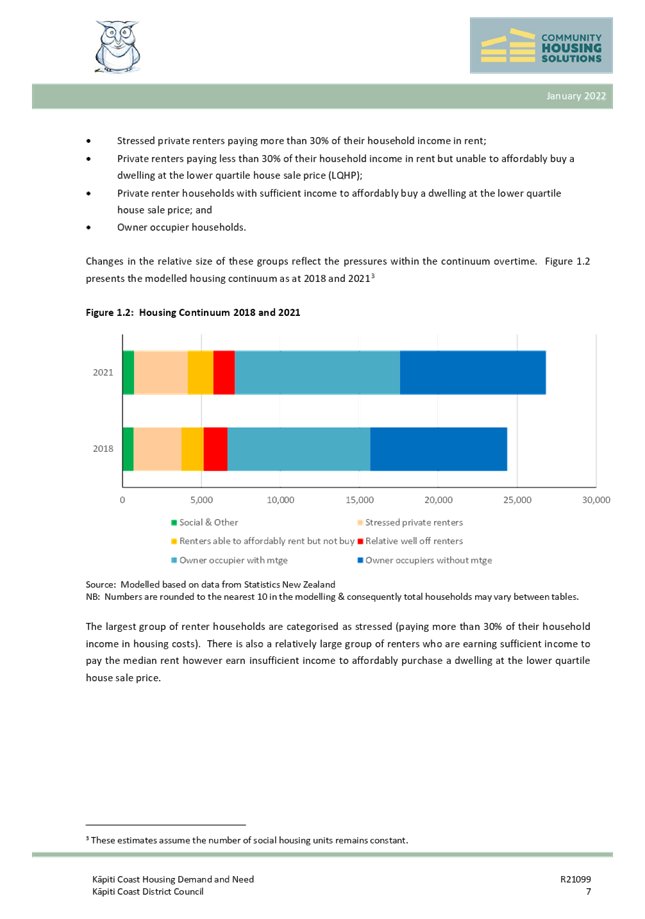
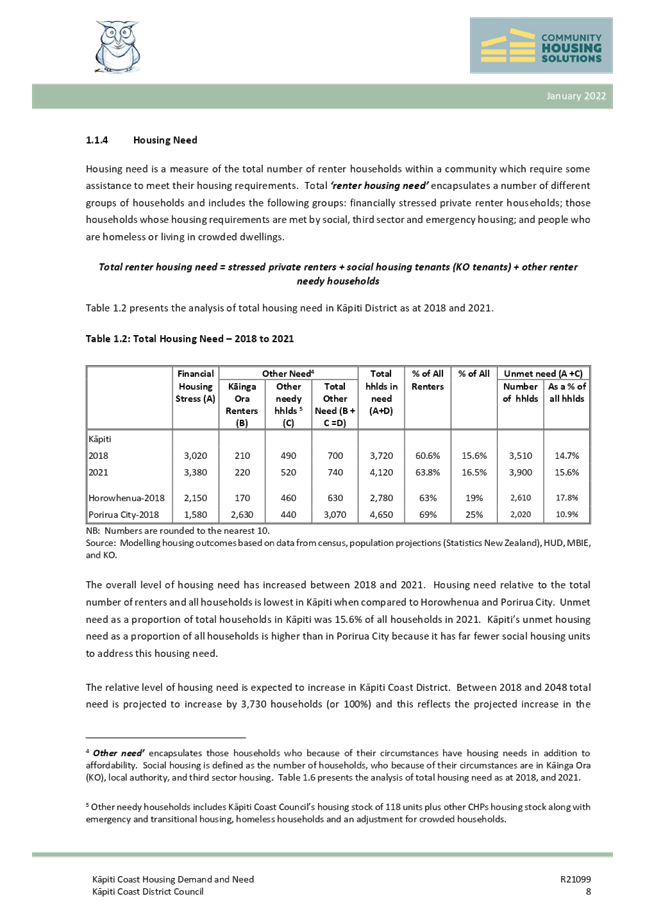
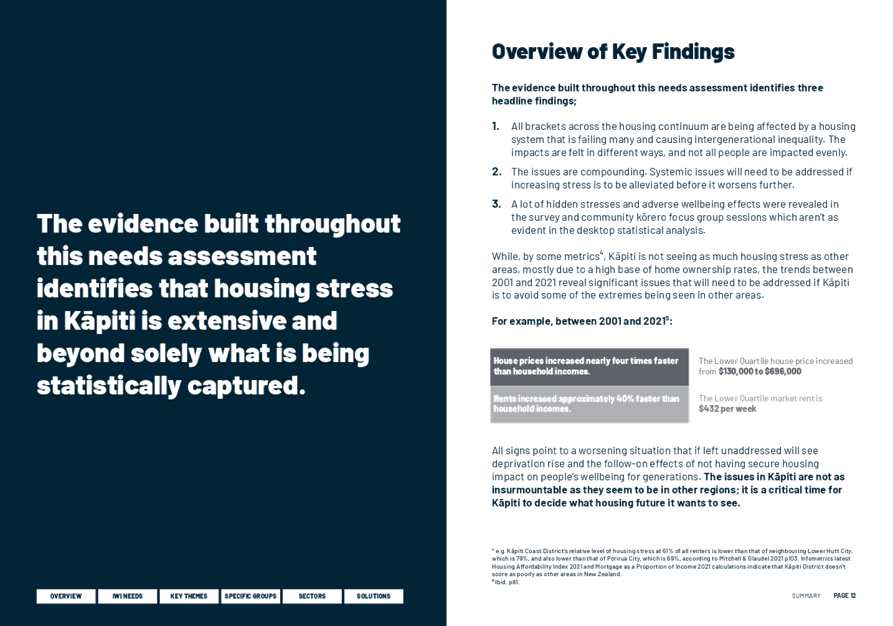
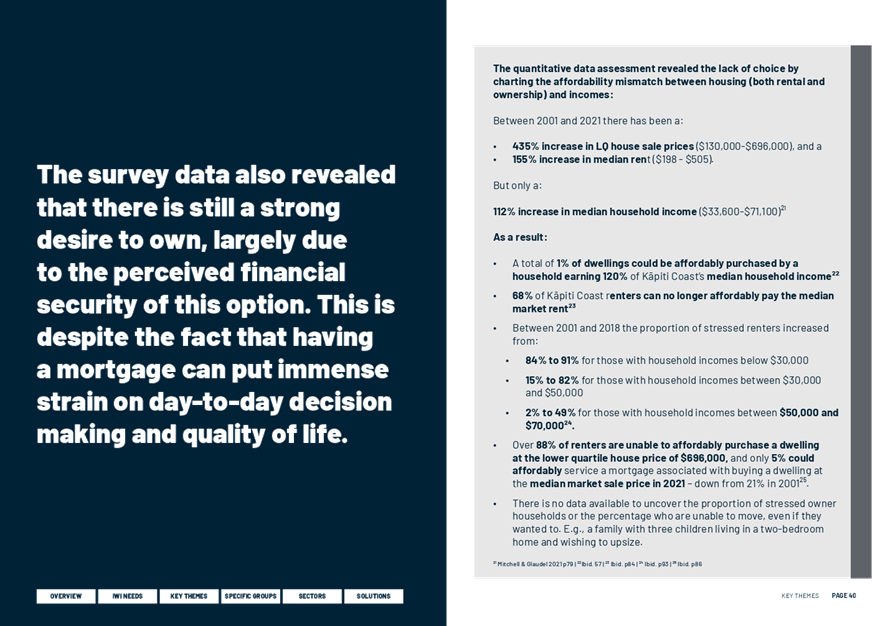
Location:
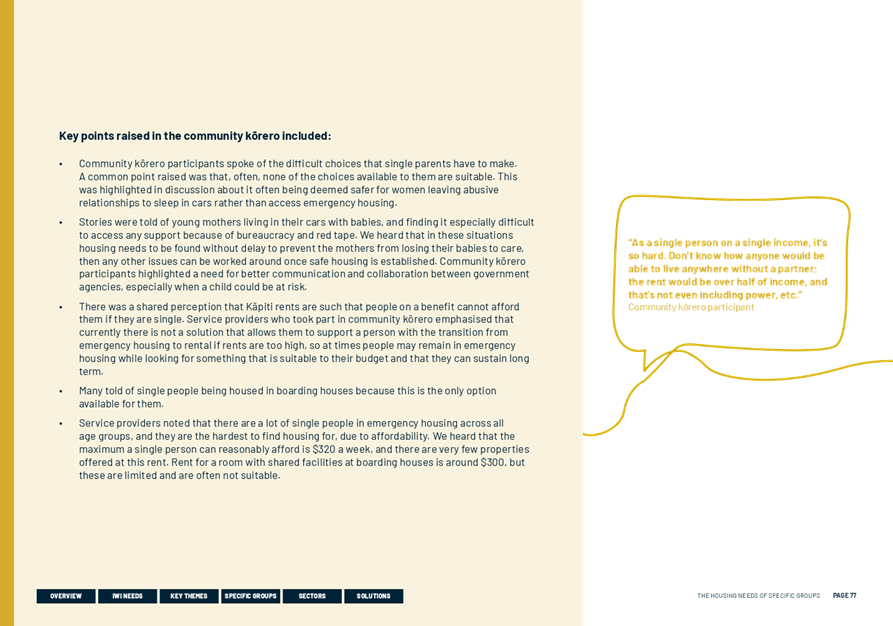
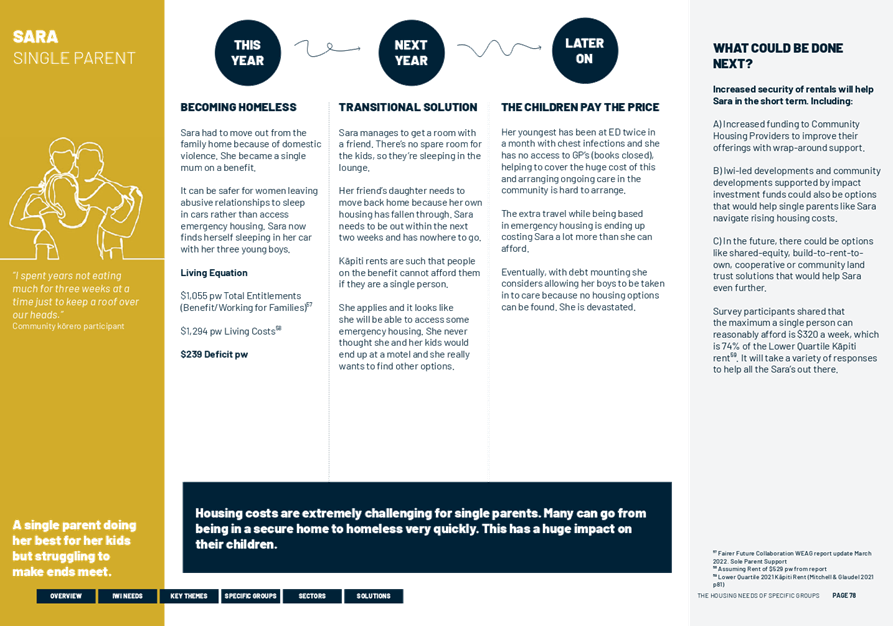
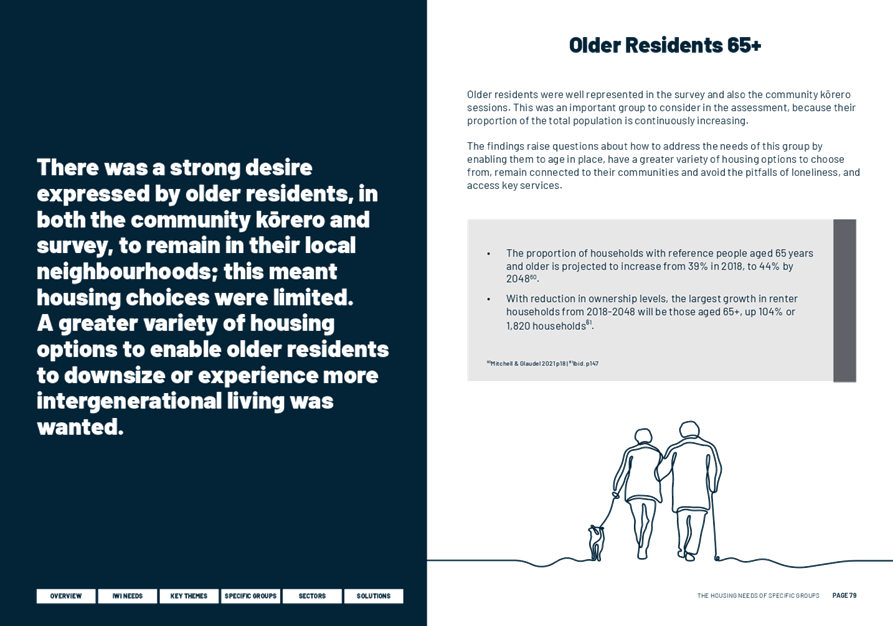
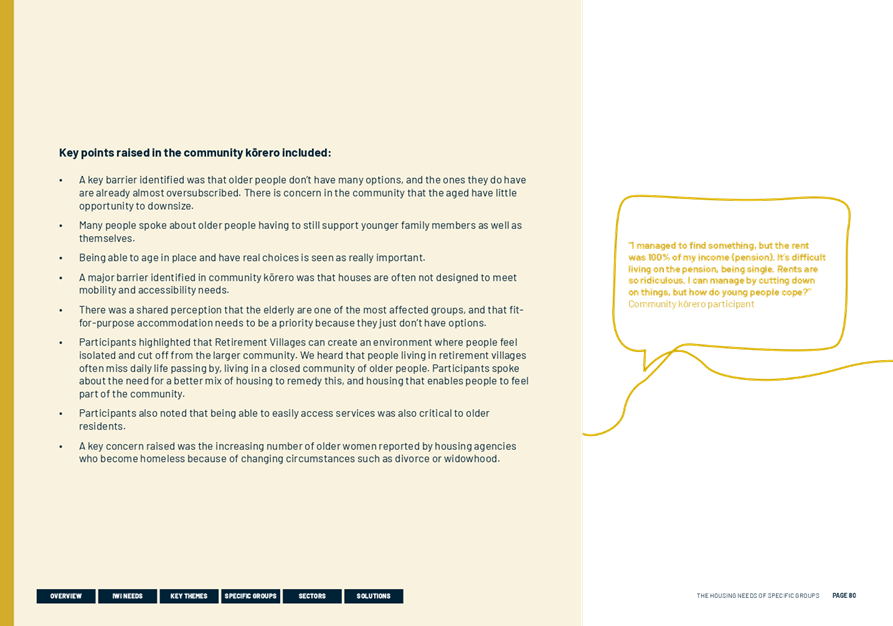
|
Council
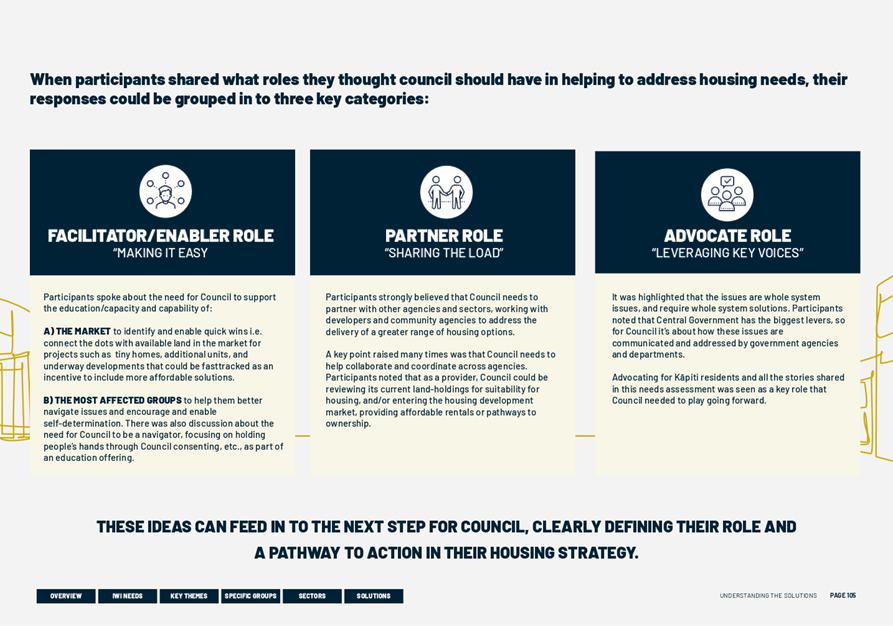
Chamber
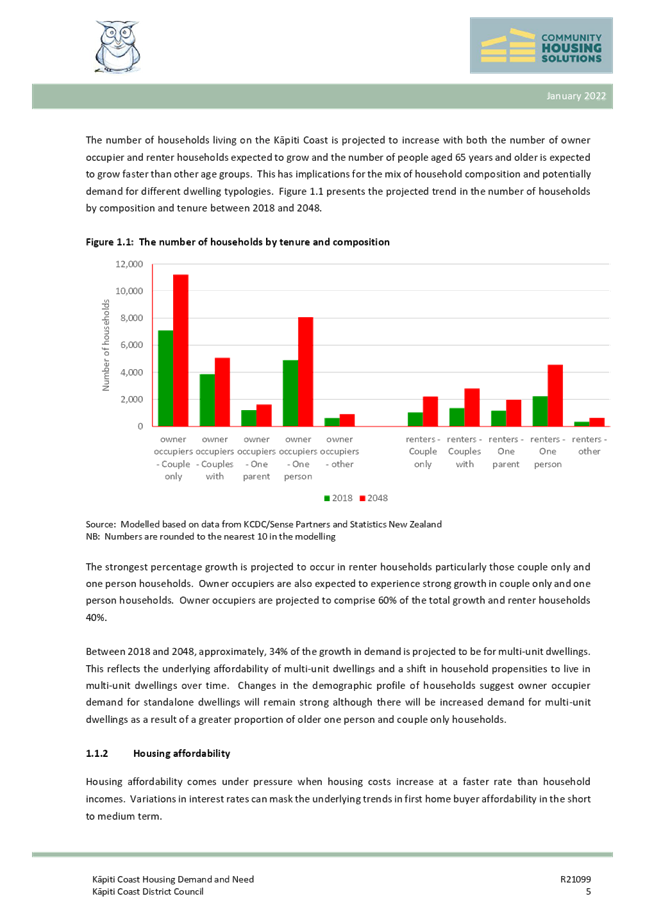
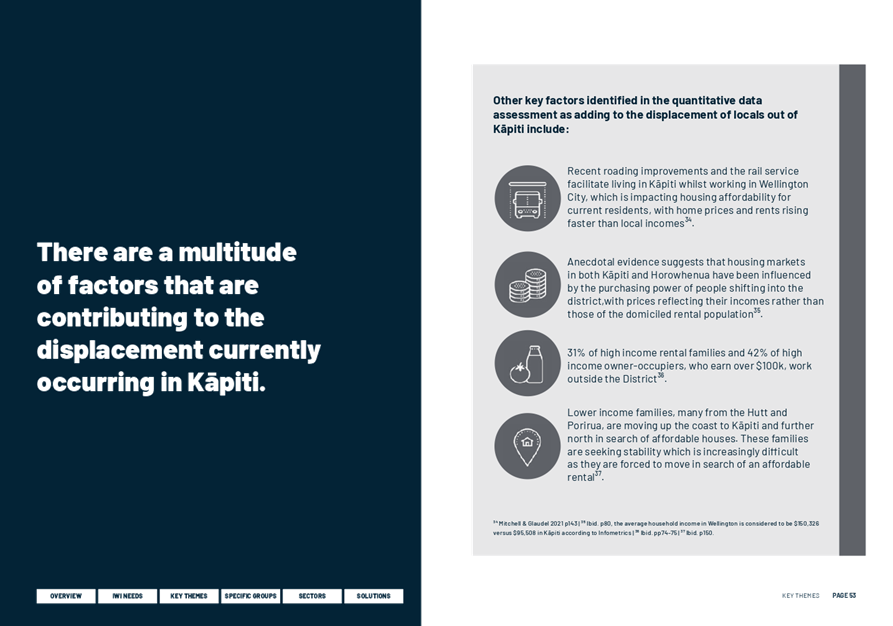
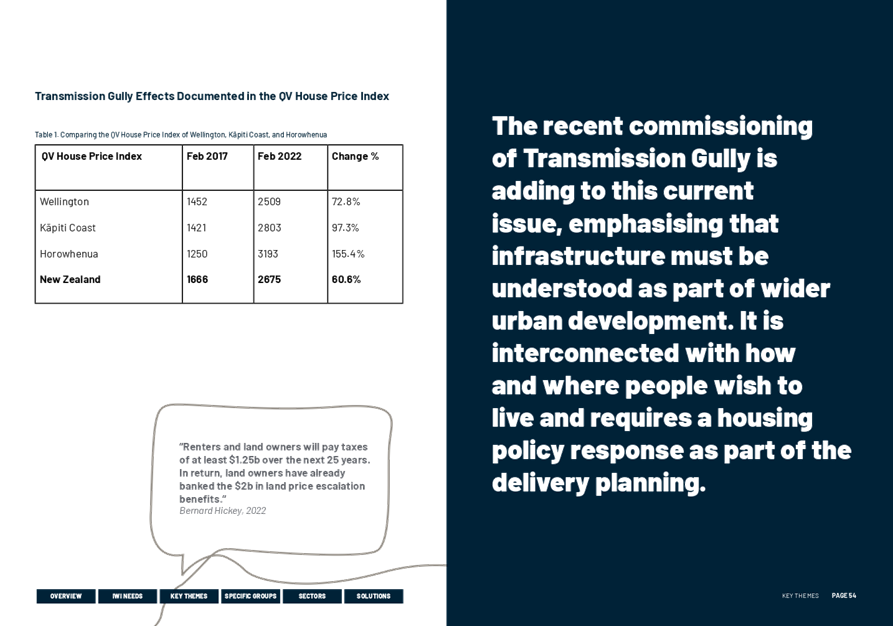
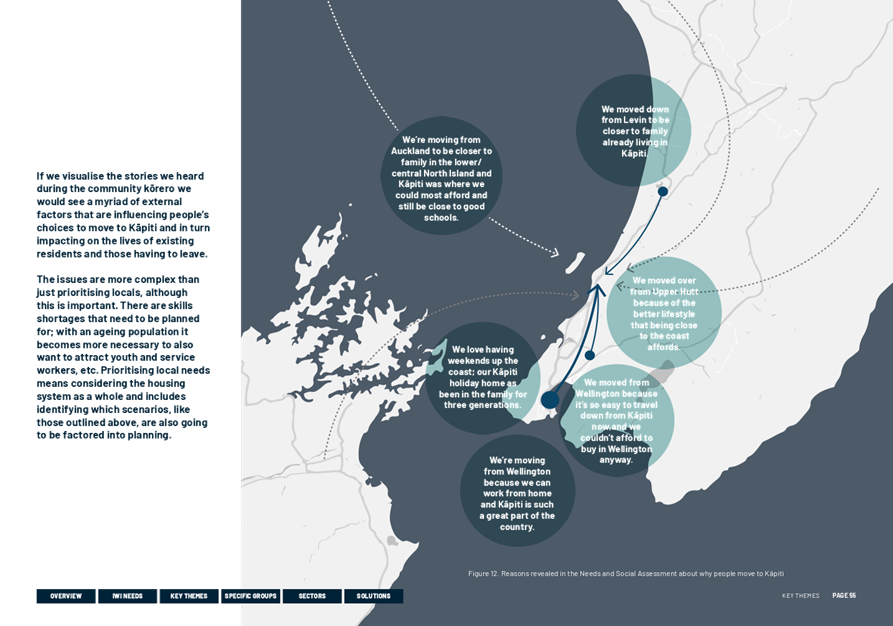
Ground
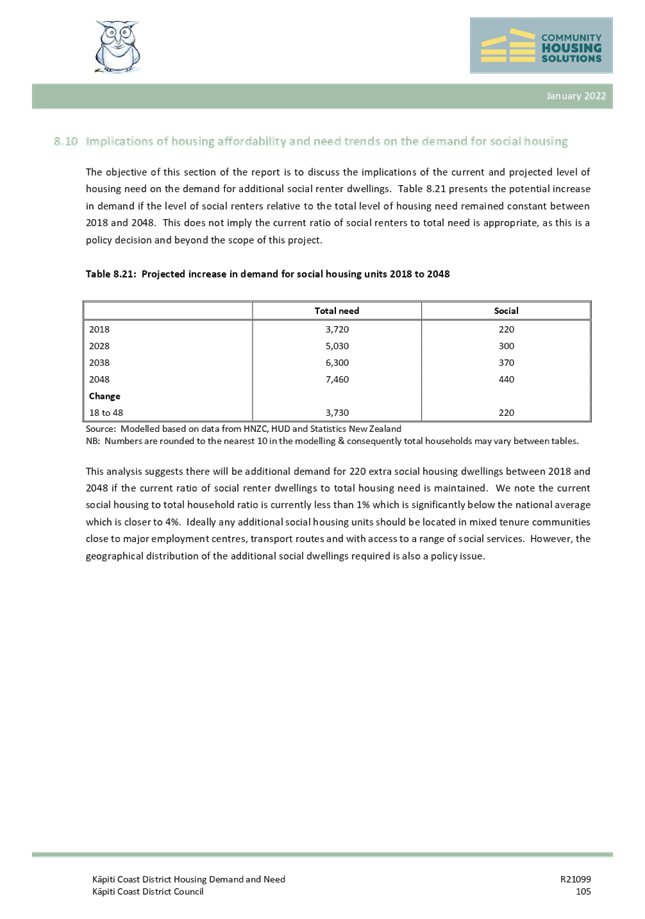
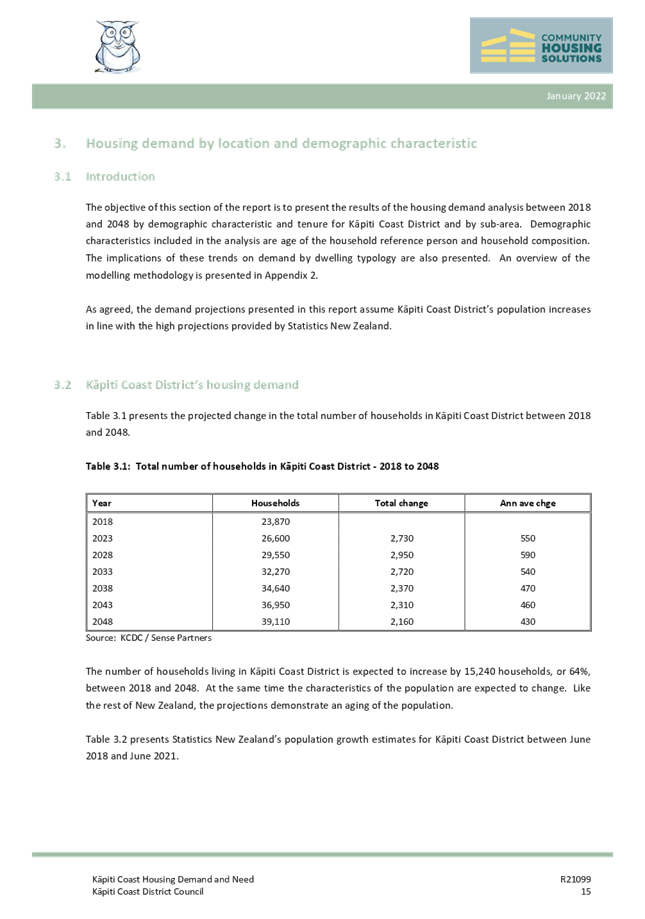
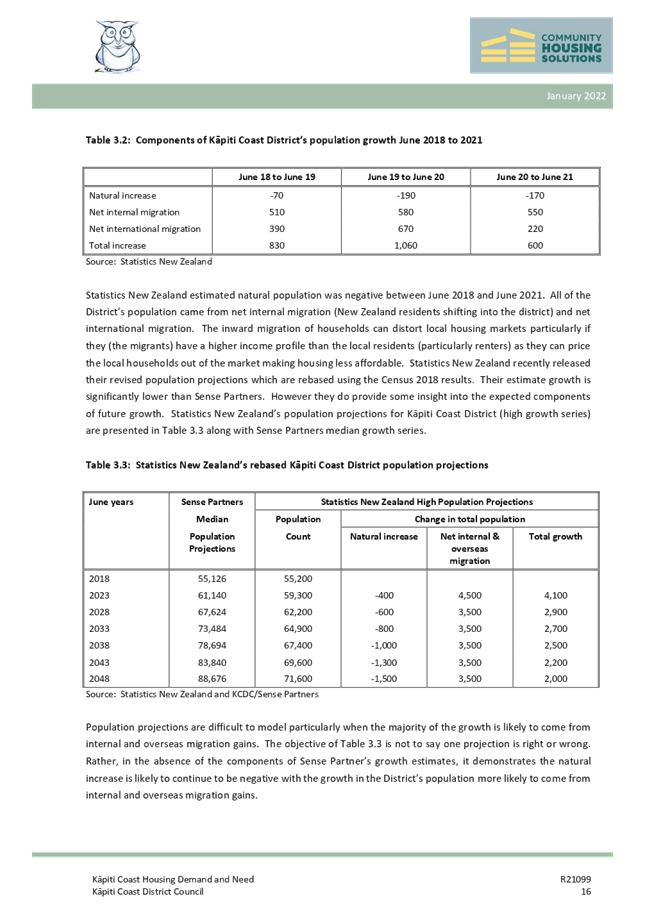
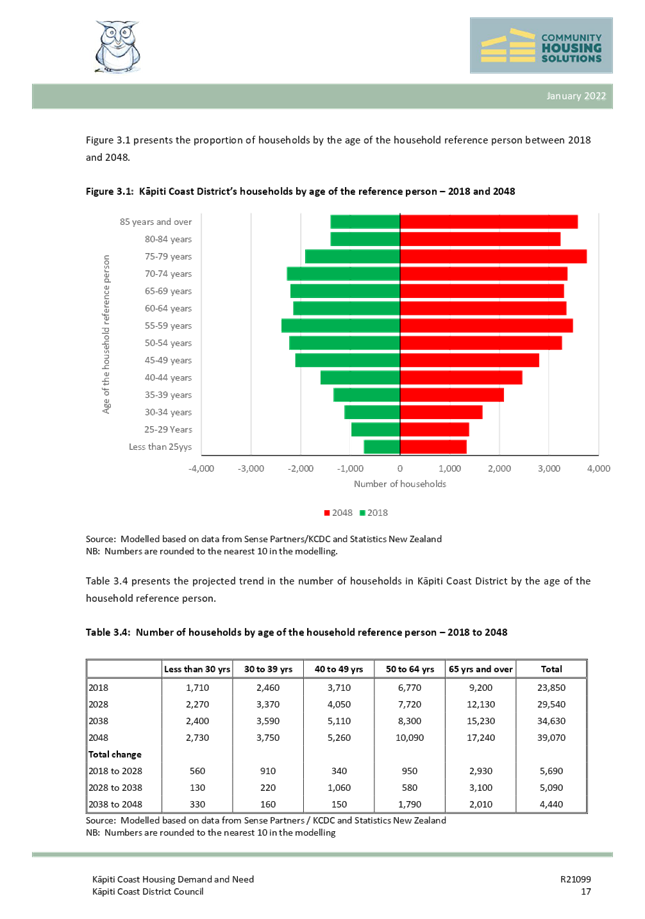
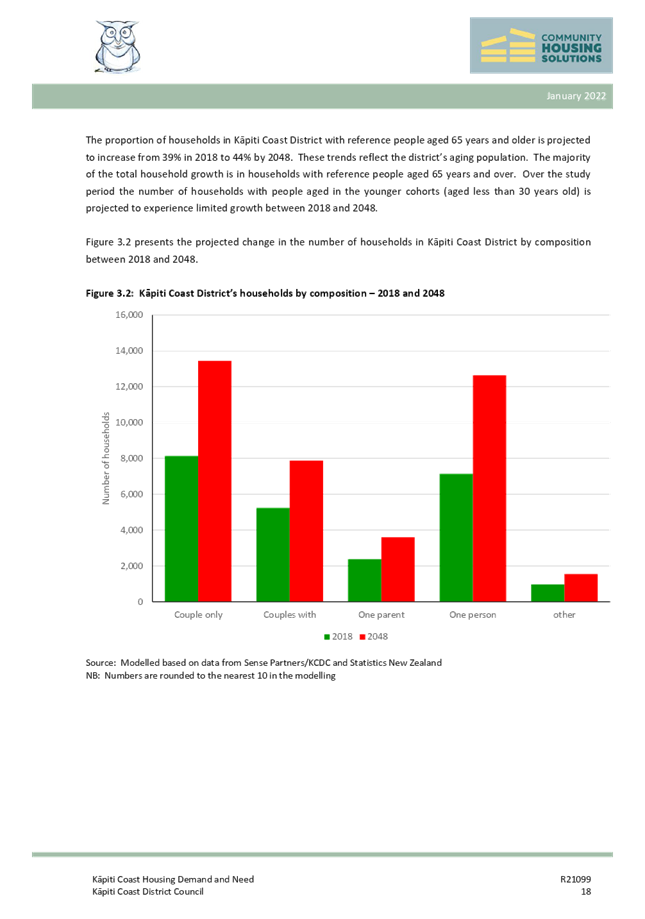
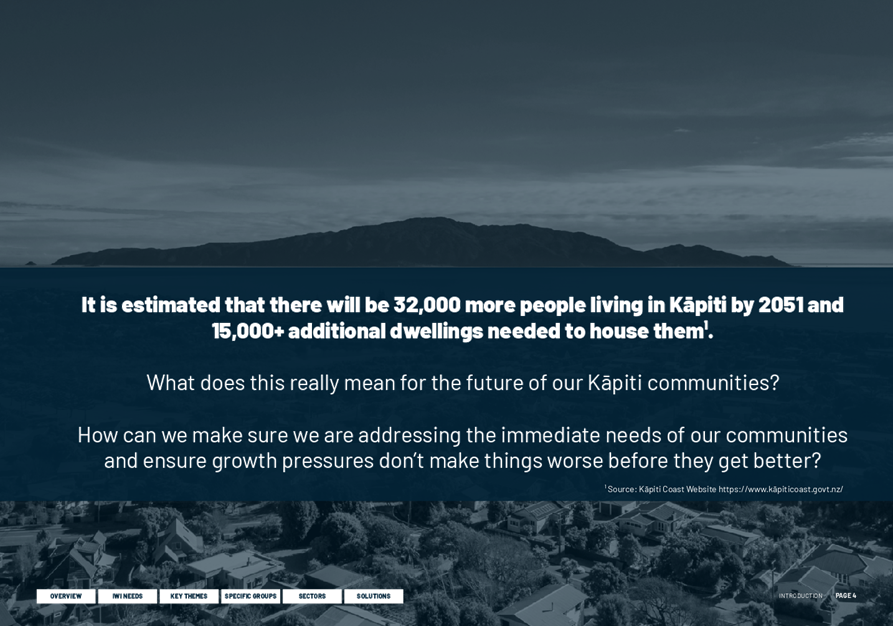
Floor, 175 Rimu Road
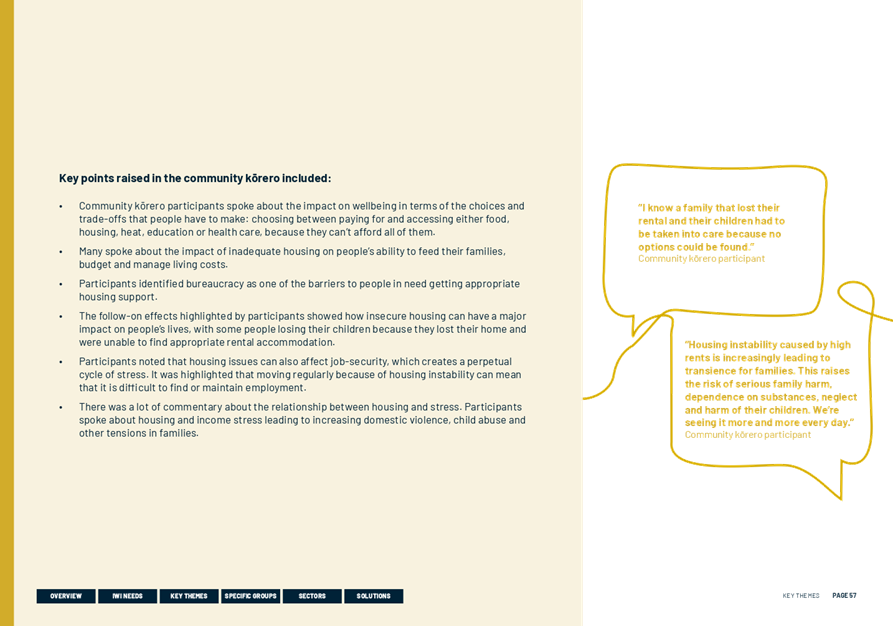
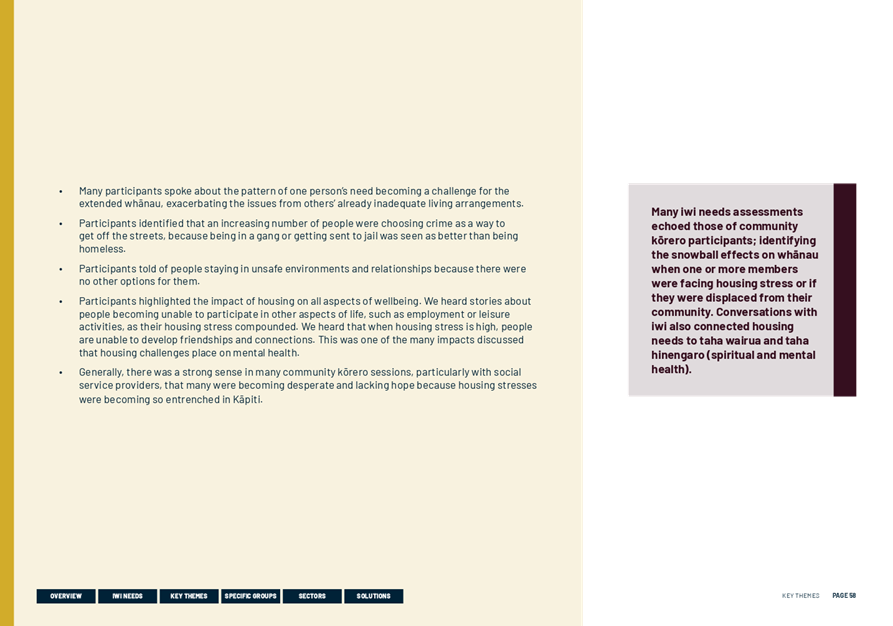
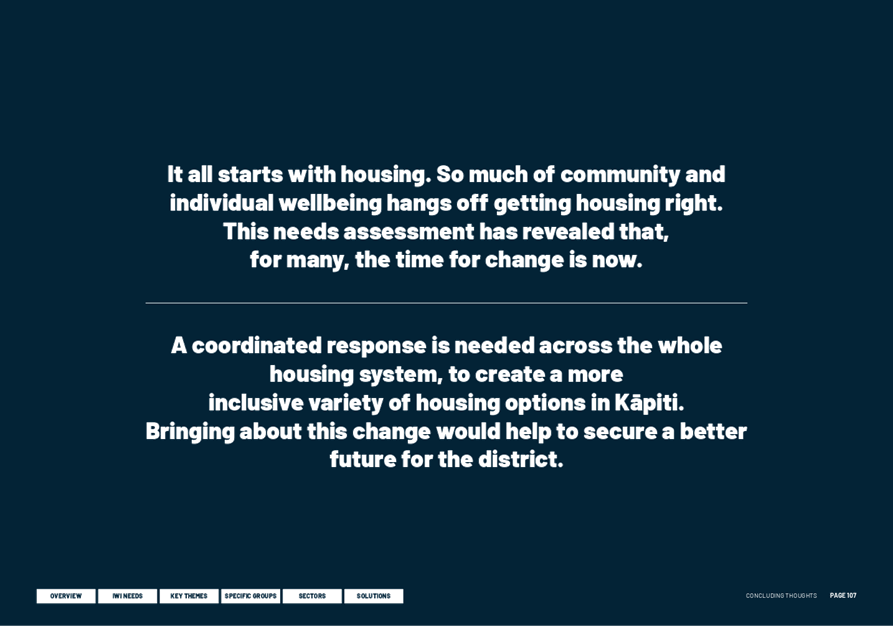
Paraparaumu
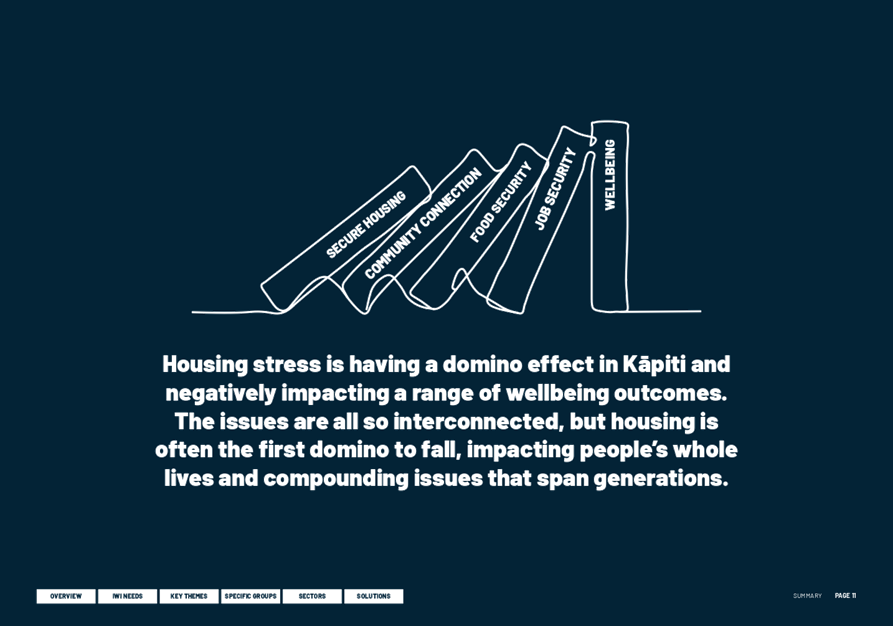
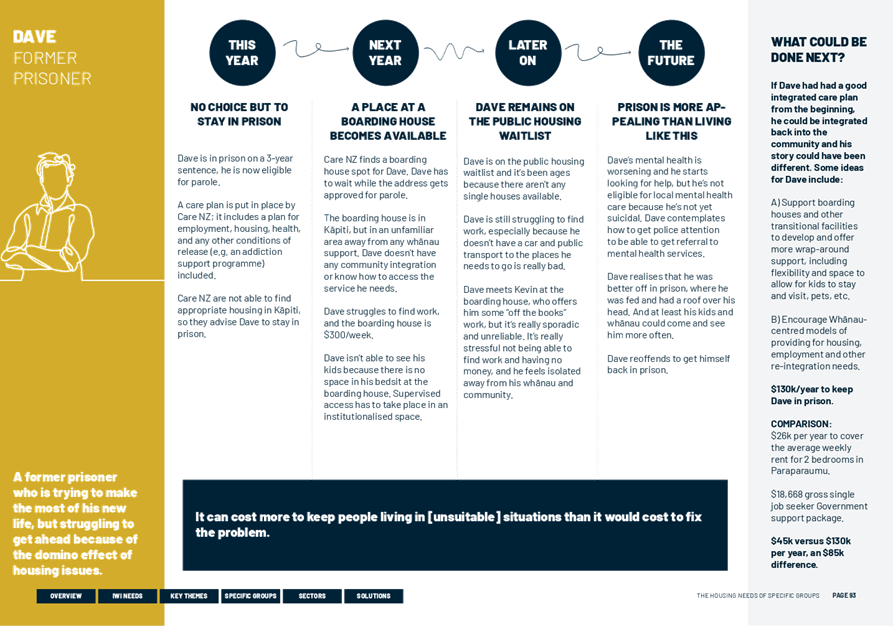
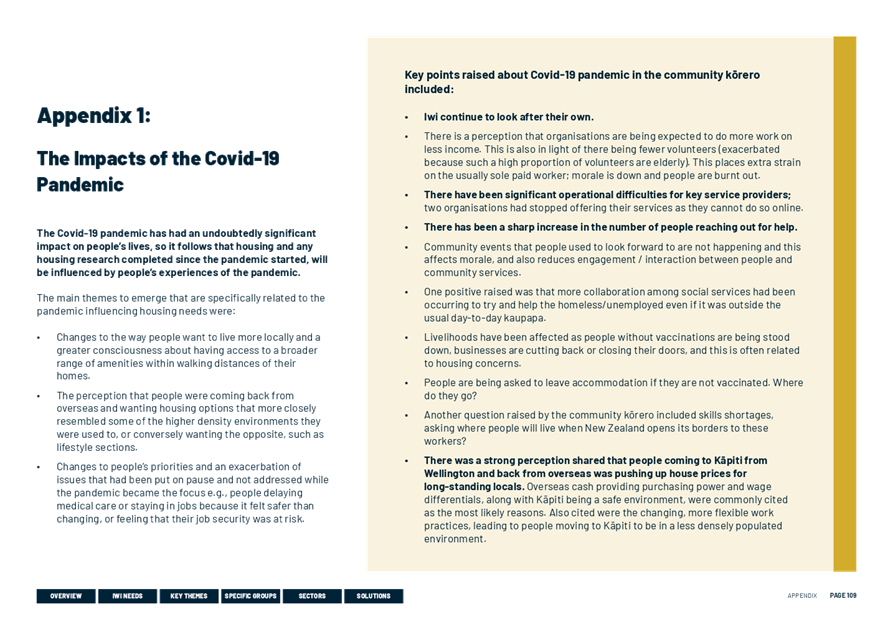
|
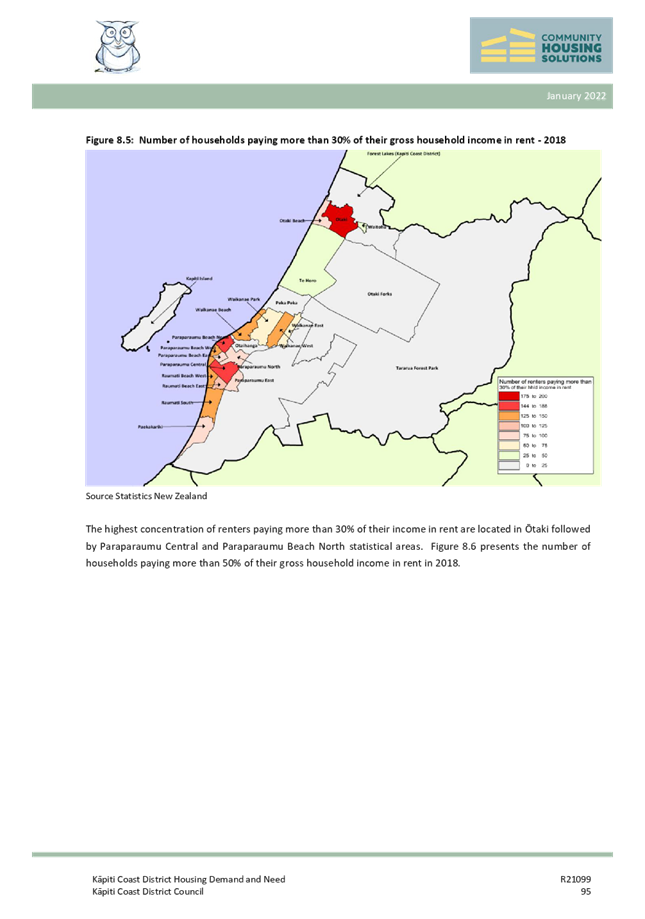
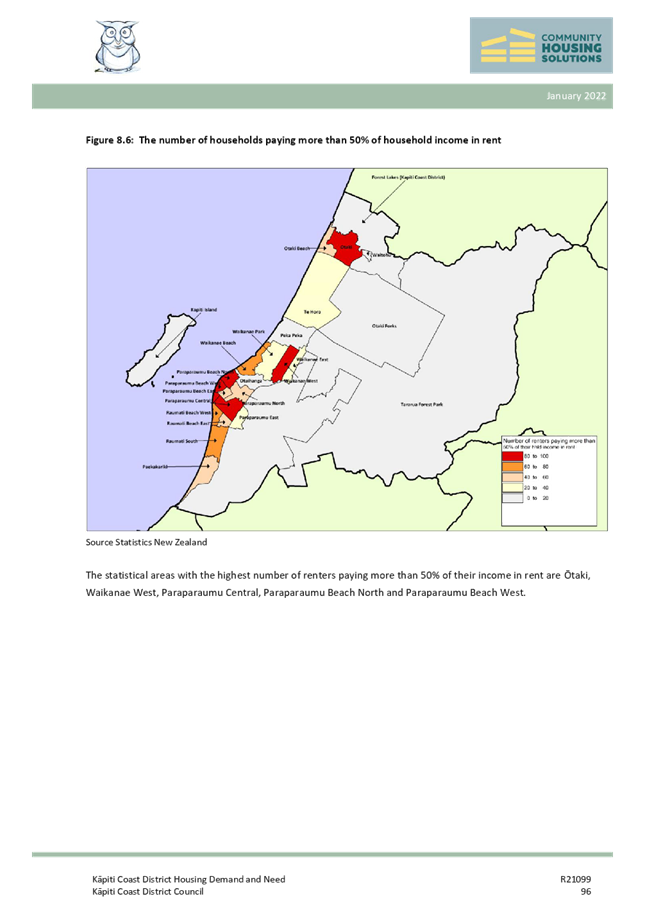
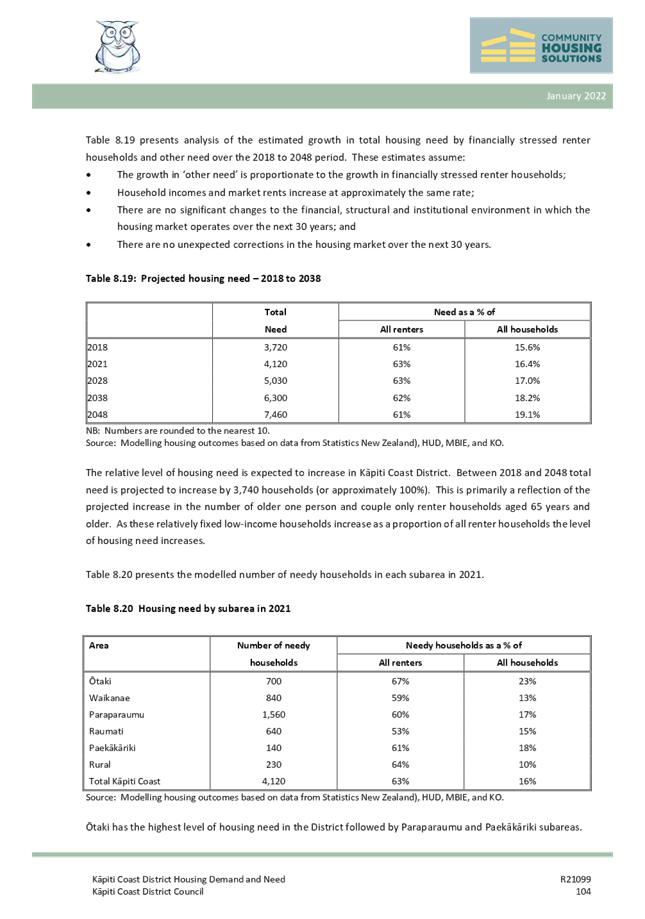
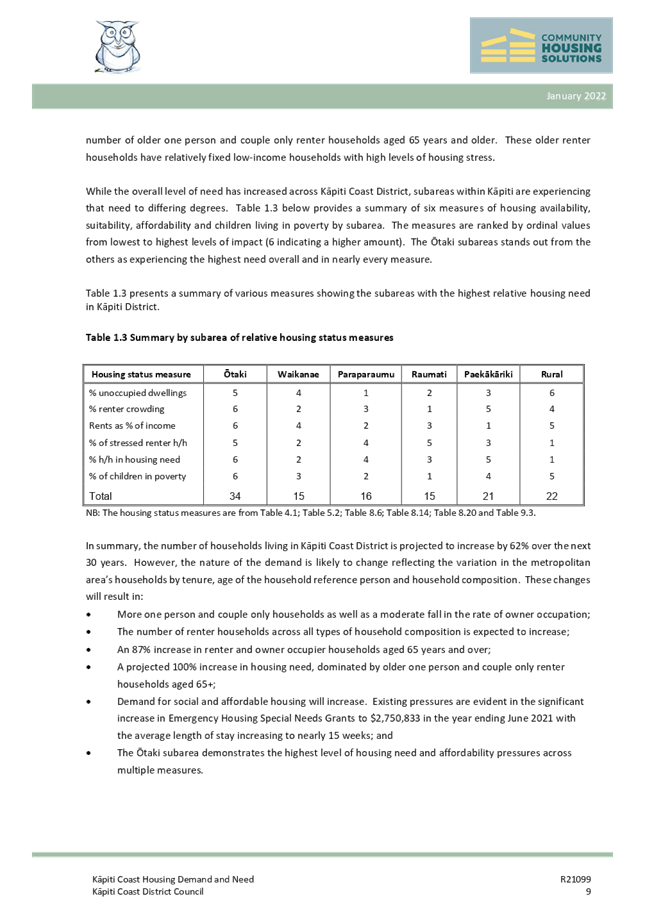
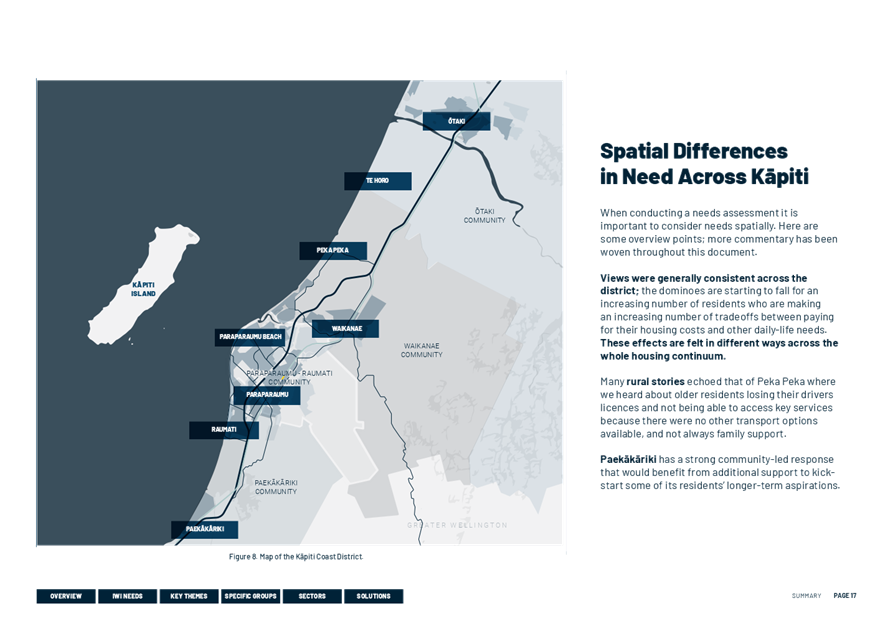
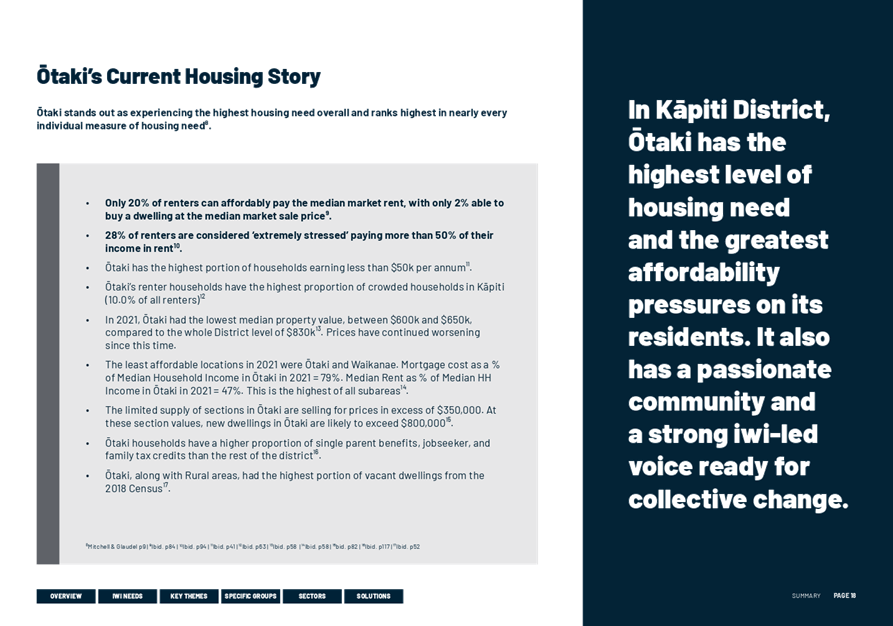
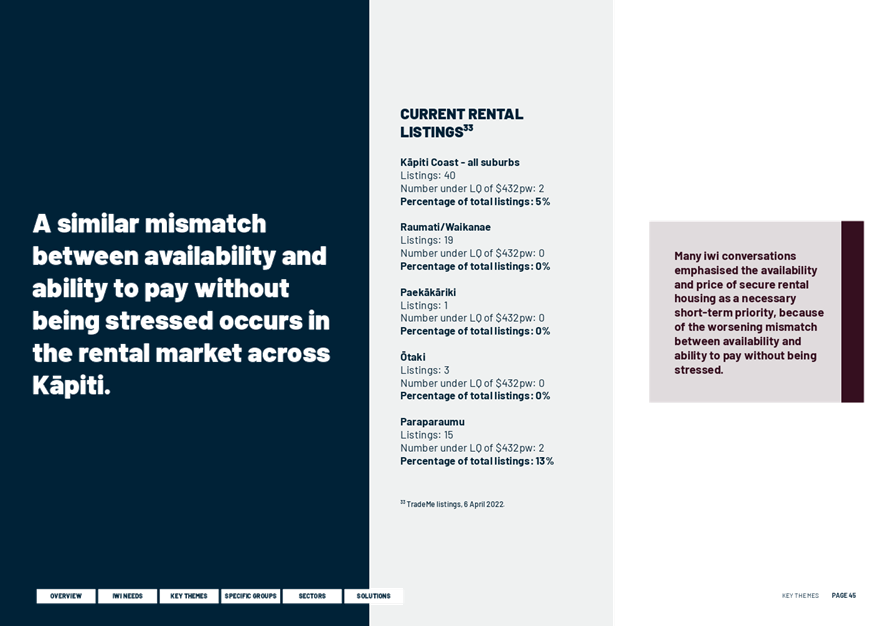
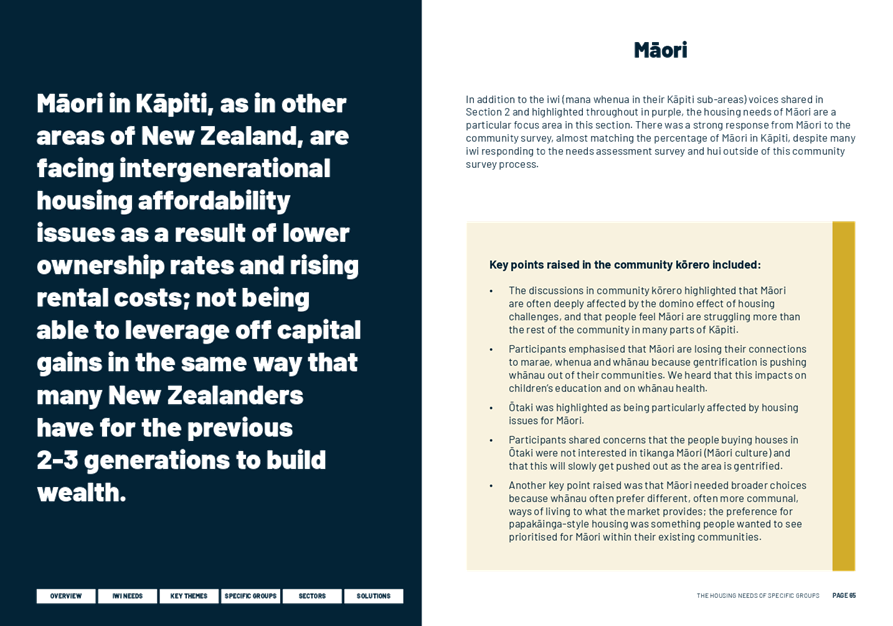
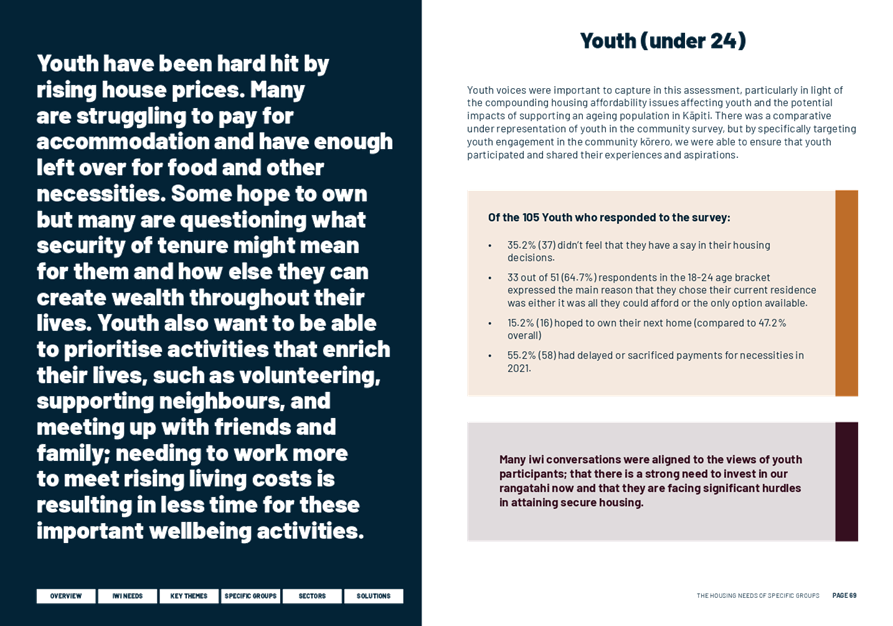
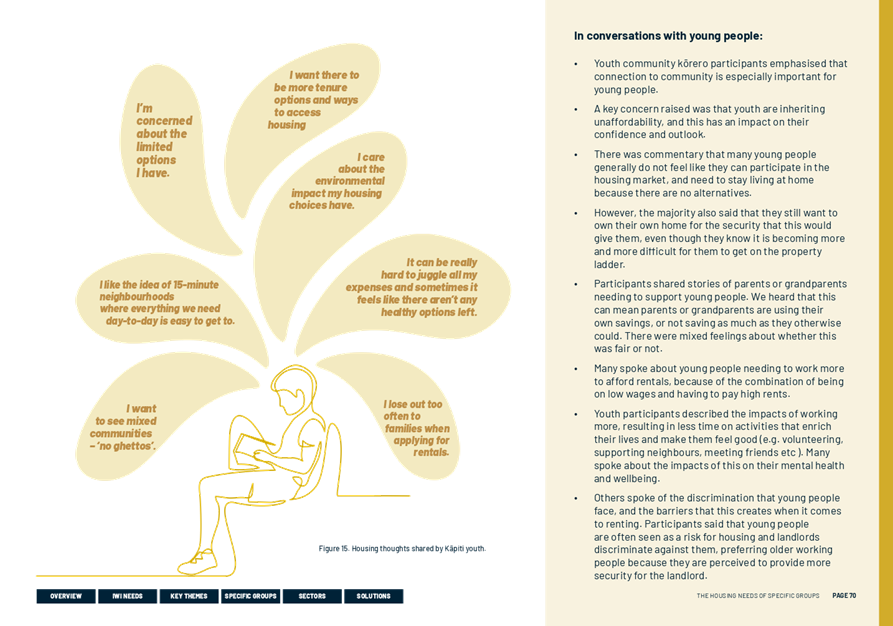
|
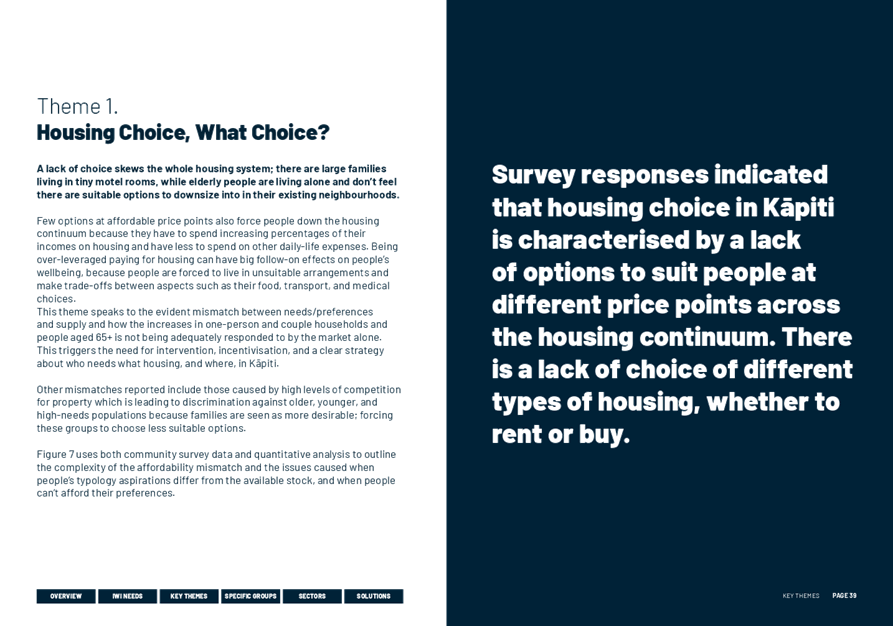
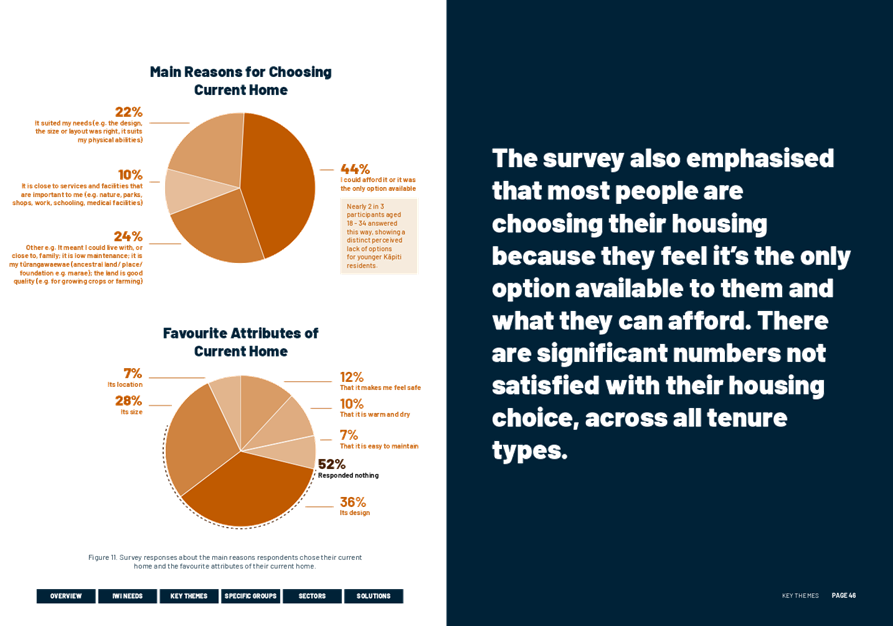
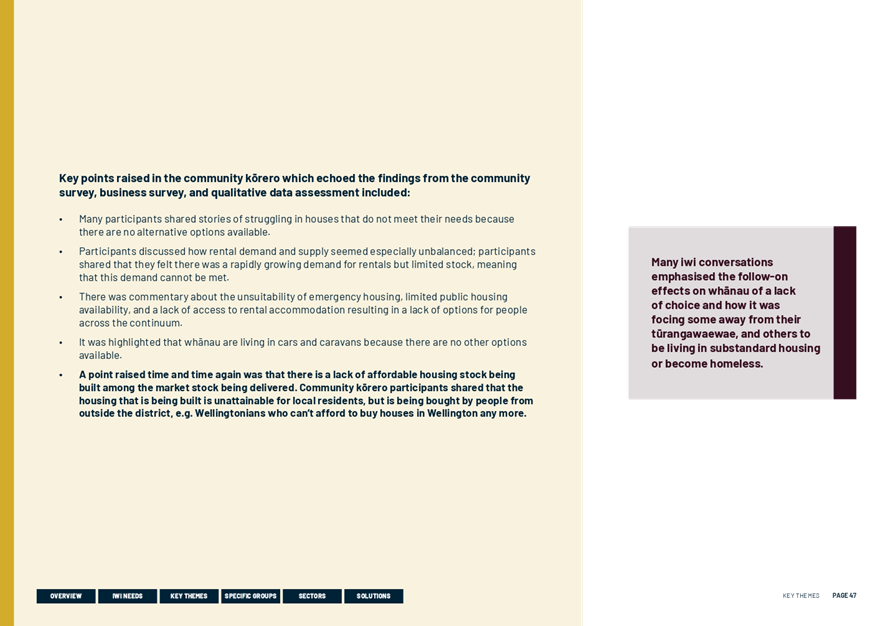
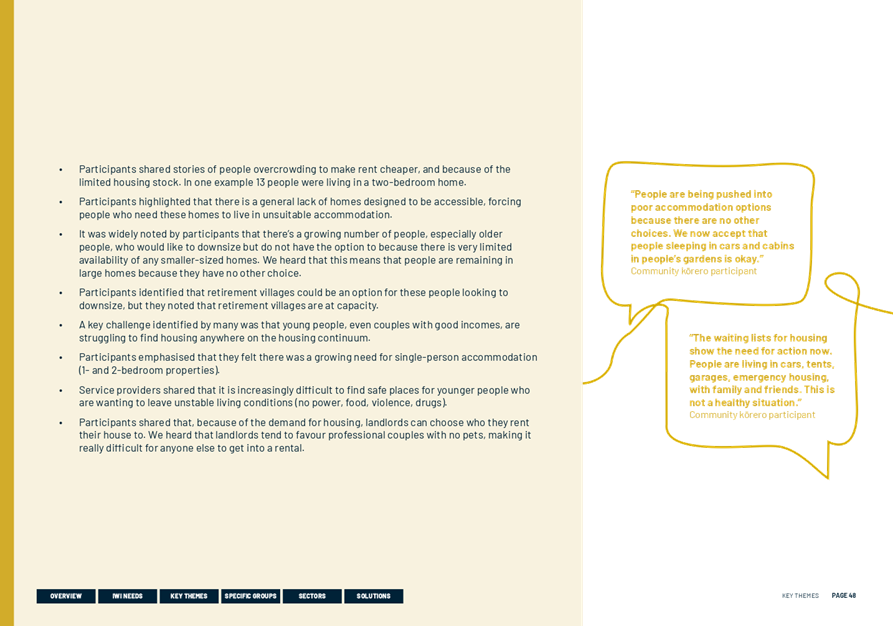
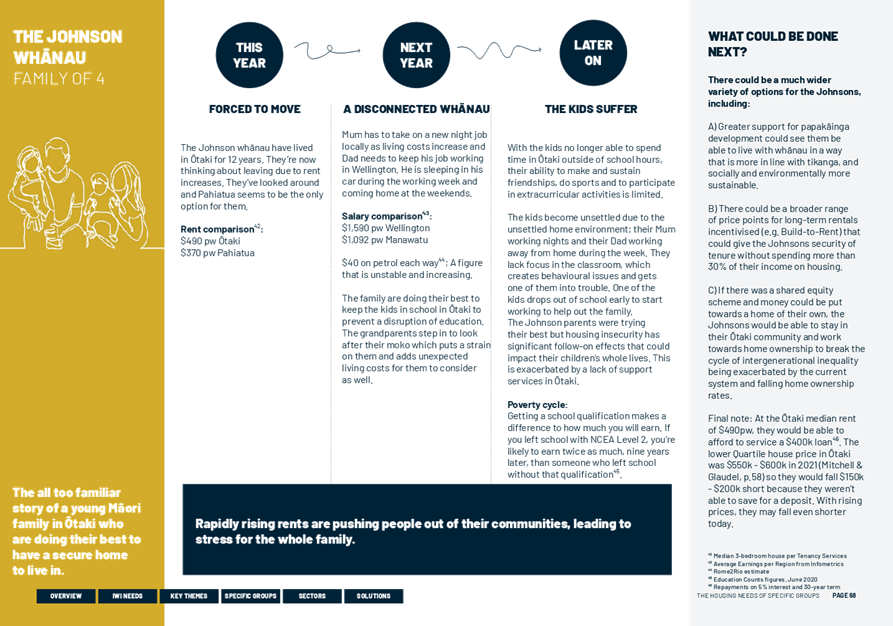
Glen O’Connor
Acting Group Manager Infrastructure Services
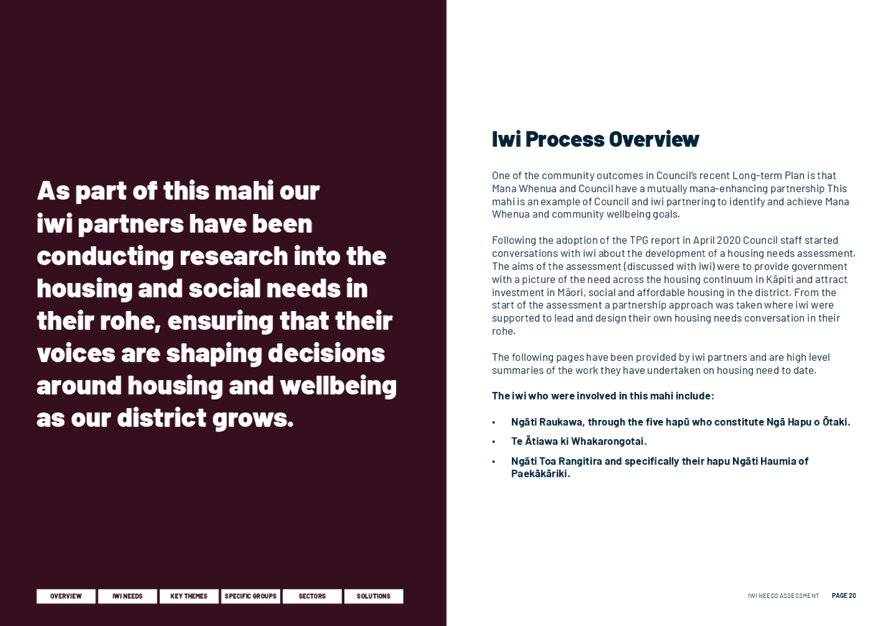
|
|
Strategy and
Operations Committee Meeting Agenda
|
12 May 2022
|
Kapiti Coast District Council
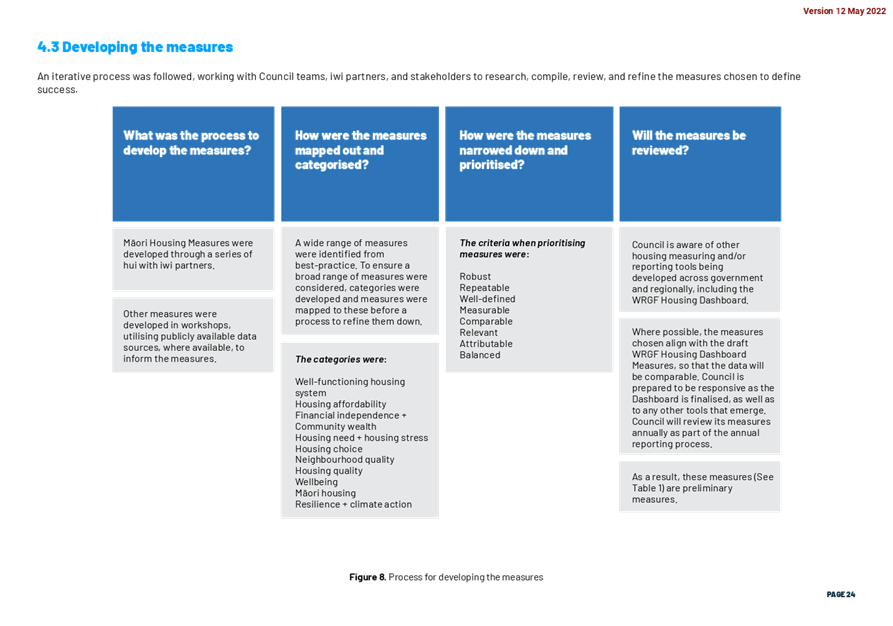
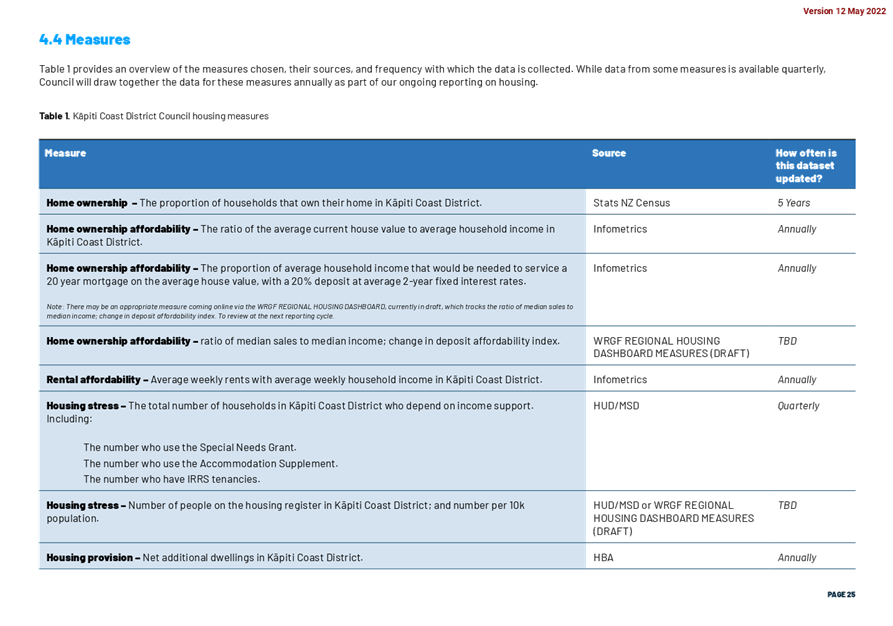
Notice is hereby given
that a meeting of the Strategy and
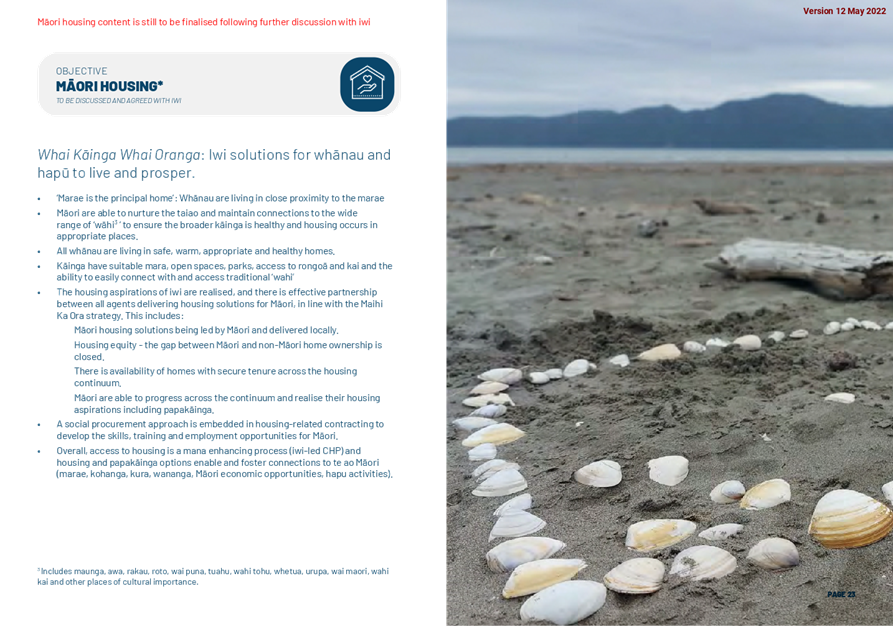
Operations Committee will be held
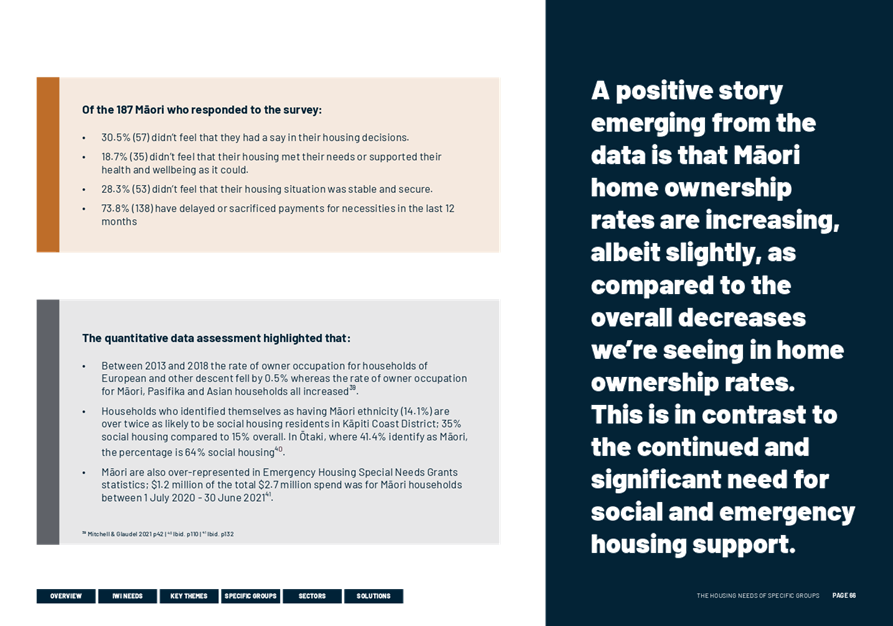
in the Council Chamber, Ground
Floor, 175 Rimu Road, Paraparaumu, on Thursday 12 May 2022, 9.30am.
Strategy and
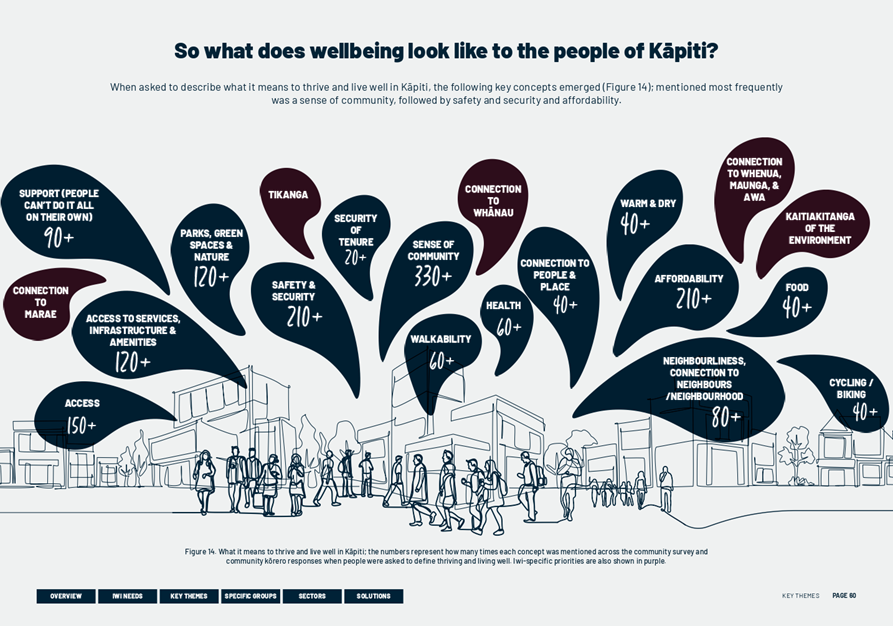
Operations Committee Members
|
Cr
James Cootes
|
Chair
|
|
Cr
Gwynn Compton
|
Deputy
|
|
Mayor
K Gurunathan
|
Member
|
|
Deputy
Mayor Janet Holborow
|
Member
|
|
Cr
Angela Buswell
|
Member
|
|
Cr
Jackie Elliott
|
Member
|
|
Cr
Martin Halliday
|
Member
|
|
Cr
Sophie Handford
|
Member
|
|
Cr
Jocelyn Prvanov
|
Member
|
|
Cr
Bernie Randall
|
Member
|
|
Cr
Robert McCann
|
Member
|
2 Council
Blessing
“As we deliberate on the
issues before us, we trust that we will reflect positively on the communities
we serve. Let us all seek to be effective and just, so that with courage,
vision and energy, we provide positive leadership in a spirit of harmony and
compassion.”
I a mātou e whiriwhiri ana
i ngā take kei mua i ō mātou aroaro, e pono ana mātou ka
kaha tonu ki te whakapau mahara huapai mō ngā hapori e mahi nei
mātou. Me kaha hoki mātou katoa kia whaihua, kia tōtika
tā mātou mahi, ā, mā te māia, te tiro whakamua me te
hihiri ka taea te arahi i roto i te kotahitanga me te aroha.
3 Apologies
4 Declarations
of Interest Relating to Items on the Agenda
Notification from Elected
Members of:
4.1 – any interests that
may create a conflict with their role as an elected member relating to the items
of business for this meeting, and
4.2 – any interests in
items in which they have a direct or indirect pecuniary interest as provided
for in the Local Authorities (Members’ Interests) Act 1968
5 Public
Speaking Time for Items Relating to the Agenda
6 Members’
Business
(a)
Public Speaking Time Responses
(b)
Leave of Absence
(c)
Matters of an Urgent Nature (advice to be provided to the Chair prior to
the commencement of the meeting)
7 Updates
Nil
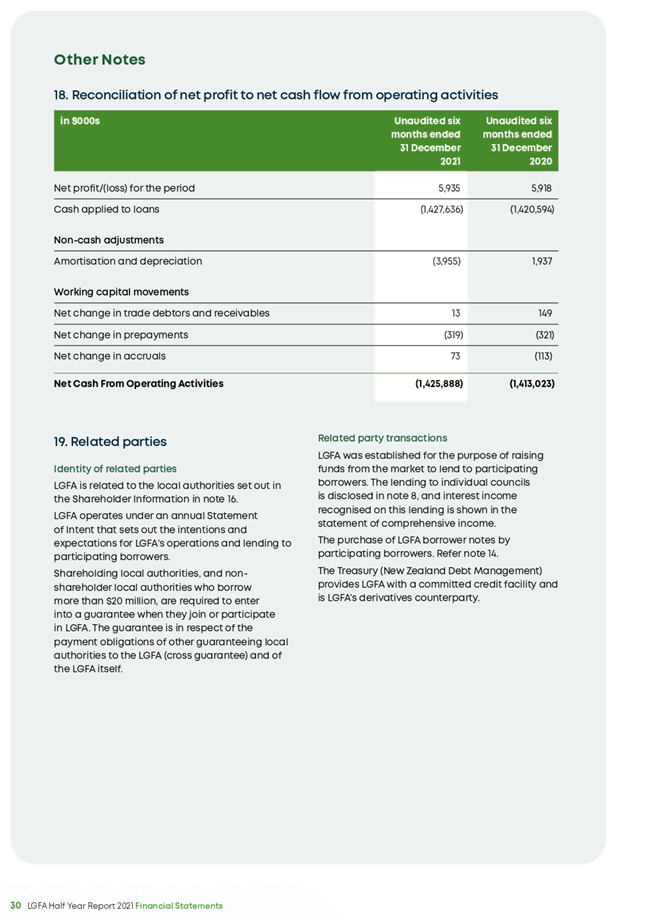
8 Reports
8.1 Local
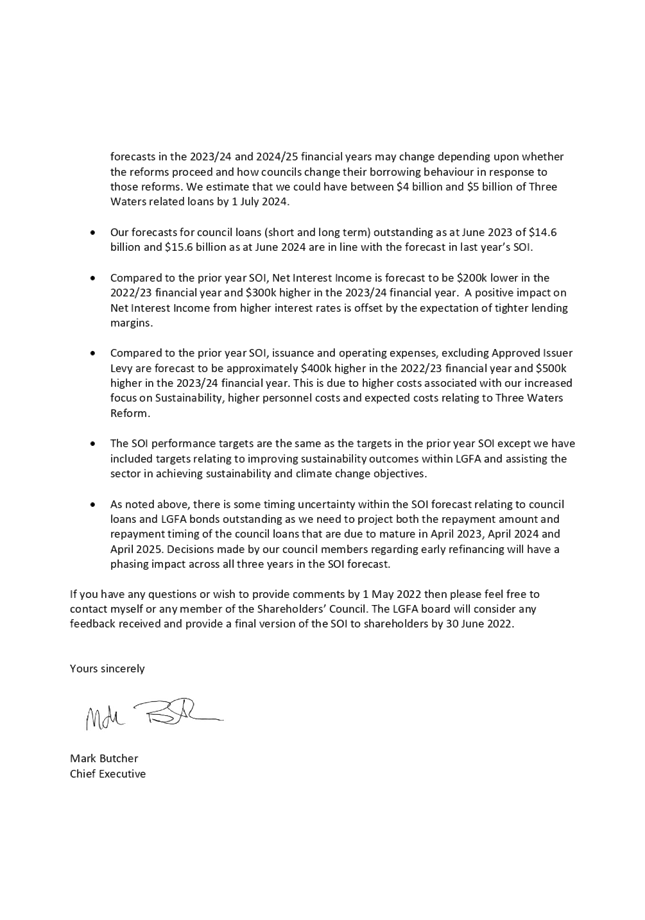
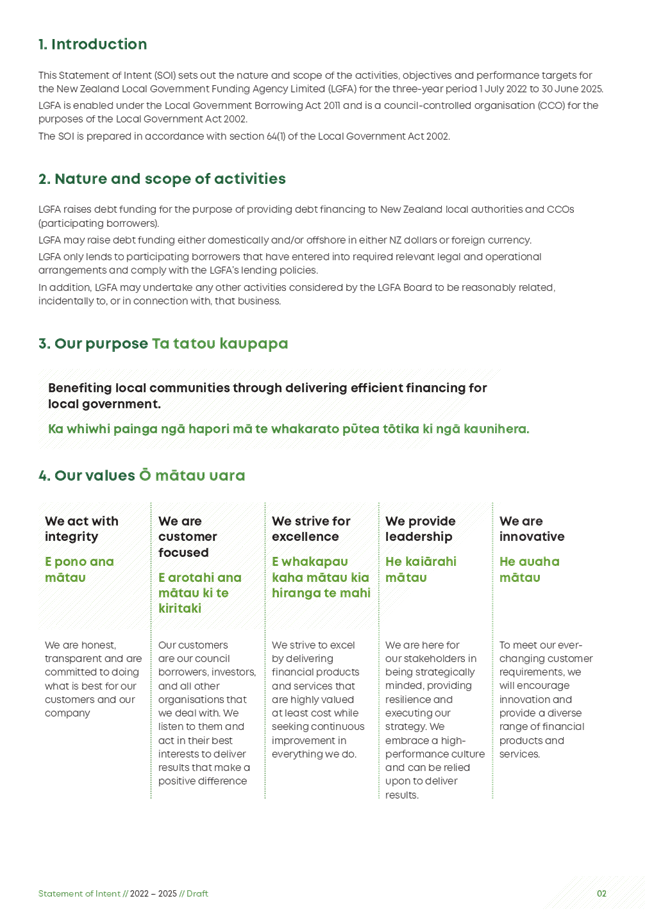
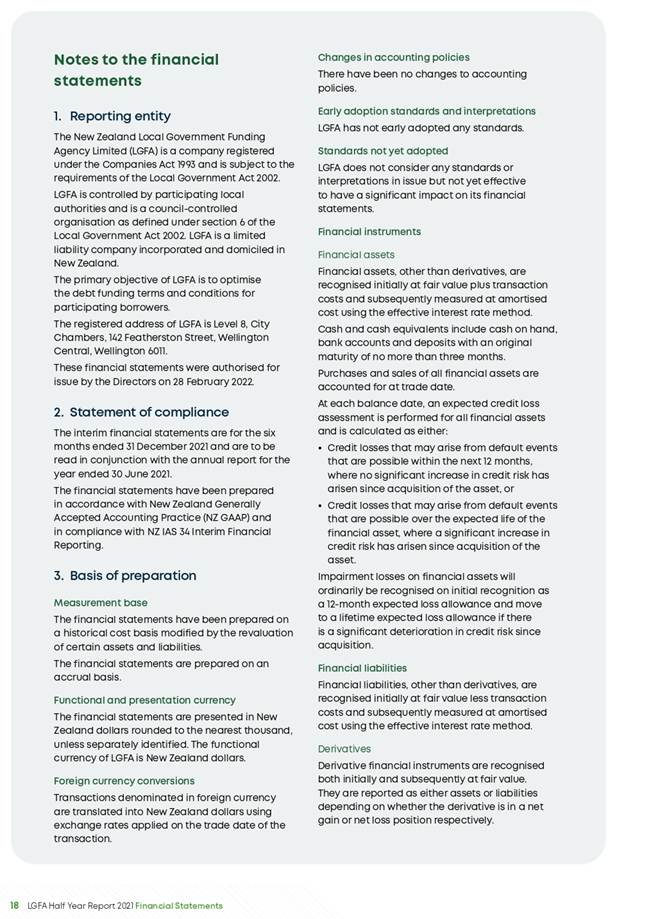
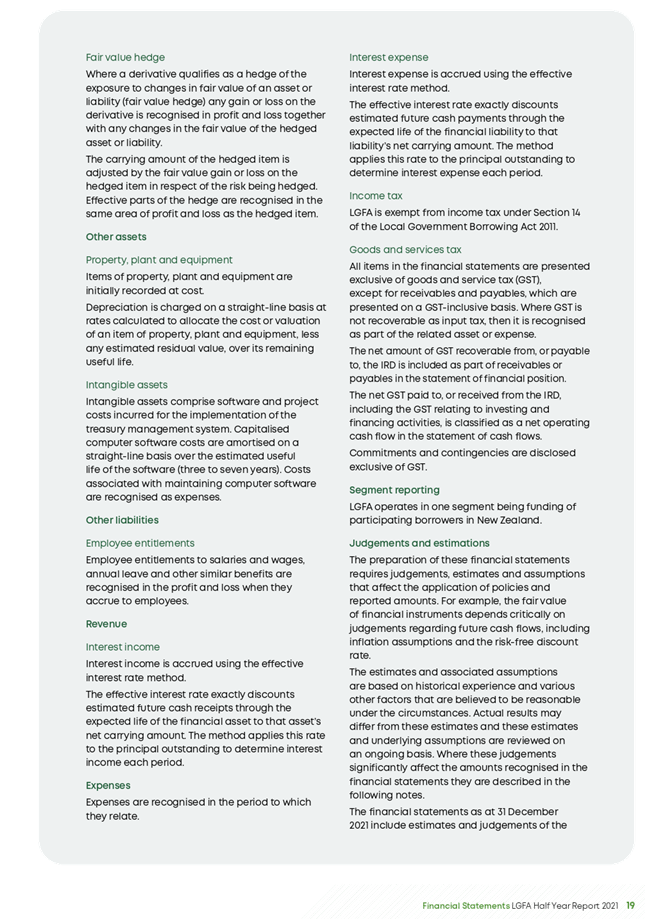
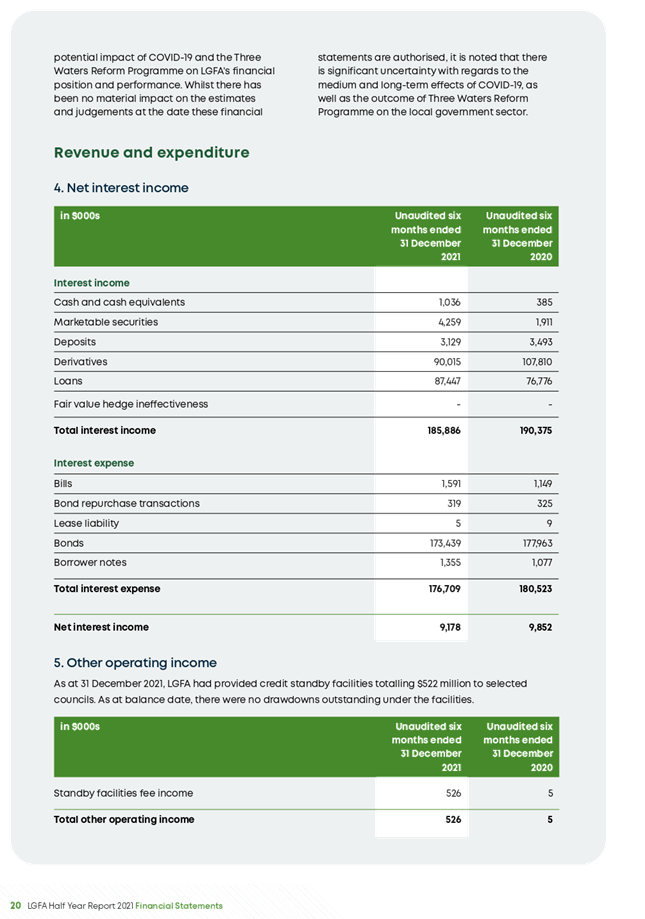
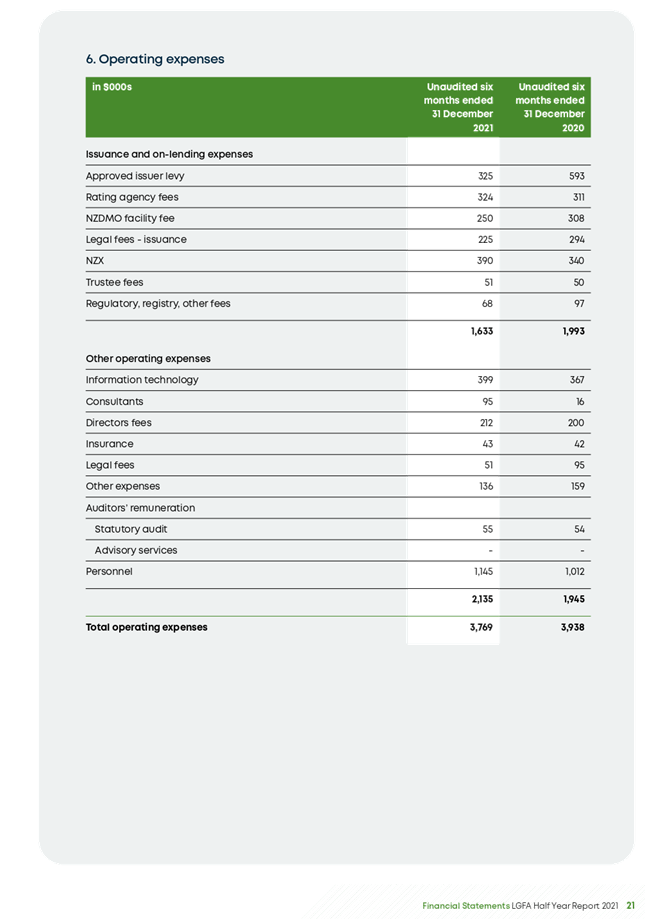
Government Funding Agency 2022/23 Statement of Intent
Kaituhi |
Author: Ian
Georgeson, Chief Financial Officer
Kaiwhakamana
| Authoriser: Mark de Haast, Group Manager Corporate Services
Te pūtake |
Purpose
1 The
purpose of this report is to provide the Strategy and Operations Committee with
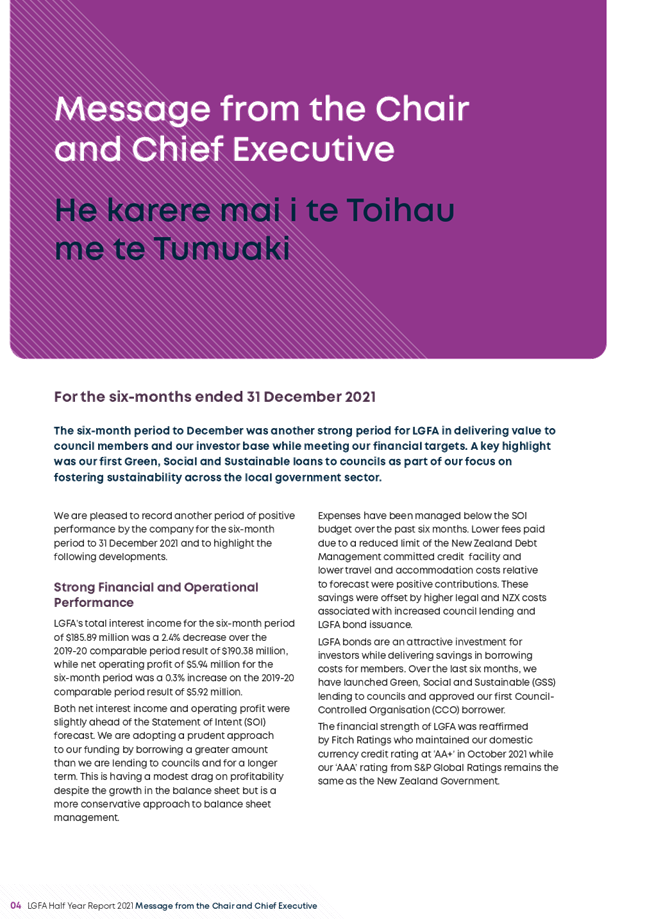
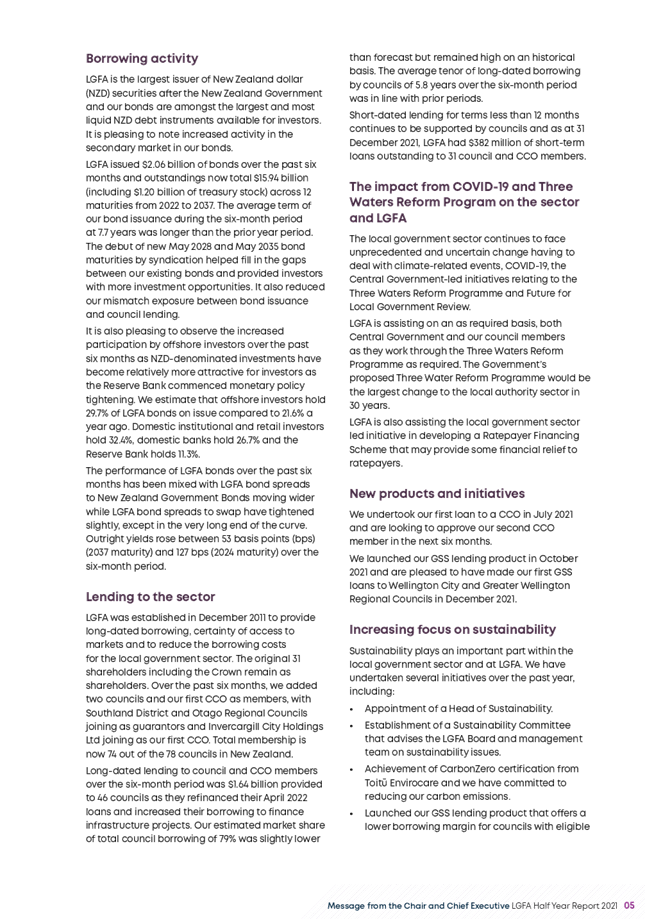
the Local Government Funding Agency (LGFA) draft 2022/23 Statement of Intent
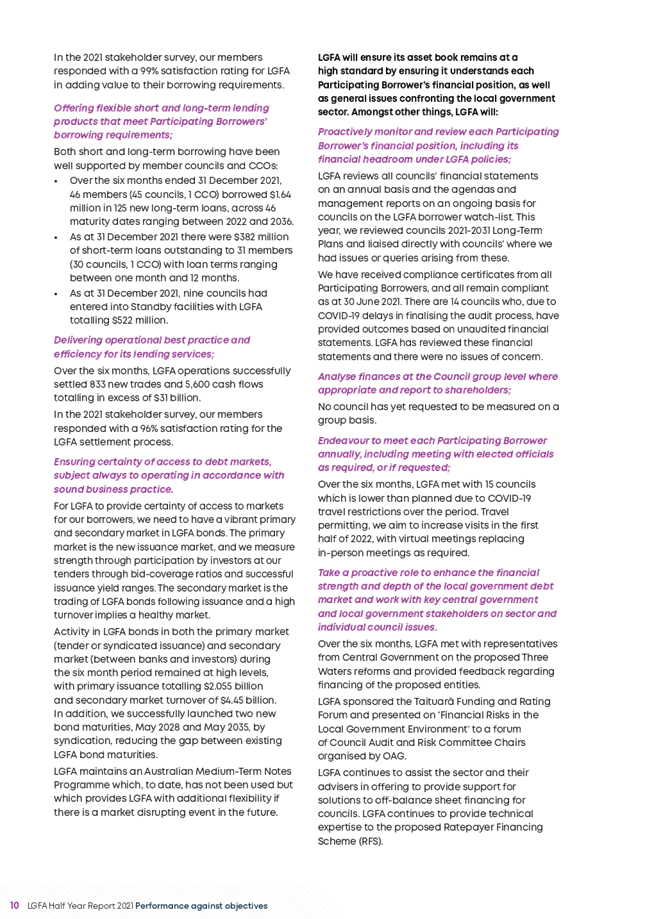
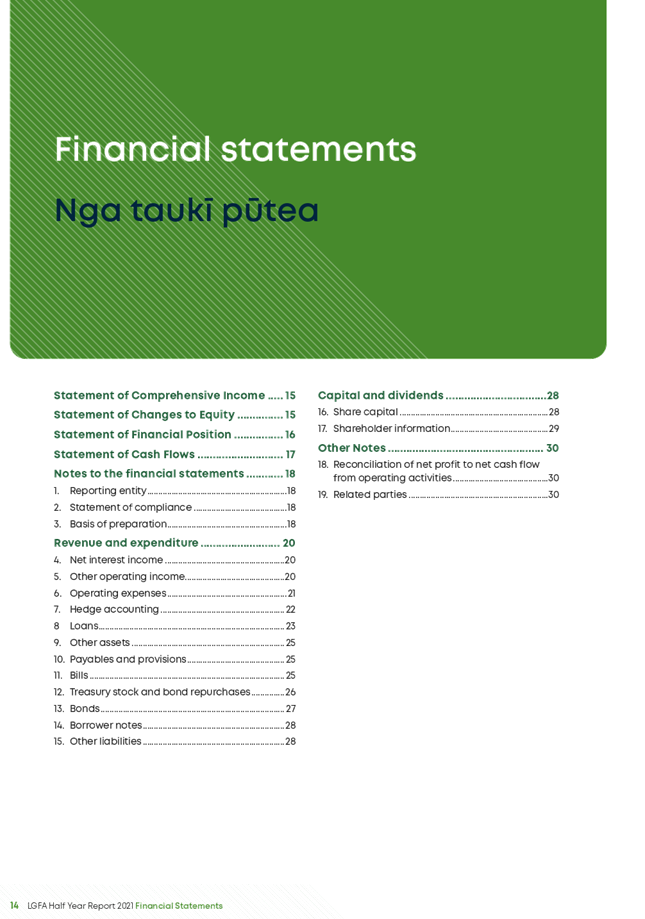
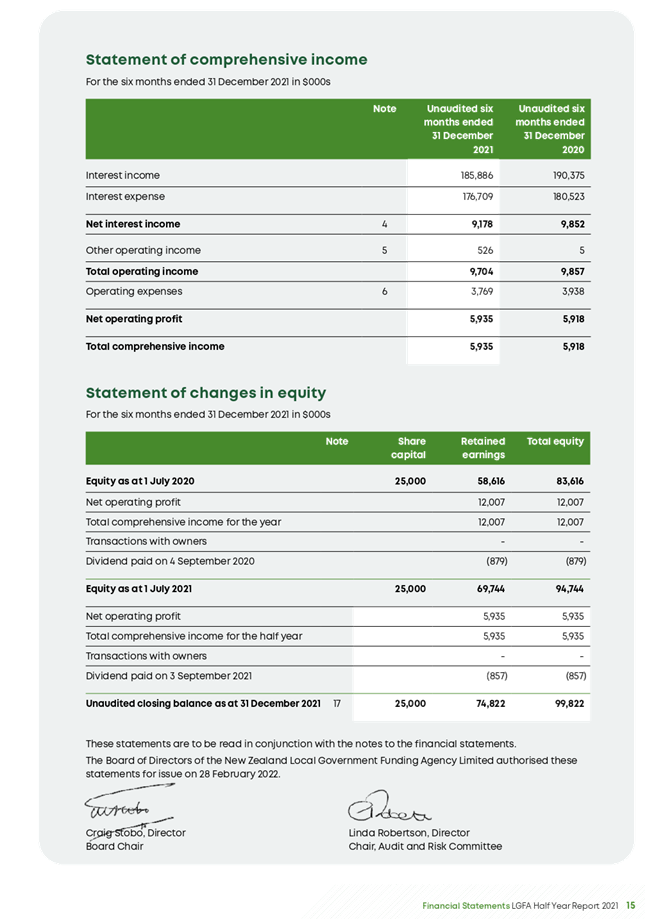
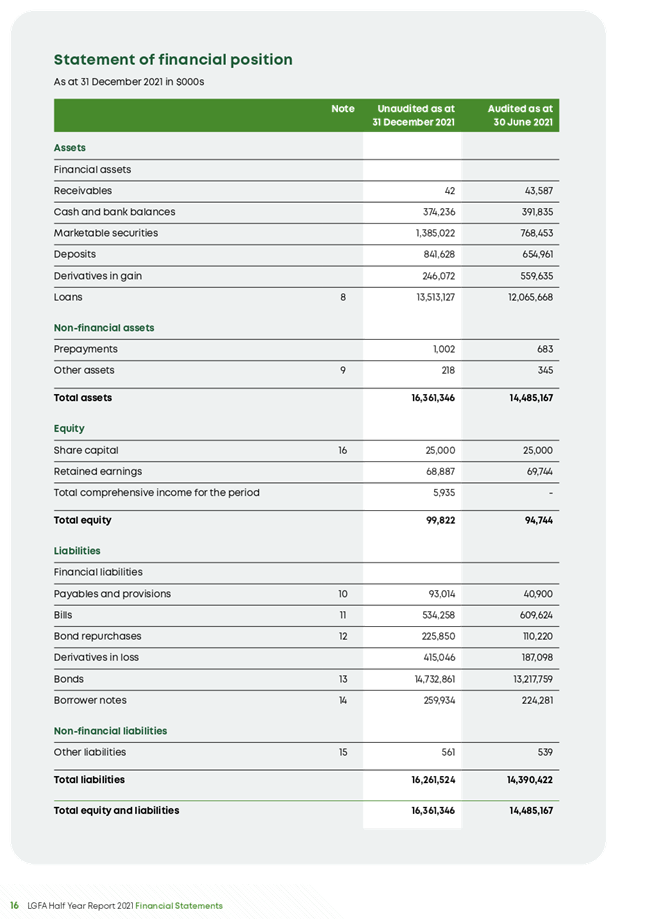
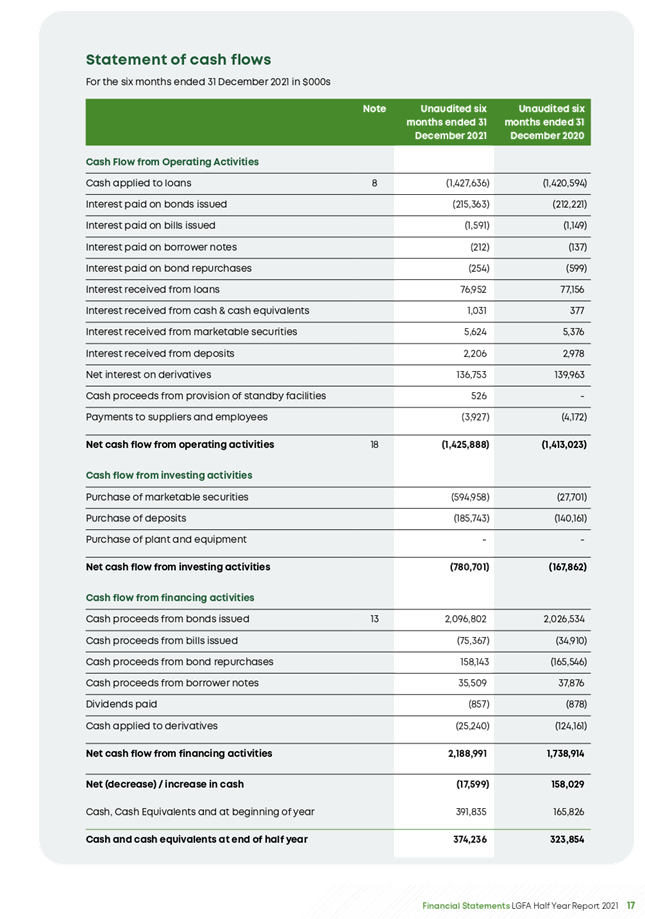
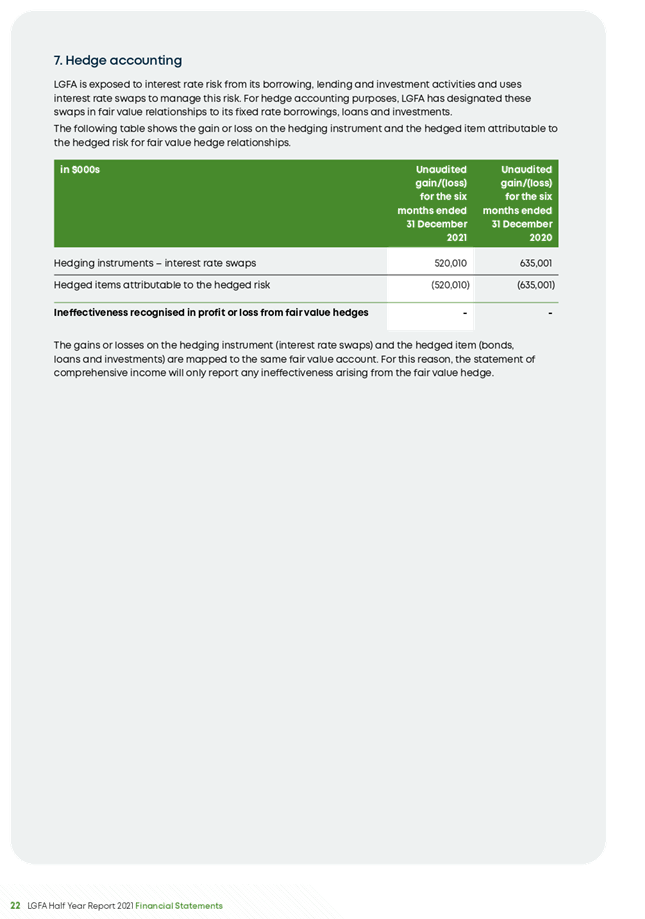
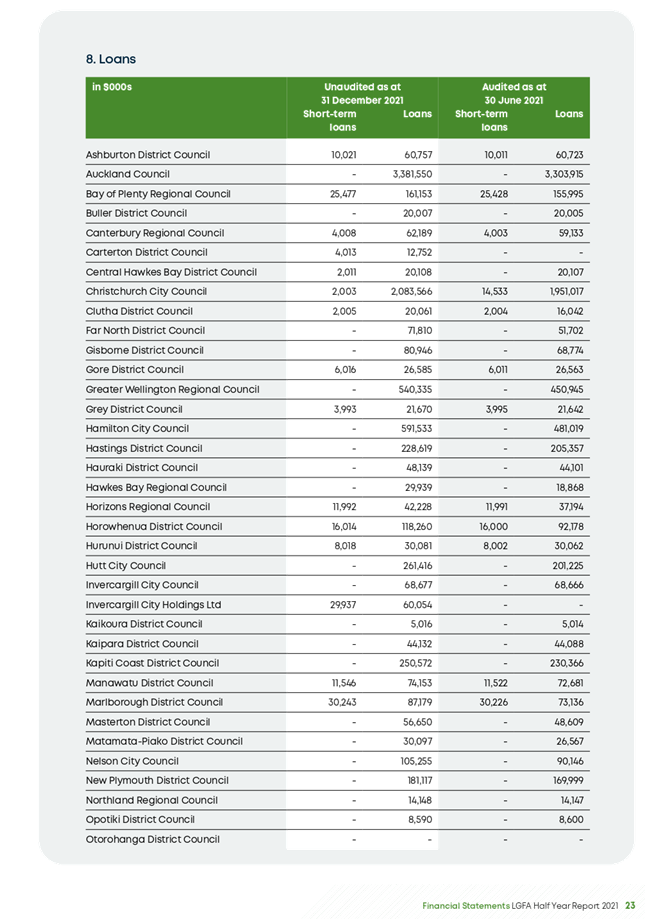
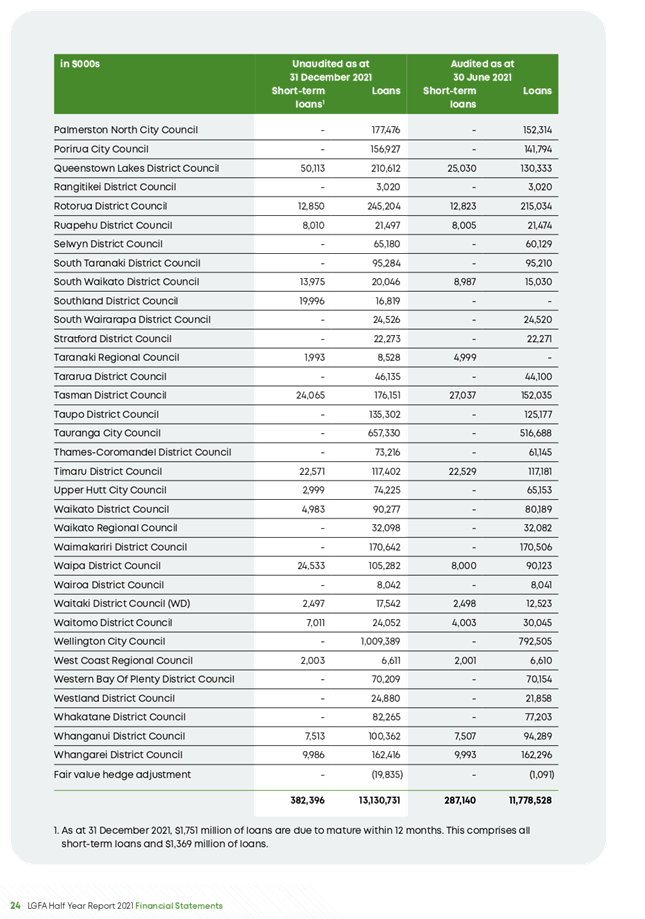
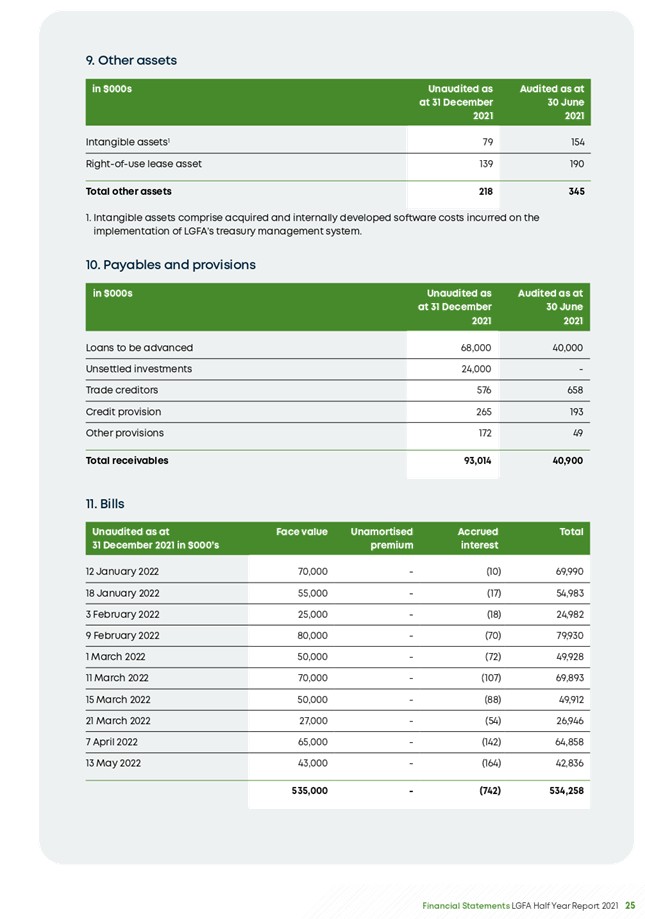
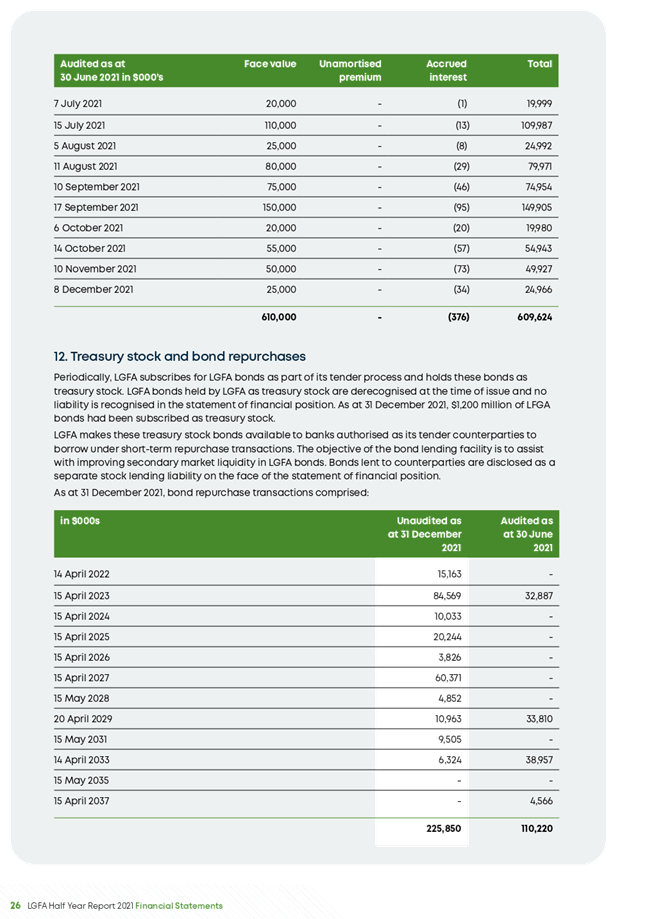
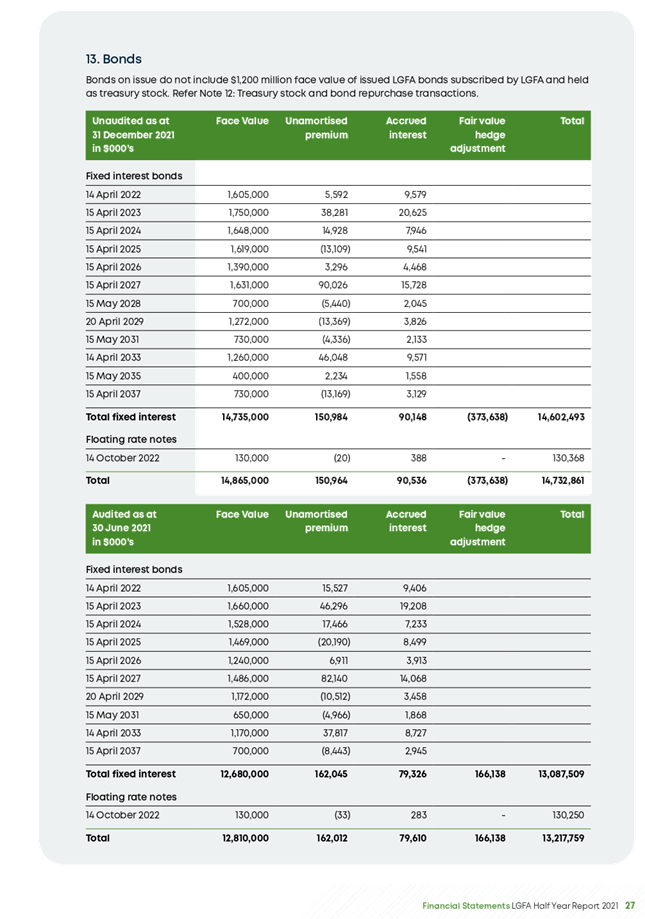
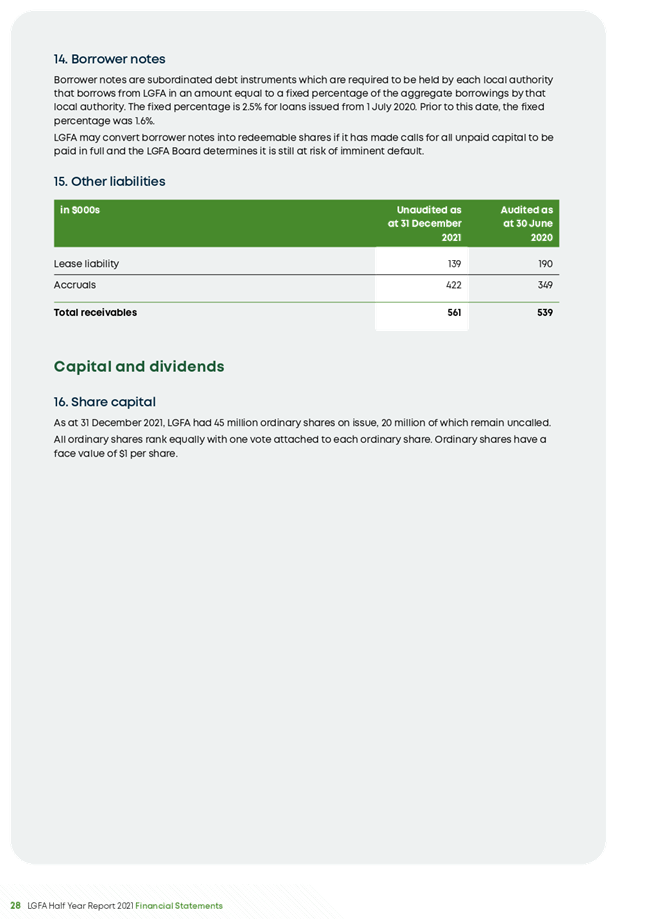
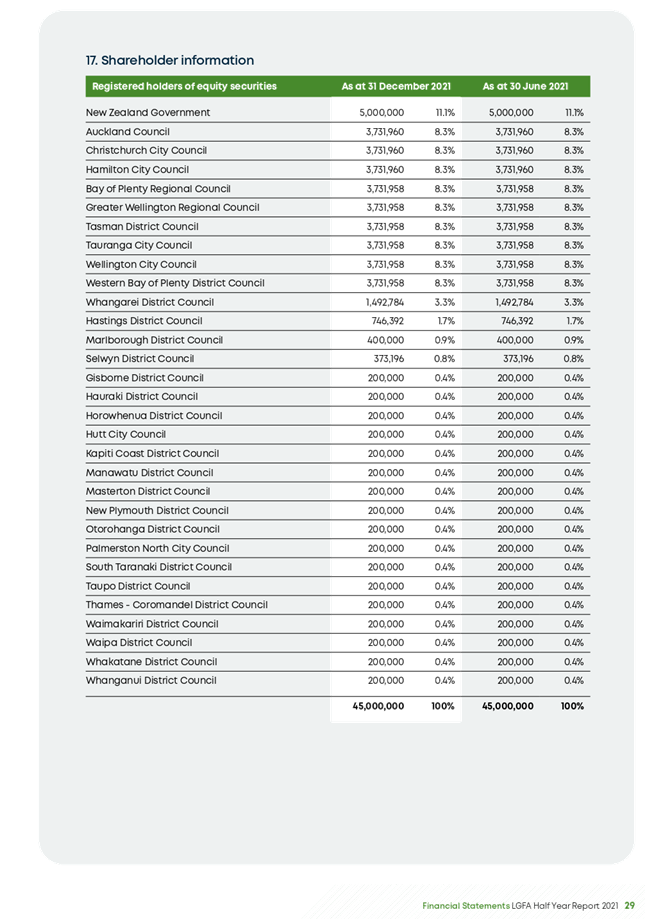
(SOI) and half year report to 31 December 2021.
He
whakarāpopoto | Executive summary
2 Not
required.
Te tuku haepapa
| Delegation
3 The
Council’s Strategy and Operations Committee has the authority to consider
this report.
Taunakitanga | RECOMMENDATIONS
A. That
the Strategy and Operations Committee notes the contents of the draft Local
Government Funding Agency draft 2022/23 Statement of Intent and Half Year
report to 31 December 2021.
Tūāpapa | Background
4 The
LGFA was incorporated in 2011 with the primary objective of optimising the debt
funding terms and conditions for participating local authorities. This includes
providing savings in annual interest costs, making longer-term borrowings
available and enhancing the certainty of access to debt markets.
5 The
LGFA issues bonds to wholesale and retail investors and on-lends the funds
raised to participating local authorities (PLAs) with borrowing needs. The
quality of the LGFA’s credit rating and the liquidity created by issuing
homogenous local authority paper, ensures that participating councils can raise
funds on better terms than if they were issuing in their own name.
6 In
2012, Kāpiti Coast District Council (the Council) became a principal
shareholding local authority[1]
in the LGFA. The LGFA meets the Local Government Act (LGA) 2002 definition of a
Council Controlled Organisation (CCO) and as a shareholder in a CCO, the
Council must regularly undertake performance monitoring of that organisation to
evaluate its contribution to the achievement of the Council’s desired
outcomes.
7 As
a CCO, the LGFA must deliver to its shareholders a draft SOI on or before
1 March each year. The LGFA board must consider any comments from its
shareholders in relation to the draft SOI and deliver a final SOI on or before
30 June.
8 The
Council’s monitoring obligations are assisted by the Shareholders’
Council whose role is to represent all the shareholders and ensure that all
individual shareholder views are heard. The Shareholders’ Council
comprises five to ten appointees from the council shareholders, and one from
the Crown. During the year there were some changes to the makeup of the
shareholders council, and the council did not issue a letter of expectations.
He
kōrerorero | Discussion
He
take | Issues
9 The
LGFA has issued its draft 2022/23 SOI.
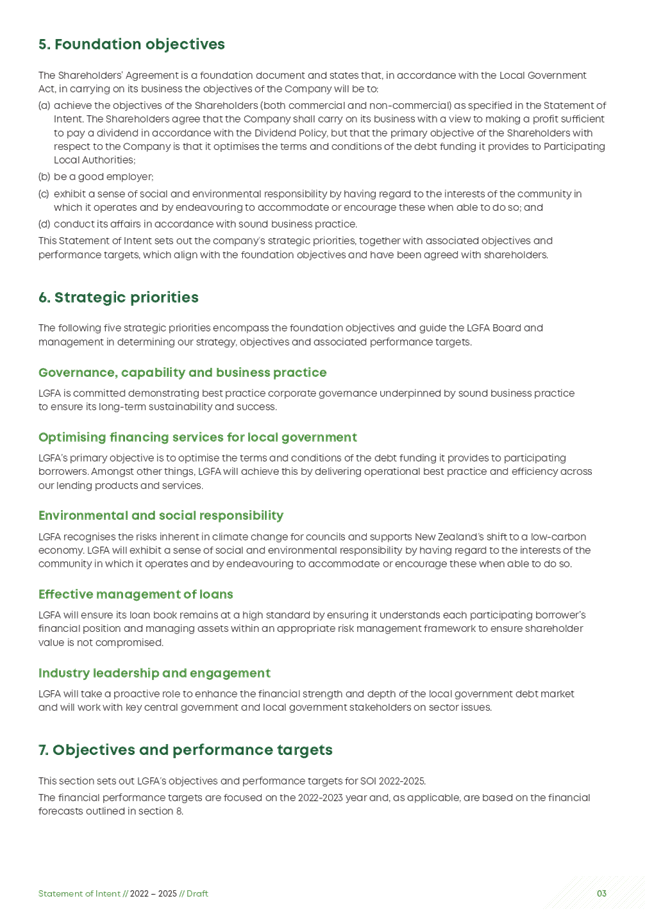
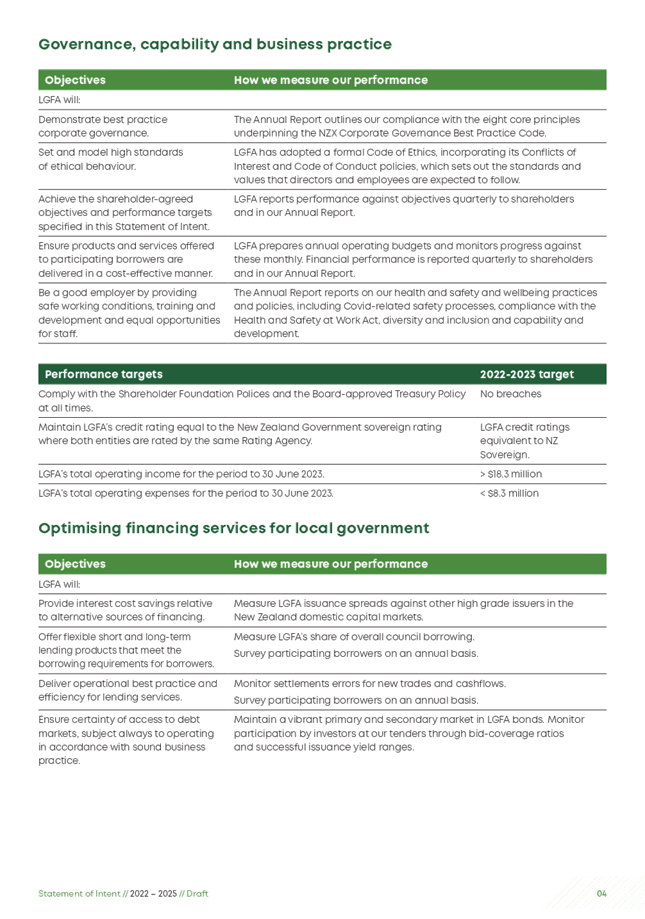
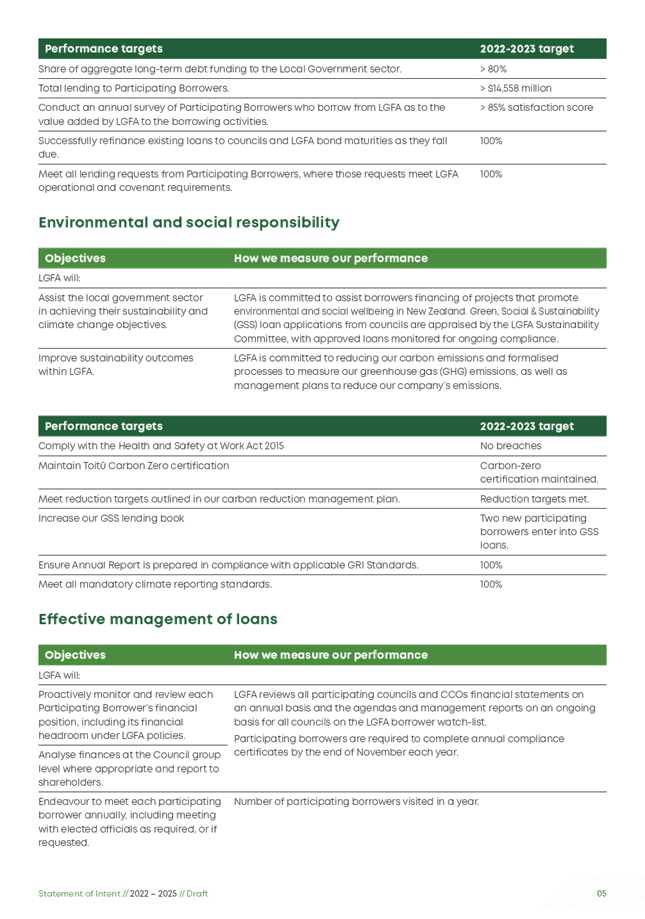
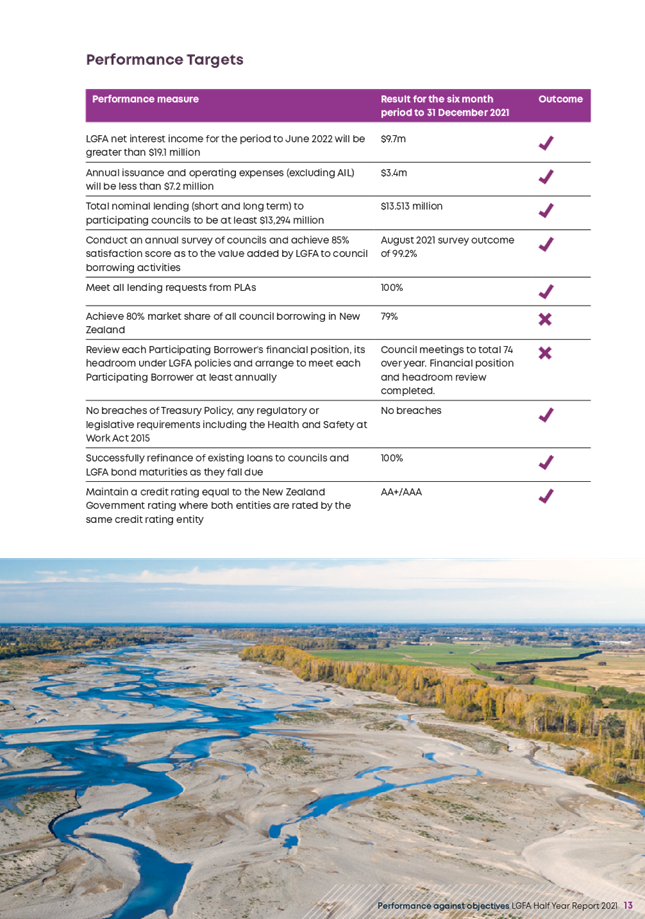
10 Strategic
priority areas, and the objectives and performance targets that sit within each
area, are summarised on the following table:
|
Strategic priorities
|
Objectives
|
Performance targets
|
|
Governance, capability and
business practice
|
· Best practice corporate governance
· Model ethical behaviour
· Achieve objectives and performance targets
· Ensure cost effective products
· Be a good employer
|
· Comply with foundation and treasury policies
· Maintain LGFA credit rating equal to NZ Govt
· Operating income >$18.3m
· Operating expenses <$8.3m
|
|
Optimising financial
services for local government
|
· Interest savings relative to alternative sources
· Offer flexible products
· Deliver operational best practice
· Certainty of access to debt markets
|
· Share of LG long term debt >80%
· Total lending to borrowers >$14,558m
· Survey of borrowers value add >85%
· Successfully refinance 100% existing loans
· Meet 100% borrower lending requests
|
|
Environmental and social
responsibility
|
· Assist sector to achieve sustainability objectives
· Improve LGFA sustainability outcomes
|
· Comply with H&S act
· Maintain Toitu carbon zero certification
· Meet reductions in carbon plan
· Increase GSS lending book
· Ensure annual report complies with GRI standards
· Meet all mandatory clime reporting standards
|
|
Effective management of
loans
|
· Improve LGFA sustainability outcomes
|
· Review 100% of borrowers financial position
· Meet each borrower at least annually
|
|
Industry leadership and
engagement
|
· Take proactive role to enhance depth of LG market
· Assist LG sector with significant matters e.g. 3
waters
· Support councils in development of reporting on
climate change
|
· Report on actions underway
|
11 In
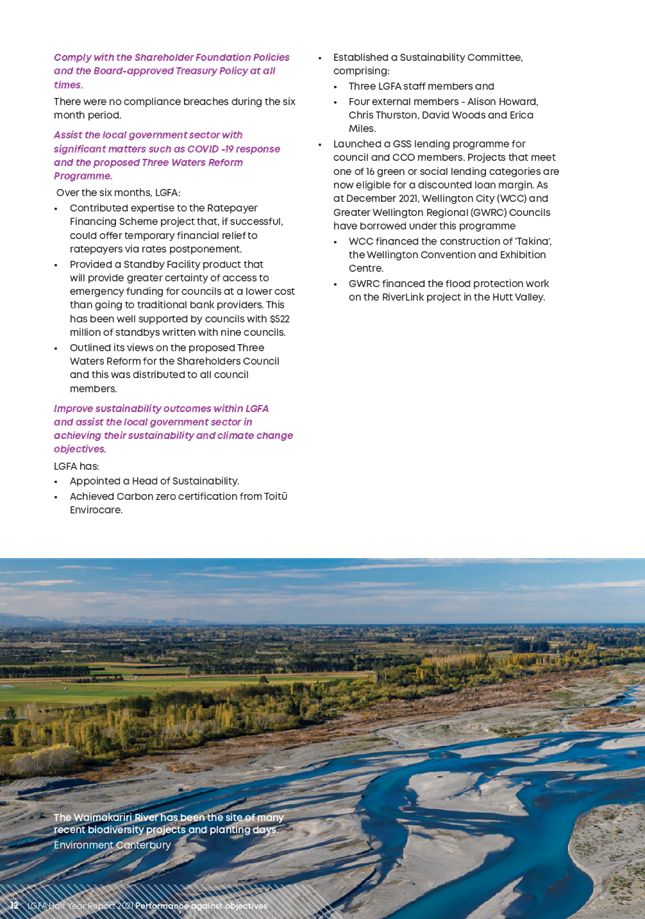
discussing the draft SOI with LGFA, they identify two matters of note. The
first is the continuing focus on sustainability, with LGFA progressing their
own organisational plan as well as implementing the first Green, Social or
Sustainable (GSS) loans with councils.
12 The
second is the area of 3 Waters reform, where LGFAs goal is to ensure a smooth
transition for councils to the new arrangements. They continue to engage with
DIA on the reform process.
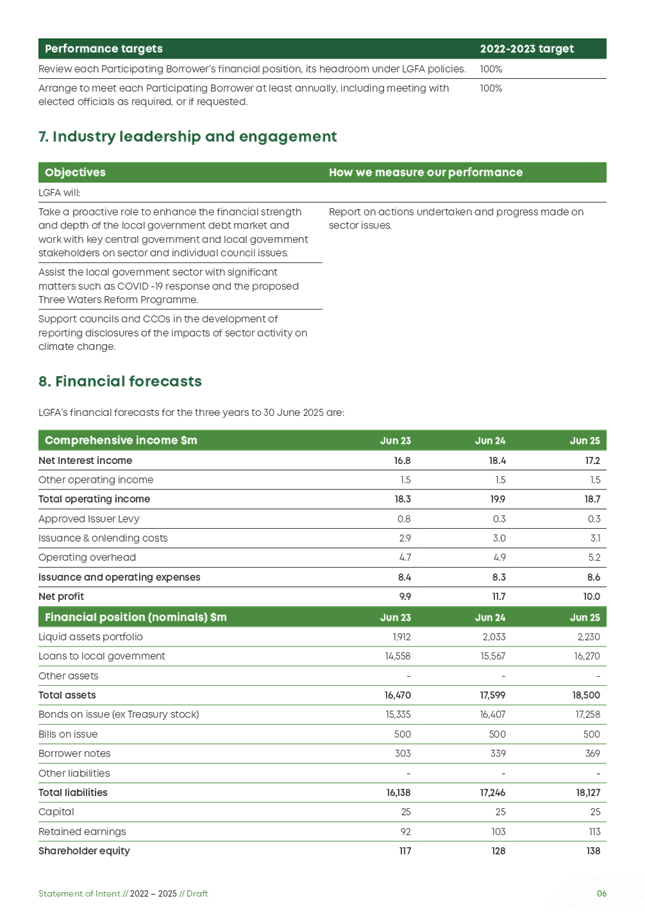
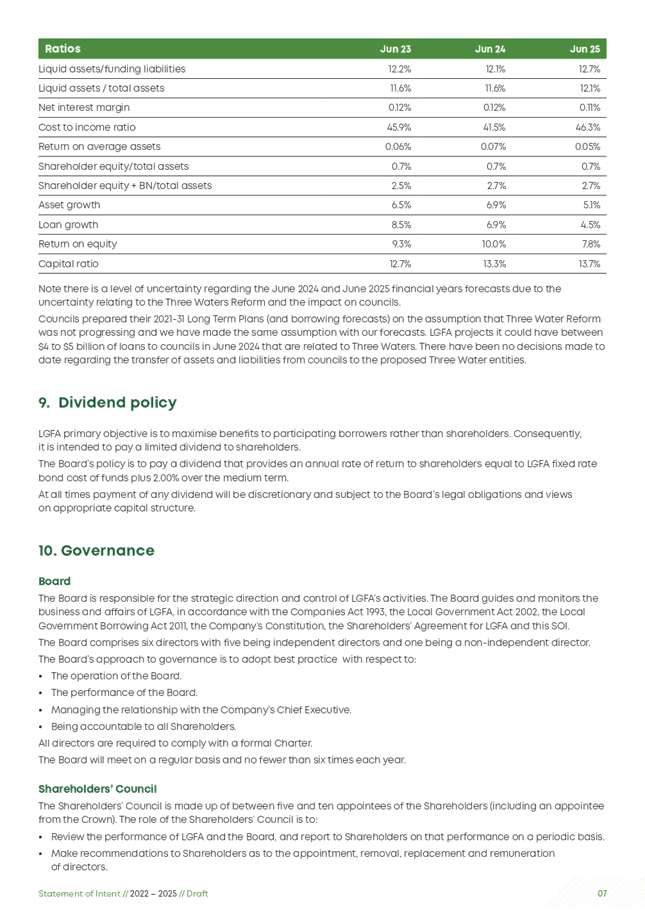
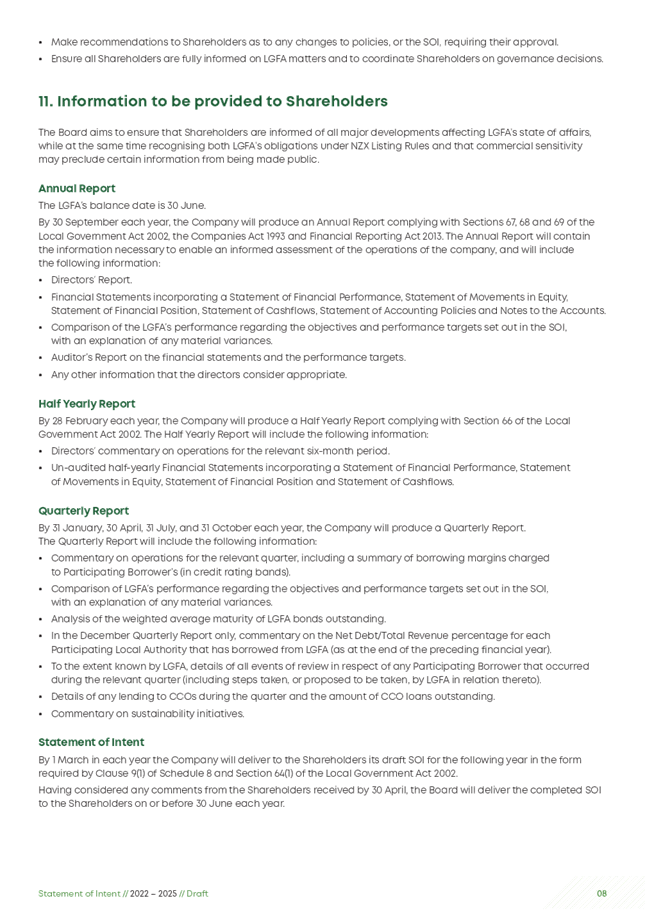
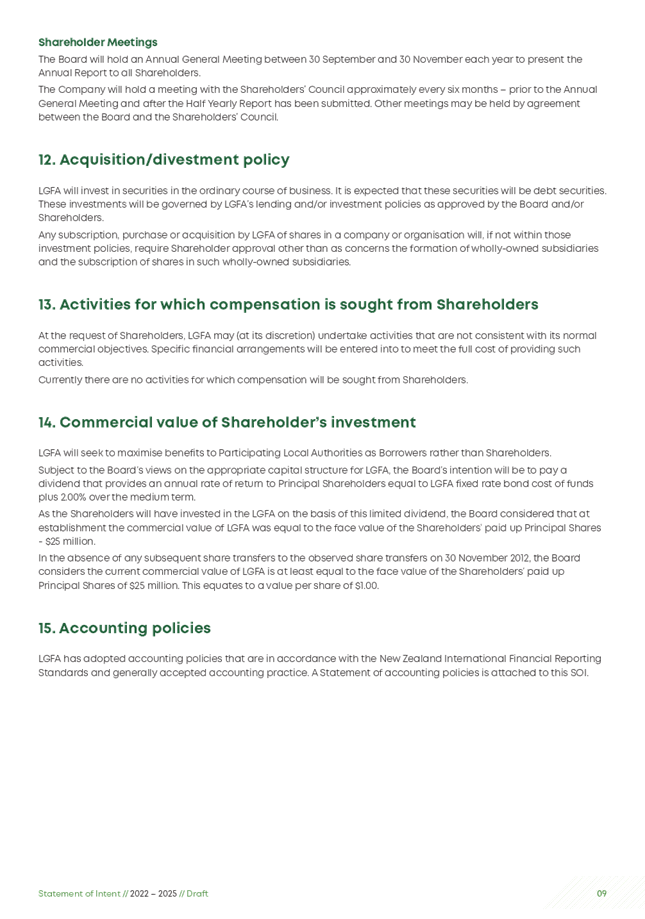
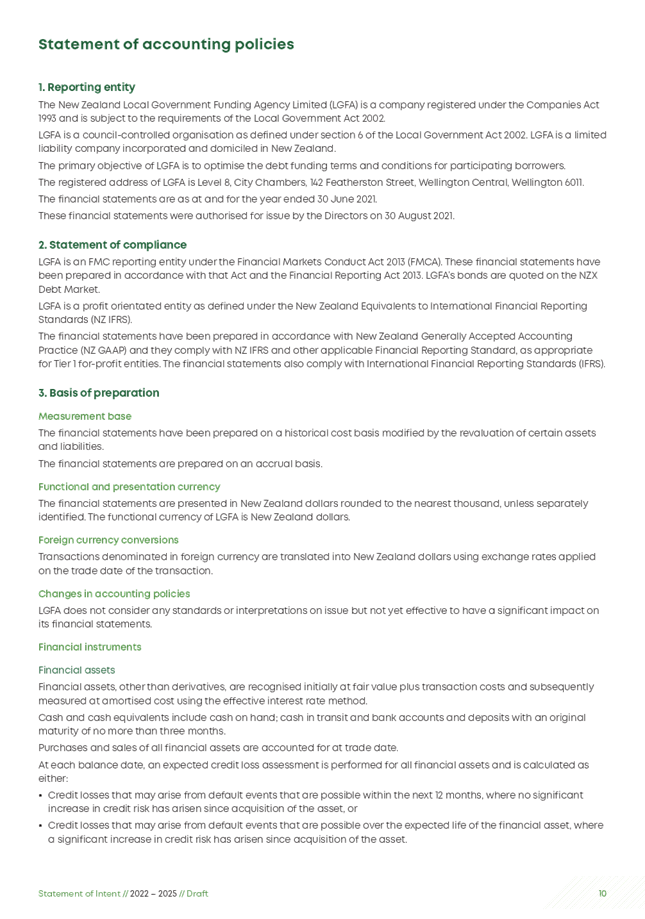
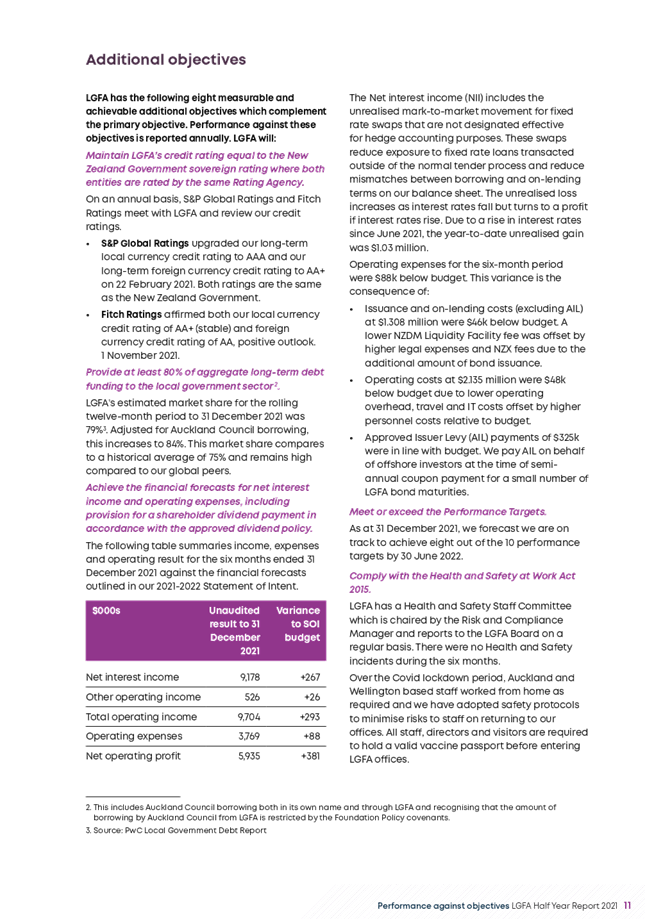
13 From
a financial perspective, while surpluses of approximately $10-11m per annum are
forecast for the SOI period, LGFA’s primary objective is to deliver
financial benefit to councils by providing low cost borrowing. LGFA reduced
their lending margin from 20 bps to 15 bps from 1 July 2021.
|
|
2019/20
$M
(actual)
|
2020/21
$M
(actual)
|
Dec 2021
Half year
$M
(actual)
|
2021/22
$M
(2022 SOI)
|
2022/23
$M
(draft 2023 SOI)
|
2023/24
$M
(draft 2023 SOI)
|
2024/25
$M
(draft 2023 SOI)
|
|
Total operating income
|
18.3
|
19.7
|
9.7
|
19.1
|
18.3
|
19.9
|
18.7
|
|
Operating expenses
|
7.7
|
7.7
|
3.8
|
7.8
|
8.4
|
8.2
|
8.6
|
|
Net profit
|
10.6
|
12.0
|
5.9
|
11.3
|
9.9
|
11.7
|
10.0
|
|
|
|
|
|
|
|
|
|
|
Total LG borrowing
|
10,900
|
12,066
|
13,513
|
13,294
|
14,558
|
15,567
|
16,270
|
14 The
LGFA draft 2022/23 Statement of Intent and Half Year Report to 31 December 2021
are attached as Appendix 1 and 2 to this report, and LGFA officials will
present to the Strategy and Operations Committee meeting.
Ngā
kōwhiringa | Options
15 There
are no options to consider within this report.
Tangata whenua
16 There
are no tāngata whenua considerations arising from this report.
Panonitanga āhuarangi | Climate change
17 There are no climate change
considerations within this report.
Ahumoni me ngā rawa | Financial
and resourcing
18 There
are no financial considerations arising from this report.
Ture me ngā Tūraru | Legal
and risk
19 There
are no legal considerations arising from the matters in this report.
Ngā pānga ki ngā kaupapa here | Policy impact
20 In
accordance with the LGA 2002, the Council has provided information on all of
its CCOs in its 2021/41 Long Term Plan.
Te whakawhiti
kōrero me te tūhono | Communications & engagement
Te mahere tūhono | Engagement
planning
21 An engagement plan is
not needed for this report to be considered.
Whakatairanga |
Publicity
22 There are no publicity
considerations.
Ngā āpitihanga | Attachments
1. LGFA
draft 2022/23 Statement of Intent ⇩ 
2. LGFA
Half Year Report to 31 December 2021 ⇩ 
|
Strategy and
Operations Committee Meeting Agenda
|
12 May 2022
|
|
Strategy and Operations Committee Meeting
Agenda
|
12 May 2022
|


8.2 Kāpiti
Coast Housing Needs Assessment 2022
Kaituhi |
Author: Laura
Bertelsen, Advisor Strategic Projects
Kaiwhakamana
| Authoriser: Natasha Tod, Group Manager Strategy, Growth and
Recovery
Te pūtake |
Purpose
1 This
report requests that the Strategy and Operations Committee note the findings
and formally receive the Kāpiti Coast Housing Needs Assessment 2022.
He
whakarāpopoto | Executive summary
2 The
Kāpiti Coast Housing Needs Assessment 2022 (the Housing Needs Assessment)
helps to develop an understanding for what housing will help people thrive in
their communities, what support services are needed, and what makes the right
type of house a home.
3 The
Housing Needs Assessment helps to illustrate the extent of the housing and
support services issues in Kāpiti, who is most affected and gives an
evidence base to work from when deciding on how to prioritise a response.
4 The
Housing Needs Assessment comprises of two reports, a quantitative analysis, and
a qualitative analysis:
· ‘Research
Report: Housing Demand and Need in Kapiti District’ by Ian Mitchell
(Livingston and Associates Ltd) and Chris Glaudel (Community Housing Solutions
Ltd)
· ‘Not just a
house, a life’ by The Urban Advisory
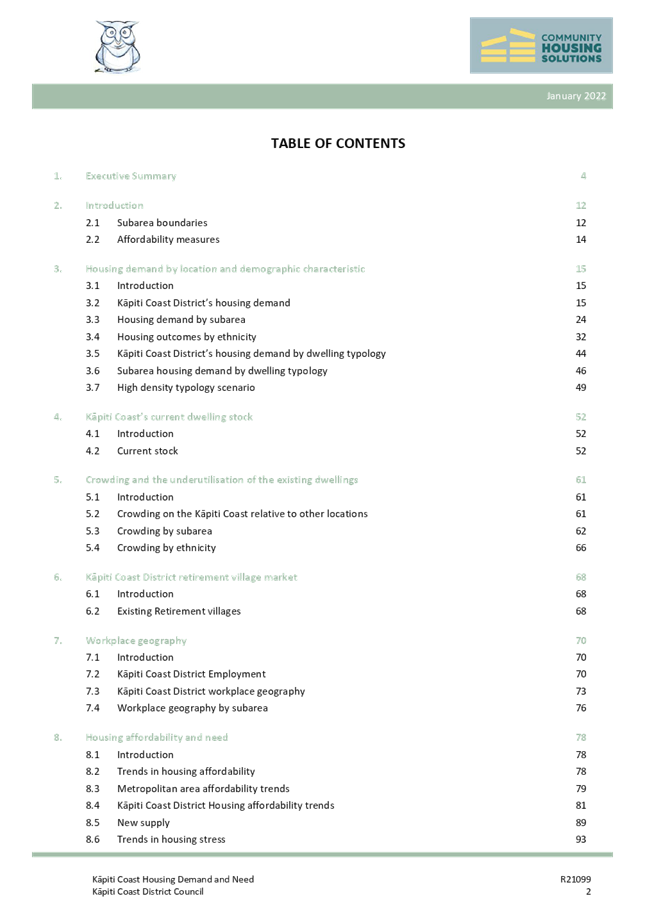
5 Attached in Appendix One is the quantitative analysis
‘Research Report: Housing Demand and Need in Kapiti District’ by
Ian Mitchell (Livingston and Associates Ltd) and Chris Glaudel (Community
Housing Solutions Ltd).
6 Attached in Appendix Two is the qualitative analysis
‘Not just a house, a life’ by The Urban Advisory.
Te tuku haepapa
| Delegation
7 The
Strategy and Operations Committee has the delegated authority to consider this
matter.
Taunakitanga | RECOMMENDATIONS
That the
Strategy and Operations Committee:
a) Receive
the final Kāpiti Coast Housing Needs Assessment 2022, subject to minor
editorial changes by the Chief Executive.
b) Acknowledges
the significant contribution in the development of the Kāpiti Coast
Housing Needs Assessment 2022 by Iwi partners, the community, local
organisations, advisory groups, and businesses.
Tūāpapa | Background
8 A
Housing Programme Assessment report, completed by The Property Group (TPG), was
endorsed by Council in April 2020, with a view to helping Council identify some
actions it could take in developing a housing programme and what the Council/s
role could be in supporting affordable and public housing in the
community. This was completed following the Kapiti Coast Communities
Housing Taskforce report.
9 The
Housing Programme Assessment report identified four key issues were identified
which should be addressed by the housing programme:
a) Investigate
ways to increase the supply of public housing.
b) Improve
the quality of existing public housing.
c) Encourage
take up of existing development capacity.
d) Improve
the availability of emergency and transitional housing.
10 Completion
of a Housing Needs Assessment for the Kāpiti Coast was identified as a key
early deliverable of the Housing Programme and was recommended by both the
Taskforce report and the TPG report, to improve the quality of information
available for Council, partners, and stakeholders. It provides a robust
evidence base to use in discussions with government agencies and others, to inform
what role they can play in responding to Kāpiti’s
housing challenges as well as to help target solutions to where they are
most needed.
11 A
briefing on the Housing Needs Assessment was held with Council on 1 March
2022.
12 A
public workshop was held with Council and Iwi representatives on 5 April 2022
to discuss the findings.
He
kōrerorero | Discussion
He
take | Issues
Developing the Needs Assessment
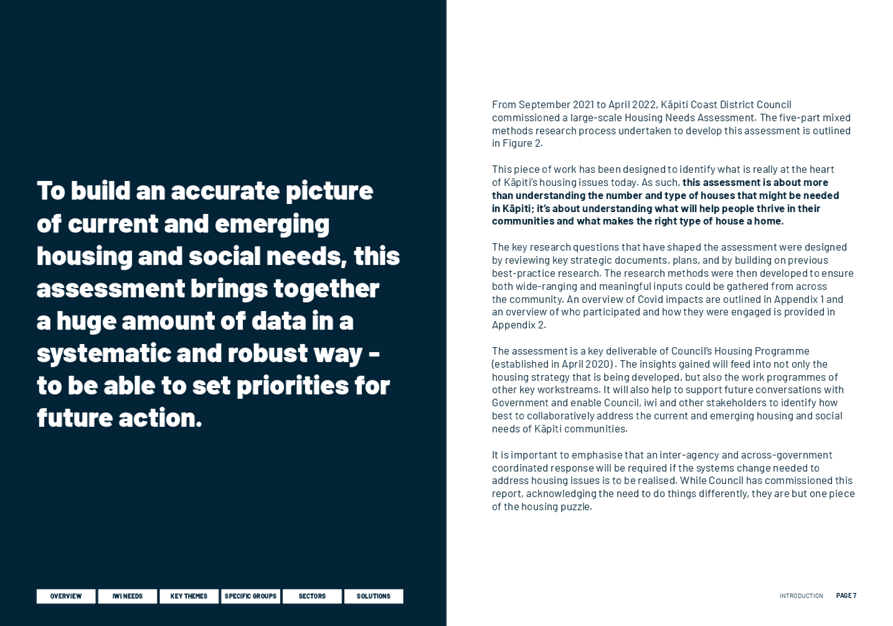
13 The purpose of the Housing Needs Assessment is to identify housing trends across a range of demographic
characteristics and better understand what housing is
needed by the community, both now and in the future, beyond just the number of
dwellings. It has involved comprehensive
research by external parties who have specialist expertise in both quantitative
and qualitative assessments.
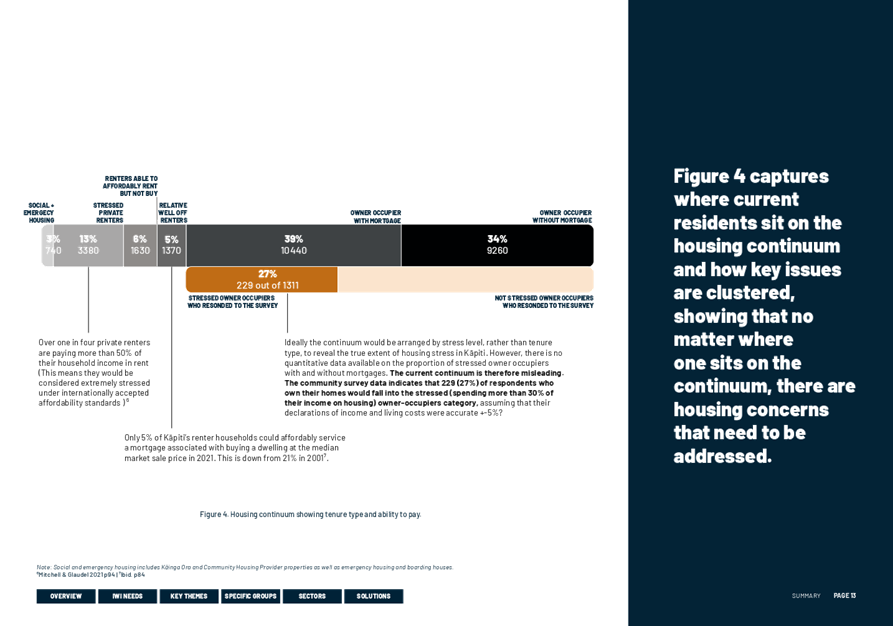
14 The Housing Needs Assessment provides insight into challenges across the housing continuum and the
different types of housing required to ensure that delivery of future housing
solutions is fit-for-purpose for the community. It also provides insights about
the impacts of housing pressures on the community and how these can impact
social, cultural, environmental, and economic wellbeing.
15 To assist with the completion of the Housing Needs
Assessment, The Urban Advisory, Livingston and Associates Ltd and
Community Housing Solutions Ltd were contracted by
Council to assist with the development of both the qualitative and quantitative
data reports. Collectively the two reports make up the Housing Needs
Assessment.
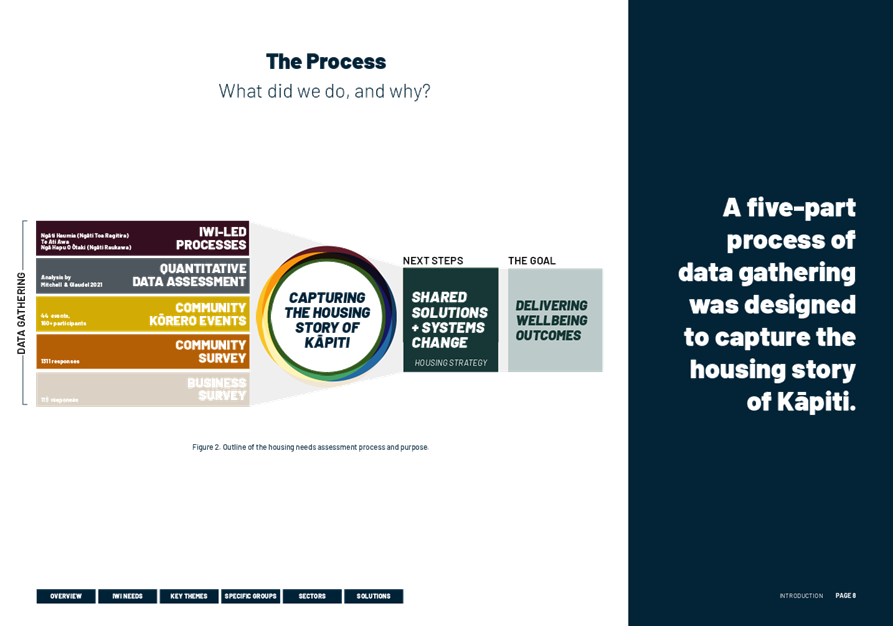
16 Data
and insights were obtained through a five-part mixed method research process,
which included Iwi-led research and data provision, quantitative data
assessment, community kōrero events, a community survey, and a business
survey.
17 Partners and stakeholders that were invited to participate
in the process of developing the housing needs assessment include:
· Iwi partners
· local community
· Government agencies (national and regional offices)
· national and regional non-Government organisations
(NGO’s)
· organisations and advisory groups working with young
people, people with disabilities, and older people
· local businesses
· Community Housing Providers and social support
organisations
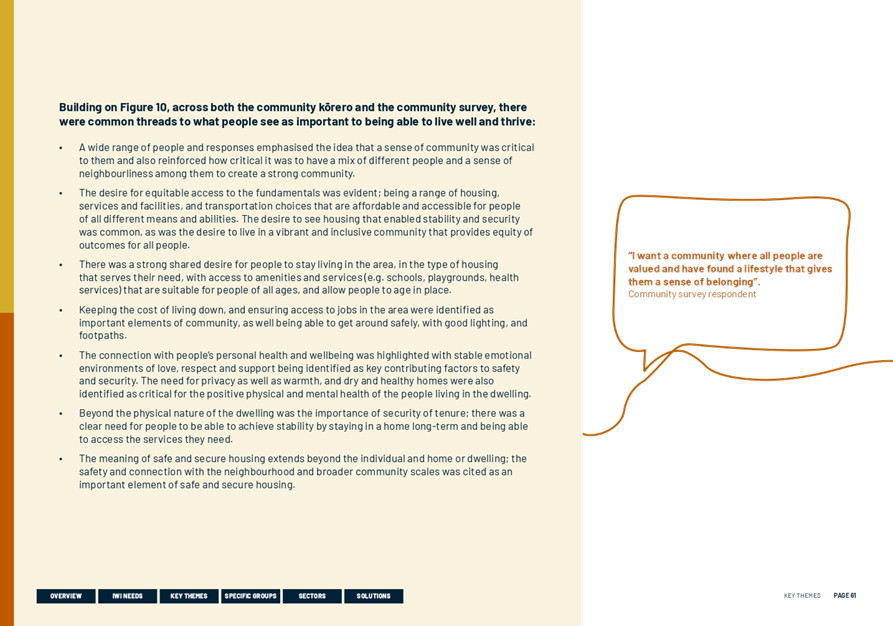
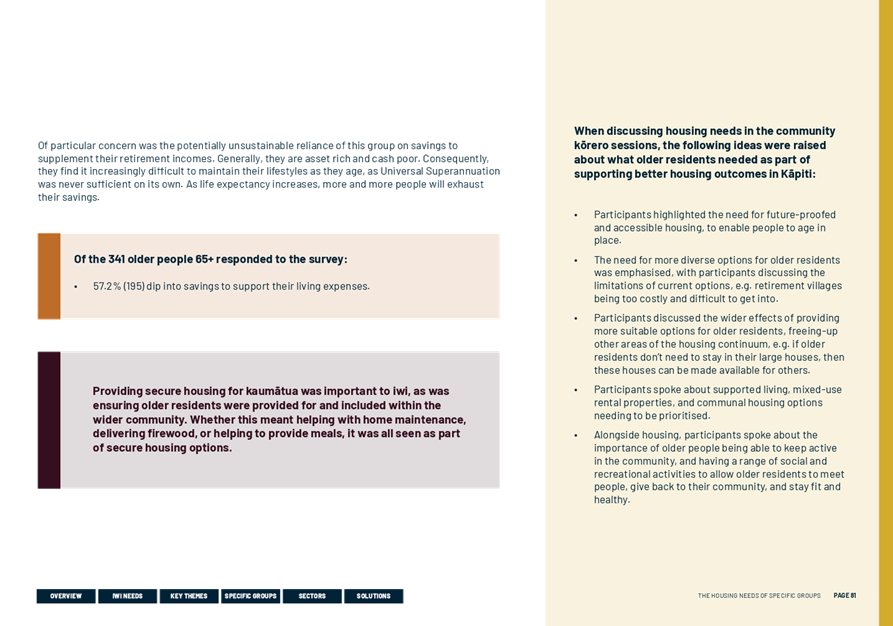
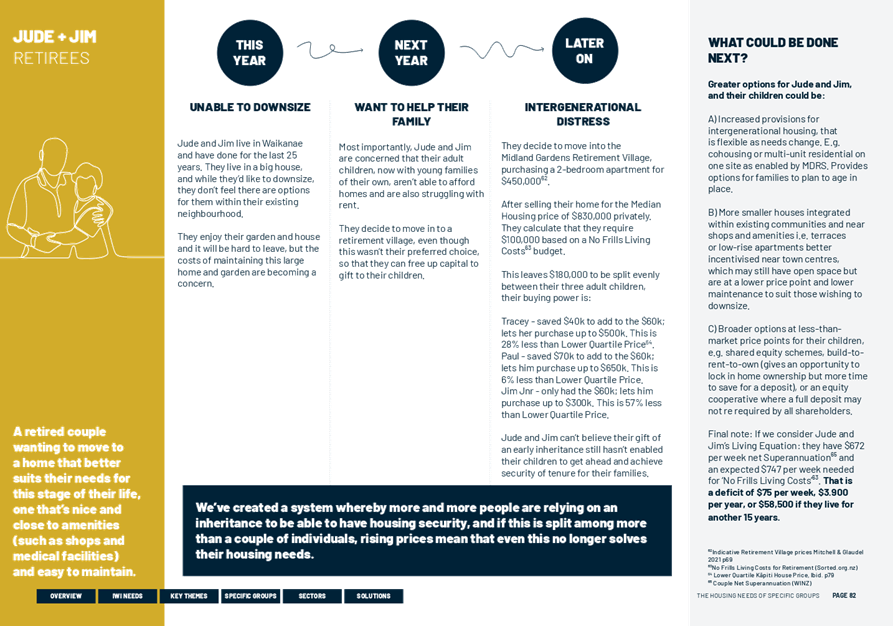
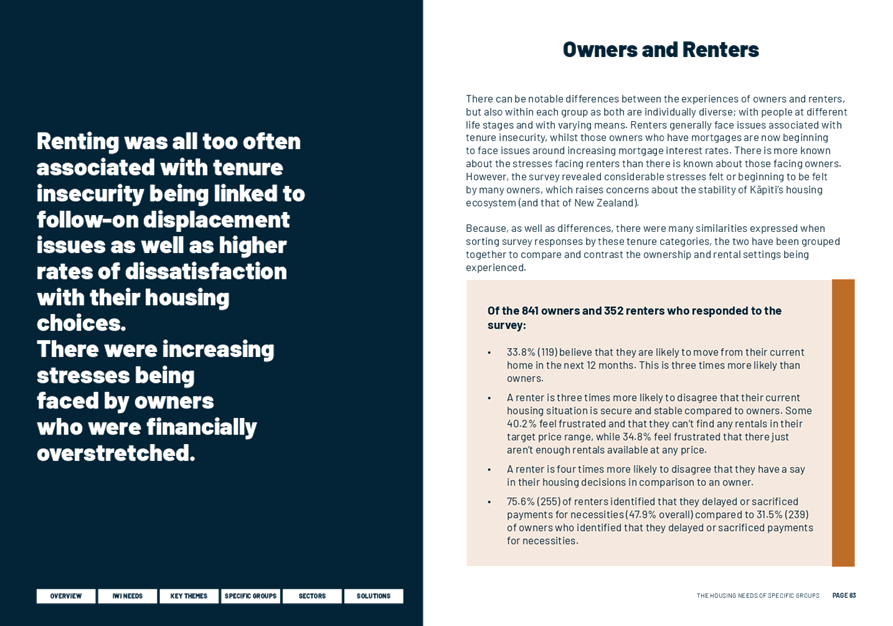
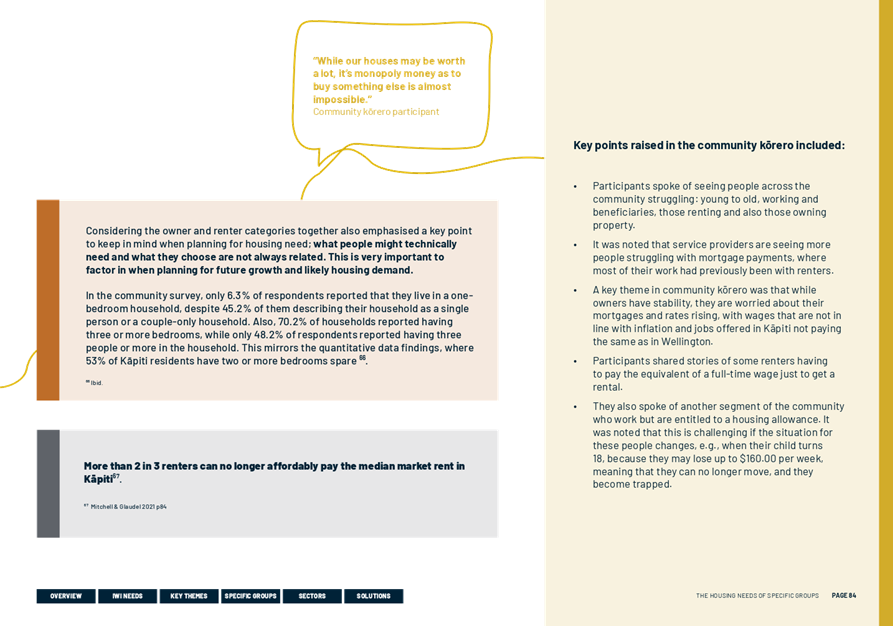
18 There was a high level of participation and engagement in
the process, much of which was undertaken in the latter part of 2021 and early
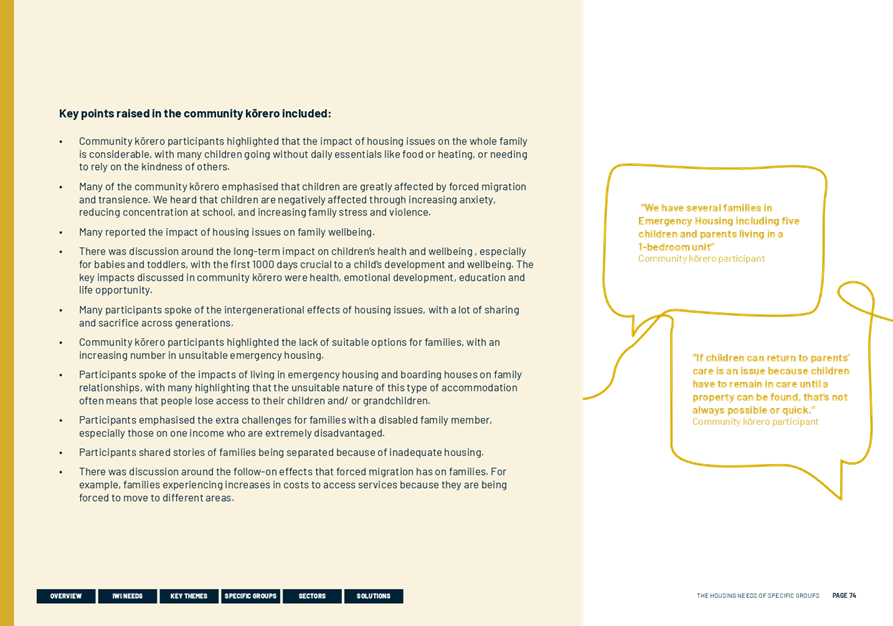
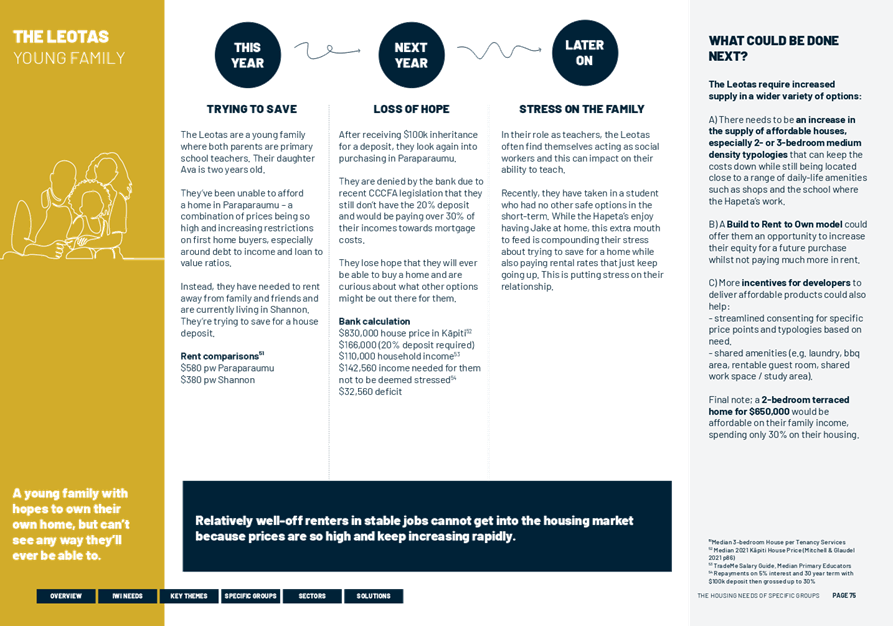
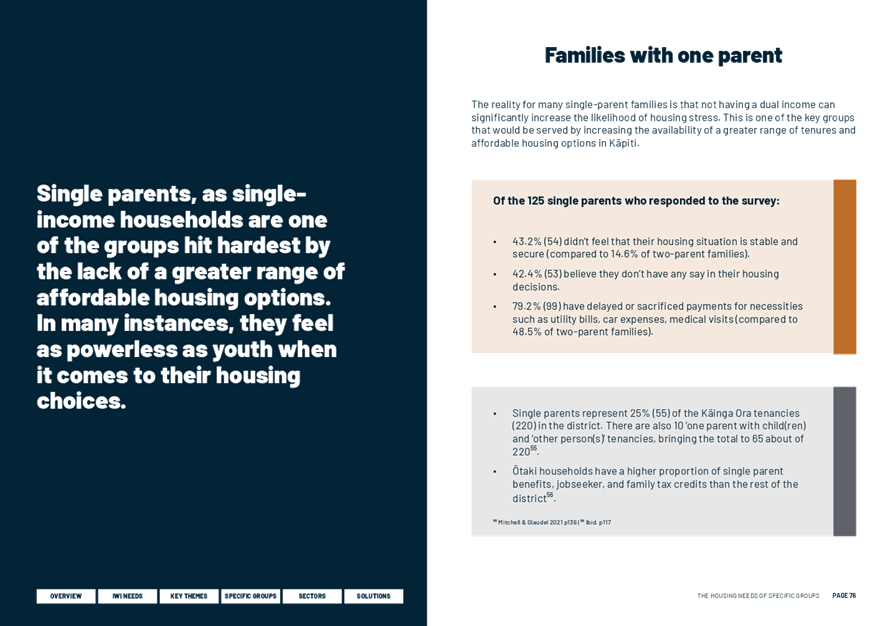
2022. The following were key inputs into the qualitative assessment (‘Not just a house, a life’):
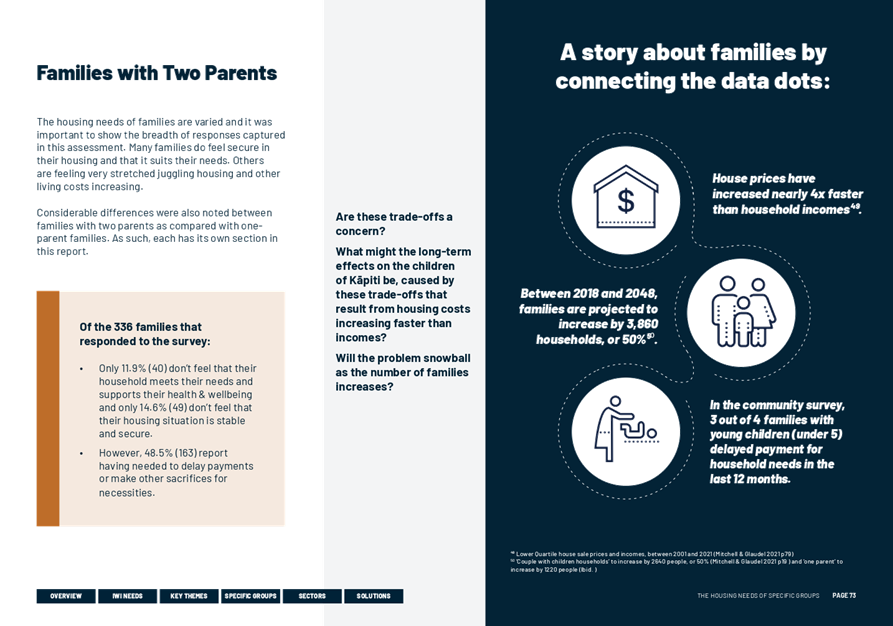
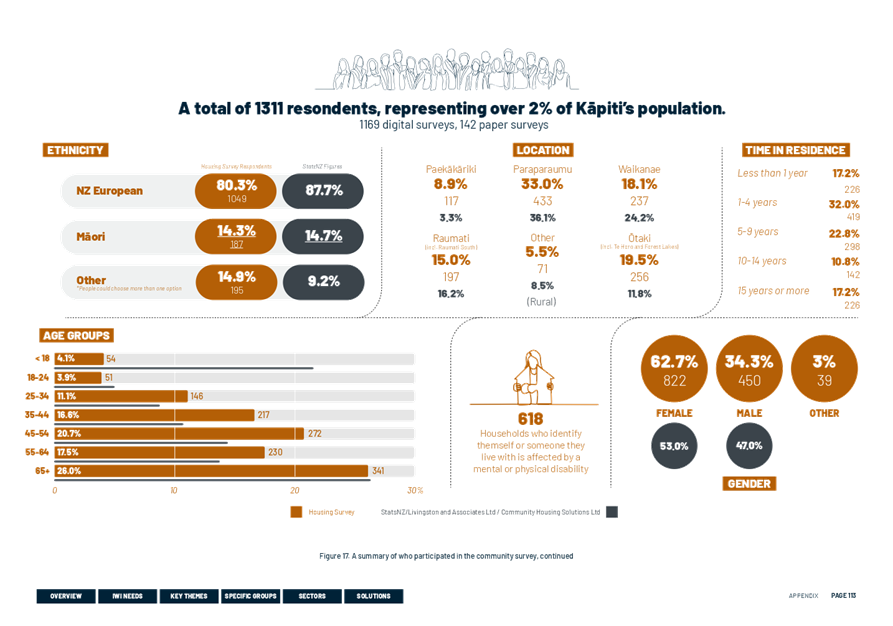
· A total of 1,311 survey responses were received during the
community housing survey.
· 44 community kōrero events were held, with over 160
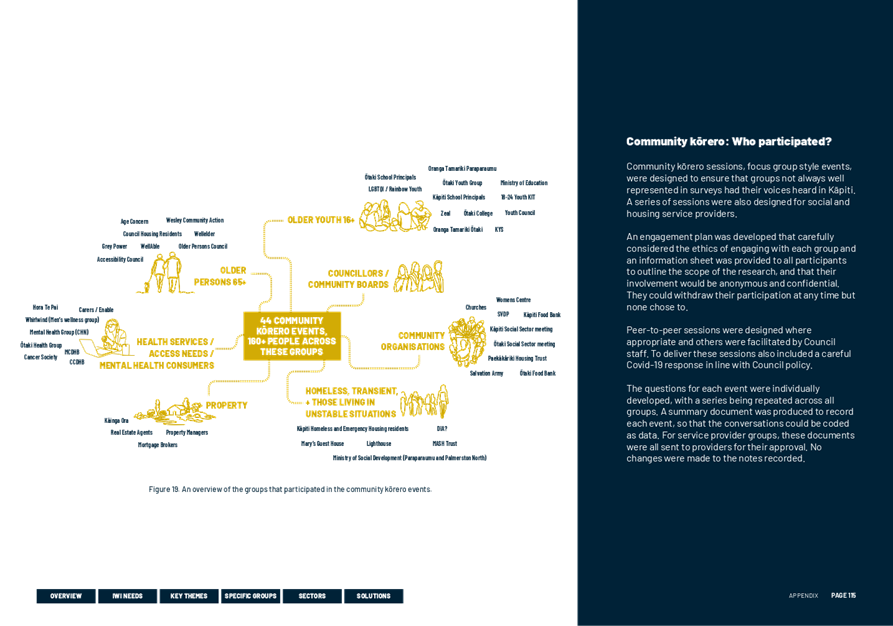
people attending across the various events.
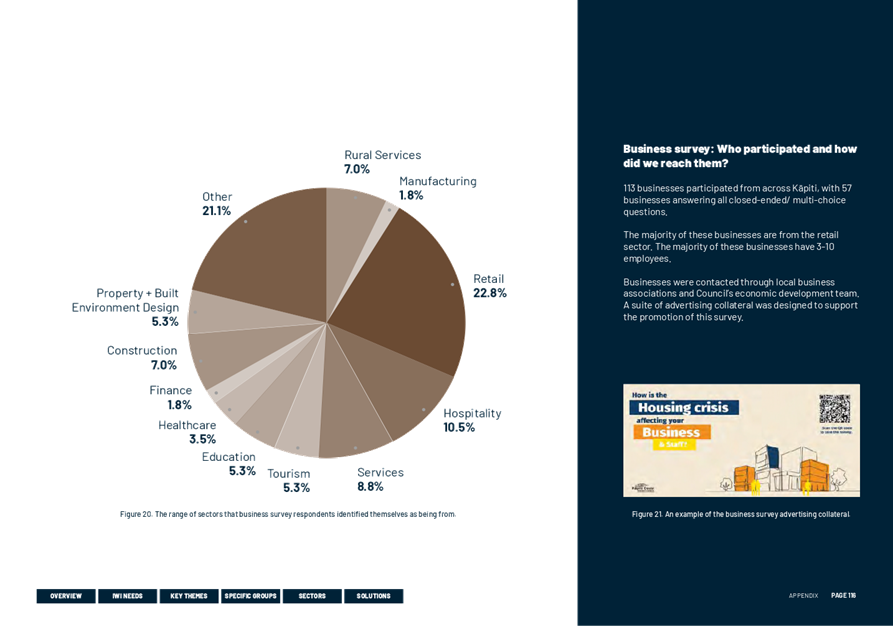
· 113 businesses participated in the business survey.
19 The quantitative assessment (Research Report: Housing
Demand and Need in Kapiti District) provides a detailed analysis of a range
of demographics across the whole district as well as more localised areas
within the district.
20 The Housing Needs Assessment has been developed as an information base available for use by everyone
with an interest in housing in the Kāpiti community.
Key findings
21 Following
an analysis of the qualitative and quantitative data collected through the
research process, there was widespread agreement that change is need across the
whole housing system. Both reports incorporate summaries of key trends
and findings from their research and the intention here is not to duplicate
that information.
22 The
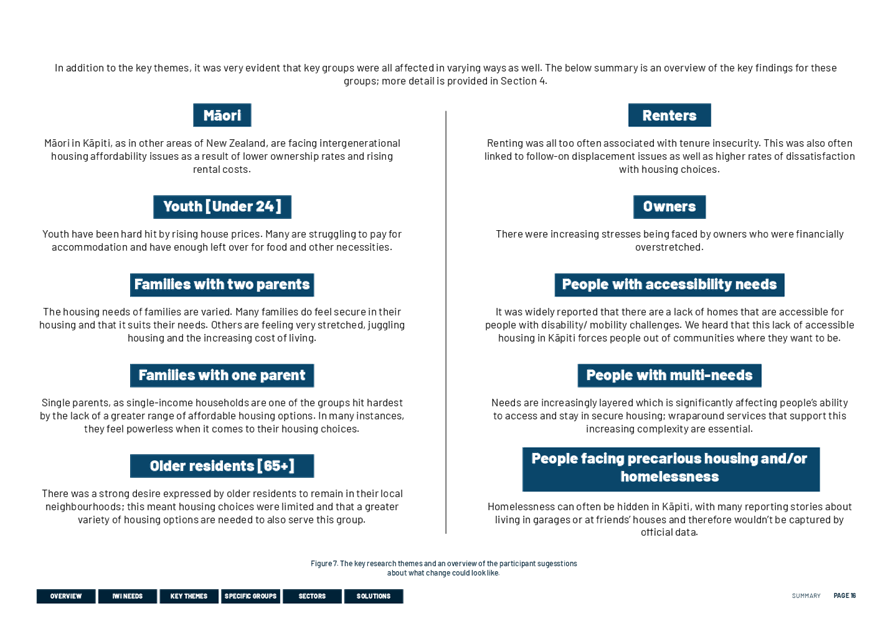
Housing Needs Assessment provides a robust information resource which confirms
the level of housing need in Kapiti, including for identified vulnerable
groups. It also proposes recommendations for addressing the range of housing
issues identified, which have helped inform development of the Kāpiti
Coast District Council Housing Strategy and actions.
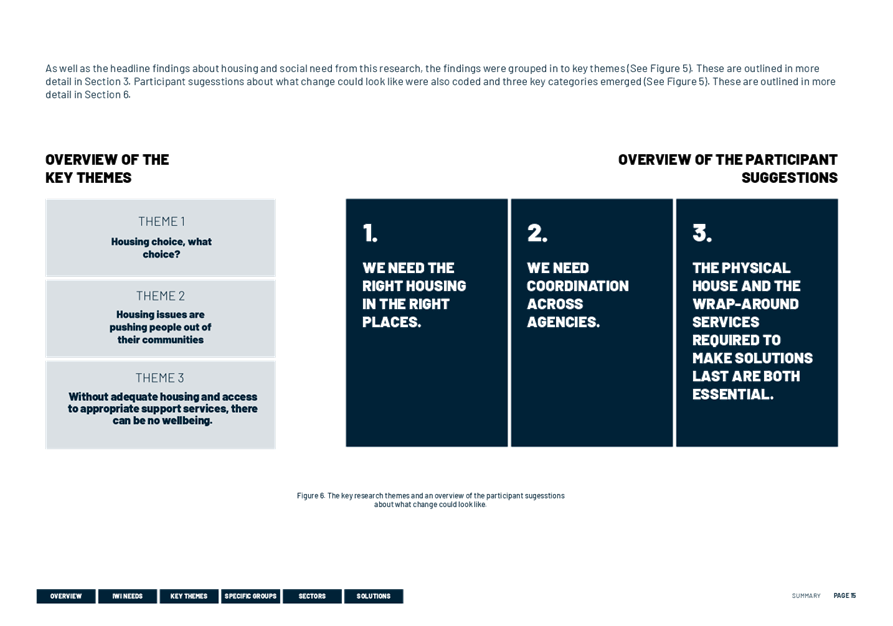
23 The
Housing Needs Assessment provides an overview of solutions identified through
the engagement process (Not just a house, a life; The Urban Advisory,
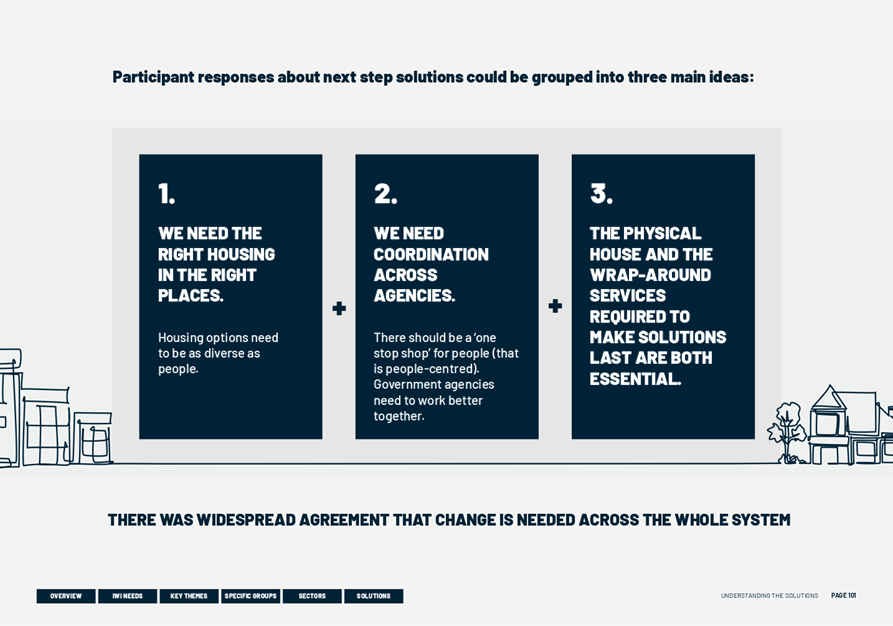
page 101). The solutions can be grouped into three key areas:
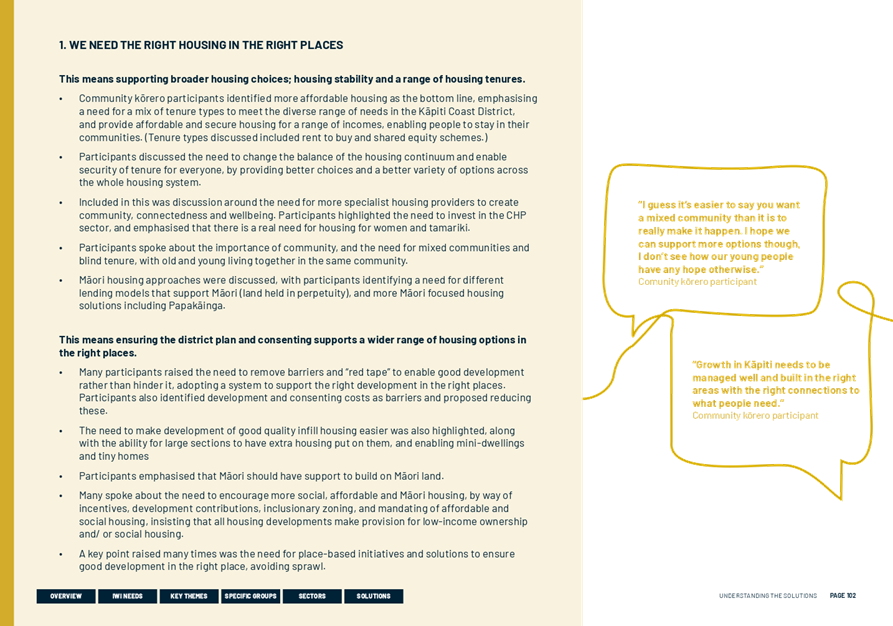
· We need the right
housing in the right places
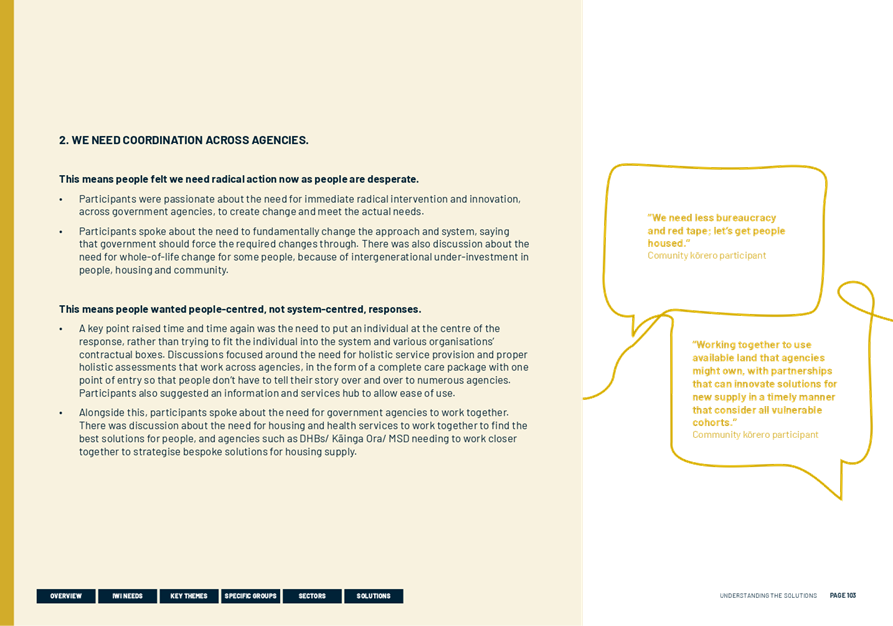
· We need
coordination across agencies
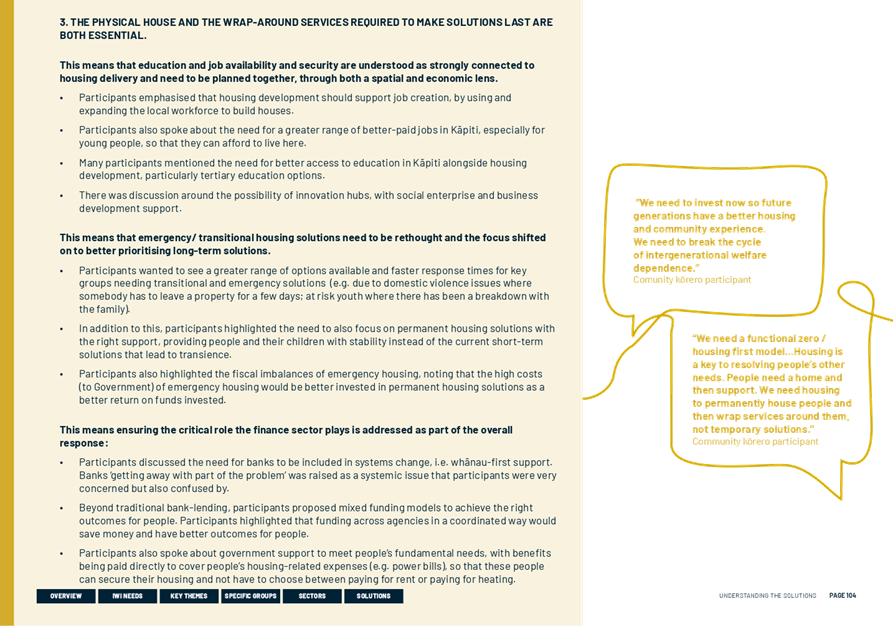
· The physical house
and the wrap-around services required to make solutions last are both
essential.
24
Housing affordability is an increasing challenge with a number of factors
driving increased demand for dwellings from households shifting to Kāpiti.
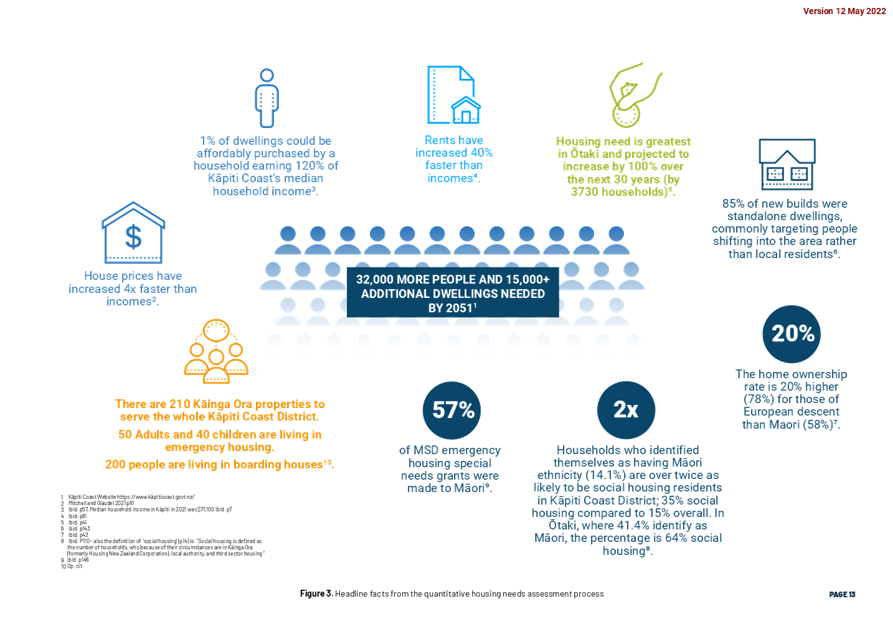
25 Current
population forecasts estimate that there will be 32,000 more people living in
Kāpiti by 2051 and more than 15,000 new dwellings required to house them
(including over 5,000 in the next 10 years).
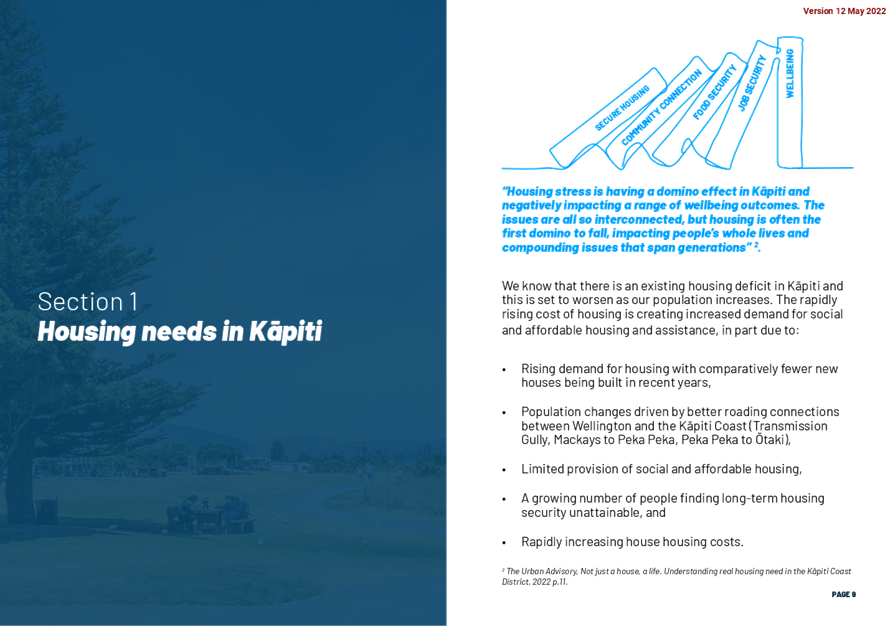
26 Housing
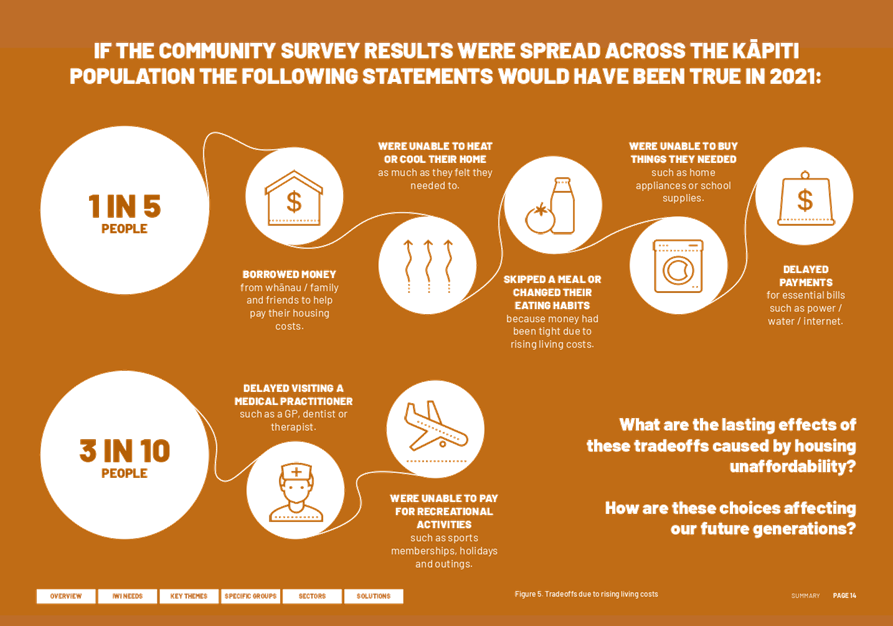
stress impacts a range of wellbeing outcomes and is often the key issue which
impacts other outcomes such as community connection and job security.
27 Evidence
collected through the development of the Housing Needs Assessment identifies
that housing stress in Kāpiti is extensive and “is having a domino
effect, negatively impacting a range of wellbeing outcomes. The issues
are all so interconnected, but housing is often the first domino to fall,
impacting people’s whole lives and compounding issues that span
generations” (Not just a house, a life; The Urban Advisory, page
11)
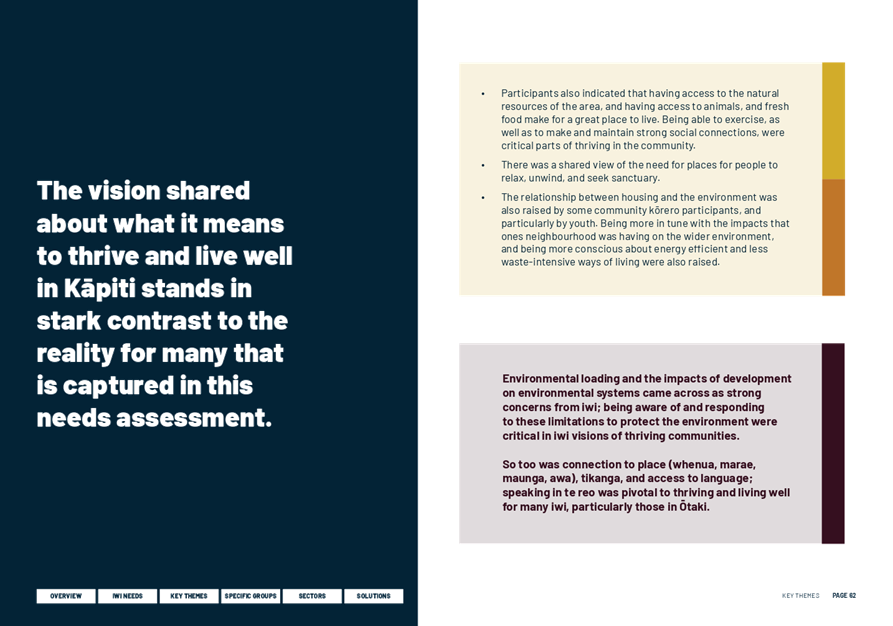
28 The
Housing Needs Assessment identifies that Ōtaki has the highest level of
housing need and the greatest affordability pressures on its residents.
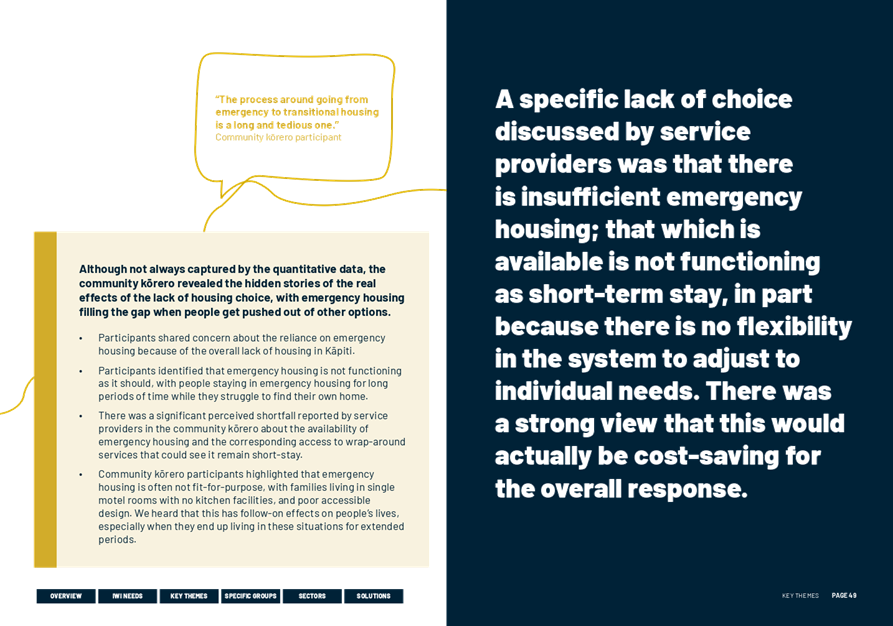
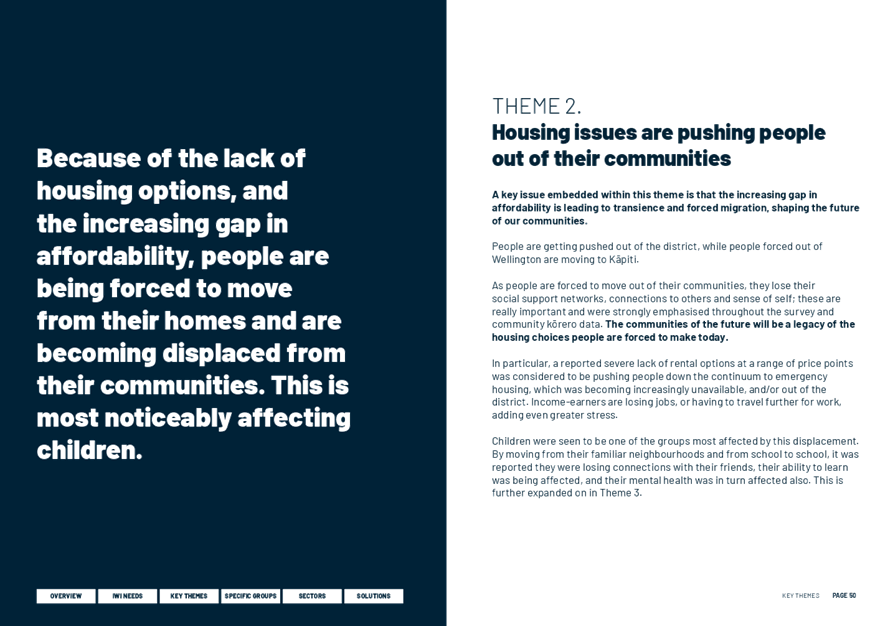
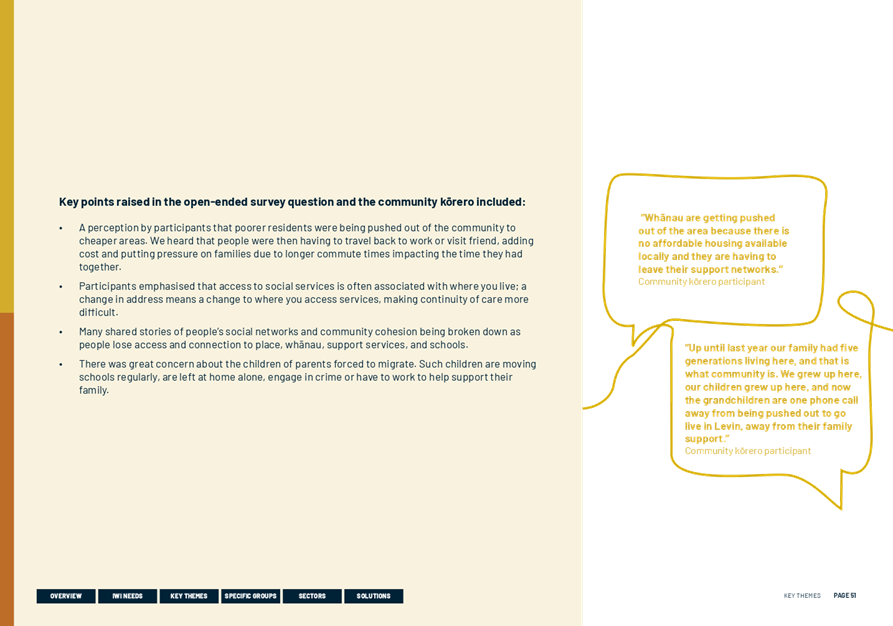
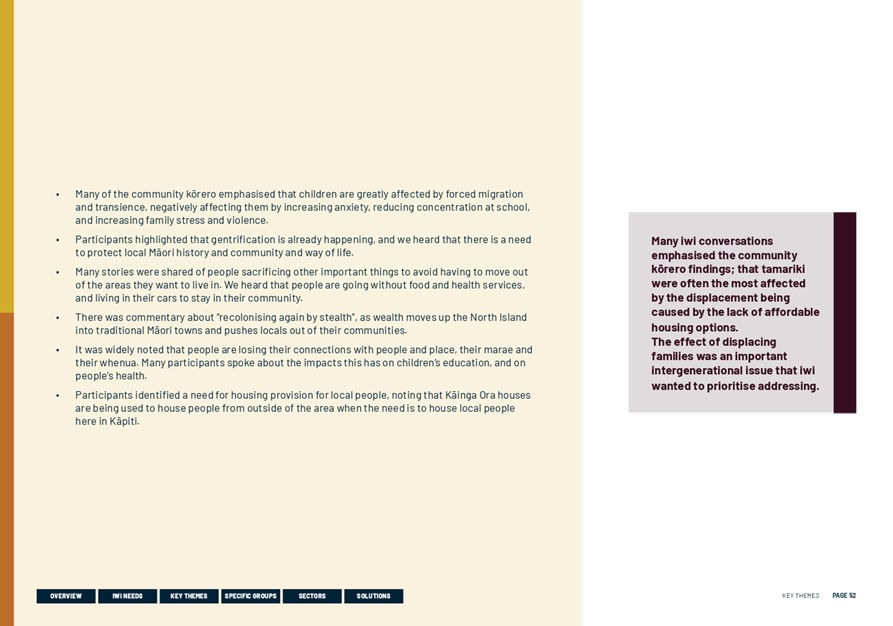
29 People
are being forced to move from their homes and are becoming displaced from their
communities due to housing affordability. There is currently a lack of
choice in housing, and what is available doesn’t always match well with
needs.
Ngā
kōwhiringa | Options
30 Options for the issues raised in this report have been
outlined in the above discussion.
Tangata whenua
31 Council
officers commenced conversations with iwi partners about the development of a
Housing Needs Assessment for the Kāpiti Coast in 2021. Iwi
that were involved in the development of the Housing Needs Assessment were:
· Ngāti
Raukawa, through the five hapū who constitute
Ngā Hapū o Ōtaki
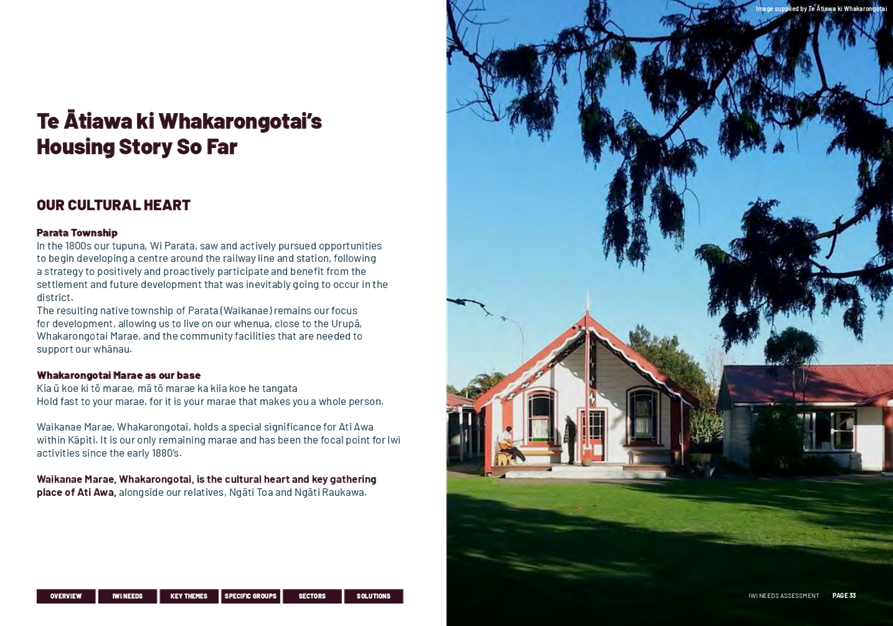
· Te Ātiawa ki
Whakarongotai
· Ngāti Toa
Rangatira and specifically their hapū Ngāti Haumia of
Paekākāriki
32 A
key aim agreed with iwi was to provide a better understanding of the need
across the housing continuum to help attract future investment
in Māori, social and affordable housing in the district.
33 A partnership approach was taken during the information gathering,
where iwi were supported to lead and design their kōrero and hui to contribute to Development of the Housing Needs
Assessment.
34 This
input has been has formed into an iwi specific section in the qualitative
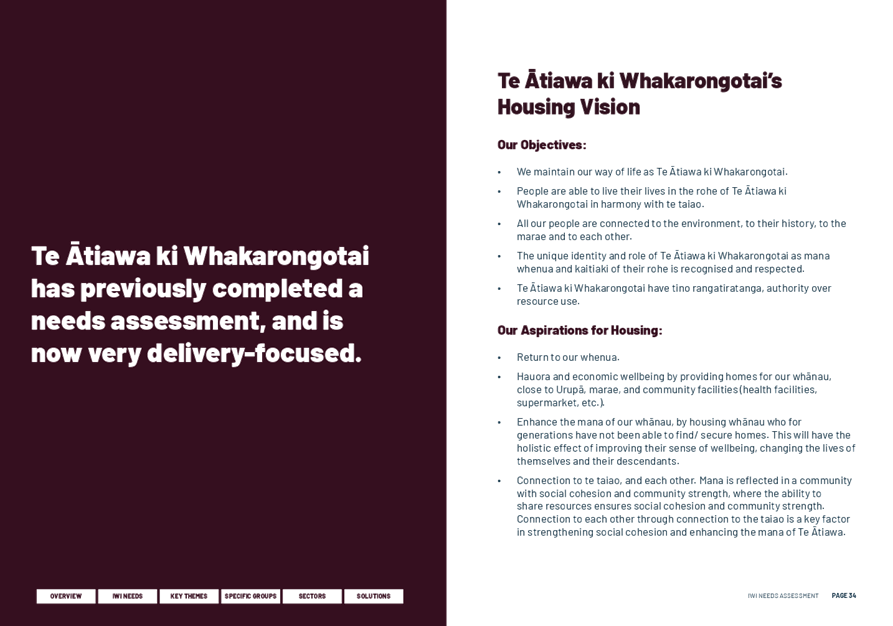
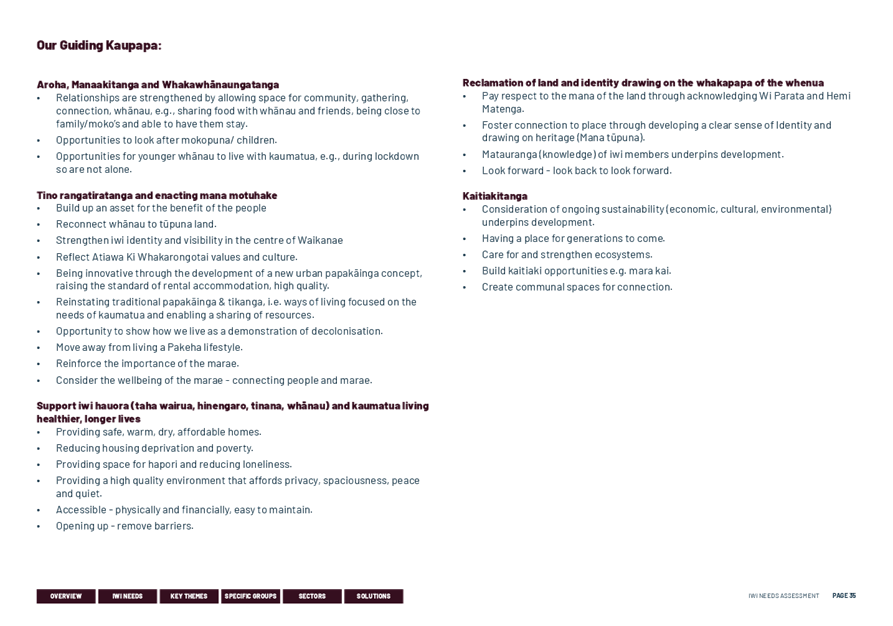
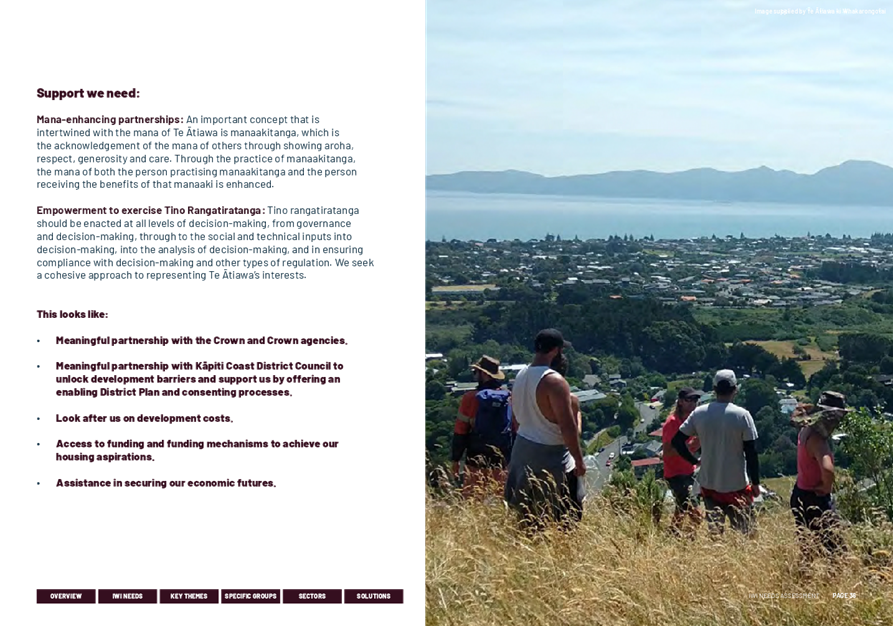
report (Not just a house, a life; The Urban Advisory, pages 19-36) which
outlines Iwi housing needs and aspirations in the Kāpiti Coast District.
35 Council’s
officers are very appreciative of the level of engagement and input of our iwi
partners in this mahi.
Panonitanga āhuarangi | Climate change
36 The Housing Needs Assessment is an evidence base that helps
inform housing needs provision, it does not directly make climate change
considerations. However, it is an input for others to consider in other
processes and decisions that do have a direct bearing on council’s
climate change goals, such as decisions about location and typology of new
housing.
37 Feedback
on climate change and the environment was provided by Iwi and the community as
part of this process and highlights the importance of environment wellbeing in
considering the impacts of current and future housing need.
Ahumoni me ngā rawa | Financial
and resourcing
38 There
are no financial implications associated with the approval of this document.
Ture me ngā Tūraru | Legal
and risk
39 There were no specific legal considerations relevant to the
approval of this document.
Ngā pānga ki ngā kaupapa here | Policy impact
40 In
the 2021-41 Long Term Plan, following consultation with the community, Council
made a key decision to “take a bigger role in housing” with a focus
on increasing our activities to support and enable development, as well as
looking at how Council can directly contribute towards improving housing
options in the district.
41 The
insights provided by the Housing Needs Assessment has fed directly into the
development of the Kapiti Coast District Council Housing Strategy 2022 and
provides an important foundation for the future work programme to support the
delivery of housing in the district.
42 It
will also provide valuable insights for Council’s wider policy work
programme with the opportunity for housing to be
considered in the development of other workstreams due to the nature of housing
issues and the wider impact it has on wellbeing for the community.
43 The Housing Needs Assessment has been developed as an information tool which is to be available for
use by anyone with an interest in housing, in the Kāpiti community. It
will also be made available to key partners and stakeholders, including central
government agencies.
Te whakawhiti
kōrero me te tūhono | Communications & engagement
Te mahere tūhono | Engagement
planning
44 This
matter has a low level of a significance under Council’s Significance and
Engagement Policy.
45 An
engagement plan is not needed to implement this decision.
Whakatairanga |
Publicity
46 Council will use its established
communications channels to inform the community of this decision and relevant
work associated with the completion of the housing needs assessment.
47 A communications plan has been
developed to inform the community and key stakeholders of Council’s
decision and the further work associated with the wider housing programme.
48 The
communications approach to be taken will include specific actions to target
government agencies, key partners, and stakeholders, as well as making the
reports available on the Council website.
Ngā āpitihanga | Attachments
1. Research
Report Housing Demand and Need Kāpiti Coast District ⇩ 
2. Not
just a house, a life ⇩ 
|
Strategy and
Operations Committee Meeting Agenda
|
12 May 2022
|
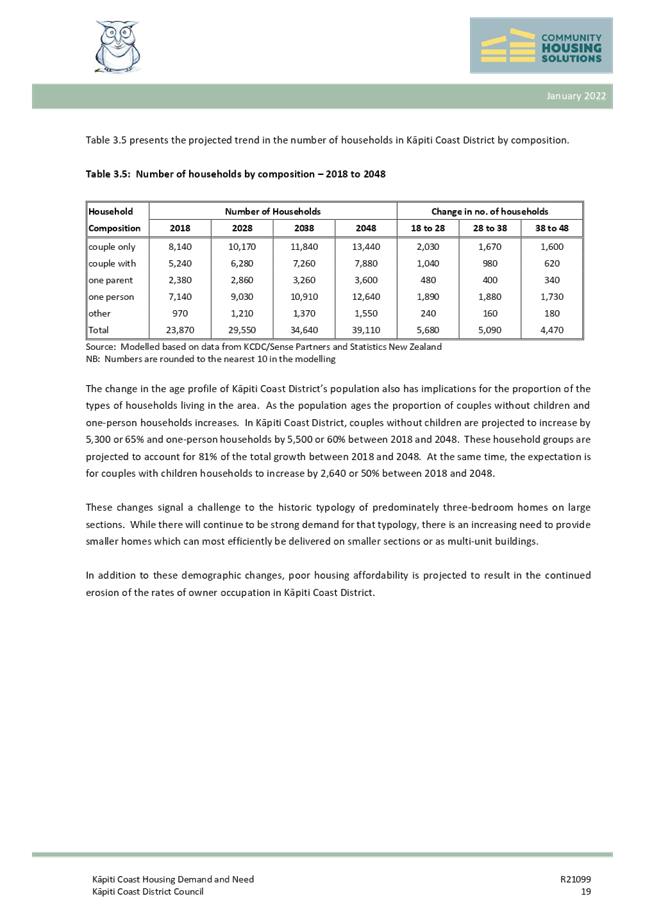
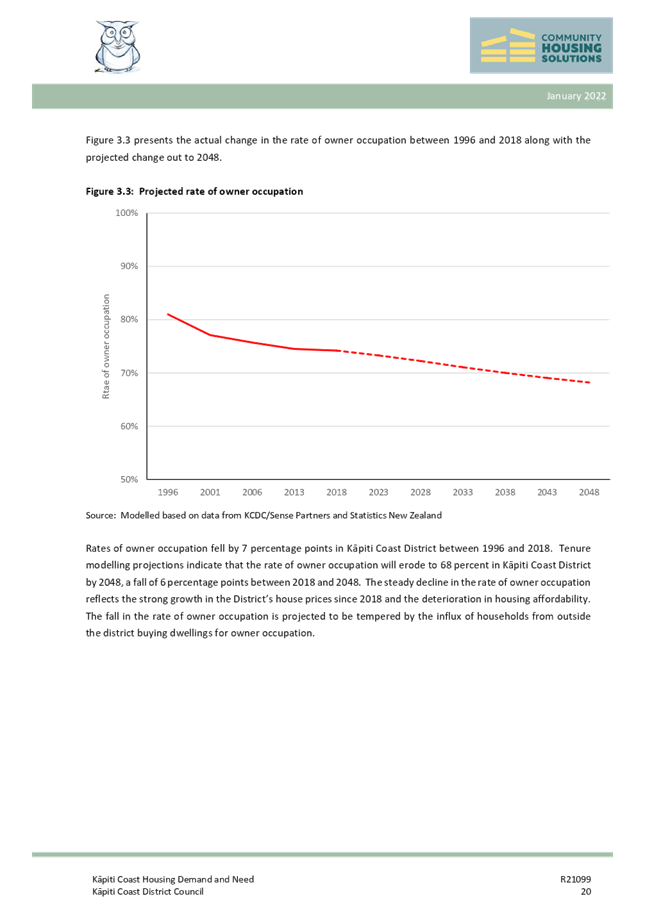
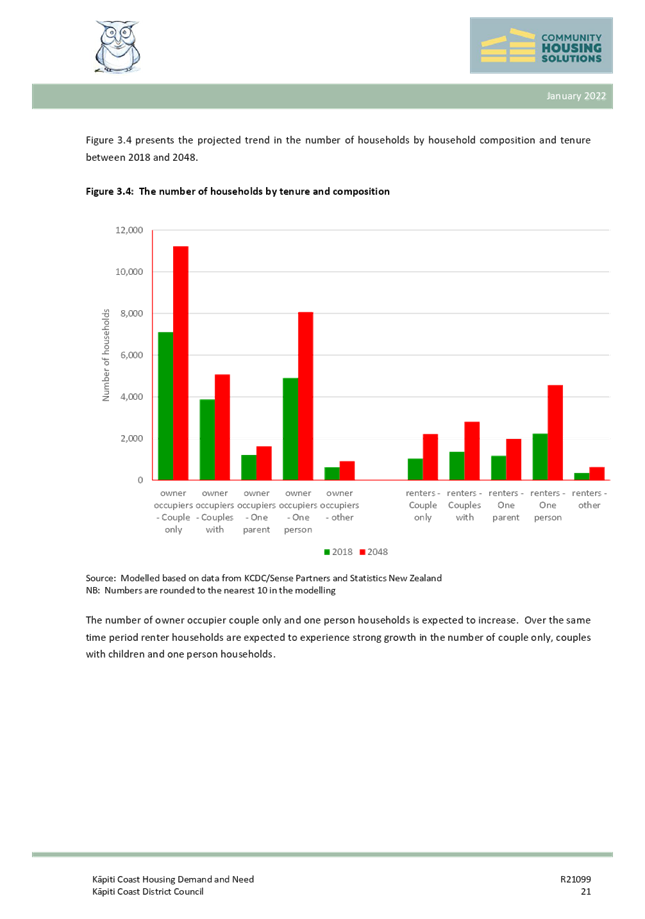
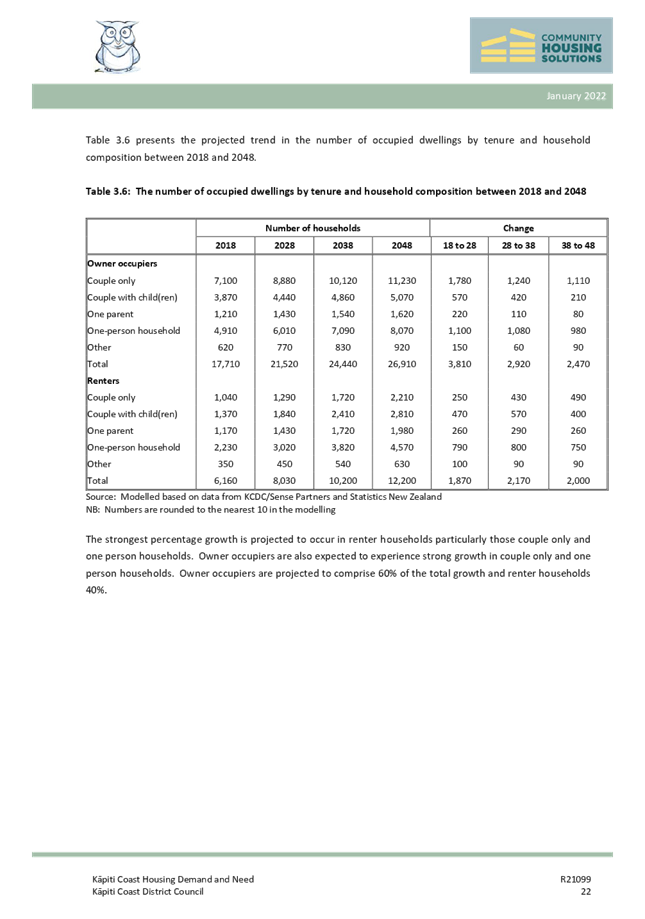
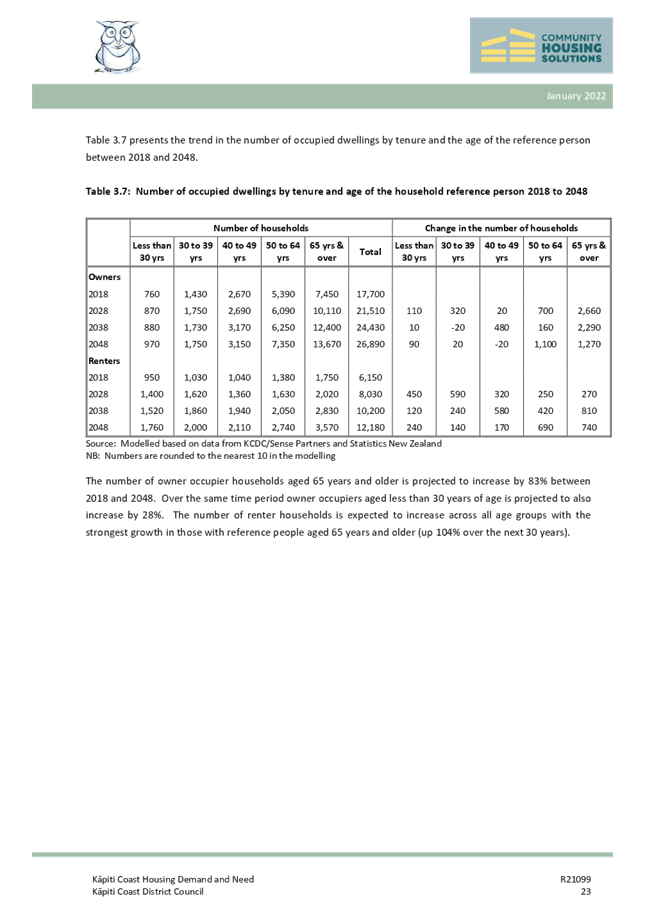
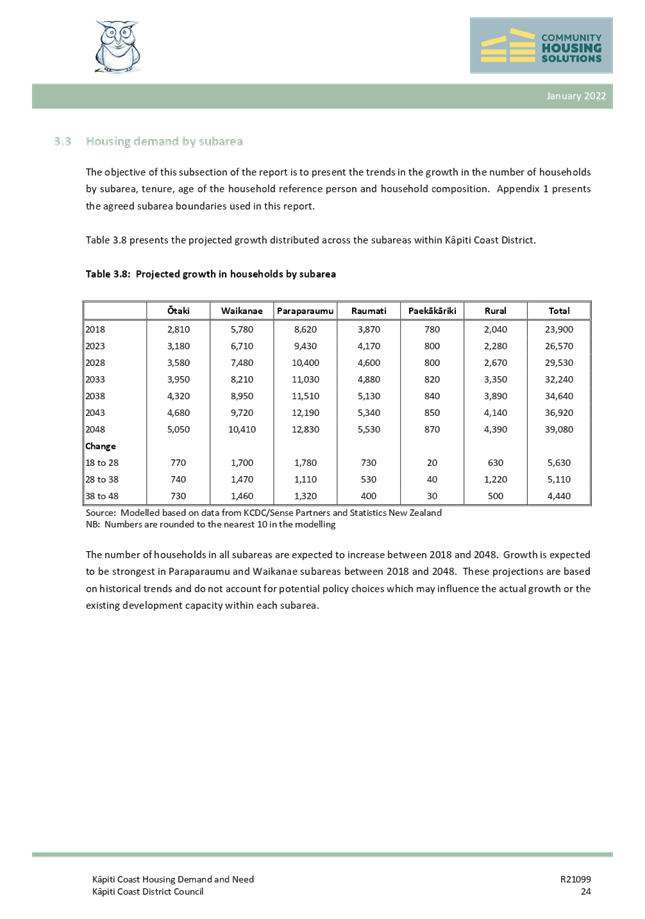
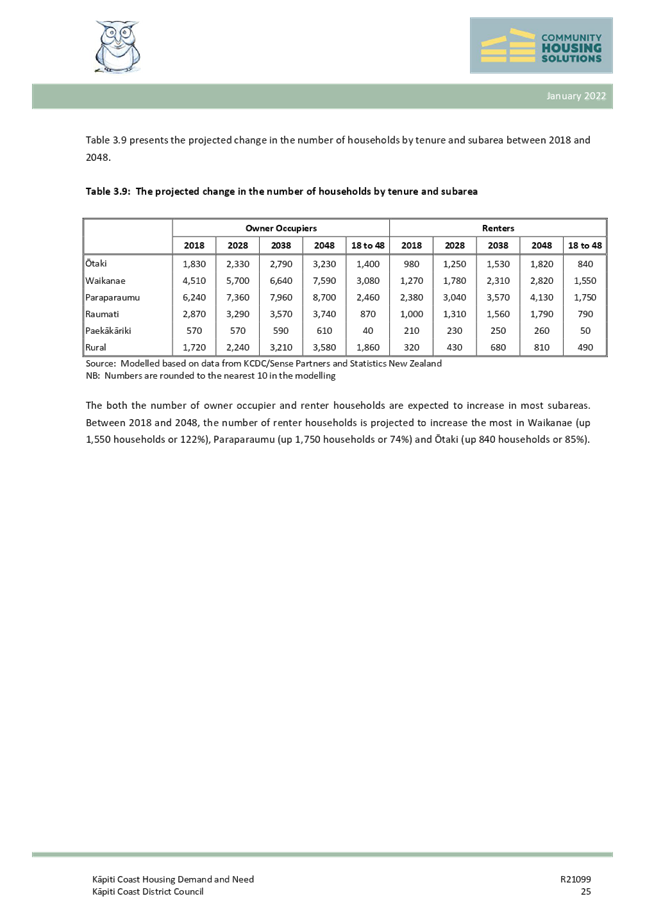
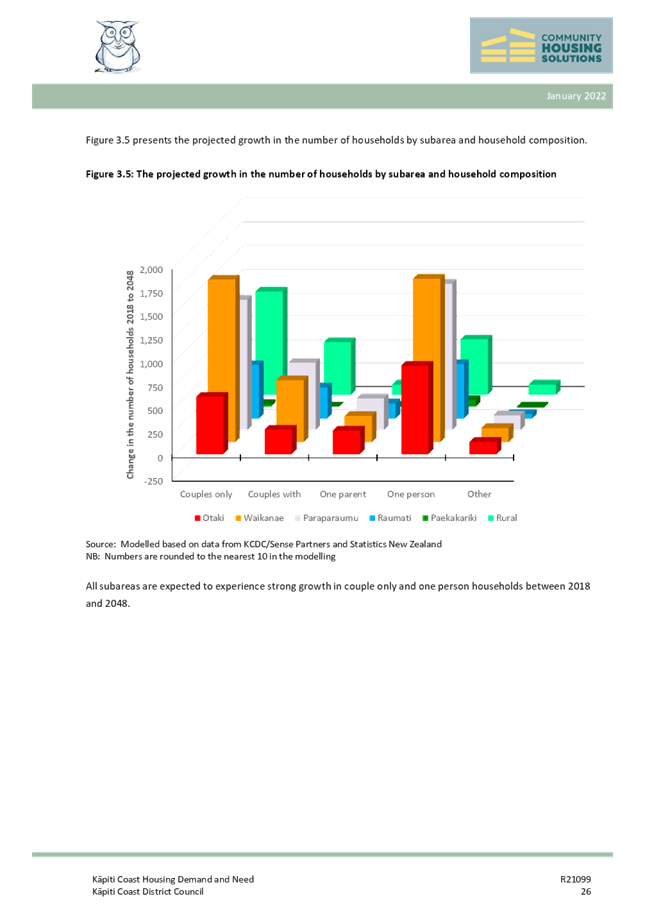
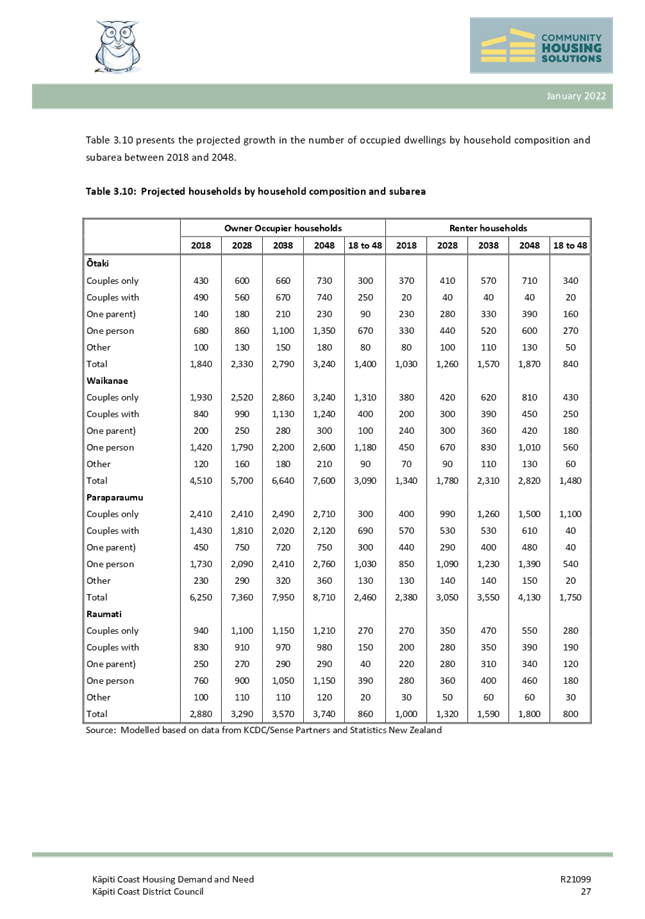
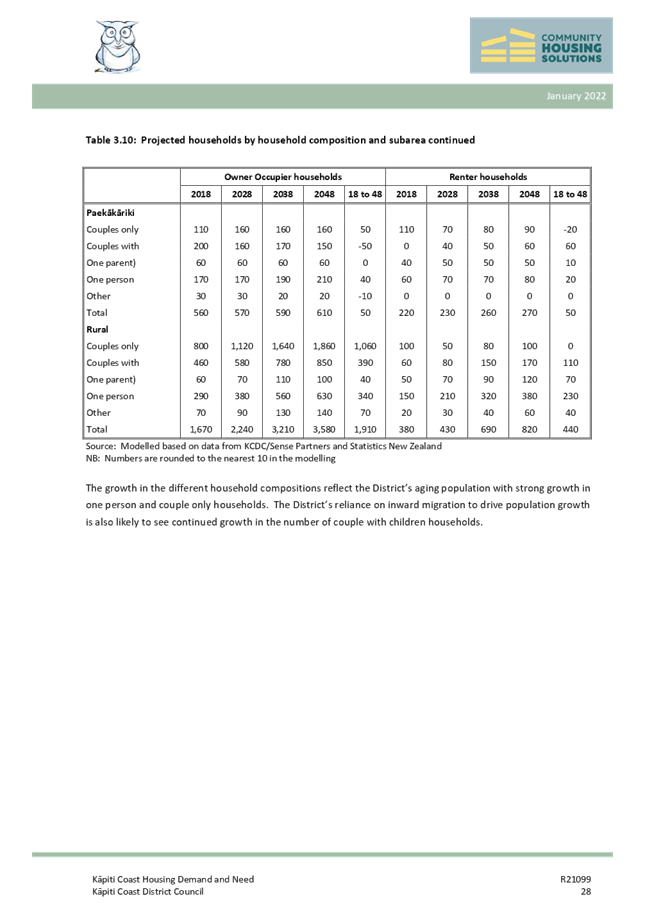
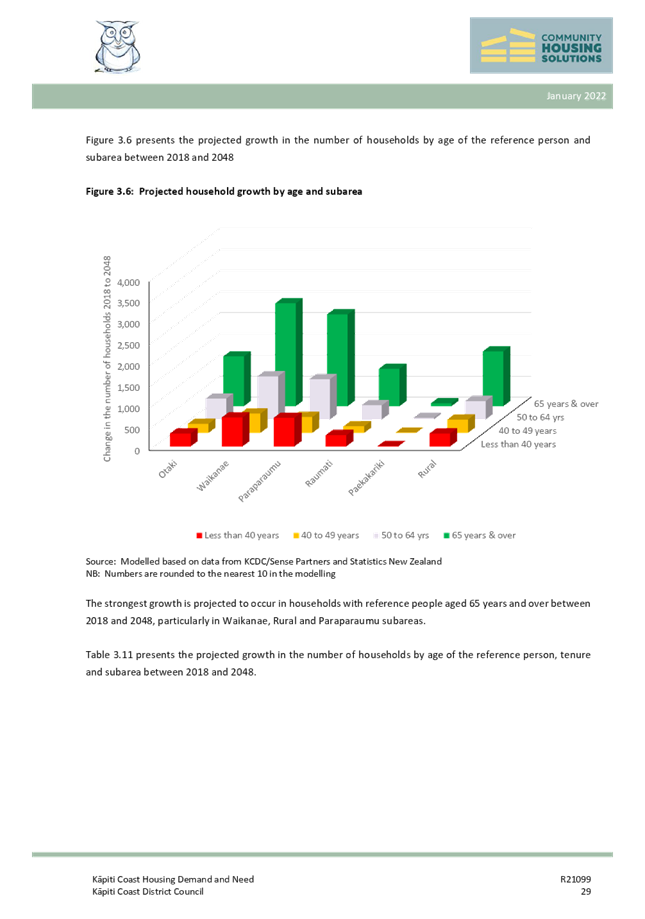
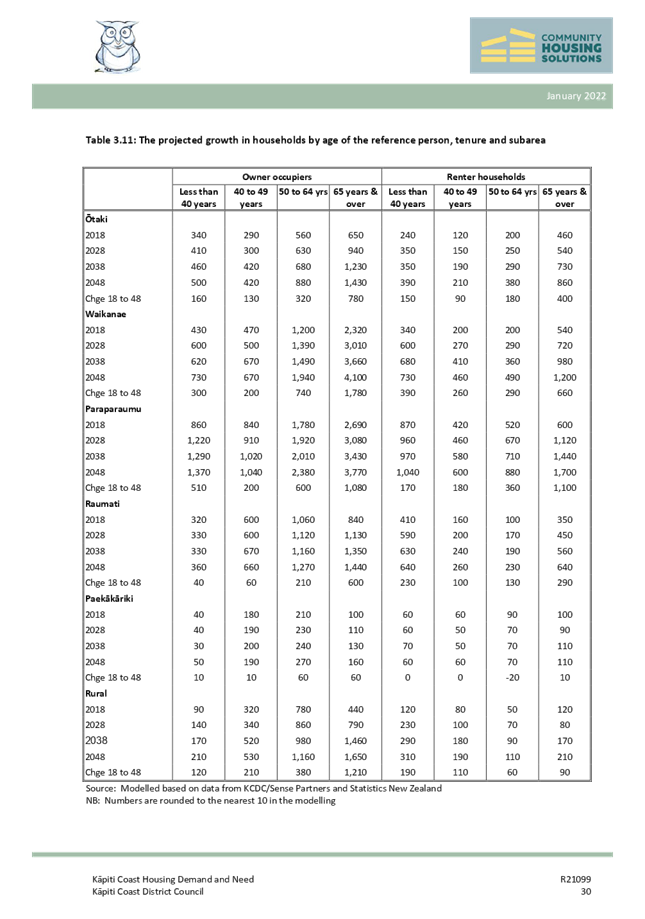
|
Strategy and Operations Committee Meeting
Agenda
|
12 May 2022
|
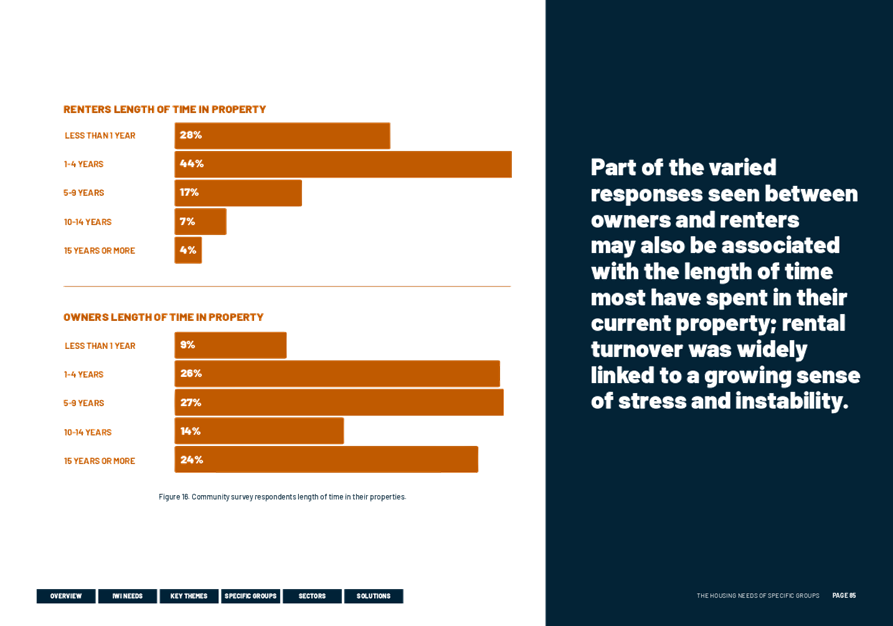
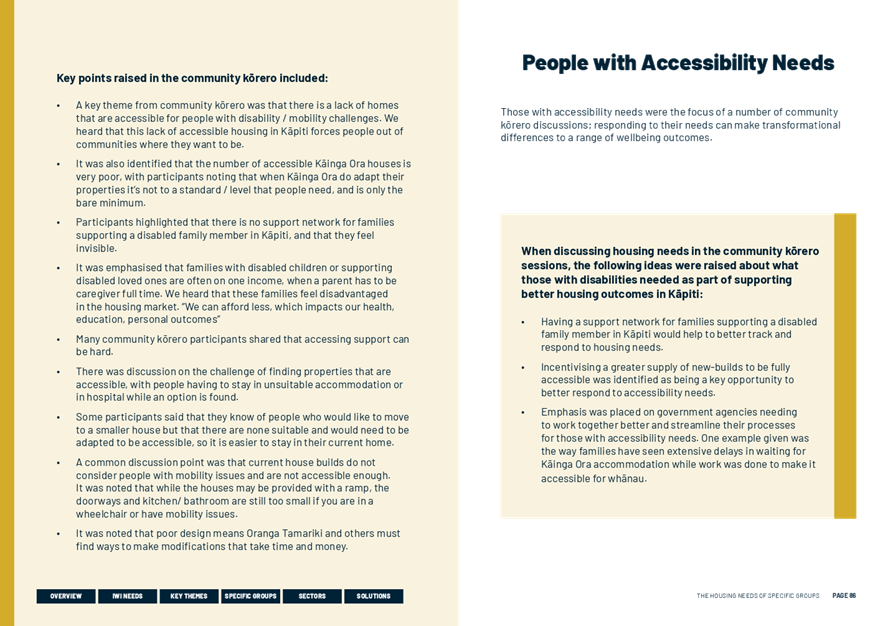
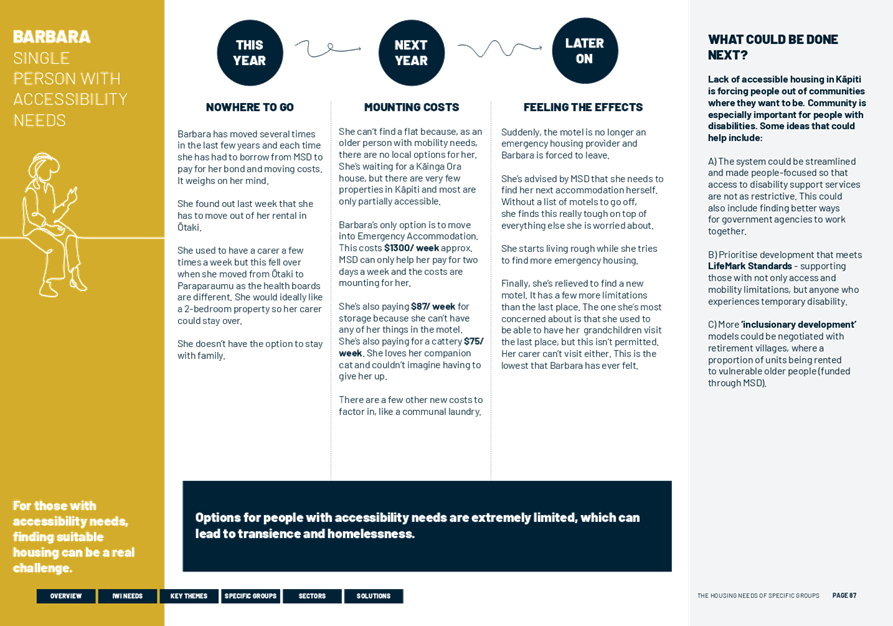
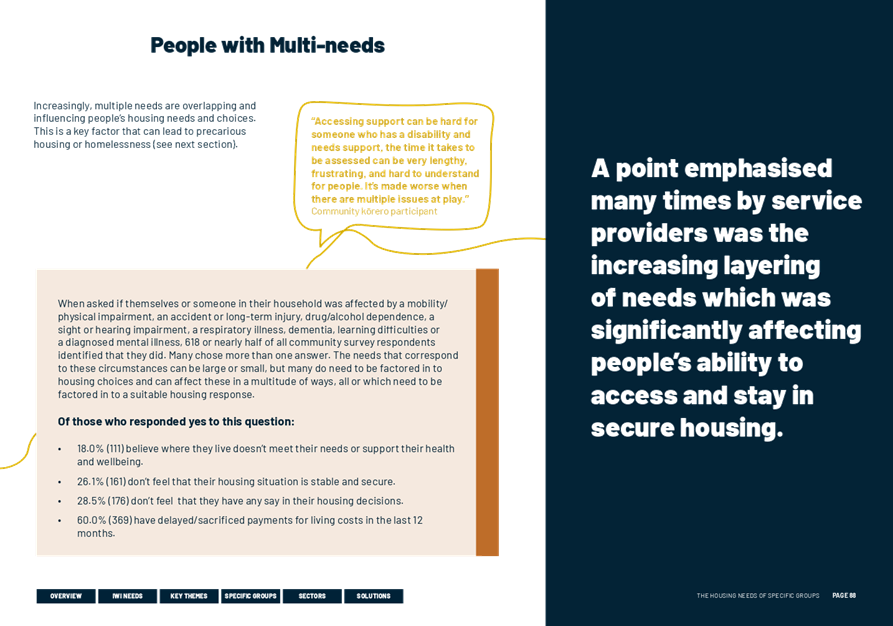
8.3 Kāpiti
Coast District Council Housing Strategy 2022
Kaituhi |
Author: Laura
Bertelsen, Advisor Strategic Projects
Kaiwhakamana
| Authoriser: Natasha Tod, Group Manager Strategy, Growth and
Recovery
Te pūtake |
Purpose
1 This
report seeks the Strategy and Operations Committee’s approval of the
Kāpiti Coast District Council Housing Strategy 2022.
He
whakarāpopoto | Executive summary
2 This
report provides the background for developing a final Kāpiti Coast
District Council Housing Strategy 2022 (the Housing Strategy) including input
received through the development of the Kāpiti Coast Housing Needs
Assessment 2022 and during consultation on the 2021-2041 Long-Term Plan (the
LTP).
3 The
Housing Strategy sets out the principles and objectives of
Council’s housing work programme and outlines key actions for the next
two-three years.
4 Attached
in Appendix One is a copy of the ‘Kāpiti Coast District Council
Housing Strategy 2022’.
5 Attached
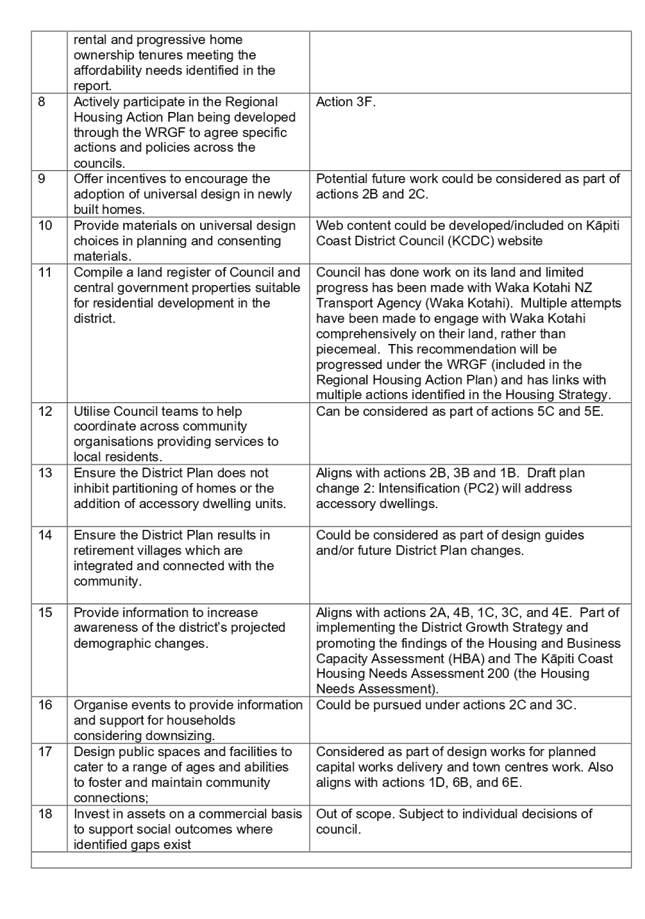
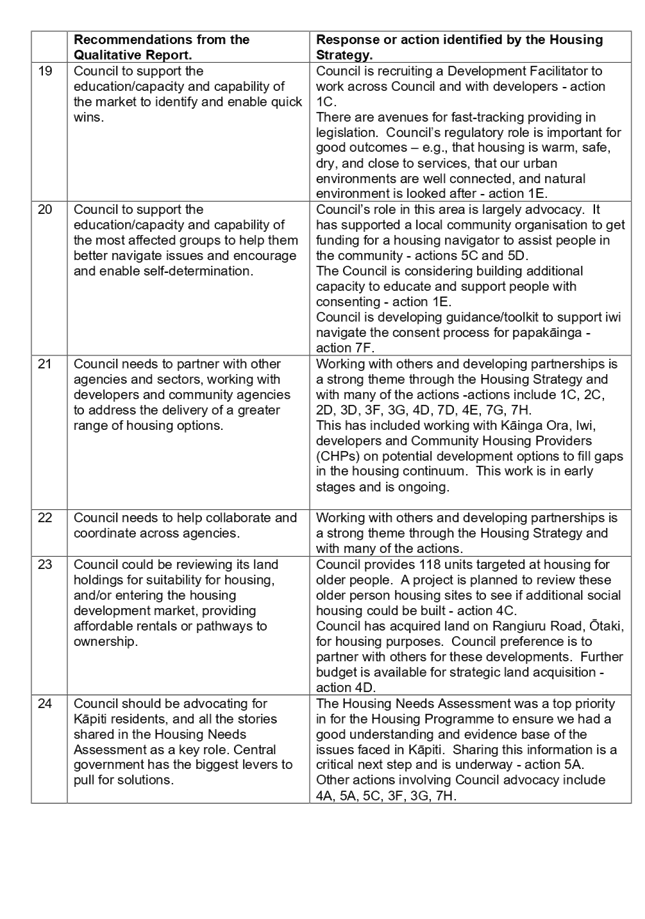
in Appendix two is a copy of a ‘Compilation of recommendations from the
Kāpiti Coast Housing Needs Assessment 2022 and commentary of related
actions in the Kāpiti Coast District Council Housing Strategy 2022’.
Te tuku haepapa
| Delegation
6 The
Strategy and Operations Committee has the delegated authority to consider this
matter.
Taunakitanga | RECOMMENDATIONS
That the
Strategy and Operations Committee:
a) Approve
the Kāpiti Coast District Council Housing Strategy 2022, subject to minor
editorial changes by the Chief Executive.
Tūāpapa | Background
7 The
development of a Housing Strategy for the Council follows on from the
following:
7.1 Kāpiti
Housing Programme Assessment report completed by The Property Group (TPG),
which was endorsed by Council in April 2020. This endorsement included agreeing
some initial actions while further work was done establishing a Housing
Programme. Council also considered Kāpiti Coast Communities Housing
Taskforce report at the same Council meeting in April 2020.
7.2 Community
consultation undertaken as part of the LTP development which sought feedback on
whether the Council should take a bigger role in housing and what that should
involve.
7.3 Completion
of a comprehensive Kāpiti Coast Housing Needs Assessment 2022 (report in
the Strategy and Operations Committee agenda, 12 May 2022).
7.4 A
series of discussions between council staff, officials from various government
agencies involved in housing, and iwi.
8 Preparation
of an ‘implementation strategy’ was one of the actions identified
as a key step to address the four issues identified in the TPG Housing
Programme Assessment report. This Housing Strategy delivers this.
9 The
community outcome ‘our people have access to suitable quality housing
in Kāpiti so that they can live and thrive’ was included in the
Long-Term 2021-41 Plan due to strong concern about the growing local housing
issues and to guide Council’s response to the district’s challenges
and opportunities.
10 During
the community consultation on the LTP, Council asked the community whether the
identified community outcomes are the right priorities for Council at this
time. The priority with the most support was ‘our people have access to
suitable housing’
11 ‘Access
to housing’ was identified as one of the districts ‘Big
Issues’ in the LTP Consultation Document. Majority of the support for the
Council to be involved in housing was ‘to have Council in the role of an
enabler’.
12 Through
late 2021 and early 2022 targeted engagement was completed with stakeholders
and interest groups to deliver the Kāpiti Coast Housing Needs Assessment
2022. This has been drawn from to assist with developing the Housing Strategy.
In addition, particular consideration has been given to what Council’s
role is and should be in the housing system, and how we can support filling in
gaps in the housing continuum.
13 At
regional level, the Wellington Regional Growth Framework is looking across the
whole region, so we get ‘joined-up’ planning. Housing supply,
affordability and choice is one of the four priorities recognised in this
framework and being progress under the umbrella of the Wellington Regional
Leadership Committee.
14 Briefings
on the Housing Strategy were held with Council on 9 November 2021, 1 March
2022, 5 April 2022, and 5 May 2022.
15 The
Housing Strategy has been developed in parallel to the Kāpiti Coast
Housing Needs Assessment 2022 which is being presented to the Strategy and
Operations Committee today.
He
kōrerorero | Discussion
16 In
the past, Council’s role in housing has focussed on the current provision
of older persons housing, and provision of infrastructure, facilities and
services and undertaking regulatory functions such as with the District Plan
and issuing consents.
17 The
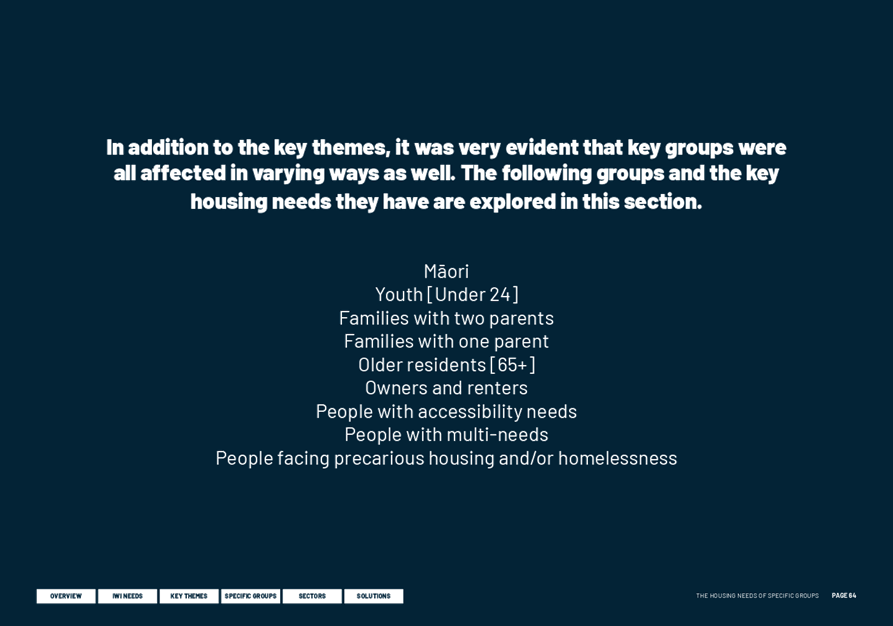
Kāpiti Coast Housing Needs Assessment 2022 shows a strong need for
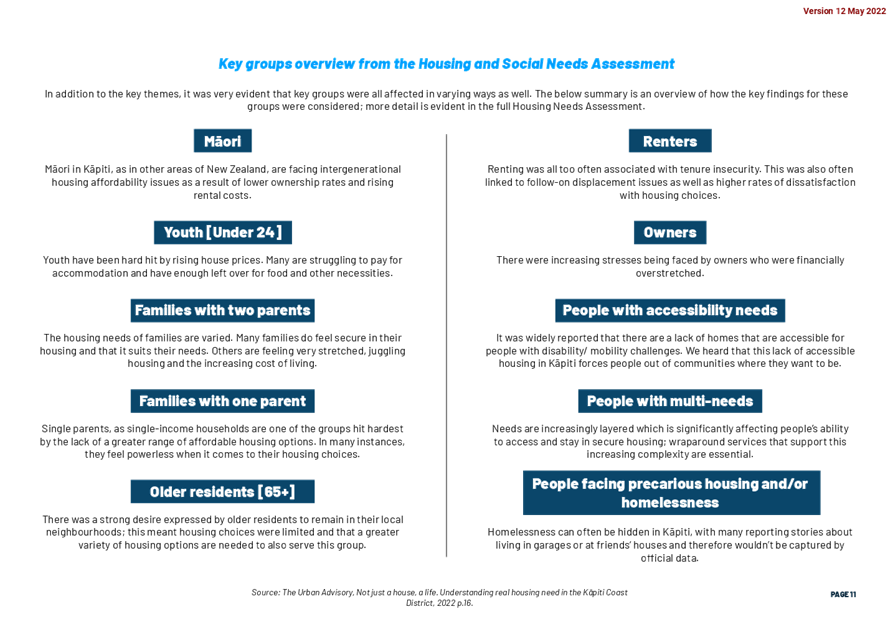
improved access to social and affordable housing in the district. All brackets
across the housing continuum are being affected by a housing system that is
failing and the underlying issues are compounding. While by some metrics,
Kāpiti is not seeing as much housing stress as other areas, that does not
reduce the significant impact current housing issues are having on individual
and community wellbeing in Kāpiti.
18 The
Kāpiti Coast Housing Needs Assessment 2022 formed a
foundation for setting Council’s priorities for future action by
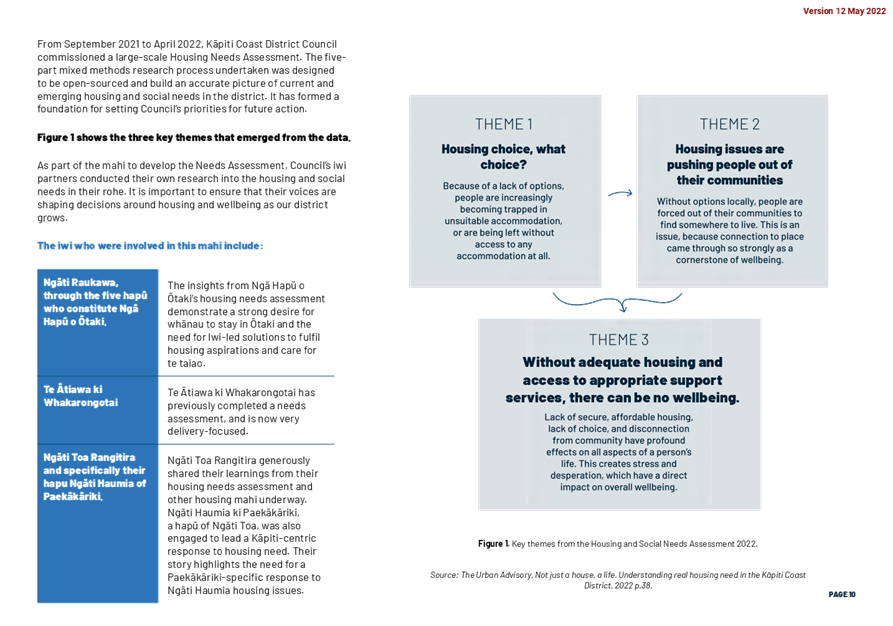
outlining three key themes:
· Housing choice,
what choice?
· Housing issues are
pushing people out of their communities
· Without adequate
housing and access to appropriate support services, there can be no wellbeing.
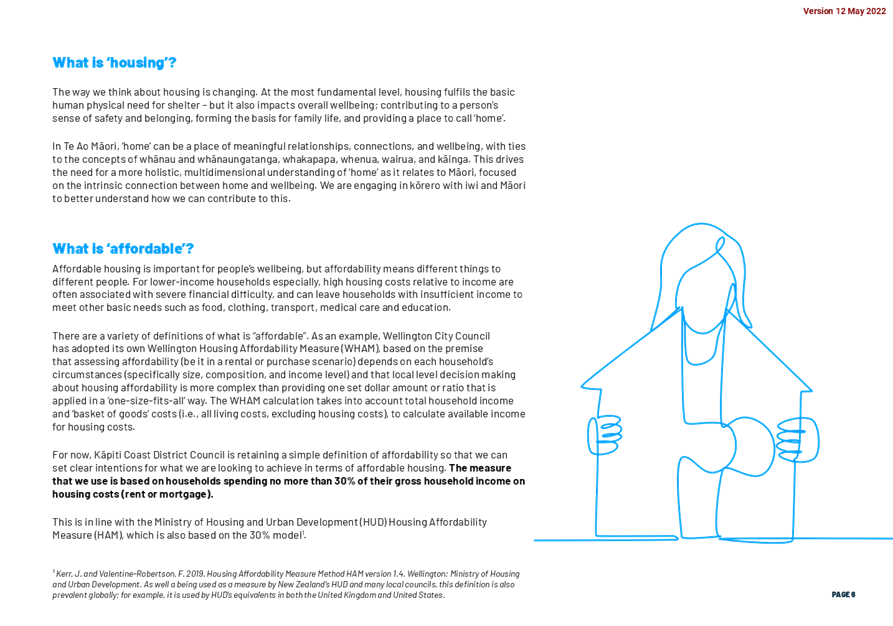
19 Affordable
housing is important for people’s wellbeing. The Housing Strategy
considers affordable housing to be based on households spending no more than
30% of their gross household income on housing costs (rent or mortgage). This
is aligned with the definition provided by the Ministry of Social Development.
20 According
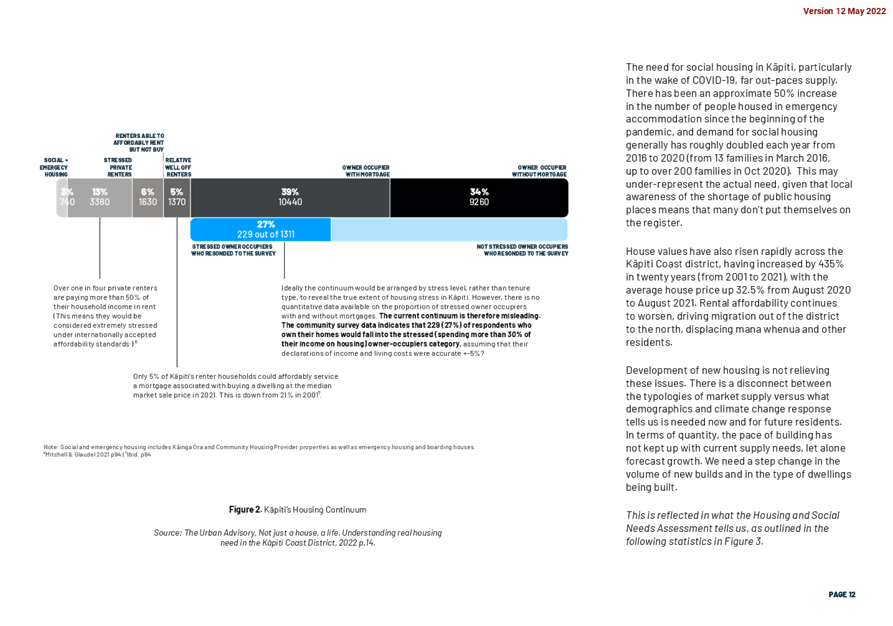
to the Kāpiti Coast Housing Needs Assessment 2022, at the
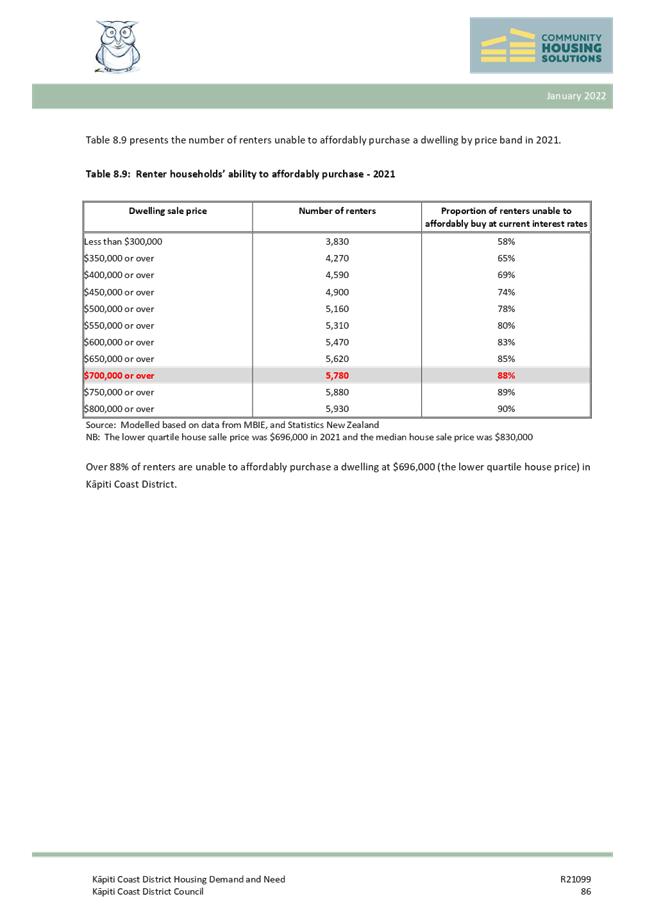
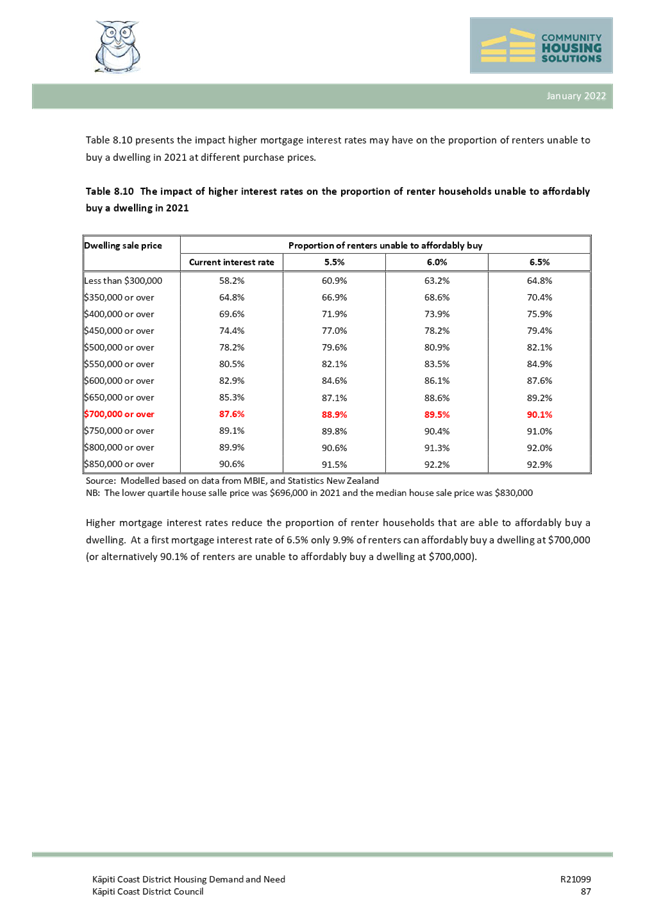
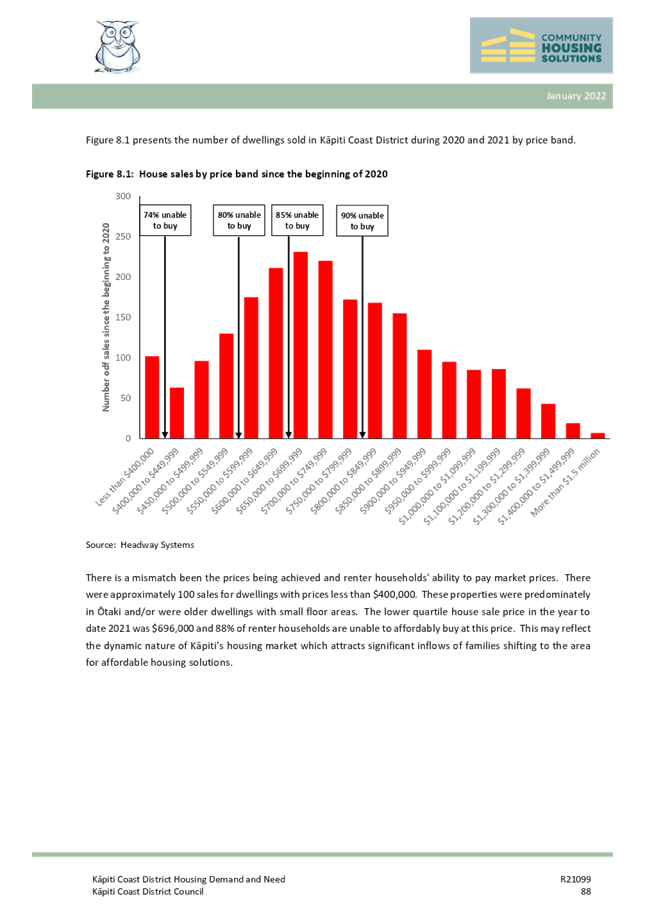
lower quartile house price of $696,000, 88% of renters are unable to affordably
purchase.
21 The
Long-Term Plan 2021-41 identified the following core actions for
Council’s role in increasing activities, supporting, and enabling
development in housing:
· Update the
district plan to ensure we are enabling sufficient development capacity.
· Work with
commercial developers to encourage and incentivise higher density development
in suitable areas.
· Review our
existing older persons housing complexes to see if we could redevelop to add
more housing.
· Explore if we can
partner with iwi, a community housing provider or central government.
· Pursue
opportunities to secure land suitable for housing.
22 To
build on this the Housing Strategy provides overarching direction and
principles to guide Council actions. It articulates what the
Council’s role is, what objectives we are seeking and sets out specific
actions the Council will take or contribute to over the short to medium term.
23 The
Housing Strategy is underpinned by multiple inputs (including the LTP
consultation and direction, the Wellington Regional Growth Framework housing
priority, and the findings from the Housing Needs Assessment reports) and sets
out a path forward for Council’s role and what actions we can take to
improve housing outcomes in Kāpiti, both on our own and working with
partners.
24 In
alignment with this, Council has recently refreshed our District Growth
Strategy, Tu Tupu Pai – Growing Well. Te Tupu Pai set outs the vision and
roadmap of growth in the District to sustainably accommodate an extra 30,000
residents over the next 30 years, based on current population forecasts.
It is based around the concept of ‘Growing Well’ and acknowledges
that there is changing demographics and lifestyle in the district, so a wider
range of housing options are needed to improve choice which better meets the
needs of the community and better enable affordable housing delivery.
25 The
development of the Kāpiti Coast Housing Strategy has considered wider
strategic goals for the district, and the need for strong alignment at a
national and regional level to ensure success. It has taken direction from
existing plans and strategies to deliver a coordinated approach across the
district, including the District Growth Strategy.
26 The
Housing Strategy shows that housing has a wide-reaching influence across
multiple areas so needs to be considered in a variety of contexts, as
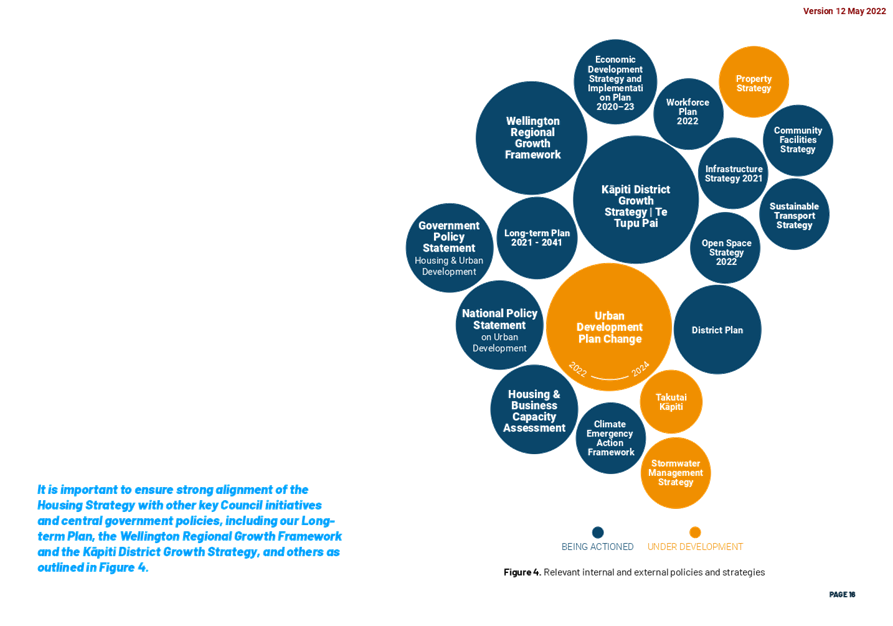
illustrated on page 16 of the Housing Strategy. The Housing Strategy has
alignment with a wide variety of both internal and external policies and
strategies to ensure consistent delivery across the Kāpiti Coast District.
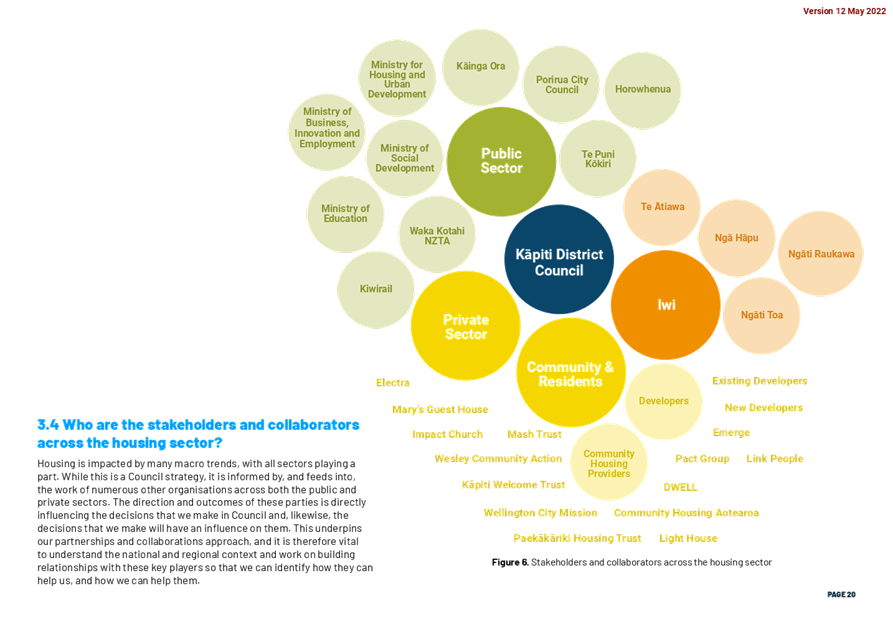
27 While
the Housing Strategy is a Council document, it is informed by, and feeds into,
the work of numerous other organisations across both the public and private
sectors. The direction and outcomes of these parties directly influences the
decisions that we make in Council, and in some cases more directly impacts on
housing outcomes in the district. Relationships and consideration of
stakeholders and collaborators identified on page 20 of the Housing Strategy
are vital in the development and delivery of the Housing Strategy.
He
take | Issues
Developing the Housing Strategy
28 The
Housing Strategy draws on the feedback from the community in the LTP
consultation process and from a range of input and conclusions drawn out
through the Housing Needs Assessment. It also brings together work from
across different parts of the Council which contribute to housing outcomes. A
range of recommendations about policy actions and responses were made in the
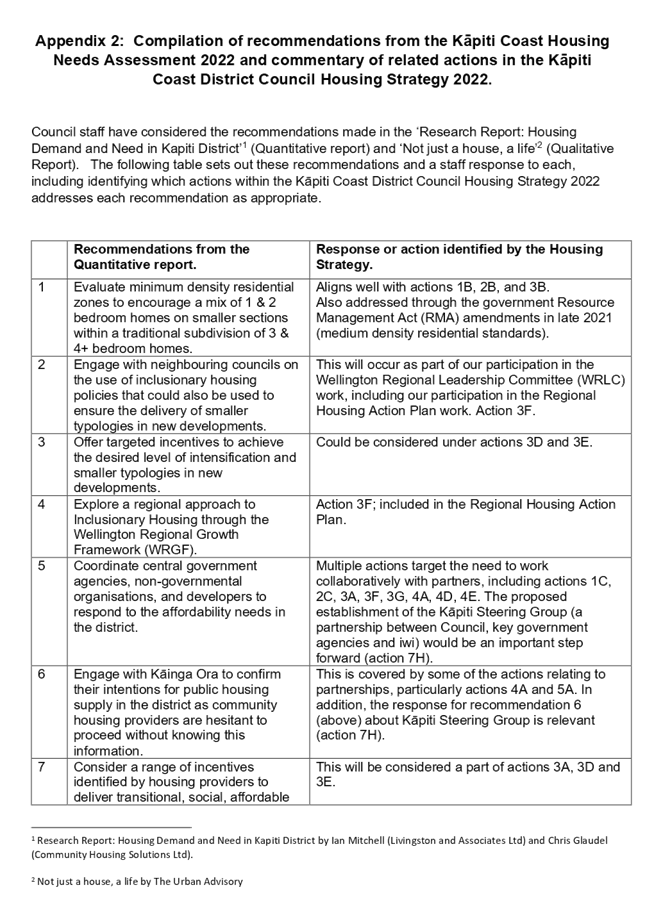
Housing Needs Assessment. Appendix two of this report illustrates how these
have been responded to in the Housing Strategy.
29 The
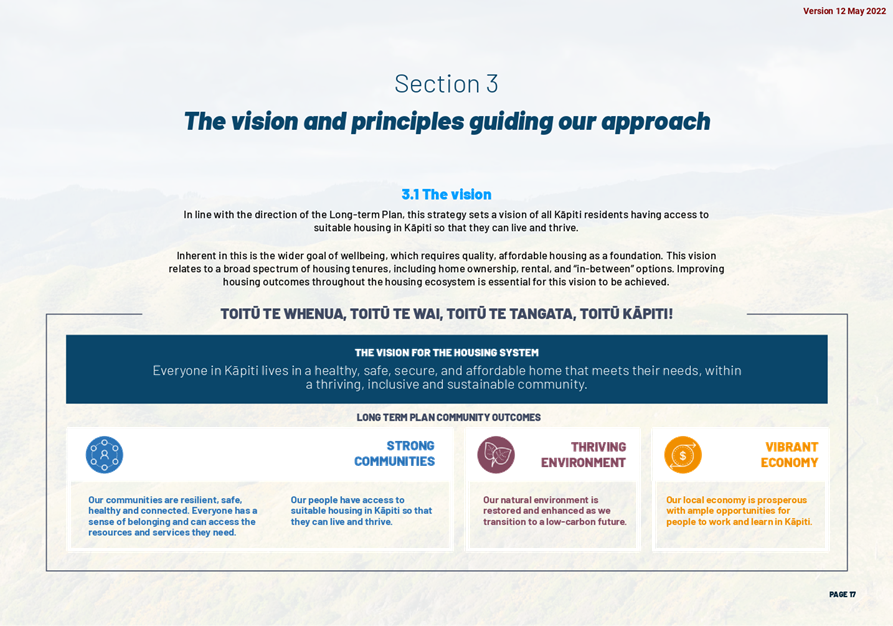
overarching vision of the Housing Strategy is “our people have access to
suitable housing in Kāpiti so that they can live and thrive” which
appropriately aligns with the LTP community outcome.
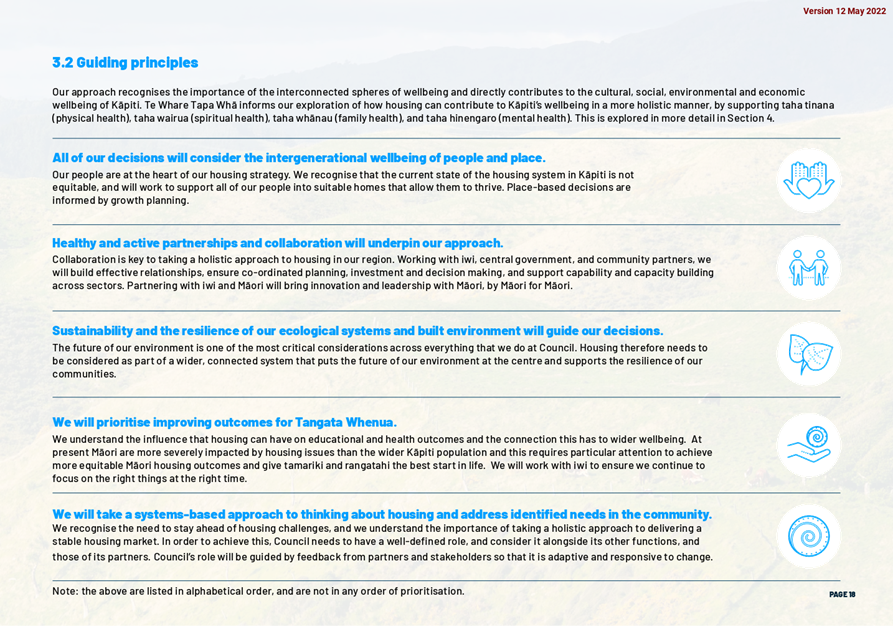
30 The
guiding principles in the Housing Strategy recognise the importance housing has
for a wide range of wellbeing outcomes:
· All our decisions
will consider the intergenerational wellbeing of people and place.
· Healthy and active
partnerships and collaboration will underpin our approach.
· Sustainability and
the resilience of our ecological systems and built environment will guide our
decisions.
· We will prioritise
improving outcomes for Tangata Whenua.
· We will take a
systems-based approach to thinking about housing and address identified needs
in the community.
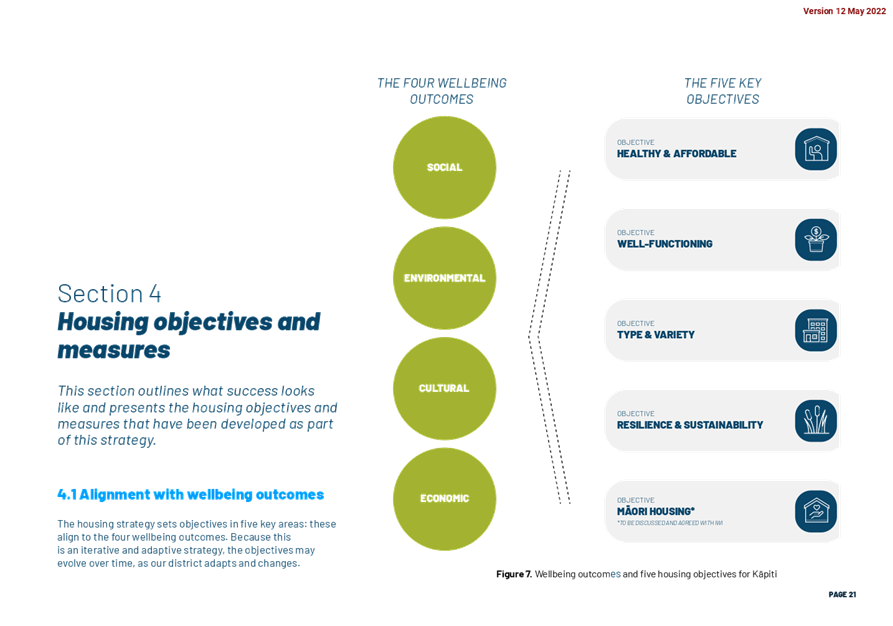
31 The
guiding principles in the Housing Strategy are supported by key objectives and
a suite of actions which are grouped to target the core issues identified in
the housing systems.
32 The
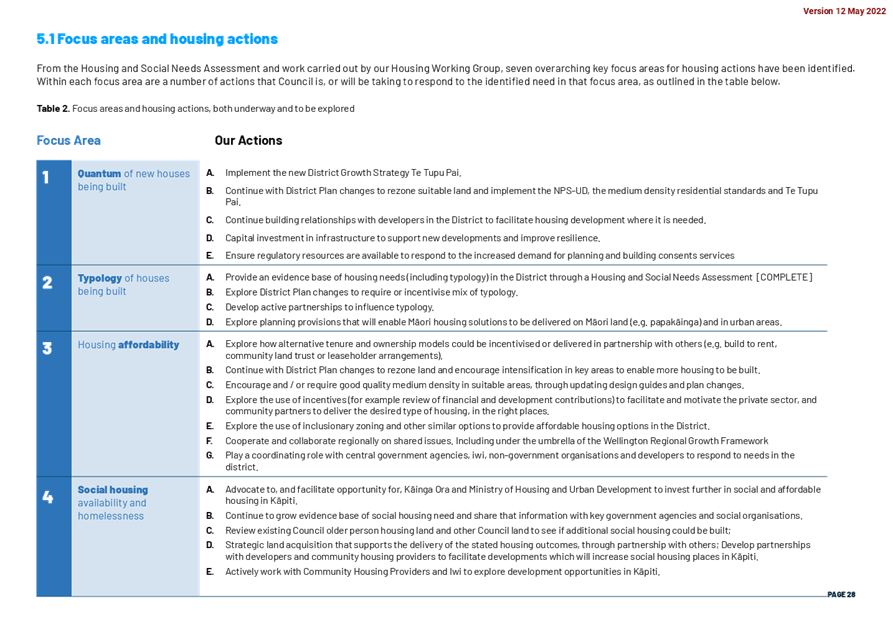
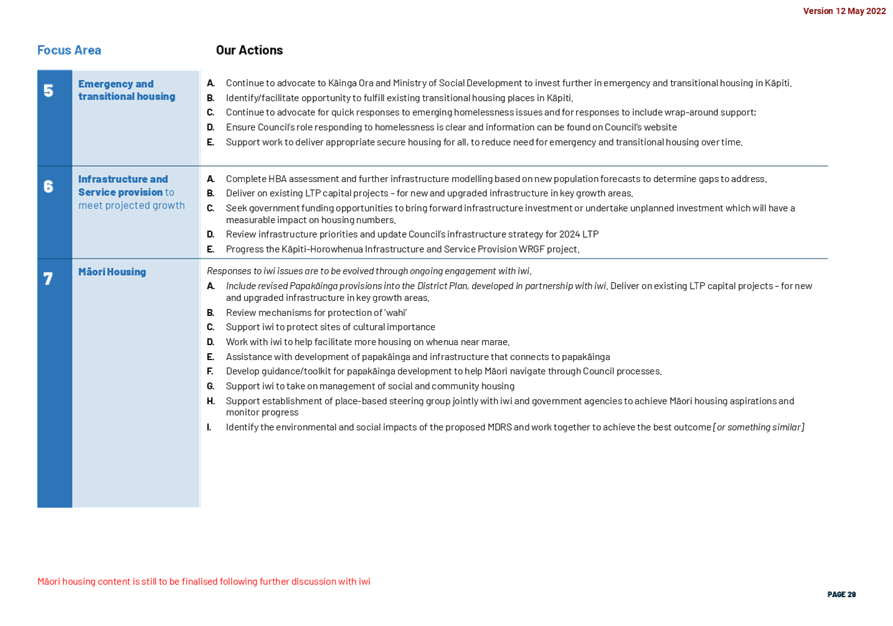
housing strategy sets out our current thinking about responses to housing
issues and what actions the Council intends to take in the short and medium
term and provides a foundation for developing longer term solutions.
33 The
actions have been developed as the contribution that Council can make towards
the district’s housing need. Some actions will be delivered through
Council statutory obligations while others will require further policy work or
public consultation for delivery.
Implementation of the
Kāpiti Coast Housing Strategy
34 Ongoing
engagement, consultation and partnership will be required to establish and
continue specific initiatives that need to be undertaken, to deliver the
strategic objectives of this strategy.
35 The
issues in the housing system which are contributing to the local housing challenges
have built up progressively over a long period of time. The scale of the
challenges means there are no single simple solutions, nor is there any single
organisation with the ability and mandate to fix the system. It will take
the actions of many different parties over time, working individually and
collectively, to make progress to improve housing outcomes. While the
Council does not have all the answers, it has an important part to play in
creating improvements to the current situation.
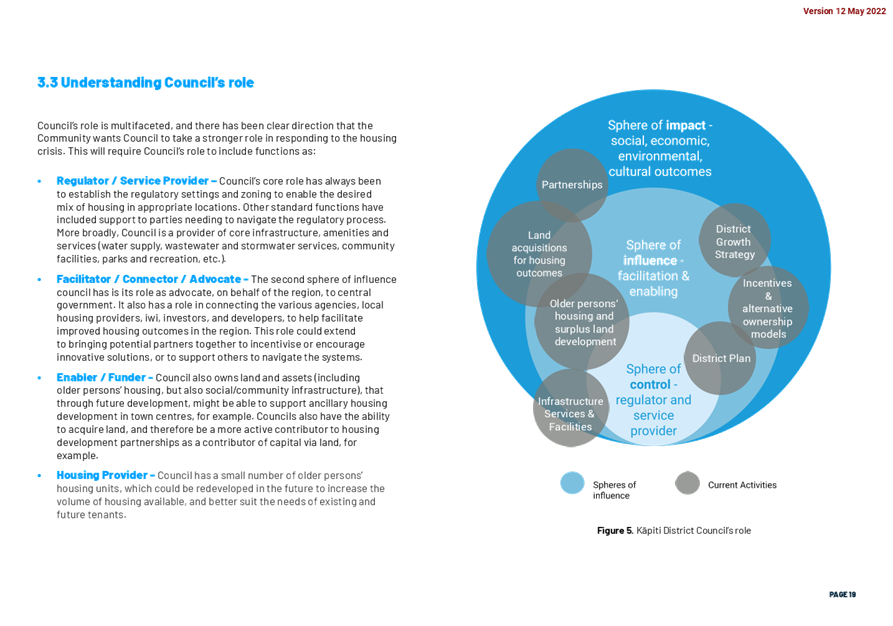
36 There
has been clear direction in the LTP that the community would like Council to
take a stronger role in responding to the housing crisis. Council is able to
carry out this role in multiple ways, such as:
· Regulator/service
provider through consenting and provision of infrastructure.
· Facilitation
through advocacy to central government and connecting potential providers
together.
· Funder/enabling
through current asset ownership and ancillary housing provision consideration
in other projects where appropriate e.g., town centres.
· A housing
provider, as Council current owns a small number of older person housing units.
37 The
delivery of the Kāpiti Coast Housing Strategy will require coordination
across different parts of the Council. The Kāpiti Coast Housing
Strategy provides clarity of the work streams that will influence the housing
outcomes. There are a number of actions that are already underway or have been
completed during the development of the Housing Strategy (for example the
Housing Needs Assessment).
38 The
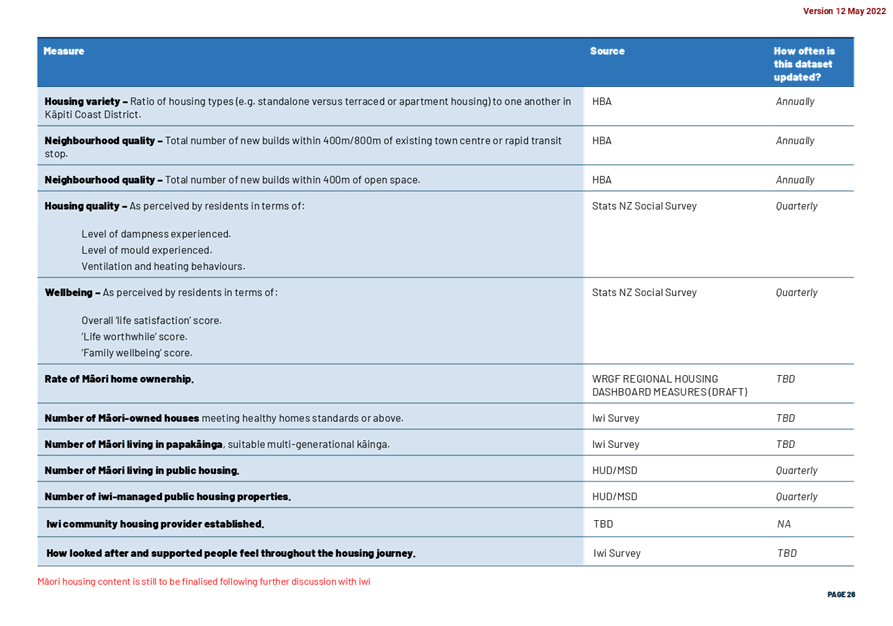
Housing Strategy identifies that not all actions can be completed
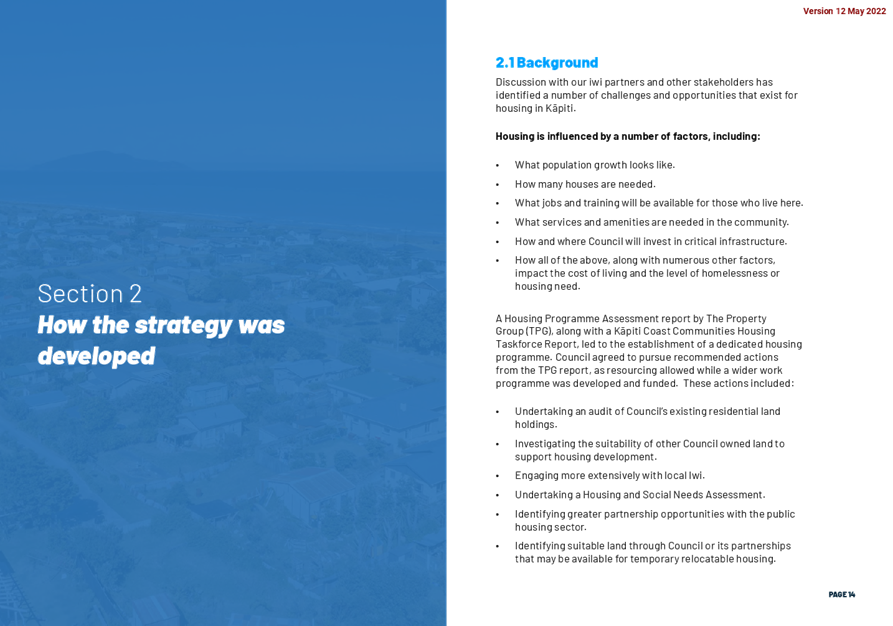
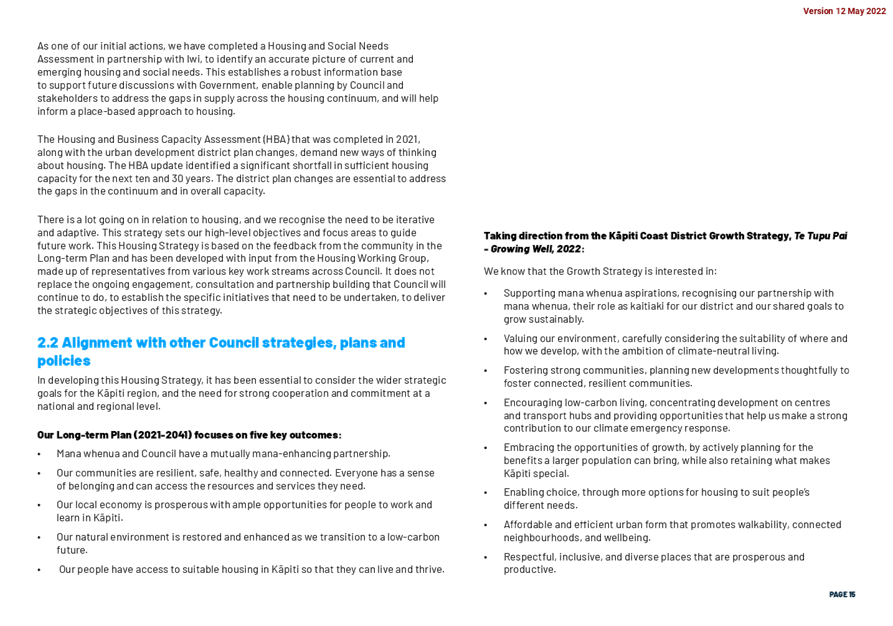
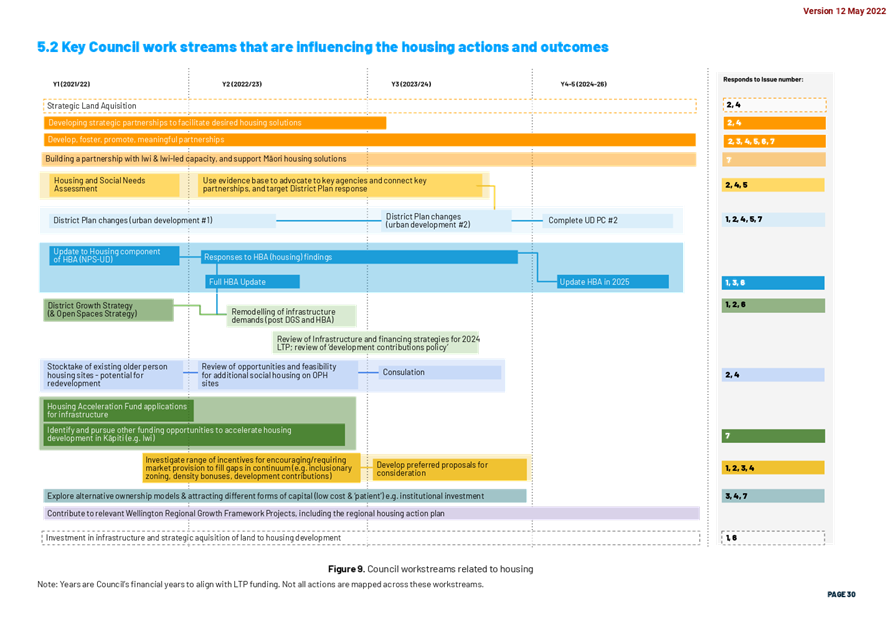
simultaneously. The figure in page 30 of the Housing Strategy helps to shows
the sequencing of delivery of workstreams. This focuses on priority timebound
actions. Sequencing will help ensure actions are carried out within
budget and resource constraints. Financial implications are further
discussed in paragraphs 45-47 of this report.
39 It
is proposed to complete annual monitoring across a suite of measures to track
progress on the core areas of housing. While many factors influencing the
pace of change are outside of Council’s control, it is still considered
important to understand whether progress is being made and to identify any
areas trending in the wrong direction. This can help signal whether
Council’s work programme needs to be updated to respond to the changing
landscape impacting the housing market.
Ngā
kōwhiringa | Options
40 Options for the issues raised in this report have been
outlined in the above discussion.
Tangata whenua
41 Identification
of Māori housing objectives and proposed actions have been developed
drawing from the iwi needs assessment information from all three iwi partners
and have been refined in discussion with Ngā Hapū o Ōtaki. Other
priorities have meant Te Ātiawa and Ngāti Toa
Rangatira have not been as involved as they would have liked.
42 “We
will prioritise improving outcomes for Tangata Whenua” is a key
guiding principle and objective for the Housing Strategy. This acknowledges
that current evidence shows that Māori in the Kāpiti Coast are more
severely impacted by housing issues than the wider Kāpiti population:
· 43% of applicants
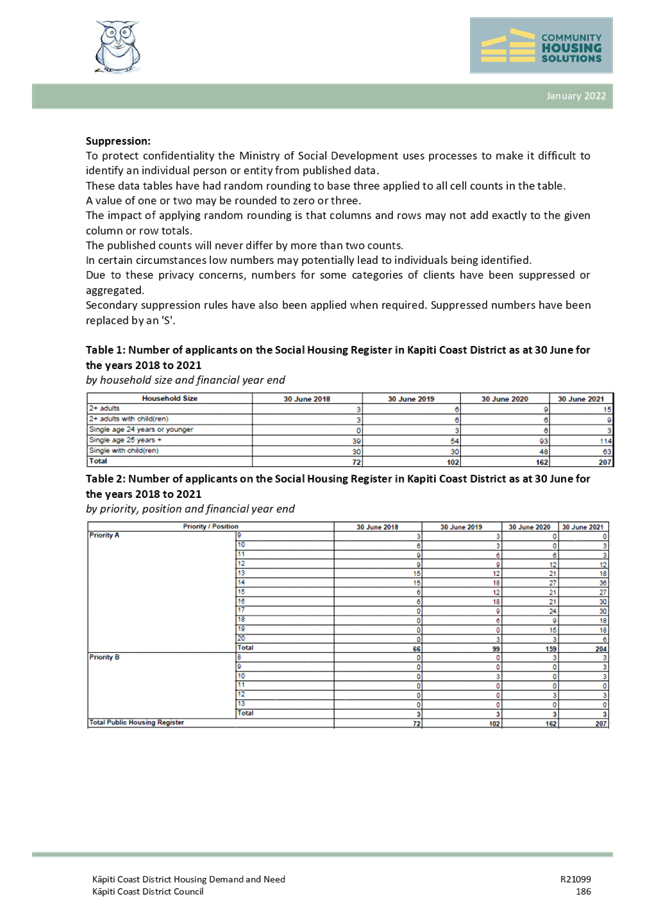
on the housing register are Māori.
· 45% of emergency
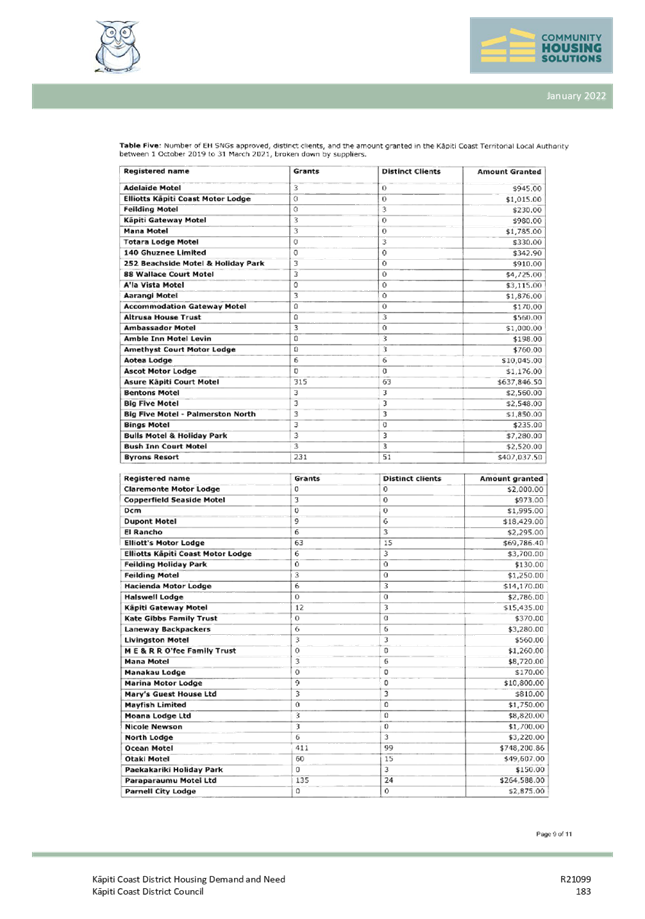
housing – special needs grants were made to Māori.
· Home ownership is
at 58% for Māori, compared to 78% for European descent.
43 The
inclusion of a specific principles, objective and actions related to Māori
housing illustrate that Council recognises it needs to take a supportive role
in helping to deliver Māori housing solutions. A range of actions
identified in the Housing Strategy will help achieve better housing outcomes
for Tangata Whenua. On-going conversations will be valuable between Iwi and
Council to develop shared understanding and agreement on the Council’s
role as part of some actions. In addition to those actions explicitly
grouped as Māori housing actions, a range of other
broader actions will also have positive benefits for Māori housing.
Panonitanga āhuarangi | Climate change
44 A
key guiding principle for the Housing Strategy is ‘sustainability and
the resilience of our ecological system and build environment will guide our
decisions’. The guiding principle outlines that housing needs to be
considered as part of a wider, connected system that puts the future of our
environment at the centre. This is consistent with the approach taken to
growth in Te Tupu Pai Growing Well – out strategy for enabling
sustainable growth in Kāpiti.
45 When
the community was asked in the Housing Needs survey what it means to thrive and
live well in Kapiti, parks, green spaces, and nature and looking after the
environment (and to a slightly lesser extent walkability and cycling/biking)
came through strongly (see page 60 of Not just a life, a home by The Urban
Advisory as part of the Kāpiti Coast Housing Needs
Assessment 2022). This means that multiple objectives can be achieved
through having compact, well-designed, and planned urban areas with greater
housing options and a variety of transport connections, and which ensure that
development takes into account natural hazard constraints.
46 The
resilience and sustainability objective within the Housing Strategy considers
that new homes meet or exceed Climate/Carbon measurements and Healthy Homes
benchmarks.
Ahumoni me ngā rawa | Financial
and resourcing
47 In
the Long-Term Plan 2021-41 there is budget allocated across the first three
years to enable Council’s bigger role in housing. The allocated budget in
2022-23 and 2023-24 will support the delivery of key actions of the housing
strategy as sequenced. However, this budget allocation will not be
sufficient to complete all actions identified in the Strategy, and that further
work is necessary to scope and plan some actions to determine full budget
requirements.
48 For
some actions additional budget may include capital expenditure to fully realise
the benefits. For example, the review of older person housing land, and
other council land intended for build additional social or affordable housing
requires preliminary development work to be undertaken before coming back to
Council to seek decisions on options, including financial and any partnerships
arrangements. Another example is the action to consider incentives (such
as varying from the current development contribution approach) will need to
consider the budgetary impact of any incentives.
49 As
further work progresses delivering on the Housing Strategy actions, key
decisions including on additional funding, will be brought back to Council as
appropriate. Where necessary additional budget will be sought through the
Annual Plan 2023/24 and next Long-Term Plan.
Ture me ngā Tūraru | Legal
and risk
50 There were no specific legal considerations relevant to the
approval of this document.
51 There
will be opportunities for direct public input into a range of the
implementation activities identified in the Housing Strategy. Council will
consult on actions such as the older persons housing review (see paragraph 20)
and other areas where we need to meet requirements under the Local Government
Act or Resource Management Act.
Ngā pānga ki ngā kaupapa here | Policy impact
52 The strategic direction set in the LTP includes strong
emphasis on housing and investing to support this. Key outcomes the housing
strategy contributes to in the LTP are:
· Our people have access to suitable housing in Kāpiti
so that they can live and thrive.
· Mana Whenua and Council have a mutually mana-enhancing
partnership.
· Our communities are resilient, safe, healthy and connected.
Everyone has a sense of belonging and can access the resources and services
they need.
53 The housing strategy also identifies links between it and
Council’s other strategies and policies such as:
· Long Term Plan 2021-41
· Te Tupu Pai – Growing Well (the District Growth
Strategy)
· District Plan Changes, including Plan Change 2
Te whakawhiti
kōrero me te tūhono | Communications & engagement
Te mahere tūhono | Engagement
planning
55 This
matter has a low level of a significance under Council’s Significance and
Engagement Policy.
56 An
engagement plan is not needed to implement this decision.
Whakatairanga |
Publicity
57 Council will use its established
communications channels to inform the community of this decision and relevant
work associated with the completion of the Housing Strategy.
58 A communications plan has been
developed to inform the community and key stakeholders of Council’s
decision and the further work associated with the wider housing programme.
Ngā āpitihanga | Attachments
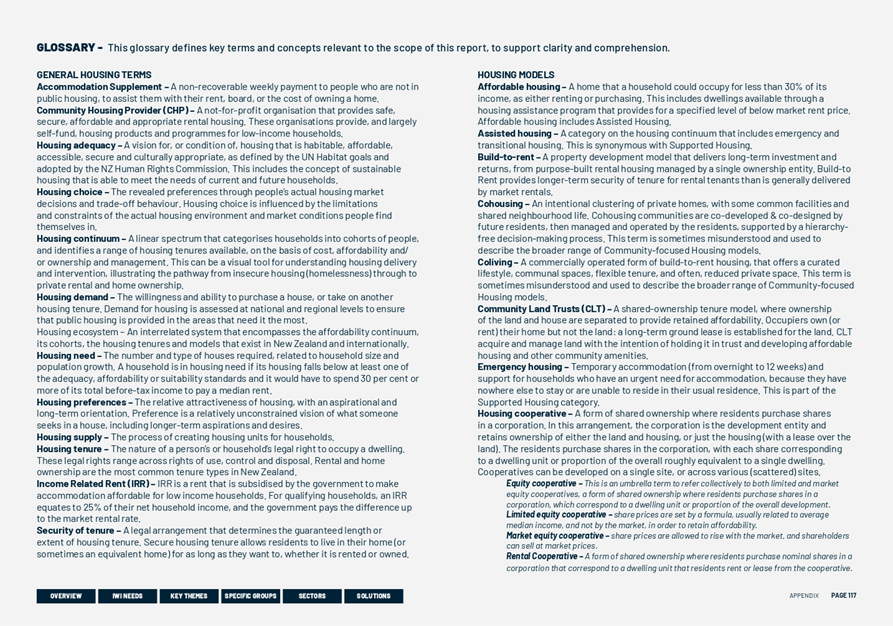
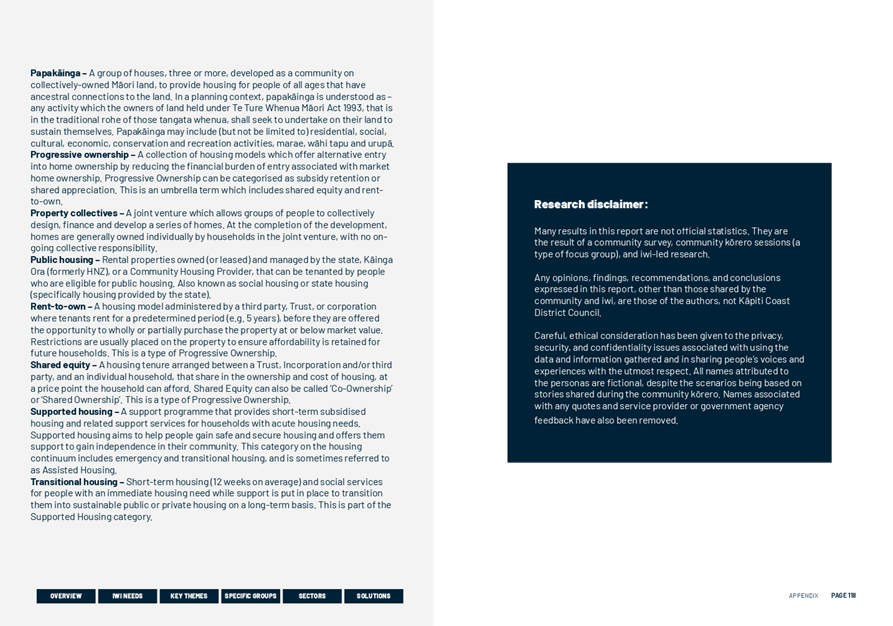
1. Kāpiti
Coast District Council Housing Strategy 2022 ⇩ 
2. Compilation
of recommendations from the Kāpiti Coast Housing Needs Assessment 2022 and
commentary of related actions in the Kāpiti Coast District Council Housing
Strategy 2022 ⇩ 
|
Strategy and
Operations Committee Meeting Agenda
|
12 May 2022
|
|
Strategy and Operations Committee Meeting
Agenda
|
12 May 2022
|
8.4 2022-2024
Social Investment Fund - Ōtaki Allocation and Appointment of Districtwide
Panel
Kaituhi |
Author: Claire
Rewi, Programme Advisor (Social)
Kaiwhakamana
| Authoriser: Janice McDougall, Group Manager People and
Partnerships
Te pūtake |
Purpose
1 This
paper outlines the next steps for the $50,000 to address inequity in Ōtaki
through the Social Investment Fund.
2 This
paper also seeks to establish a working group to appoint an independent
evaluation panel to make recommendations to Council for the allocation of the
Districtwide Social Investment Fund.
He
whakarāpopoto | Executive summary
3 This
paper seeks approval on the approach and process for the $50,000 allocated
through the Long-term Plan for the Ōtaki Social Investment Fund, and to
appoint members of the Strategy and Operations Committee to select the
independent panel for the Districtwide Social Investment Fund.
Te tuku haepapa
| Delegation
4 Council
has delegated authority to consider this under section A.2 of the 2019-2022
Triennium Governance Structure and Delegations.
Taunakitanga | RECOMMENDATIONS
It is recommended that the Strategy and Operations
Committee:
A. Agrees Year One funding (2022/23) for the
Ōtaki Social Investment Fund be used to establish priorities for social
investment to reduce inequity in Ōtaki, to inform the development and
funding of programmes for years two and three of the current funding round
(2023/24 and 2024/25).
B. Agrees the independent evaluation panel to
make recommendations to Council on the Districtwide Social Investment Fund will be selected by the
following councillors and staff:
o Mayor Gurunathan
o Deputy Mayor Janet
Holborow
o Chair of the Strategy
and Operations Committee – Councillor James Cootes
o Social Wellbeing
Portfolio holder – Councillor Rob McCann
o Group Manager People and
Partnerships - Janice McDougall
Tūāpapa | Background
5 In
December 2017 Council adopted priorities and guiding principles to underpin the
Social Investment Programme.
6 In
2018 the Social Investment Programme commenced to provide financial support to
community not-for-profit organisations. This shifted historical
non-contestable community contracts and grants to a contestable investment
programme based on priorities and achieving pre-set outcomes.
7 In
June 2018 Council resolved to allocate funding to the community
organisations. This funding was for activity in 2018/19, 2019/20 and
2020/21. The resolution was supported by recommendations from an
independent evaluation panel.
8 In
December 2021, in-light-of the pandemic and to ensure continued support to the
community, Council agreed to implement a phased approach to social investment
through an interim Social Impact Grants process. This was to provide
immediate, one-off funding to support community work during the COVID-19
response.
9 At
this time Council agreed to two separate pools of Social Impact Grant funding:
9.1 Districtwide:
$320,000 with an individual grant range of between $10,000 to $30,000; and
9.2 Ōtaki:
$50,000 with an individual grant range of between $5,000 and $10,000 to be
allocated specifically to initiatives that would benefit Ōtaki and address
equity issues. Organisations applying to this Ōtaki fund were also
eligible to apply to the districtwide fund.
10 On 7 April 2022 Council approved funding
totalling $320,000 to 19 organisations in the districtwide fund, and $50,000 to
five organisations in the Ōtaki fund.
11 A new allocation of $50,000 per annum for
Ōtaki place-based initiatives was acquired through Council’s
Long-term Plan 2021-41.
12 With the one-off Social Impact Grants
allocated, council staff are now focused on the three-year funding through the
Social Investment Fund. Expressions of interest for the Districtwide
Social Investment Fund opened on 20 April 2022 and close on 20 May 2022.
13 Council staff are now working through next
steps for the $50,000 Ōtaki Social Investment Fund to ensure it targets
inequity as intended by elected members.
He
kōrerorero | Discussion
14 It is proposed that the process used in
the development of the Social Investment Programme is adopted for the
Ōtaki Social Investment Fund.
15 The process involved setting up an
advisory group to advise Council on priorities and outcomes on where the
funding should be focused and directed. The advisory group examined the wide
range of community needs and social challenges from current issues, emerging
issues, and potential issues.
16 The data, knowledge and evidence were
informed by local research including workshops held by council with local
social sector organisations, research into practices of other local
authorities, philanthropic organisations and other experts.
17 A set of three priority outcomes was
recommended with six guiding principles which underpin the process.
18 Year one of the funding for Ōtaki
through the Social Investment Fund could be used to establish an advisory group
to identify these issues and advise on priorities and outcomes. The six
guiding principles would continue to underpin the process.
19 This will ensure funds provided through
the Social Investment Programme address the identified issues and inequities
and provide a consistent approach.
20 Opportunities exist to start the
process. Through the Social Impact Grants, Ngā Hapū o
Ōtaki was allocated $35,000 for the provision of research into identifying
the barriers to keeping Ngā Hapū o Ōtaki whanau connected.
This research is to be completed by December 2022.
21 Additionally, Te Puna Oranga o Ōtaki
has been successful in receiving phase three funding from Te Arawhiti to
implement their programme Tirohia, named from their Pou Ahorangi, Rawiri
Rikihana. This research programme will conduct a post-covid survey to
investigate the needs of the community. Five people will be employed to
conduct the survey and a focus group is being established which is made up of a
cross-section of the community including but not limited to organisations and
individuals working in health, education, social sector, rangatahi and
business. Council is supporting through the Connected Communities
team. This survey is due to be completed 30 June 2022.
22 It is anticipated that these two bodies of
work will provide a solid foundation to inform the advisory group to assist
with determining the inequities, issues and needs in Ōtaki.
23 Once the priorities and outcomes are
determined, the process of calling for expressions of interest, proposals for
funding and recommendations for funding will continue the same structure as the
Districtwide Social Investment Fund for the remaining two-year period.
Establishment of an independent panel to
review expressions of interest for districtwide funding
24 In
2018 when the first round of the Social Investment Fund was allocated, an
independent panel was established to review the initial expressions of interest
from organisations. The panel then made recommendations to Council on
which expressions of interest they believed should proceed to full
proposals. The independent panel was selected by elected members with the
panel being made up of individuals with a range of expertise, experience and
knowledge of the needs and aspirations of Kāpiti
communities.
25 It
is proposed that a panel of up to five members be established for the current
round of funding. To enable this, in the timeframes required, it is
proposed that the panel membership be agreed by a working party made up of the
following councillors and staff:
· Mayor
Gurunathan
· Deputy
Mayor Janet Holborow
· Chair
of the Strategy and Operations Committee – Councillor James Cootes
· Social
Wellbeing Portfolio holder – Councillor Rob McCann
· Group
Manager People and Partnerships – Janice McDougall
26 A
call for expressions of interest for the panel is currently advertised. If
necessary, the working party (working with the Connected Communities team)
could also directly approach and appoint members to ensure the required mix of
expertise, experience and knowledge needed for the panel.
He
take | Issues
Ōtaki
Social Investment
27 Consistency
of approach with the establishment of the initial Social Investment Fund will
ensure that the funds are used to the greatest impact for the community.
It would be anticipated that the process will be able to get underway by the
end of this year. Council will be further updated at that time.
Establishment
of Independent Panel
28 Expressions
of Interest are being advertised for independent panel members to apply.
Applications for panel members will close on 16 May, for the appointed members
of the Strategy and Operations Committee to appoint members to the panel later
that week. It is anticipated that the panel will be a selection of experts with
a range of experience and expertise to assist with the process, they will have
good local knowledge of Kāpiti and will be able to assess the expressions
of interest for the social investment fund and determine which applications
they recommend should proceed to the next stage.
29 It
is expected that the independent panel will meet in the week of 30 May to make
recommendations to the Council at its meeting on 30 June.
Ngā
kōwhiringa | Options
30 For
the Ōtaki social investment funding, there was the option to proceed
straight to seeking expressions of interest for programmes for the 2022/23
year, without Otaki-specific criteria having been established. However, staff
could not be confident that this would address the inequities in Ōtaki as
intended.
31 For
the appointment of an independent panel, membership could be agreed by the full
Council or Strategy and Operations Committee. However, the impacts of COVID-19
and associated delays to the current funding round, mean there is insufficient
time available to proceed in this way without creating further delays to the
programme.
Tangata whenua
32 The
social investment fund is outcomes-based and puts iwi prosperity and iwi
aspirations at the fore, as key principles for improving social outcomes that
contributed to community wellbeing.
33 The
funding model also embeds an equity framework that reinforces the tiriti
principle of tino rangatiratanga (iwi-led initiatives to achieve iwi
aspirations) to facilitate Māori whakairo (Māori thinking and
understanding) to enhance outcomes.
34 Ensuring
the appropriate allocation of Council funding to Ōtaki to address inequity
and have the greatest impact will benefit mana whenua, and meet the
Council’s obligations to Māori under the Treaty of Waitangi, Local
Government Act 2002 and other relevant legislation.
Examples:
® In recognition of the Crown’s
responsibility under the Treaty of Waitangi, the Local Government Act sets out
principles and requirements for Council to facilitate Māori participation
in all decision-making processes, which includes appropriate consultation with
Māori on different issues (refer section 4, Parts 2 and 6 of the Local
Government Act). Council’s Long-term Plan 2021-41 commits to an enduring
relationship between Mana Whenua and Kaunihera (Council) at the heart
of our activities for the community and the wider relationships that surround
us. As mana whenua of
the Kāpiti Coast District, Council has been guided by the views of its iwi
partners and has consulted with each iwi partner separately on the matters
proposed in this report.
® The matters in this report relate to Kāpiti Coast Airport land.
The land is currently subject to a number of active Waitangi Tribunal claims.
The Council is committed to upholding a meaningful with partnership with mana
whenua and recognises the important of Waitangi Tribunal processes to its iwi
partners. To this end, Council is committed to ensuring that Council decisions
are consistent with its partnership obligations with iwi.
Panonitanga āhuarangi | Climate change
35 One
of the social investment principles guiding investment in positive social
impacts is:
· Sustainability
- organisations and initiatives encourage innovation and work towards becoming
sustainable in all respects, including environmentally.
Examples:
® This decision will have a positive
impact on Council’s ability to respond to the impacts of climate change.
Council is aware that this specific location is prone to flooding. In
July 2016, a one-in-30-year storm event caused X number of properties to flood
in this area. As was identified in the 2018 LTP, an upgrade was then
planned for this location to increase the pipe size, thereby allowing for
greater resilience in high rainfall events.
® This decision to install
larger waste bins in well used parks means less frequent emptying is needed,
resulting in less transport which will reduce emissions and save fuel costs and
staff time.
Ahumoni me ngā rawa | Financial
and resourcing
36 A new allocation of $50,000 per annum for
Ōtaki place-based initiatives was acquired through Council’s
Long-term Plan 2021-41.
Ture me ngā Tūraru | Legal
and risk
37 No
legal risks are identified at this time. However, at the time of funding
decisions some decision makers may be closely connected to organisations who
make funding applications. If elected members have a conflict they should
abstain from voting or participating in the debate at the Council Meeting.
Examples:
® The proposed activity will involve the
collection of personal information and as such, a privacy impact statement has
been undertaken to ensure the activity meets requirements in the Privacy Act
2020.
® Legal advice has been sought from
Council’s Senior Legal Counsel to inform the options set out above.
Ngā pānga ki ngā kaupapa here | Policy impact
38 This
matter has a low level of significance under Council’s Significant and
Engagement Policy.
Te whakawhiti
kōrero me te tūhono | Communications & engagement
Te mahere tūhono | Engagement
planning
39 Engagement
was undertaken in 2017 to develop the Social Investment Programme. We will
continue to build on the engagement plan to reflect the decisions made in this
paper.
Examples:
® An engagement plan is not needed to
implement this decision. Council will communicate this decision through its established
communication channels.
® At this early stage in the process, the
engagement plan is focused on informing the community of proposal and
encouraging community feedback through a range of activities.
® An engagement plan has been developed to support
consultation on Council’s proposal. Refer to Attachment 1.
® Council has recently consulted on this
strategy. Council will engage a range of communication channels to inform the
community and key stakeholders of Council’s decision and to explain the rationale
for why it made that decision.
Whakatairanga |
Publicity
40 Decisions
on the recommendation in this report will be communicated as part of the
ongoing Social Investment programme and communications activity.
Examples:
® Council will use its established
communications channels to inform the community of this decision and to explain
the rationale for why it made this decision.
® A communications plan has been developed to
support communications with the community and key stakeholders about this
issue.
® A communications plan has been/will be
developed to inform the community and key stakeholders of Council’s
decision and to explain the reasons for its decision.
Ngā āpitihanga | Attachments
Nil
8.5 Stormwater
Management Framework Engagement
Kaituhi |
Author: Rita
O'Brien, Stormwater & Coastal Engineer
Kaiwhakamana
| Authoriser: Glen O'Connor, Access and Transport Manager
Te pūtake |
Purpose
1 This
paper provides an update on the development of the Stormwater Management
Framework [SMF], and requests approval to engage with the community on the
draft SMF vision, values and outcomes.
He
whakarāpopoto | Executive summary
2 An
executive summary is not required for this report.
Te tuku haepapa
| Delegation
3 Under
the 2019-2022 Triennium Governance Structure and Delegations, the Strategy and
Operations Committee has the authority to consider this matter.
Taunakitanga | RECOMMENDATIONS
A. That
Strategy and Operations Committee:
A.1 note
this update on the development of the Stormwater Management Framework [SMF],
and
A.2 approve
community engagement on the draft SMF vision, values and outcomes
Tūāpapa | Background
4 The
health of our waterways and the community’s relationship and use of water
is impacted by the way we manage our stormwater. Increased urbanisation of our
district and the impacts of climate change are putting pressure on our
stormwater network and the waterways that we rely on to take rainfall to the
sea.
5 Te
Mana o te Wai is a cornerstone of the Freshwater National Policy Statement
[NPS]. The NPS, which came into effect on 3 September 2020, sets out the
objectives and policies for freshwater management under the Resource Management
Act 1991. It requires freshwater to be managed in a way that ‘gives
effect’ to Te Mana o te Wai and places an emphasis on
improving degraded water bodies and maintaining or improving all other water
bodies using bottom lines defined in the NPS and through the Whaitua
process.
6 Te
Mana o te Wai draws on a te ao Māori perspective that
recognises the whole of system approach to water.
7 To
give effect to Te Mana o te Wai, Council must reframe its traditional
approach to freshwater management because Te Mana o te Wai requires us
all to acknowledge the interconnectedness and interrelationship of all living
and non-living things, and the need to understand whole systems, not just one
part or one component.
8 Three
important principles of Te Mana o te Wai are:
· PROTECT:
Water has a right to thrive without being degraded or overused by human
activity; access to water is a privilege that comes with responsibilities.
· ENABLE: When
the first right is being delivered, we as humans must live within the limits
set by the natural environment to sustain ourselves. Our approach must enable
sustainable use, and value water from a cultural, recreational and economic
perspective.
· REGENERATE:
We have created damage through our current relationships with the water so we
will need to take responsibility to invest in regeneration and restoration. We
share this responsibility with others and must work to ensure everyone plays
their part in improving our waterways.
1
9 In
addition to the above, a number of statutes set out the requirement to minimise
flood risk and adapt to climate change:
· Soil
Conservation and Rivers Control Act 1941 S10 and S126
· Local
Government Act 2002 – S3 and S10
· Local
Government Act 1974 – S446, S509, S511, S512 [we could be ordered to
clear streams]
· Land
Drainage Act 1908 – S17, S62, S63 [we could be ordered to clear streams]
· Civil
Defence Emergency Management Act 2002 – S3(a), (b), (d)
· Resource
Management Act 1991 – S6(h), S62(1)(i)
10 When
considering any activity involving stormwater, there is a need to address the
hierarchy within the NPS, while giving effect to the other statues and
requirements requiring the mitigation of the effects of flooding and climate
change; and for the provision for growth and urban intensification.
11 At
times, it can be difficult to reconcile Council’s mandate to give effect
to Te Mana o te Wai and the NPS with Council’s other directives to
minimise flood risk, adapt to climate change, and provide for urban development
and growth. The Stormwater Management Framework is intended to be the
umbrella which links all the specific components of stormwater management
together, of which there are quite a few such as:
· the
stormwater management strategy developed in accordance with Schedule N of the
proposed Natural Resources Plan [primarily focussed on water quality],
· the concept
of hydraulic neutrality,
· climate
change projections,
· levels of
service,
· the
development contributions policy,
· the update
of our flood hazard maps,
· the update
of our engineering code of practice [SDPR / MLDR],
· Council’s
capital and operational works;
· The
development and enforcement of bylaws, and
· The
development of educational material, such as guidance on how to maintain ponds
and soakpits.
12 An
important consideration has also been how the framework links across all of
Council’s planning and strategic work streams, i.e., the growth strategy;
the open space strategy; and the climate change and resilience framework, as
well as other national and regional initiatives, i.e., the Kapiti Whaitua,
Waikanae ki uta ki tai and the three waters reform.
13 To
respond to these challenges, the Council has established a Stormwater
Management Steering Group. This steering group is discussed further in
the section below on tangata whenua.
He
kōrerorero | Discussion
Vision and
Values:
14 The
SMF’s draft vision for stormwater management in Kāpiti is where
water is given space to flow from the hills to the sea; the health of our water
bodies is enhanced and restored; communities are thoughtfully planned to be
protected from flooding and resilient to anticipated climate change impacts;
and Council works in partnership with tāngata whenua to give expression to
Te Mana o te Wai.
15 The
SMF is supported by 9 values. The first six values differentiate between
the values shared by the entire community and values specific to tangata whenua
in the management of freshwater.
|
Mana whenua Kaupapa (values)
|
Community values
|
Huanga (objective)
|
|
Mana
whakahaere
|
Governance
|
Power to make decisions is shared by Council and
tāngata whenua, with the support of the community
|
|
Kaitiakitanga
|
Stewardship
|
Our role is to be guardians and stewards of our
natural resources
|
|
Mauri
|
Care & Respect
|
Our actions recognise, restore,
enhance and protect the life of our rivers and seas
|
|
Wairuatanga
|
We think and act
holistically. The well-being of the environment and the well-being of
people is intricately connected
|
|
Pukengatanga
|
We take an innovative and
flexible approach to managing stormwater based on good historical, technical
and cultural understanding
|
|
Hapori
|
We build resilient communities
that are connected to their awa.
|
Outcomes:
16 The
five proposed outcomes for the SMF are:
· Te Mana o te
Wai [including our stormwater network] is cared for and improved for the
environment and people
· Knowledge
about Te Mana of te Wai and how it is best cared for is increased and shared
· The
framework provides a clear and usable plan that delivers quality outcomes and
ensures integrity with vision
· Iwi and
Council work as partners to jointly made decisions with the support of the
community
· Stormwater
management practices and stormwater infrastructure improves neighbourhoods and ecosystems,
and resilience to anticipated climate change impacts
He
take | Issues
17 The
SMF provides an overarching structure to:
17.1
give effect to Te mana o te Wai,
17.2 mitigate
[or reduce] the effects from flooding and climate change, and
17.3 provide
for growth and urban intensification.
18 This
aligns with the purpose of local government as set out in Clause 10(1) of the
Local Government Act 2002 in that it aims to enable democratic local
decision-making, while also protection and promoting the environmental,
cultural and social well-being(s) of communities, in the present and the
future.
19 It
also aligns with several of Council’s Long-term Plan community outcomes,
including:
19.1 Mana
whenua and Council have a mutually mana-enhancing partnership
19.2 Our
communities are resilient, safe, heathy, thriving and connected
19.3 Our
natural environment is restored and enhanced as we transition to a low carbon
future
Ngā
kōwhiringa | Options
20 Community
engagement is not legally required for the development of the SMF, but it is
considered the preferred option as it is important that our community
understands what is being developed and can provide feedback. The
engagement proposal is discussed in the Communications and Engagement section below.
Tangata whenua
21 Water
is a taonga for all iwi. Iwi believe that maintaining its life-supporting
capacity is vital to the physical and spiritual health and well-being of all
living things.
22 Council
employed a Tiriti House approach to the creation of a Stormwater Management
Steering Group. The group comprised of staff from Kāpiti Coast
District Council, representatives from each of Council’s Te Tiriti
partners – Āti awa ki Whakarongontai, Ngāti Toa Rangatira, and
Ngāti Raukawa ki te Tonga / Ngāti Hapū o Ōtaki, Greater
Wellington Regional Council, and specialist experts.
23 Together,
over the past 18 months we have developed a draft stormwater management
framework, that sets out our vision, values and outcomes that will guide us as
we make decisions on our priorities for stormwater management now and into the
future.
Panonitanga āhuarangi | Climate change
24 Climate
change is an important consideration for the management of stormwater in the
district as the predicted impacts of climate change will undoubtedly influence
the quantity and quality of freshwater in the district, as well as the natural
and built environments.
25 The
climate change predictions for the district include:
25.1 increasing
average annual temperatures,
25.2 increased
rainfall and more frequent and severe storm events,
25.3 occasional
drought conditions contributing to low river flows, and
25.4 rising
sea levels.
26 The
proposed approach for the SMF process aligns with the principles of the Climate
Emergency Action Framework that was adopted by Council on 29 July 2021.
Two principles that are particularly relevant include:
26.1 Council
honours Te Tiriti o Waitangi and its partnership with mana whenua. Ngāti
Raukawa ki te Tonga, ātiawa ki Whakarongotai, and Ngāti Toa Rangatira
will be involved as partners in Council’s climate change response and any
projects that arise from this Framework to ensure a mana enhancing partnership
is nurtured throughout.
26.2 Decision
making is inclusive, transparent, and based on on-going collaboration and
consultation with the wider community, business, social service organisations,
and key sectors from industry and science.
Ahumoni me ngā rawa | Financial
and resourcing
Ture me ngā Tūraru | Legal
and risk
28 There
are no legal risks associated with the community engagement proposal.
Ngā pānga ki ngā kaupapa here | Policy impact
29 National
policy statements provide direction that must be translated into action on the
ground through regional policy statement, regional plans, district plans, and
resource consents. It is anticipated that the SMF will provide an
overarching structure that gives effect to Te Mana o te Wai, mitigation
[reduction] of effects from flooding and climate change, and provision for
growth and urban intensification.
30 An
important consideration has also been how the framework links across all of
Council’s planning and strategic work streams, i.e., the growth strategy;
the open space strategy; and the climate change and resilience framework, as
well as other national and regional initiatives, i.e., the Kapiti Whaitua,
Waikanae ki uta ki tai and the three waters reform.
Te whakawhiti
kōrero me te tūhono | Communications & engagement
31 Over
the life of this project, there will be several instances of community
engagement. With support from the communications teams, an initial
engagement plan has been developed.
32 In
the first instance, the Steering Group is keen to test the draft vision, values
and outcomes with the community before proposing the draft SMF to Council for
adoption. Feedback from the community will be used to finalise the draft
documents before they are returned to Council on 30 June for adoption.
33 The
graphic design services of Kāuru Ltd has been engaged to present the
content of the Stormwater Management Framework in an easily digestible
format. The design process will be two-stage. The first being to
render the concepts contained within the framework digestible for the
community. After consultation is complete, the second stage will involve
the creation of icons and ‘branding’ specific to stormwater
management that will then be used during future community engagement. This
second stage will also involve extensive workshopping with iwi and relevant
Council staff.
34 In
the future, further engagement will be required on a number of work streams
that sit below the draft vision, values, and outcomes. These work streams
cover the following:
· The national
and regional legislative framework for stormwater management
· Governance
approach to managing stormwater that recognises Council’s Te Tiriti
partners
· The history
of stormwater management on the Kāpiti Coast, and its evolution to meet
future legislative and best practice requirements
· Significant
re-build of Council’s flood hazard models to update climate change
recommendations; and incorporate groundwater, the new state highways and
surface models. These updates are required to provide a better
understanding of the risk, and will address a wider range of needs within the
Council
· Review of
Council’s hydraulic neutrality policy, low impact urban design principles
and its implementation
· Stormwater
Management Strategy that sets out our approach to meeting Greater Wellington
Regional Council’s proposed Natural Resources Plan Schedule N
specifications. A draft is required to be submitted in support of
Council’s stage 2 global stormwater discharge consent.
· Council’s
stormwater monitoring programme, which includes cultural monitoring
· Development
of integrated data management, storage, access and reporting protocols and
platforms
· Catchment
based objectives for water quality and action plans, including programmes of
work [CAPEX and OPEX]
· Consideration
of a stormwater bylaw
· Community
engagement and education programmes
35 These
workstreams are influenced by the agreed vision, values and outcomes so it is
important that the vision, values and outcomes be agree first. A number
of these workstreams will be consulted on within the next 12-18 months. Council
will have the opportunity to provide input before these further instances of
engagement occur.
Te mahere tūhono | Engagement
planning
36 At
this stage in the process, the engagement plan is focused on informing the
community of the framework, including the draft vision, values and outcomes,
and encouraging community feedback through a range of activities. A range
of communication channels will be used to inform key stakeholders and
audiences, such as:
36.1 Targeted: face-to-face engagement with the community
at local markets during the month of May; and a number of meetings with
specific interest groups, including a series of special meetings for developers
[and their representatives] in May and June 2022
36.2 Digital: Council webpages, Bang the Table [Council’s
on-line engagement platform], and social media updates
36.3 Media: a series of informational updates in local
newspapers.
37 To
enable communication of the SMF, the graphic design services of Kāuru Ltd
has been engaged to present the content of the SMF in an easily digestible
format. The design process will be two-stage. The first being to
render the concepts contained within the framework digestible for the
community. After consultation is complete, the second stage will involve
the creation of icons and ‘branding’ specific to stormwater
management that will then be used during future community engagement. This
second stage will also involve extensive workshopping with iwi and relevant
Council staff.
Whakatairanga |
Publicity
38 Council
will use its established communications channels to engage with the
community.
39 If Council agrees with the recommendations to update the
public and invite comment on the draft vision, values and outcomes, Council
officers will work with Communications to publicise this information. Council
will use a variety of communication channels, as discussed above.
Ngā āpitihanga | Attachments
Nil
8.6 Contracts
Under Delegated Authority
Kaituhi |
Author: Jayne
Nock, Executive Secretary to Group Manager Corporate Services
Kaiwhakamana
| Authoriser: Glen O'Connor, Access and Transport Manager
Te pūtake | Purpose
1 This
report provides an update on any contracts over $250,000 accepted under
delegated authority for the period 1 January to 31 March 2022.
He whakarāpopoto | Executive summary
2 Not
required.
Te tuku haepapa | Delegation
3 The
Strategy and Operations Committee has delegated authority to consider this
report under the following delegation in the 2019-2022 Governance Structure,
Section B.1.
This Committee will deal with all decision-making that is
not the responsibility of the Council, including approval of contracts and
contract variations outside the Chief Executive’s delegations.
Taunakitanga | Recommendations
A. That
the Strategy and Operations Committee notes there were six contracts accepted
under delegated authority over $250,000 for the period 1 January to 31 March
2022.
Tūāpapa | Background
4 Approved
Contracts for the year 2021/22 are listed at Appendix 1.
He kōrerorero | Discussion
5 2021-C424
Matene Matai Stormwater Upgrades
· Five
tenders were received ranging $550,470 to $1,024,800.
· The
Contract was awarded to Downer Limited, based on the weighted attribute method,
for the sum of $550,470.
· Engineer’s
estimate: $445,841. Budget for 2021/22: $650,000.
· Local
content is estimated at 30% (materials and some labour).
6 2021-C425
Stormwater Asset Renewals in Paraparaumu 03 Catchment
· Three
tenders were received ranging $1,913,000 to $3,000,954.
· The
Contract was awarded to Interflow NZ Limited, based on the weighted attribute
method, for the of $1,836,448.
· Engineer’s
estimate: $1,203,961.
· Local
content is estimated at 25% (accommodation for staff and local subcontractors).
7 2021-C426
Stormwater Asset Renewals in Paraparaumu 04 Catchment
· Four
tenders were received ranging $624,524 to $1,525,798.
· The
Contract was awarded to Quickshot Limited, based on the weighted attribute
method for the sum of $611,592.
· Engineer’s
Estimate: $617,329. Budget for 2021/22: $700,000.
· Local
content is estimated at 30% (materials and some labour).
8 2021-C428
Professional Services for Raumati Seawall
· Two
tenders were received ranging $302,015 to $323,765.
· The
Contract was awarded to Beca Consultants, based on the weighted attribute
method, for the sum of $323,035.
· Engineer’s
Estimate: $480,770. Budget for 2021/22: $588,000.
· Local
content is estimated at 10% (some staff are Kāpiti based).
9 2021/C431
Paraparaumu Wastewater Treatment Plant Aeration Systems Upgrades Phase 1
· One
tender was received.
· The
Contract was awarded to Max Tarr Industrial Limited, based on a single source
bid, for the sum of $574,000.
· Budget
is $1,303,000.
· Local
content is estimated at 40% (materials).
10 2021/CN596
Ōtaki Wastewater Treatment Plant lagoon desludging
· One
tender was received.
· The
Contract was awarded to Conhur Limited, based on the weighted attributes
method, for the sum of $2,073,000.
· Budget
is $1,457,000.
· Local
content is estimated at 5-10% (staff accommodation)
He take |
Issues
11 This report has a low degree of significance under Council’s
Significance and Engagement Policy.
Ngā kōwhiringa | Options
12 There
are no further options to be considered within this report.
Tangata whenua
13 There are no tāngata
whenua considerations within this report.
Panonitanga āhuarangi | Climate change
14 There
are no climate change considerations within this report.
Ahumoni me ngā rawa | Financial
and resourcing
15 There
are no financial and resourcing issues in addition to those
already noted in this report.
Ture me ngā Tūraru | Legal
and risk
16 There
are not legal and risk considerations arising from this report.
Ngā pānga ki ngā kaupapa here | Policy impact
17 There
are no current or future impacts to Council policies within this report.
Te whakawhiti kōrero me te
tūhono | Communications &
engagement
Te mahere tūhono | Engagement
planning
18 There
are no engagement planning considerations arising from this report.
Whakatairanga |
Publicity
19 There
are no publicity considerations arising from this report.
Ngā
āpitihanga | Attachments
1. Contracts
Under Delegated Authority approved in the 2021/22 year ⇩ 
|
Strategy and
Operations Committee Meeting Agenda
|
12 May 2022
|
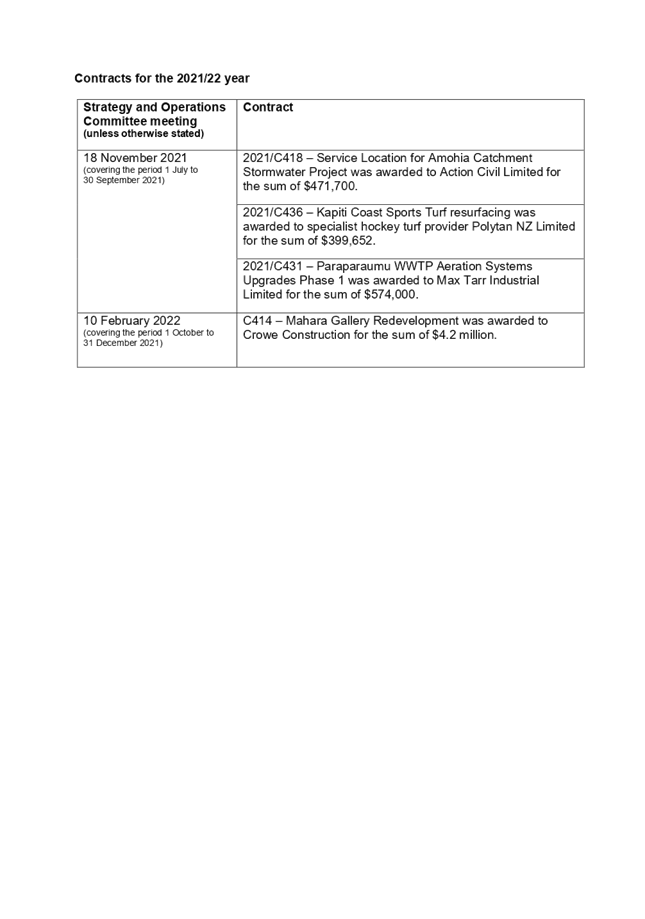
9 Confirmation
of Minutes
9.1 Confirmation
of Minutes
Author: Fiona
Story, Senior Advisor Democracy Services
Authoriser: Janice
McDougall, Group Manager People and Partnerships
|
Taunakitanga |
Recommendations
That the minutes of the Strategy
and Operations meeting of 10 March 2022 be accepted as a true and correct
record.
|
Appendices
1. Confirmation
of Minutes - Strategy and Operations Committee 10 March 2022 ⇩
|
Strategy and Operations
Committee Meeting Agenda
|
12 May 2022
|
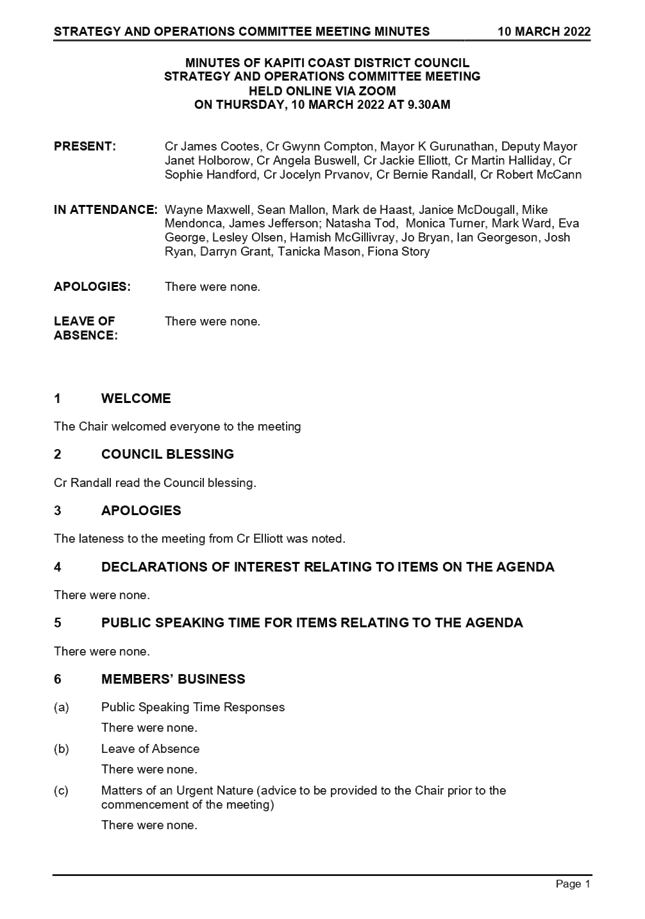
12 Public
Excluded Reports
Resolution
to Exclude the Public
|
PUBLIC EXCLUDED ReSOLUtion
That, pursuant to Section 48 of the Local Government
Official Information and Meetings Act 1987, the public now be excluded from
the meeting for the reasons given below, while the following matters are
considered.
The general subject matter of each matter to be considered
while the public is excluded, the reason for passing this resolution in
relation to each matter, and the specific grounds under section 48(1) of the
Local Government Official Information and Meetings Act 1987 for the passing
of this resolution are as follows:
|
General subject of each
matter to be considered
|
Reason for passing this
resolution in relation to each matter
|
Ground(s) under section 48
for the passing of this resolution
|
|
12.1 - Paraparaumu Transport Hub Construction Contract
|
Section 7(2)(i) - the withholding of the information is
necessary to enable Council to carry on, without prejudice or disadvantage,
negotiations (including commercial and industrial negotiations)
|
Section 48(1)(a)(i) - the public conduct of the relevant
part of the proceedings of the meeting would be likely to result in the
disclosure of information for which good reason for withholding would exist
under section 6 or section 7
|
|